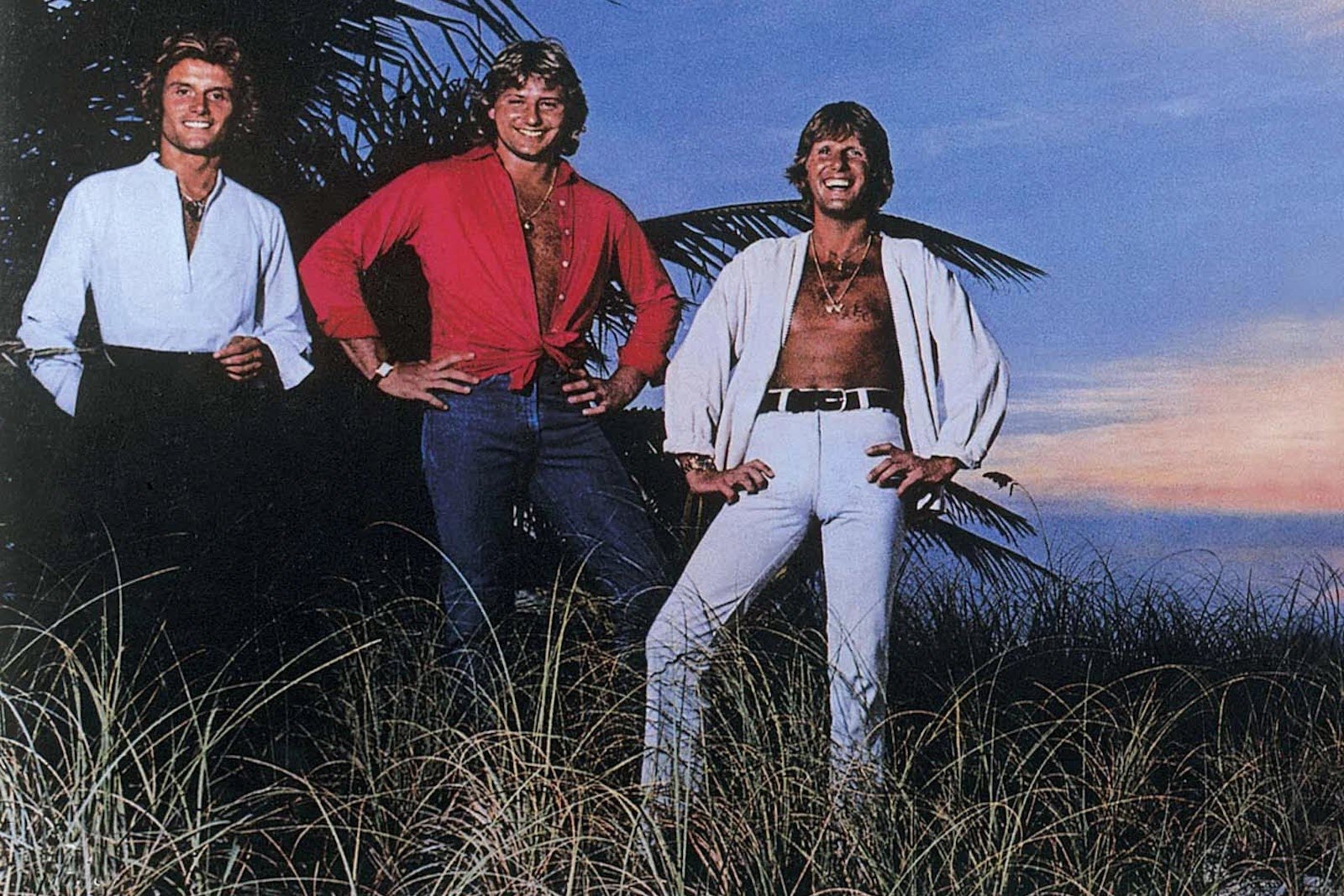
Few bands have managed to redefine the boundaries of rock music quite like Emerson, Lake & Palmer. Known for their virtuosic musicianship, groundbreaking compositions, and larger-than-life performances, this legendary progressive rock trio carved a lasting legacy that continues to inspire and captivate generations of music lovers. From intricate keyboard solos to soaring guitar melodies and thunderous drum patterns, their music is a mesmerizing blend of classical, jazz, and rock elements that pushes the envelope of creativity and emotion.
In this article, we embark on a journey through the top 10 most popular Emerson, Lake & Palmer songs of all time. Whether you’re a lifelong fan or new to their catalog, these tracks showcase the band at the height of their genius, delivering unforgettable moments of drama, power, and beauty. From epic suites that transport you to otherworldly realms to heartfelt ballads that tug at the soul, each song on this list tells a story of artistic ambition and unparalleled talent. So, tune your ears to the sounds of one of rock’s most iconic trios, and join us as we celebrate the timeless masterpieces that solidified Emerson, Lake & Palmer as pioneers of progressive rock. Let the music take you away!
1. Karn Evil 9 (1973)
“Karn Evil 9” is the quintessential Emerson, Lake & Palmer epic—an ambitious, 30-minute progressive rock suite that pushes musical boundaries and immerses listeners in a surreal, dystopian world. Featured on their landmark 1973 album Brain Salad Surgery, the song is divided into three “impressions,” each exploring themes of technological domination, societal decay, and the spectacle of entertainment. The most iconic moment comes in the opening lines of the First Impression, Part 2: “Welcome back, my friends, to the show that never ends.” That lyric has become synonymous with ELP’s theatrical flair and enduring legacy. Keith Emerson’s dazzling keyboard work, Carl Palmer’s complex drumming, and Greg Lake’s commanding vocals fuse into a sonic rollercoaster that never lets up. The music weaves through jazz-inflected passages, classical references, and hard-driving rock with seamless confidence. Lyrically, it’s as thought-provoking as it is abstract, reflecting the anxieties of a world on the brink of losing its humanity to machines. “Karn Evil 9” isn’t just a song—it’s an immersive experience, a futuristic rock opera that showcases the band’s visionary scope and musical precision. It remains one of ELP’s most celebrated achievements and a touchstone of the progressive rock genre.
2. Lucky Man (1970)
“Lucky Man” stands out as one of the most emotionally resonant songs in Emerson, Lake & Palmer’s catalog, offering a tender contrast to their more intricate compositions. Written by Greg Lake at the age of 12, the track features simple, evocative lyrics about a noble figure who has everything—wealth, love, power—only to meet a tragic end. Released on their self-titled 1970 debut album, the song became an instant classic and a gateway for new listeners into ELP’s unique world. Lake’s gentle acoustic guitar and earnest vocals give the song a folk-like intimacy, while the lyrics reflect on the fragility of human fortune. But the track’s most groundbreaking feature is Keith Emerson’s closing Moog synthesizer solo, which was improvised and recorded in one take. That swirling, otherworldly sound was revolutionary at the time and helped redefine what synthesizers could do in rock music. “Lucky Man” resonated with both casual listeners and prog rock fans, becoming one of the band’s most commercially successful singles. It’s a poignant reminder that even amidst ELP’s technical wizardry, they could also deliver a simple, beautiful song that speaks directly to the heart.
3. Tarkus (1971)
“Tarkus” is more than just a song—it’s a 20-minute progressive rock journey that defines Emerson, Lake & Palmer’s fearless creativity and musical ambition. The title track of their 1971 album, it unfolds as a seven-part suite centered around a mythical creature—a part-armadillo, part-tank hybrid—engaged in a symbolic battle of evolution and survival. This surreal storyline serves as a metaphor for technological advancement, war, and spiritual struggle. Musically, “Tarkus” is a showcase of ELP at their most inventive. Keith Emerson’s keyboard work is nothing short of dazzling, shifting effortlessly from bombastic organ runs to delicate passages of classical influence. Carl Palmer’s drumming provides relentless energy and rhythmic complexity, while Greg Lake’s guitar and vocals bring clarity and edge to the conceptual narrative. The suite seamlessly transitions between movements, each with its own distinct character, from the aggressive opening of “Eruption” to the contemplative mood of “Aquatarkus.” The scope and execution of “Tarkus” cemented ELP’s reputation as leaders of the prog rock movement. It’s a bold, sprawling work that demands active listening and rewards it with intricate arrangements and thought-provoking themes. Few tracks capture the spirit of early ’70s progressive rock like this one.
4. From the Beginning (1972)
“From the Beginning” reveals a softer, more introspective side of Emerson, Lake & Palmer. Featured on their 1972 album Trilogy, the song is a beautifully crafted acoustic ballad that stands out for its simplicity and emotional depth. Greg Lake takes center stage with his warm vocals and delicate fingerpicked guitar, creating a mood of quiet contemplation. The lyrics explore themes of missed chances, emotional vulnerability, and personal reflection, giving the track a universal quality that resonates deeply with listeners. Unlike much of ELP’s catalog, “From the Beginning” avoids complex time signatures and flashy solos—until, of course, the song’s final moments, when Keith Emerson adds tasteful layers of Moog synthesizer and electric guitar textures. That gentle build adds a subtle touch of the band’s signature sound without overshadowing the song’s intimate core. It was one of the band’s most commercially successful singles and remains a fan favorite for its heartfelt simplicity. “From the Beginning” proves that ELP didn’t always need grand epics or virtuoso showcases to leave an impact—they could also speak directly to the soul with just a few chords and an honest melody.
5. Fanfare for the Common Man (1977)
ELP’s take on “Fanfare for the Common Man” is a bold and electrifying reimagining of Aaron Copland’s iconic 1942 composition. Released in 1977 on Works Volume 1, the band transforms the orchestral original into a sprawling, arena-ready anthem infused with the bombast of progressive rock. Keith Emerson’s synthesizer takes center stage, replacing the traditional brass with pulsating, futuristic tones that reframe the piece for a new era. Carl Palmer’s thunderous drumming gives the track a powerful, driving rhythm, while Greg Lake’s bass anchors the arrangement with a solid groove. Despite its lack of vocals, the piece builds in intensity and texture over nine minutes, turning a patriotic fanfare into a full-blown rock celebration. The choice to adapt Copland’s work was daring but in keeping with ELP’s affinity for blending classical themes with modern instrumentation. “Fanfare for the Common Man” became a hit in the UK and is now considered one of the band’s signature tracks. It captures ELP’s unique ability to honor tradition while boldly pushing musical boundaries. With this piece, they not only paid homage to a great American composer—they also created a new kind of anthem for a new kind of listener.
6. Knife-Edge (1970)
“Knife-Edge,” from Emerson, Lake & Palmer’s 1970 debut album, is one of the group’s darker, more aggressive offerings, blending classical flourishes with hard rock energy. Built on a powerful organ riff inspired by pieces from Janáček and Bach, the song plunges listeners into a world of tension and uncertainty. Greg Lake’s vocals are sharp and commanding, conveying a sense of doom and urgency that matches the track’s title. Lyrically, it explores themes of conflict and existential threat, resonating with the anxieties of the Cold War era. The music, driven by Keith Emerson’s thunderous Hammond organ and Carl Palmer’s dynamic drumming, creates a dramatic atmosphere, alternating between precision and chaos. The shifting time signatures and sudden tempo changes highlight ELP’s willingness to challenge traditional rock formats right from the start of their career. “Knife-Edge” may not be as sprawling as some of their longer suites, but it packs a potent punch, showcasing the trio’s classical training and their commitment to musical innovation. It remains a fan favorite for its raw energy and bold fusion of styles, a perfect introduction to the band’s early sound and vision.
7. Trilogy (1972)
The title track of the 1972 album Trilogy is a stunning example of Emerson, Lake & Palmer’s ability to marry beauty with complexity. “Trilogy” begins with a lush, piano-led introduction from Keith Emerson, whose delicate phrasing hints at classical roots. Greg Lake’s vocals enter softly, carrying a sense of longing and introspection as he sings of emotional disconnection and internal conflict. But just as the song settles into a gentle mood, it shifts gears dramatically. The second half explodes into a furious blend of rock and jazz influences, with Emerson’s keyboard wizardry reaching dizzying speeds and Carl Palmer’s drumming propelling the track forward with unrelenting intensity. This contrast between serenity and chaos captures the emotional rollercoaster at the heart of the song’s lyrics. Technically demanding and emotionally charged, “Trilogy” showcases the full range of the band’s abilities—from sensitive songwriting to virtuosic instrumentation. It’s a journey through contrasting musical landscapes that never loses cohesion, a hallmark of great progressive rock. Though not as well-known as some of their epics, “Trilogy” is often praised by fans for its dynamic structure and stunning execution, earning its place as one of ELP’s most accomplished tracks.
8. The Endless Enigma (1972)
“The Endless Enigma,” from the 1972 album Trilogy, is a haunting and cerebral piece that highlights Emerson, Lake & Palmer’s flair for drama and mystery. The track is presented in two parts, separated by an instrumental interlude titled “Fugue,” which draws on classical forms and serves as a bridge between the two vocal sections. The song opens with the sound of a heartbeat, immediately creating a sense of tension and existential unease. Greg Lake’s lyrics pose philosophical questions about identity, faith, and the nature of truth, making the listener reflect as much as they listen. Musically, the track moves between somber piano passages, thunderous organ blasts, and intricate rhythmic changes that showcase the trio’s technical prowess. Emerson’s keyboard work is particularly expressive here, balancing between emotional subtlety and symphonic power. Carl Palmer’s drumming complements the shifting dynamics with precision, while Lake’s voice carries a sense of melancholy throughout. “The Endless Enigma” feels like a puzzle—layered, enigmatic, and deeply introspective. It doesn’t deliver easy answers, but that’s precisely its strength. The song invites listeners to confront the unknown, making it one of ELP’s most thought-provoking and artistically ambitious compositions.
9. Still… You Turn Me On (1973)
“Still… You Turn Me On” is a beautiful ballad from ELP’s 1973 album Brain Salad Surgery, and it serves as a rare moment of intimacy on an otherwise grand and theatrical record. Written and sung by Greg Lake, the song is a gentle declaration of desire and vulnerability, wrapped in poetic, somewhat surreal lyrics. The acoustic guitar provides a warm foundation, while subtle touches of synthesizer and electric guitar add emotional depth without overpowering the track. Lake’s vocal performance is heartfelt and restrained, allowing the lyrics’ tenderness to shine through. What makes the song particularly special is its contrast with the rest of the album’s complexity and bombast—it’s the quiet center of an otherwise frenetic storm. Though the band never performed the song live with full instrumentation due to its personal nature and lack of contribution from all three members, it became a fan favorite and one of their most accessible songs. “Still… You Turn Me On” demonstrates ELP’s range, proving they could be just as compelling when they stripped away the virtuosity and focused on emotional connection. It remains a testament to Lake’s songwriting and the band’s willingness to explore softer, more vulnerable themes.
10. Jerusalem (1973)
“Jerusalem,” also from the 1973 album Brain Salad Surgery, is ELP’s stirring adaptation of the British hymn based on William Blake’s poem “And did those feet in ancient time.” Set to music by Sir Hubert Parry, the original hymn is a deeply patriotic piece often regarded as an unofficial national anthem in England. Emerson, Lake & Palmer’s version stays true to the hymn’s majestic spirit while injecting it with their signature prog rock flair. Keith Emerson’s majestic pipe organ and synthesizer work adds a grand, almost regal quality to the track, while Carl Palmer’s drums provide a stately rhythm. Greg Lake’s soaring vocals capture both reverence and power, giving the lyrics a sense of urgency and hope. Though their rendition was initially controversial and even banned by the BBC for being too irreverent, it has since gained appreciation as a bold and respectful reimagining. By blending tradition with innovation, ELP gave “Jerusalem” new life and relevance for a contemporary audience. The track embodies their mission to elevate rock to a high art form, using classical roots not as constraints, but as springboards into something entirely new and electrifying.

Edward Tomlin is a frequent contributor to Singers Room. Since 2005, Singersroom has been the voice of R&B around the world. Connect with us via social media below.









