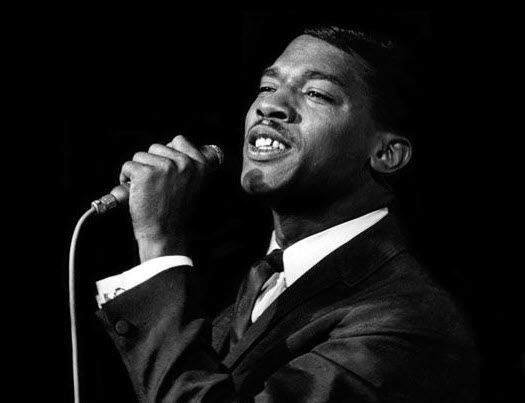
When it comes to soul music with fire, purpose, and unforgettable groove, few voices hit harder than Edwin Starr. Bursting onto the scene in the 1960s and leaving an indelible mark through the ’70s and beyond, Starr wasn’t just a singer—he was a force of nature. With his commanding vocals and no-holds-barred energy, he gave us some of the most powerful protest anthems and dancefloor staples in music history. Whether he was challenging war with a bold shout or lighting up discos with his infectious hooks, Starr always brought heart, grit, and soul to every note he sang.
This list dives into the top 10 most popular Edwin Starr songs of all time, celebrating the tracks that defined his legacy and shook audiences around the world. From chart-topping hits to underground gems that found new life on UK dancefloors, each song tells a story—not just of Starr’s evolution as an artist, but of the cultural and emotional pulse of the times. So whether you’re a longtime fan or discovering his catalog for the first time, get ready to groove, reflect, and feel the raw power of one of soul’s most electrifying voices. Edwin Starr wasn’t just making music—he was making a statement.
1. “War” (1970)
When it comes to protest songs, few have left as lasting an impression as Edwin Starr’s searing 1970 anthem “War.” Released during the height of the Vietnam War, the song wasn’t subtle—and that’s exactly why it worked. Powered by pounding drums, blaring horns, and Starr’s soul-shaking vocals, “War” is a sonic explosion of anger and defiance. Originally recorded by The Temptations, the song was deemed too politically charged for their image, so Starr stepped in—and made it his own. His electrifying performance catapulted the track to No. 1 on the Billboard Hot 100, transforming it into a definitive protest anthem. With its unforgettable chorus—“War! What is it good for? Absolutely nothing!”—Starr captured the frustration of a generation questioning the cost of conflict. More than just a chart-topping hit, “War” became a cultural lightning rod, resonating with listeners far beyond the era in which it was born. Even decades later, its raw power and urgent message haven’t faded. Starr’s voice remains a defiant shout for peace, making “War” one of the most iconic and enduring protest songs of all time.
2. “25 Miles” (1969)
Edwin Starr brought unrelenting energy and soulful passion to the forefront with his 1969 hit “25 Miles.” The track is a Motown powerhouse, driven by a relentless rhythm that mirrors the urgency of the song’s story—a man determined to walk 25 miles to reunite with the woman he loves. From the opening note, the song pulses with anticipation, each drumbeat like a step closer to his goal. Starr’s gritty vocals perfectly match the physical and emotional perseverance portrayed in the lyrics. His delivery is breathless and raw, full of heart and hope, giving the track a sense of immediacy and drive. The Motown production, rich with spirited horns and pounding percussion, adds even more propulsion, making the listener feel every step of the journey. “25 Miles” raced into the Billboard Top 10 and remains a timeless example of how passion and groove can work hand in hand. It’s more than just a love song—it’s a testament to the power of determination and the lengths we’ll go for love. The song’s infectious energy and heartfelt story continue to make it a standout in Starr’s discography.
3. “Stop the War Now” (1971)
In the wake of the success of “War,” Edwin Starr didn’t back away from his message—he doubled down with 1971’s “Stop the War Now.” But this time, he traded fiery confrontation for a heartfelt plea. The song unfolds more like a soulful sermon than a battle cry, weaving gospel-inspired harmonies and a slow-building arrangement into a call for peace. Starr’s voice, still powerful and commanding, takes on a mournful, reflective tone, filled with sorrow, hope, and determination. The music swells gradually, layering organ, brass, and backup vocals that mirror the rising emotional stakes of the song’s message. Though it didn’t chart as high as its predecessor, “Stop the War Now” is no less impactful. It reveals another side of Starr—not just a protester, but a deeply empathetic artist urging listeners to consider the human cost of conflict. The track is rich with emotional complexity, offering not just criticism, but a vision of compassion and unity. It remains an essential part of Starr’s socially conscious legacy, demonstrating how music can protest and heal all at once.
4. “Time” (1970)
“Time,” released in 1970, finds Edwin Starr in a more contemplative, introspective mood. A far cry from the political firestorm of “War,” this deep cut reflects on the quiet, inexorable passing of time and the way it shapes our lives. The arrangement is smooth and soulful, with understated instrumentation that allows Starr’s voice to take center stage. His delivery is reflective and sincere, full of warmth and quiet wisdom. Gentle strings and a steady rhythm create a meditative atmosphere, inviting listeners to pause and consider their own relationship with time and mortality. Though “Time” didn’t make a big splash on the charts, it’s a beautifully written and performed track that showcases Starr’s emotional depth and range. This isn’t a song meant to ignite protests or fill dance floors—it’s a piece designed to linger in your mind long after it ends. With repeated listens, its subtle charm and philosophical musings reveal themselves fully. “Time” serves as a reminder that Edwin Starr was more than just a voice of protest—he was also a thoughtful artist capable of capturing life’s quieter, more universal truths.
5. “Agent Double-O Soul” (1965)
Long before Edwin Starr became a symbol of soul-powered protest, he made his mark with the cheeky, funky “Agent Double-O Soul” in 1965. His debut hit, the song is a playful homage to the James Bond craze sweeping the ’60s, with Starr cheekily positioning himself as a secret agent of soul. From the opening brass hits and thumping rhythm section, the track bursts with charisma and swagger. Starr’s vocals are brimming with personality, full of confidence and tongue-in-cheek bravado that made the track irresistible. It cracked the Billboard Hot 100 and introduced Starr to a national audience with a bang. The groove is tight, the horns are bold, and the vibe is unmistakably fun. While later known for more serious fare, “Agent Double-O Soul” shows Starr’s ability to entertain with flair. The track’s blend of humor, funk, and personality hinted at the larger-than-life artist he would become. Even decades later, it’s a blast of retro soul energy that still feels vibrant and cool. This was Starr’s first big step into the spotlight—and what a debut it was.
6. “Hell Up in Harlem” (1974)
Edwin Starr took his sound to the streets with “Hell Up in Harlem,” the hard-hitting title track from the 1974 blaxploitation film of the same name. Right from the start, the song oozes gritty swagger, blending wah-wah guitars, sharp percussion, and urban funk textures into a cinematic soundscape. Starr delivers his vocals like a man on a mission—cool, composed, but with unmistakable edge. Unlike the idealistic energy of “War,” this track deals in survival and street justice, matching the movie’s gritty tone. The arrangement is muscular and deliberate, filled with tension and attitude. Though it didn’t achieve the chart success of some of Starr’s earlier work, “Hell Up in Harlem” remains a standout thanks to its dramatic flair and fierce delivery. Starr proves here that his voice wasn’t just made for anthems of peace—it could also serve as the soundtrack for struggle and grit. The song is a perfect companion to its film, capturing the mood and energy of Harlem in the ’70s. It’s a bold, brassy performance that cements Starr’s status as more than just a soul singer—he was a storyteller, too.
7. “Contact” (1978)
By the late 1970s, disco had taken over the airwaves—and Edwin Starr proved he could ride the wave with serious style. “Contact,” released in 1978, is a sleek, high-energy dance track with a futuristic twist. Fueled by pulsating basslines, space-age synths, and a relentless groove, the song became a huge hit in the UK, soaring into the Top 10 and igniting dance floors across Europe. Starr’s powerful voice gives the track a soulful punch, elevating it far above the typical disco fare of the time. His commanding performance is full of urgency and excitement, driving the song forward with undeniable charisma. The production sparkles with funky guitar riffs, cosmic sound effects, and tightly locked rhythms that make it impossible not to move. “Contact” may have marked a departure from Starr’s protest-heavy roots, but it also highlighted his versatility. He didn’t just survive the disco era—he thrived in it. With “Contact,” Starr reminded the world that he could groove just as hard as he could fight, bringing the same passion to the dance floor that he once brought to the picket line.
8. “Happy Radio” (1979)
In 1979, Edwin Starr followed up the disco success of “Contact” with another infectious gem: “Happy Radio.” Bright, bouncy, and irresistibly upbeat, the track is a celebration of the joy that music brings to everyday life. It’s a love letter to radio itself—the soundtrack to parties, road trips, breakups, and makeups. Starr’s vocals beam with positivity and charm, matched by a tight, funky arrangement full of shimmering synths, danceable beats, and catchy hooks. The production captures the vibrant spirit of late-’70s disco, while Starr’s delivery keeps it grounded in soul. The track became another UK hit, proving that Starr’s popularity overseas remained strong. While “Happy Radio” may not tackle the weighty issues of his earlier work, it succeeds in a different way—it lifts spirits and gets people moving. It’s a reminder that sometimes, the simple joy of music is enough to unite people and brighten a day. Fun, groovy, and full of heart, “Happy Radio” stands as one of Starr’s most charming and enduring tracks from his disco era.
9. “There You Go” (1965)
Released in 1965, “There You Go” is one of Edwin Starr’s lesser-known gems, but it’s a powerful showcase of his early talent and emotional depth. The track is a soulful ballad that explores the heartache of watching someone you love slip away. With lush Motown-style instrumentation—sweeping strings, gentle percussion, and backing harmonies—“There You Go” creates a warm yet melancholic atmosphere. Starr’s vocals are filled with aching vulnerability, delivering each line with sincerity and heart. Though it didn’t reach the top of the charts, the song found lasting appreciation in the Northern Soul scene, where its danceable rhythm and emotional weight made it a favorite in UK clubs. “There You Go” reveals Starr’s gift for combining groove with genuine feeling, and it’s a reminder of his range long before his protest songs took center stage. This track captures a moment of youthful longing and regret, offering a glimpse of the dynamic artist Starr would become. It’s a quiet standout that deserves far more attention.
10. “Easin’ In” (1973)
Smooth, stylish, and full of funk, “Easin’ In” was released in 1973 as part of the Hell Up in Harlem soundtrack and quickly became a standout moment in Edwin Starr’s catalog. The track opens with a laid-back groove—cool basslines, crisp drums, and smoky guitars—creating an atmosphere of effortless swagger. Starr’s vocals glide in with calm confidence, portraying a character who’s slipping into a scene with quiet intensity and purpose. The lyrics suggest a slow but deliberate entry into danger or action, matching the cinematic feel of the film it accompanied. “Easin’ In” might not have been a chart-topper at the time, but it gained a second life decades later when Ice Cube sampled it for his track “You Know How We Do It,” bringing Starr’s cool vibe to a whole new generation. It’s a perfect blend of funk and storytelling, with a groove that feels both relaxed and sharp. Starr didn’t need to shout on this one—he let the rhythm do the talking, proving that sometimes the smoothest moves make the biggest impact.

Samuel Moore is a frequent contributor to Singers Room. Since 2005, Singersroom has been the voice of R&B around the world. Connect with us via social media below.









