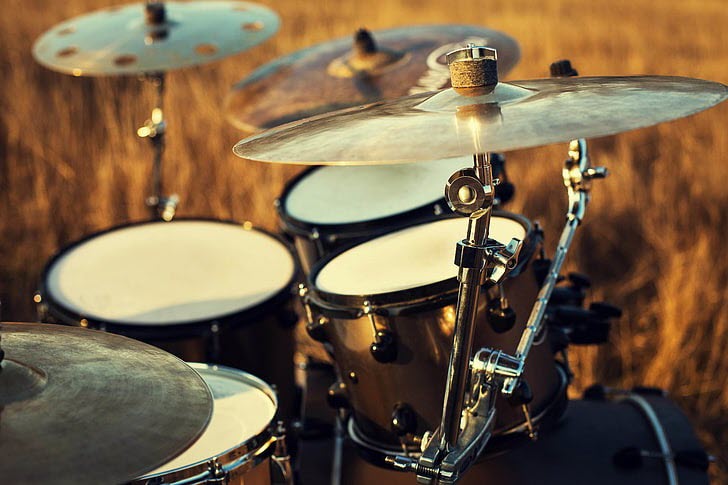
The heartbeat of any great band is its drummer. From thunderous solos to intricate rhythms, drummers are the unsung heroes who transform songs into unforgettable masterpieces. They don’t just keep time—they create it, shaping the energy and emotion of the music we love. In this article, we embark on an electrifying journey to celebrate the top 15 drummers of all time. These legends have not only mastered their craft but have redefined what it means to sit behind a drum kit.
From the explosive energy of rock to the smooth grooves of jazz, these drummers have left an indelible mark on their genres and inspired generations of musicians. We’ll explore the jaw-dropping technical prowess of Neil Peart, the untamed spirit of John Bonham, and the groundbreaking innovation of Sheila E., among others. Each drummer on this list has a unique style and story, proving that the art of percussion is as diverse as music itself.
Whether you’re a die-hard drum aficionado or simply curious about the legends who shaped the beat of history, get ready to be inspired. Let’s dive into the rhythmic world of the greatest drummers ever to grace the stage!
1. John Bonham
John Bonham, the thunderous heartbeat of Led Zeppelin, changed the way rock fans think about drumming. Nicknamed “Bonzo,” he combined sheer power with remarkable finesse, creating a sound that was both overwhelming and precise. His drumming on songs like “When the Levee Breaks” and “Kashmir” is legendary, featuring booming bass drum patterns and subtle swing-inspired grooves. But it was his solo on “Moby Dick” that truly put his talent on full display—an extended, jaw-dropping performance that became a staple of Zeppelin’s live shows. Bonham’s ability to play with intensity while maintaining perfect timing set him apart from his peers. He wasn’t just loud—he was musical, dynamic, and deeply in tune with the band’s energy. His influence reaches far beyond rock, touching drummers in metal, jazz, and even hip-hop. Tragically, his career was cut short when he died in 1980, but his legacy remains unmatched. To this day, drummers around the world try to emulate Bonham’s feel, his groove, and that unmistakable stomp. Few have come close. Bonham wasn’t just a drummer—he was the engine that powered one of the greatest rock bands in history.
2. Neil Peart
Neil Peart, the legendary drummer of Rush, wasn’t just a musician—he was a thinker, a poet, and an architect of sound. Known to fans as “The Professor,” Peart brought a level of complexity and technical mastery to rock drumming that had rarely been seen before. His performances on tracks like “Tom Sawyer” and “YYZ” are filled with intricate time signatures, explosive fills, and surgical precision, making them essential listening for any serious drummer. But Peart wasn’t just about skill—he was also the band’s chief lyricist, penning thought-provoking verses that tackled themes of individuality, science fiction, and philosophy. His drum kit, often massive and loaded with dozens of pieces, symbolized his approach to music: detailed, ambitious, and boundary-pushing. Peart was also a perpetual student, constantly evolving his technique and learning from jazz legends like Buddy Rich. Offstage, he was a private and introspective figure, a sharp contrast to his powerful presence behind the kit. When Peart passed away in 2020, the world lost not only a great drummer but a truly unique artist. His legacy lives on in every complex groove, poetic lyric, and aspiring drummer who dares to dream big.
3. Keith Moon
Keith Moon, drummer for The Who, was rock’s ultimate wild card—a whirlwind of energy, chaos, and creative genius. Known for his unorthodox style and unpredictable behavior, Moon didn’t play the drums so much as attack them, often with reckless abandon. Tracks like “My Generation” and “Won’t Get Fooled Again” capture his manic brilliance, where flurries of fills and explosive crashes drive the music forward like a runaway train. But what made Moon special wasn’t just his power—it was his ability to bring emotion and drama to every hit. He broke all the rules of traditional drumming, often skipping steady rhythms in favor of continuous rolls and spontaneous flourishes. Yet somehow, it all worked. His playing matched The Who’s raw, rebellious spirit perfectly, making him an essential part of their iconic sound. Offstage, Moon was notorious for his antics—destroying hotel rooms, driving cars into pools, and living life with no brakes. Though he died young at just 32, his impact on rock drumming is everlasting. Keith Moon didn’t just play music—he embodied it, in all its untamed, explosive glory. His legacy is that of a true original—chaotic, brilliant, and unforgettable.
4. Buddy Rich
Buddy Rich wasn’t just a drummer—he was a force of nature. Widely regarded as one of the greatest drummers of all time, Rich dazzled audiences with a combination of blistering speed, flawless technique, and undeniable charisma. From a young age, he was recognized as a prodigy, and by the time he was leading his own big band, he had already set the standard for jazz drumming. Tracks like “Channel One Suite” and “West Side Story Medley” showcase his breathtaking control, lightning-fast rolls, and explosive solos that could bring an entire room to its feet. Rich’s playing was crisp, dynamic, and full of emotion—he didn’t just keep time; he told stories with his sticks. Despite his reputation for having a fiery temper, his passion for music was undeniable. He pushed his bandmates hard, demanding excellence because he gave nothing less himself. Rich also had an uncanny ability to swing effortlessly while executing technically complex patterns, a rare blend that made him revered by jazz musicians and rock drummers alike. His influence has touched generations, from Steve Gadd to Neil Peart, and his recordings remain essential listening for any serious drummer.
5. Dave Grohl
Before becoming the frontman of Foo Fighters, Dave Grohl made his mark as the thunderous drummer behind Nirvana’s revolutionary sound. His playing on tracks like “Smells Like Teen Spirit” and “Breed” wasn’t just powerful—it was primal, raw, and bursting with emotion. Grohl’s drumming brought a sense of urgency and authenticity that perfectly captured the angst of the grunge movement. His explosive fills and hard-hitting style added weight and fury to Nirvana’s music, helping the band redefine what rock could be in the 1990s. But what made Grohl special wasn’t just his energy—it was his precision. He had the ability to play with ferocity without losing control, and his instincts for dynamics and feel elevated every song he touched. After Nirvana, Grohl went on to become a rock icon in his own right, but his drumming continues to inspire countless musicians. He’s also known for his humility and love for music, often speaking about his influences and celebrating the drummers who came before him. Whether he’s behind a mic or a drum kit, Grohl embodies the spirit of rock and roll—passionate, loud, and full of heart.
6. Stewart Copeland
Stewart Copeland, the rhythmic genius behind The Police, carved out a distinctive place in drumming history with his eclectic fusion of styles. His playing wasn’t just background noise—it was a central part of the band’s identity. Drawing from reggae, punk, ska, and world music, Copeland created grooves that felt fresh and unpredictable. Songs like “Roxanne” and “Message in a Bottle” highlight his crisp hi-hat work, syncopated snare rhythms, and uncanny ability to inject a track with both tension and swing. His drumming never overwhelmed the music but always gave it a unique edge, showing that restraint can be just as powerful as aggression. Beyond The Police, Copeland explored a wide range of musical projects, from film scores to orchestral compositions, showcasing his incredible versatility. His creativity behind the kit made him not just a drummer, but a composer in his own right. Copeland’s influence spans generations—he challenged drummers to think outside the box, to treat rhythm as melody, and to always serve the song. His work remains a masterclass in how to bring global influence into rock music, and his innovative spirit continues to inspire musicians looking to break boundaries and blur genres.
7. Ginger Baker
Ginger Baker was no ordinary rock drummer—he was a genre-defying force of nature. Best known as the thunderous pulse behind Cream, Baker combined the raw energy of rock with the complexity of jazz and the soul of African rhythms. He wasn’t content to just keep time—he told stories with his playing, weaving intricate patterns that felt both primal and intellectual. Songs like “White Room” and “Sunshine of Your Love” featured his signature use of toms and jazz-inflected phrasing, breaking away from the standard backbeat-driven drumming of the era. Baker’s work with Afrobeat legend Fela Kuti further proved his versatility and curiosity. He often rejected the label of “rock drummer,” preferring to be recognized for his broader musical sensibilities—and rightly so. His influence was seismic, pushing rock into more experimental territory and paving the way for drummers to explore unconventional time signatures and global sounds. Offstage, his fiery temperament was as famous as his playing, but his legacy rests on his musical innovation and bold personality behind the kit. Ginger Baker didn’t just play drums—he elevated them to an art form, and in doing so, left a permanent imprint on the world of rhythm.
8. Ringo Starr
Ringo Starr might not be known for flashy solos or thunderous fills, but his contribution to modern drumming is undeniable. As the steady heartbeat of The Beatles, Ringo brought a unique, understated brilliance to the band’s evolving sound. His drumming style was all about feel—he played for the song, not for the spotlight. Tracks like “Come Together” and “A Day in the Life” showcase his intuitive sense of timing, tasteful fills, and ability to create grooves that subtly elevated the music. Ringo’s left-handed approach on a right-handed drum kit gave his playing an unusual feel that added character and charm. More than just technical skill, it was his musical choices that stood out—each beat he played had intention and soul. While some critics initially underestimated his abilities, drummers and musicians have long recognized Ringo as a master of nuance and musicality. His drumming was never overbearing, but it was always essential. In a band where every member was a star, Ringo proved that being the anchor can be just as impactful as being center stage. His legacy lies in how he redefined the role of the drummer: not as a showboat, but as the glue holding it all together.
9. Phil Collins
Phil Collins made the rare leap from drummer to frontman, and in both roles, he left an indelible mark on music history. As the drummer and later the lead vocalist of Genesis, Collins was instrumental in shaping the sound of progressive rock. But even beyond the band, his solo work as a singer, songwriter, and percussionist solidified his place as one of music’s greats. What truly set him apart was his distinctive drumming—especially his pioneering use of gated reverb. This studio technique, first famously heard in “In the Air Tonight,” revolutionized drum production and became a defining sound of the 1980s. Collins’ dramatic, echoing drum fills weren’t just technically impressive—they created moments of pure atmosphere and emotion. Whether performing subtle brushwork or pounding out massive beats, his feel was always impeccable. He was both a precise technician and an emotional performer. His dual identity as both drummer and singer gave him a unique musical perspective, allowing rhythm and melody to work in harmony. Even after stepping away from full-time performing, Collins’ influence remains enormous. His drumming shaped a generation, and those haunting fills are still echoing across pop, rock, and beyond.
10. Lars Ulrich
Lars Ulrich is the relentless engine that powers Metallica’s massive sound. As a founding member and drummer, he has been central to the evolution of thrash and heavy metal since the early 1980s. Known for his aggressive, high-energy playing, Ulrich’s work is all about driving intensity and precise coordination. Songs like “One” and “Master of Puppets” are prime examples of his signature double-bass drumming, dynamic cymbal crashes, and galloping rhythms. While not always praised for technical perfection, Ulrich’s real strength lies in his ability to structure and pace Metallica’s songs. He’s as much a composer as he is a drummer, playing a key role in arranging the band’s complex compositions. His instinct for when to unleash fury and when to pull back adds dramatic flair to their sound. Beyond his drumming, Ulrich has also been a strategic force behind the band’s massive global success. His passion, energy, and love for the genre have helped Metallica become one of the biggest rock acts in history. Ulrich’s style may polarize some listeners, but his contribution to modern metal drumming is undeniable—bold, forceful, and endlessly influential.
11. Neil Peart
Neil Peart was more than a drummer—he was a virtuoso, a poet, and a thinker behind the kit. As the rhythmic and lyrical force of Rush, Peart set a new standard for what it meant to be a rock drummer. He was revered for his technical mastery, performing with incredible precision and stamina across long, complex songs. Tracks like “Tom Sawyer” and “YYZ” are filled with intricate time changes, jaw-dropping fills, and grooves that balance math and soul. But Peart wasn’t just about technical fireworks—his drumming always served the emotional arc of the music. His massive drum kits, often stacked with dozens of pieces, became symbols of his ambition and attention to detail. Yet what truly elevated Peart was his constant evolution. Inspired by jazz greats later in life, he reworked his entire technique under the guidance of Freddie Gruber, proving that even legends never stop learning. Beyond the drums, he penned Rush’s lyrics—thoughtful, philosophical, and often literary in tone. Fans didn’t just admire his chops—they admired his intellect. Neil Peart left behind a legacy not only of epic drum solos, but of creative integrity, discipline, and a relentless quest for excellence.
12. Dave Lombardo
Dave Lombardo brought a new level of speed, aggression, and technical finesse to metal drumming as the powerhouse behind Slayer. Often called the “godfather of double bass,” Lombardo revolutionized thrash with his relentless energy and machine-gun-like footwork. His drumming on albums like Reign in Blood and Seasons in the Abyss set a blistering pace that few could match, and his explosive fills and tempo shifts became trademarks of Slayer’s intense sound. What made Lombardo stand out wasn’t just his speed—it was his precision and sense of dynamics. He had an uncanny ability to balance chaos and control, allowing Slayer’s music to remain tight even as it tore through sonic boundaries. Beyond Slayer, he’s played with a wide range of artists including Fantômas, Testament, and even the experimental Mike Patton projects, showing a remarkable adaptability. Lombardo proved that metal drumming could be both brutal and artistic. His contributions helped define a genre and inspired generations of drummers to push their physical and creative limits. Whether on a small club stage or at massive festivals, Lombardo’s playing remains a force of nature—uncompromising, thunderous, and unforgettable.
13. Steve Gadd
Steve Gadd is a drummer’s drummer—revered across genres for his impeccable timing, subtle touch, and endless musicality. Whether it’s jazz, rock, pop, or fusion, Gadd has made an art of doing more with less. He’s not known for flashy solos or giant drum kits, but for grooves that feel perfect—always locked in, always tasteful. His work on Steely Dan’s “Aja,” Paul Simon’s “50 Ways to Leave Your Lover,” and Chick Corea’s “Nite Sprite” are shining examples of his genius. Gadd’s signature use of ghost notes, syncopation, and inventive sticking patterns have made his playing instantly recognizable and widely studied. But what really sets him apart is his feel—he plays with an effortless cool that makes complex rhythms sound smooth and natural. Gadd has recorded with a staggering list of greats, including Eric Clapton, James Taylor, and Aretha Franklin, proving that his versatility is as deep as his groove. Despite his legendary status, he remains humble and deeply committed to the craft. Steve Gadd has shown that mastery isn’t always about volume or speed—it’s about taste, tone, and the ability to make the music breathe.
14. Sheila E.
Sheila E. blazed a trail not just as a phenomenal drummer and percussionist, but as a woman who broke through in a male-dominated world with flair, talent, and undeniable charisma. Mentored by her father, the legendary percussionist Pete Escovedo, Sheila brought a rich Latin and jazz heritage to the pop and funk world. Her breakthrough came with Prince, and her performance on tracks like “Glamorous Life” and “A Love Bizarre” showed she could command the spotlight while still holding down complex grooves. Her hybrid setup of drums and percussion allowed her to blend rhythmic traditions with rock and funk sensibilities. More than just a backing player, Sheila E. was a star in her own right, mixing singing, dancing, and drumming into a dynamic performance package. She’s collaborated with artists like Ringo Starr, Beyoncé, and Hans Zimmer, always bringing fire and finesse. Her stage presence is magnetic, and her skill behind the kit is jaw-dropping. Sheila E. didn’t just redefine what a drummer could be—she redefined what a performer could be. Her influence reaches beyond music, inspiring new generations to pursue their craft with boldness, creativity, and heart.
15. Bernard Purdie
Bernard “Pretty” Purdie is groove incarnate. Known as one of the most recorded drummers in history, his playing is defined by that unmistakable swagger—the famous “Purdie Shuffle”—which fuses laid-back funk with razor-sharp precision. Heard on countless classic tracks by Aretha Franklin, Steely Dan, and James Brown, Purdie’s drumming never overwhelms the song; it serves it, enhancing every moment with soul and style. His work on songs like “Home at Last” and “Rock Steady” showcases his ability to lock into a deep pocket and stay there, making every note feel essential. What makes Purdie truly special is his combination of technical mastery and unshakable groove. He can be flashy when needed, but he’s just as comfortable laying down a simple beat that makes a track come alive. Beyond the studio, Purdie is known for his infectious personality and rhythmic philosophy—he often describes drumming in terms of storytelling and feel. His influence is vast, touching drummers across genres from jazz to hip-hop. Bernard Purdie didn’t just play the drums—he spoke through them. His grooves are a conversation, and we’re all still listening.

Edward Tomlin is a frequent contributor to Singers Room. Since 2005, Singersroom has been the voice of R&B around the world. Connect with us via social media below.