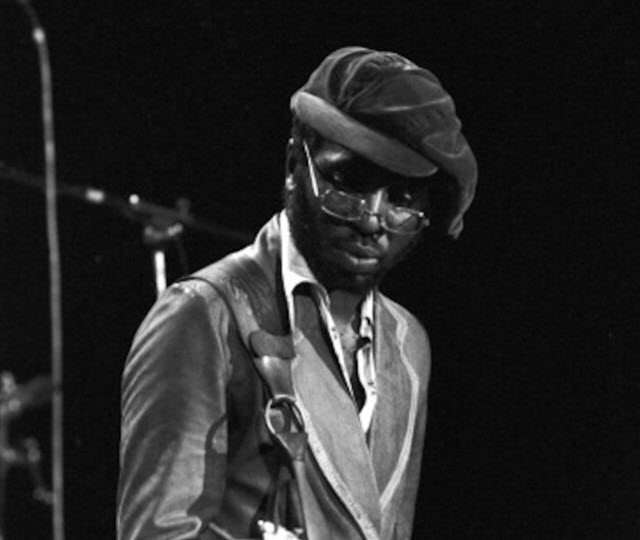
Few artists in music history have blended soul, funk, and social consciousness as seamlessly—and powerfully—as Curtis Mayfield. From his early days with The Impressions to his groundbreaking solo career, Mayfield used music not just to entertain, but to enlighten. His songs became anthems for the civil rights movement, soundtracks to urban life, and deeply personal reflections on love, struggle, and hope. With his unmistakable falsetto and fearless lyricism, Mayfield carved out a sound that was as poetic as it was political—always grooving, always relevant.
In honor of his enduring legacy, we’ve curated a definitive list of the Top 10 Most Popular Curtis Mayfield Songs of All Time. These tracks capture the essence of who Mayfield was: a visionary artist, a soulful storyteller, and a cultural icon. Whether you’re a lifelong fan or just discovering his genius, this list is a celebration of the songs that moved generations and still resonate today. From gritty street tales to uplifting ballads, Curtis Mayfield’s music is timeless, and these ten tracks are the perfect gateway into his rich, revolutionary catalog. So turn up the volume and get ready to rediscover the brilliance of one of soul music’s greatest pioneers.
1. “Move On Up” (1970)
“Move On Up” is Curtis Mayfield’s soaring call to perseverance and pride, a vibrant anthem that encapsulates the spirit of personal and collective progress. Released in 1970 on his debut solo album Curtis, the song runs nearly nine minutes in its original version, yet every second pulses with life. From the bright, triumphant horn lines to the infectious conga rhythms, Mayfield creates an atmosphere of celebration and encouragement. His falsetto voice floats over the layered instrumentation, delivering lyrics that urge listeners to rise above obstacles and believe in their inner strength. Though it wasn’t a major chart hit, “Move On Up” has gained legendary status over time, becoming a staple at rallies, sampled in hip-hop tracks, and cherished by fans across generations. Its message of hope and endurance resonates as powerfully today as it did during the height of the civil rights movement. Far more than just a funky groove, this song is an eternal motivator—a vibrant, uplifting reminder that setbacks are temporary and greatness is always within reach. It’s Mayfield at his most joyful and inspirational, offering not just music, but a blueprint for resilience.
2. “Superfly” (1972)
“Superfly” is the electrifying title track of Curtis Mayfield’s groundbreaking soundtrack for the 1972 Blaxploitation film Super Fly. The song is a masterclass in balancing groove with substance. With its funky wah-wah guitars, layered arrangements, and Mayfield’s signature falsetto, “Superfly” seduces the listener with swagger, but it’s the song’s deeper message that gives it lasting impact. While the film depicts a glamorous drug-dealing lifestyle, Mayfield flips the script—his lyrics critique and humanize the hustler’s plight, shedding light on the harsh realities of urban survival. Rather than glorify, he empathizes, crafting a socially conscious narrative that challenges the listener to look beyond surface glamor. The track became one of Mayfield’s biggest hits, standing out for its blend of musical sophistication and lyrical insight. It’s both a soundtrack highlight and a cultural touchstone, a piece of soul-funk brilliance that dared to speak uncomfortable truths wrapped in undeniable cool. “Superfly” helped redefine what soul music could be—funky, sharp, cinematic, and socially aware. Its legacy endures not only because of its irresistible groove, but because Mayfield used that groove to tell a story that still resonates.
3. “Freddie’s Dead” (1972)
Released months before the Super Fly film hit theaters, “Freddie’s Dead” is one of Curtis Mayfield’s most poignant and powerful songs. It opens with a haunting electric piano and quickly launches into an upbeat funk rhythm that belies the darkness of its story. The song tells the tragic tale of Freddie, a character destroyed by the drugs and despair plaguing his community. Mayfield’s genius lies in this contrast—upbeat instrumentation layered over a somber narrative—drawing the listener in before confronting them with painful realities. Rather than offer a simple moral or resolution, Mayfield presents Freddie’s death as the inevitable outcome of a broken system, a society that turns a blind eye to suffering. “Freddie’s Dead” was a commercial hit and earned a Grammy nomination, but its greater achievement is its emotional and social resonance. It’s a protest song disguised as a groove, a eulogy set to rhythm. Through it, Mayfield doesn’t just mourn a fictional character—he gives voice to real-life victims of poverty, addiction, and neglect. It remains one of his most enduring statements of purpose and compassion.
4. “Pusherman” (1972)
“Pusherman” is a bold, provocative track that dives headfirst into the psyche of a drug dealer. Found on the Super Fly soundtrack, this 1972 song is one of Curtis Mayfield’s most compelling and controversial works. With a slinky, hypnotic bassline and smooth falsetto vocals, “Pusherman” is seductive on the surface—but beneath the cool exterior lies a sharp critique of the drug trade and the systems that sustain it. Delivered in a first-person perspective, Mayfield’s lyrics paint a picture of a man who profits from addiction while also being trapped by the role he plays. It’s not an endorsement—it’s a chilling confession. By stepping into the dealer’s shoes, Mayfield forces the listener to confront uncomfortable truths about power, survival, and moral ambiguity. The song’s tension—between its laid-back groove and heavy subject matter—makes it unforgettable. “Pusherman” pushed the boundaries of what soul music could tackle, addressing social issues with nuance and artistry. It remains a landmark in Mayfield’s catalog, a song that doesn’t preach but provokes thought, challenging listeners to consider the complexities of urban life and the choices people make to survive.
5. “People Get Ready” (1965)
Released in 1965 by The Impressions, “People Get Ready” is more than a song—it’s a spiritual beacon of the civil rights movement. Written by Curtis Mayfield, this timeless classic blends gospel influences with soul richness, creating a sense of warmth, hope, and unity. The central metaphor of a train bound for glory resonated deeply during an era of struggle and transformation, offering a peaceful but powerful vision of collective progress. With its lush harmonies and heartfelt delivery, the track speaks to the soul, inviting listeners to believe in a better future and to join together in the journey toward justice. Unlike many protest songs of the era, “People Get Ready” isn’t angry or confrontational—it’s deeply compassionate and filled with grace. Mayfield’s lyrics are both spiritual and political, reminding listeners that faith and action must go hand in hand. This gentle anthem became a soundtrack for nonviolent resistance, cherished by civil rights leaders and ordinary people alike. Over the years, it has been covered by countless artists, but Mayfield’s original version remains the most moving—a message of hope, unity, and spiritual strength that continues to inspire.
6. “If There’s a Hell Below, We’re All Going to Go” (1970)
With its chilling spoken-word intro and explosive funk arrangement, “If There’s a Hell Below, We’re All Going to Go” is one of Curtis Mayfield’s most confrontational and daring songs. Released in 1970 on his solo debut Curtis, the track pulls no punches in its critique of a society unraveling under racism, war, corruption, and hypocrisy. Mayfield’s vocals—alternating between urgent declarations and soulful pleas—ride over a storm of bass, percussion, and ominous orchestration. He names names, calls out injustice, and warns that if the current path continues, destruction awaits everyone—not just the oppressed. It’s not just a protest song; it’s a prophecy. The track’s intensity is unmatched in Mayfield’s catalog, a raw and fearless cry for awareness and change. Even decades later, the song sounds strikingly modern, both musically and thematically. It’s a sonic grenade, forcing listeners to confront uncomfortable truths about the world they live in. “If There’s a Hell Below” is the sound of a conscience refusing to be silent, and in doing so, it proves that soul music can be as radical and powerful as any political speech.
7. “Keep On Keeping On” (1970)
Tucked within the brilliance of Mayfield’s 1970 debut solo album Curtis, “Keep On Keeping On” is a quiet yet powerful anthem of endurance. Unlike some of the album’s more aggressive tracks, this song takes a gentler approach, offering encouragement through a mellow groove and introspective lyrics. Mayfield’s falsetto is soft but sincere, as he speaks directly to the listener like a friend offering wisdom. The phrase “keep on keeping on” became a mantra for those facing adversity, and Mayfield delivers it with warmth and conviction. The song’s understated musical arrangement—steady rhythm, delicate guitar, and subtle horns—allows his words to shine. It’s a reminder that resilience doesn’t always have to be loud or angry; sometimes, quiet strength is enough to carry us through. Whether you’re facing personal hardship or navigating societal turmoil, “Keep On Keeping On” feels like a reassuring hand on your shoulder. It’s one of those rare songs that feels tailor-made for any moment of struggle, urging listeners to hold their heads high and continue moving forward, no matter how hard the road may seem.
8. “We the People Who Are Darker Than Blue” (1970)
More meditation than protest, “We the People Who Are Darker Than Blue” stands as one of Curtis Mayfield’s most soul-searching and courageous songs. Released in 1970, this track directly addresses the Black community, urging unity, introspection, and self-love in the face of oppression and internalized division. It’s a nuanced, deeply personal call for reflection rather than confrontation. Over a restrained groove filled with moody horns and subtle percussion, Mayfield poses hard questions about self-worth, colorism, and the need to rise above bitterness. His lyrics challenge listeners to look inward before pointing fingers outward. It’s a rare and brave piece of songwriting—compassionate but unflinching, tender yet honest. The music supports the message like a sermon delivered in song, with Mayfield’s falsetto acting as both preacher and prophet. In today’s social climate, the track feels just as relevant—if not more so—than when it was first released. “We the People Who Are Darker Than Blue” is a cornerstone of Mayfield’s legacy as a conscious artist, one who wasn’t afraid to provoke thought even when it meant discomfort. It remains a deeply moving call for healing, both personal and collective.
9. “Future Shock” (1973)
“Future Shock,” from Mayfield’s 1973 album Back to the World, is a funky, urgent reflection of a society in upheaval. Inspired in part by Alvin Toffler’s book of the same name, the song channels anxiety about rapid technological change, social unrest, and post-Vietnam disillusionment. Its jittery rhythm and dense instrumentation mirror the chaos it describes, with Mayfield’s falsetto floating over wah-wah guitars, tight basslines, and frenetic horns. The lyrics feel like a warning—“We got to stop the man from messing up the land”—as Mayfield critiques consumerism, environmental degradation, and systemic failures. “Future Shock” is not often cited among his biggest hits, but it’s a hidden gem that showcases his fearless experimentation and keen awareness of the world around him. The track captures a moment when the future felt uncertain, yet familiar enough to today’s listeners grappling with their own era of disruption. It’s proof that Mayfield was always looking ahead, not just musically but thematically. With “Future Shock,” he crafted a funk-infused wake-up call—one that demands attention, reflection, and action.
10. “So in Love” (1975)
“So in Love” is Curtis Mayfield at his most tender and romantic. Released in 1975 on There’s No Place Like America Today, the song stands apart from his socially conscious catalog, focusing instead on the quiet beauty of intimate emotion. It’s a smooth, slow-burning ballad, driven by soft instrumentation and Mayfield’s gentle, heartfelt vocals. The lyrics are simple, but they carry a depth of feeling that’s instantly relatable. Unlike many love songs that rely on grand gestures, “So in Love” thrives in its restraint—it’s about closeness, sincerity, and vulnerability. The arrangement lets the emotion breathe, with warm strings and a steady rhythm that never overwhelms the message. In a career filled with bold political statements, this song reveals another side of Mayfield: the sensitive storyteller who could distill complex emotions into beautiful simplicity. “So in Love” remains a favorite among fans who appreciate the soul legend’s versatility. It’s a testament to his ability to express not just the pain of the world, but also the joy and tenderness of human connection.

Samuel Moore is a frequent contributor to Singers Room. Since 2005, Singersroom has been the voice of R&B around the world. Connect with us via social media below.









