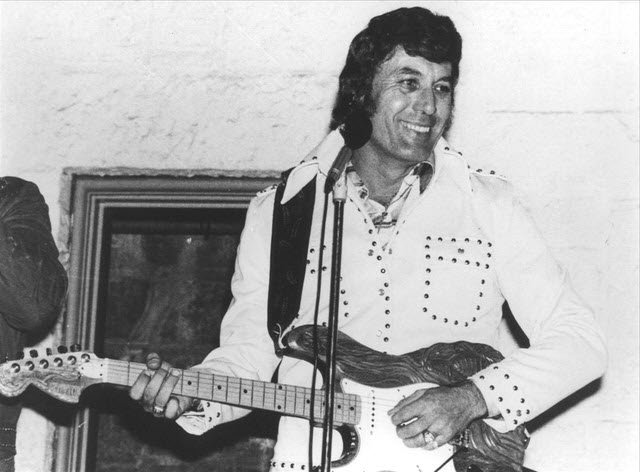
Carl Perkins, the undisputed King of Rockabilly, left an indelible mark on the music world with his electrifying guitar riffs, soulful voice, and unmatched songwriting talent. A pioneer of the rock ‘n’ roll revolution, Perkins bridged the gap between country rhythms and bluesy grooves, creating a sound that inspired legends like Elvis Presley, The Beatles, and Johnny Cash. His influence is woven into the very fabric of modern music, and his songs continue to captivate audiences decades after their release.
In this article, we dive into Carl Perkins’ top 10 most popular songs of all time—an exhilarating playlist of unforgettable classics that defined an era. From toe-tapping rockabilly anthems to heartfelt ballads, these tracks showcase Perkins’ genius and his ability to craft melodies that stick with you long after the music stops. Whether you’re a lifelong fan or new to his work, this list will transport you to the golden age of rock ‘n’ roll and remind you why Carl Perkins remains a musical icon.
Get ready to revisit the hits that set dance floors on fire, broke records, and cemented Perkins’ legacy as one of the greatest artists of all time. Let the countdown begin!
1. Blue Suede Shoes (1956)
“Blue Suede Shoes” is the song that firmly placed Carl Perkins on the map and became one of the defining anthems of early rock ‘n’ roll. Released in 1956, it’s a rockabilly classic that not only showcased Perkins’ clever songwriting but also captured the rebellious spirit bubbling up in post-war America. The lyrics are playful but firm, warning everyone to tread lightly—especially when it comes to the singer’s prized footwear. It wasn’t just a song about shoes; it was a declaration of identity, independence, and youthful pride. Perkins brought swagger to the mic, and his punchy guitar riffs drove the point home with a raw, infectious energy. The track was a massive hit, becoming one of the first to cross over from the country charts to pop and R&B, signaling a new era in music. Although Elvis Presley famously covered it soon after, it’s Perkins’ original that carries the authentic bite and twang of rockabilly at its best. More than just a catchy tune, “Blue Suede Shoes” is a cultural touchstone—a moment when country, blues, and rock collided and gave birth to something entirely new and unforgettable.
2. Matchbox (1957)
With “Matchbox,” Carl Perkins bridged the deep roots of Delta blues and the wild edge of rockabilly, proving how seamlessly these genres could merge. Released in 1957, the song takes lyrical inspiration from Blind Lemon Jefferson, but Perkins turns it into something undeniably his own. The blues influence is clear in the lyrics, which speak of feeling small and boxed in, yet there’s an undeniable rock ‘n’ roll energy propelling the song forward. His guitar playing is front and center, loaded with rhythm, twang, and that signature slapback echo that defined Sun Records’ golden era. Perkins delivers the vocals with a mix of grit and swing, giving the song both emotional weight and dancefloor appeal. “Matchbox” became a favorite among rock musicians, covered by artists like The Beatles, who admired Perkins’ blend of soul and style. What makes this song stand out is its ability to channel pain and frustration through a rhythm that makes you want to move. It’s not just a lament—it’s a celebration of turning hard times into hot music. With “Matchbox,” Perkins once again proved he was more than just a hitmaker; he was a musical innovator.
3. Honey Don’t (1956)
“Honey Don’t” is Carl Perkins at his most charming and clever, blending humor, rhythm, and rockabilly flair into one irresistible track. Released in 1956, this song captures a conversation between two lovers, with Perkins playfully questioning the mixed signals he’s getting. The call-and-response dynamic and conversational lyrics give it a fun, flirty tone, while the bouncy rhythm keeps your feet tapping. Perkins’ guitar work is as sharp as ever, with crisp licks that dance around the vocal lines, adding to the song’s lighthearted energy. His laid-back delivery gives the tune a casual, almost improvised feel, like he’s having a friendly chat over the beat. It’s no wonder the song became a rockabilly staple and was later covered by The Beatles, with Ringo Starr taking the lead vocals in a loving tribute to Perkins’ influence. “Honey Don’t” isn’t just a catchy tune—it’s a masterclass in how to mix personality with musicianship. With this song, Perkins reminded listeners that rock ‘n’ roll didn’t always have to be loud and rebellious; sometimes it could just be fun, smart, and undeniably cool.
4. Everybody’s Trying to Be My Baby (1957)
“Everybody’s Trying to Be My Baby” is a swaggering, confident rocker that perfectly captures the cool, cocky energy of early rockabilly. Released in 1957, Carl Perkins took inspiration from a 1930s song by Rex Griffin and reworked it into a guitar-driven, electrified romp. From the first note, the track feels like a strut—it’s all about self-assurance and having a good time. Perkins’ vocals are smooth and sly, delivered with a wink, while his guitar adds bite and bounce to the rhythm. The lyrics tell the story of a man who’s suddenly the center of attention, and he’s not exactly complaining. It’s playful, cheeky, and laced with that signature Sun Records sound—slapback echo, minimal instrumentation, and raw energy. The Beatles famously covered it in the early ‘60s, with George Harrison tipping his hat to Perkins’ original. But even with all the later versions, there’s something uniquely authentic about Perkins’ take. “Everybody’s Trying to Be My Baby” feels like a glimpse into rock ‘n’ roll’s early bravado, when confidence was king and the groove was everything. It’s Carl Perkins having fun—and making sure the audience does too.
5. Boppin’ the Blues (1956)
“Boppin’ the Blues” is a joyful, no-holds-barred celebration of music itself. Released in 1956, this track captures the vibrant heart of rockabilly—fast, fun, and made for dancing. From the very first beat, it grabs you with its infectious rhythm and doesn’t let go. Carl Perkins, with his unmistakable Southern drawl and rock-solid guitar chops, delivers a vocal full of joy and swing. The lyrics don’t tell a complicated story—they don’t need to. It’s all about the feeling of being swept up in the music, and Perkins communicates that feeling perfectly. The guitar breaks are tight and energetic, propelling the tune forward and making it impossible to sit still. It’s a song that doesn’t try to be profound—it just wants to move you. And it does. “Boppin’ the Blues” has remained a fan favorite for decades, covered by artists like Ricky Nelson and the Stray Cats, who all recognized its timeless appeal. It’s a reminder that sometimes, the best rock ‘n’ roll doesn’t overthink—it just rocks. With this track, Perkins delivered a simple message: turn it up, tap your feet, and let the good times roll.
6. Your True Love (1957)
“Your True Love” reveals a tender, romantic side of Carl Perkins that contrasts beautifully with his usual upbeat rockabilly stompers. Released in 1957, the song opens with a gentle rhythm and a smooth vocal delivery that instantly sets a heartfelt tone. Perkins shows that he’s not just a master of rhythm and swagger—he’s also capable of writing sincere love songs that connect deeply with listeners. The lyrics speak to that magical feeling of discovering someone who’s truly meant for you, wrapped in the kind of honest simplicity that makes it universally relatable. Even as the track maintains that classic rockabilly beat, there’s a softness to the melody and phrasing that gives it a distinct emotional weight. The guitar work remains crisp and expressive, never overpowering the sentiment behind the lyrics. “Your True Love” has been covered by a number of artists, including The Beatles during their early sessions, proving its enduring charm. For fans of Perkins, this song is a reminder that behind the twang and bravado was a thoughtful songwriter who knew how to speak to the heart. It’s a track that manages to be both danceable and deeply touching at the same time.
7. Dixie Fried (1956)
“Dixie Fried” is a rowdy, rebellious anthem that captures the wild side of Carl Perkins’ musical persona. Released in 1956, the song is full of vivid Southern imagery and youthful mischief, telling the tale of a hard-partying night that doesn’t go quite as planned. With a rollicking rhythm and sharp storytelling, Perkins takes listeners on a joyride through barroom brawls, moonshine-fueled escapades, and Southern slang—all set to a fast-paced rockabilly beat. The phrase “get Dixie fried” quickly became a euphemism for getting drunk, and the song wears its raucous energy like a badge of honor. Perkins’ delivery is electric—half-sung, half-spoken, and full of personality. His guitar slashes through the track with rhythmic precision, amplifying the chaotic, party-fueled spirit of the lyrics. “Dixie Fried” feels almost like a short film in musical form, filled with action, attitude, and a rebellious streak that was ahead of its time. It’s a key example of how Perkins could take traditional country themes and infuse them with a modern rock edge. More than just a fun tune, it’s a piece of Southern rock folklore—and an early influence on generations of rock ‘n’ roll troublemakers.
8. Lend Me Your Comb (1957)
“Lend Me Your Comb” might not be as widely known as some of Carl Perkins’ bigger hits, but it’s a hidden gem that perfectly captures the playful, stylish vibe of 1950s youth culture. Released in 1957, the song taps into the era’s obsession with personal appearance and teenage charm. The lyrics are lighthearted and cheeky, centered on a simple but relatable request—borrowing a comb to fix up your hair before a date. There’s an everyday kind of humor in it, and Perkins plays it up with a wink in his voice and a swing in his step. The rhythm is quick and catchy, with a bouncy beat that makes it impossible not to smile. His guitar work adds flair without overpowering the vocals, supporting the song’s fun, flirtatious tone. It’s no surprise that The Beatles picked it up during their early days, giving the track new life and exposing it to a wider audience. “Lend Me Your Comb” isn’t trying to be deep—it’s just pure, joyful rockabilly, built on charm, rhythm, and a little bit of vanity. Sometimes, that’s all you need to make a song unforgettable.
9. Gone, Gone, Gone (1955)
“Gone, Gone, Gone” stands as one of Carl Perkins’ earliest recordings and a prime example of his trailblazing role in the birth of rockabilly. Released in 1955, the song is fast, raw, and bursting with energy—a clear sign of the musical revolution that was just beginning to erupt. With its fast-paced rhythm and punchy guitar licks, it captures a youthful restlessness that would come to define the rock ‘n’ roll movement. Perkins sings with urgency, his voice filled with emotion as he laments the departure of a lover. But even in heartbreak, the beat keeps driving forward, giving the song a kind of optimistic momentum. The guitar work here is especially impressive—quick, rhythmic, and innovative for its time. It was this kind of sound that helped shape the future of popular music, influencing artists from Elvis to Johnny Cash. “Gone, Gone, Gone” may not get as much attention as “Blue Suede Shoes,” but it laid critical groundwork for everything that followed. It’s the sound of a young Carl Perkins on the cusp of greatness, blending country, blues, and rhythm into a style that would soon change the world.
10. Put Your Cat Clothes On (1956)
“Put Your Cat Clothes On” is one of Carl Perkins’ most upbeat and personality-filled tracks, a perfect example of the swagger and style that defined rockabilly in the 1950s. Released in 1956, the song invites listeners into a world of hip slang, late-night dancing, and youthful excitement. The title itself refers to getting dressed in your coolest, sharpest outfit before hitting the town—something any teenager of the time could relate to. Perkins delivers the vocals with confidence and a wink, like he’s inviting you to join the party. The guitar work is fiery and bold, driving the rhythm with quick licks and a twang that practically jumps out of the speakers. Lyrically, the song is all about fun and flair—no deep themes, just the pure joy of being young and ready to cut loose. It’s one of those tracks that reminds you how important image and attitude were to the birth of rock ‘n’ roll. With “Put Your Cat Clothes On,” Perkins captured a moment in time when fashion, freedom, and music came together to create something thrillingly new—and it still sounds cool decades later.

Edward Tomlin is a frequent contributor to Singers Room. Since 2005, Singersroom has been the voice of R&B around the world. Connect with us via social media below.









