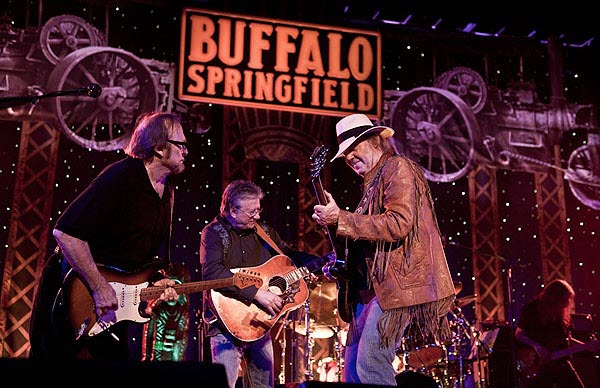
Buffalo Springfield may have been short-lived as a band, but their impact on the music world is nothing short of legendary. Emerging in the late 1960s during a time of cultural revolution, this folk-rock powerhouse became the voice of a generation, blending poetic lyrics with revolutionary melodies. With Neil Young, Stephen Stills, and Richie Furay at its creative core, Buffalo Springfield created a musical legacy that continues to resonate with fans old and new.
But what makes their music so enduring? Is it the thought-provoking lyrics that captured the spirit of social change? Or the intricate harmonies and genre-defying instrumentals that still feel fresh decades later? In this article, we’ll dive into the top 10 most popular Buffalo Springfield songs of all time—songs that have stood the test of time and cemented the band’s place in rock history.
From anthems of protest to introspective ballads, these tracks are more than just hits—they’re cultural touchstones that encapsulate the hopes, struggles, and dreams of an era. Whether you’re a lifelong fan or a newcomer eager to explore their brilliance, this list will remind you why Buffalo Springfield remains one of the most influential bands of all time. Let’s dive in!
1. For What It’s Worth (1966)
Buffalo Springfield’s “For What It’s Worth” is one of the most iconic protest songs of the 1960s, even though it wasn’t originally written as an anti-war anthem. Stephen Stills was inspired to write the song in response to the Sunset Strip curfew riots in Los Angeles—a conflict between young people and police over nightlife restrictions. Yet the song’s ambiguity is part of its power. With the eerie guitar riff, measured drumbeat, and restrained delivery, it speaks to a sense of confusion and unrest that could apply to any moment of social upheaval. The refrain, “Stop, hey, what’s that sound / Everybody look what’s going down,” became a catchphrase for a generation questioning authority and demanding change. Rather than shout or rage, the song calmly calls listeners to pay attention—to really see what’s happening around them. That subtle approach helped it resonate far beyond the original event. It became a soundtrack for the broader civil rights and anti-war movements and still feels relevant in moments of protest and political tension today. “For What It’s Worth” endures because it captures a universal feeling: something is wrong, and we need to stop and figure it out—together.
2. Mr. Soul (1967)
Neil Young’s “Mr. Soul” is a raw, introspective track that taps into the anxieties of fame, identity, and artistic vulnerability. Released in 1967, it’s driven by a distorted, fuzzy guitar riff that instantly grabs your attention, setting the tone for the song’s urgent mood. Young wrote it after a health scare and during a period of rising fame, making the lyrics feel deeply personal yet cryptic. Lines like “The woman in the window / Knows what I think” evoke paranoia, disillusionment, and the struggle to maintain authenticity in the face of public scrutiny. The song’s structure and energy borrow heavily from the Rolling Stones, but Young’s lyrics and delivery are uniquely his. His voice crackles with emotion, sounding both defiant and fragile. There’s a weariness in “Mr. Soul” that hints at the burnout and existential crisis bubbling beneath the surface of 1960s stardom. Despite—or because of—its bitterness, the song remains a standout in Buffalo Springfield’s catalog. It showcases Young’s ability to pair sharp rock instincts with poetic introspection, laying the groundwork for much of his future work. “Mr. Soul” doesn’t offer easy answers—it wrestles with the price of success and the search for meaning.
3. Bluebird (1967)
“Bluebird” is one of Buffalo Springfield’s most musically adventurous tracks, and it beautifully captures the eclectic energy of late ’60s rock. Written by Stephen Stills and released in 1967, the song is a vibrant mix of folk, rock, and country influences that showcases the band’s instrumental range. It opens with brisk acoustic strumming, then slides into electric guitar solos and jam-like passages that feel almost improvisational. The back-and-forth between acoustic and electric textures keeps the song unpredictable and engaging. Lyrically, “Bluebird” paints a picture of longing, change, and emotional distance. Stills’s vocals are both tender and urgent, echoing the yearning embedded in the lyrics. The longer album version allows the band to stretch out musically, with extended solos and shifting tempos that highlight their technical skill. It’s a song that doesn’t sit still—it evolves as it plays, capturing the restless spirit of the era. “Bluebird” was never a huge commercial hit, but it became a fan favorite and a cult classic among rock aficionados. It’s a reminder that Buffalo Springfield wasn’t just about catchy singles—they were fearless musicians willing to experiment and blend genres in creative, compelling ways.
4. Rock and Roll Woman (1967)
Released in 1967, “Rock and Roll Woman” is Stephen Stills’s homage to the charismatic female musicians who were beginning to redefine the music scene. From the first note, the song has an easygoing groove that captures the sun-soaked West Coast vibe. The jangly guitars and smooth vocal harmonies give it a warm, open feel, while the lyrics blend admiration and mystery. There’s a sense that the woman in question isn’t just inspiring—she’s elusive, untamed, and beyond anyone’s control. The song was reportedly inspired by Grace Slick of Jefferson Airplane, which adds a layer of real-life intrigue to the lyrics. Musically, it reflects the folk-rock sensibilities that were blossoming in California at the time, and it helped solidify Buffalo Springfield’s identity as part of that creative wave. “Rock and Roll Woman” stands out for its mix of romanticism and cool detachment—Stills is clearly in awe, but he’s also aware that this woman belongs to the music, not to him. It’s both a tribute and a snapshot of the shifting gender roles in rock culture. With its laid-back charm and layered harmonies, the song remains a highlight in the band’s short but impactful catalog.
5. On the Way Home (1968)
Neil Young’s “On the Way Home” is a poignant farewell wrapped in a beautifully melodic package. Written during a period of transition for Buffalo Springfield, the song was recorded with Richie Furay on lead vocals and released on their final album, Last Time Around, in 1968. Despite being a goodbye of sorts, it carries a sense of hope and reflection rather than bitterness. The arrangement is lush and full, with brass accents, rich harmonies, and a gently rolling rhythm that gives the song emotional weight without feeling heavy. The lyrics explore the idea of returning—either to a place, a person, or a sense of self. “When the dream came, I held my breath with my eyes closed” hints at both anticipation and vulnerability. It’s a track that feels deeply personal, yet its message is universal: sometimes, the journey back is as significant as the path forward. With its reflective mood and warm instrumentation, “On the Way Home” is more than a swan song—it’s a gentle closure to Buffalo Springfield’s turbulent but brilliant run. It’s a reminder that even as things end, there can be beauty, growth, and quiet grace along the way.
6. Expecting to Fly (1967)
Neil Young’s “Expecting to Fly” stands as one of Buffalo Springfield’s most haunting and cinematic pieces. Released in 1967 on the album Buffalo Springfield Again, the song diverges from the band’s typical sound, embracing lush orchestration and melancholic tones. Young penned this ballad during a period of personal introspection, reflecting on themes of love, loss, and the fragility of human connections. The track’s ethereal arrangement, featuring strings and subtle harmonies, was crafted with the help of producer Jack Nitzsche, adding depth to its emotional resonance.
The lyrics convey a sense of yearning and disillusionment, capturing the moment when dreams confront reality. Lines like “There you stood on the edge of your feather, expecting to fly” evoke imagery of hope juxtaposed with the inevitability of disappointment. Interestingly, while credited to Buffalo Springfield, the recording primarily features session musicians, highlighting Young’s evolving artistic direction.
“Expecting to Fly” showcases Young’s ability to blend poetic lyricism with innovative musical arrangements, marking a pivotal moment in his songwriting journey. Its timeless quality continues to resonate with listeners, offering a poignant reflection on the complexities of love and the human experience.
7. Sit Down, I Think I Love You (1966)
“Sit Down, I Think I Love You,” written by Stephen Stills, is a charming declaration of affection that captures the spirit of the 1960s folk-rock movement. Released in 1966 on Buffalo Springfield’s debut album, the song combines catchy melodies with heartfelt lyrics, creating an inviting atmosphere for listeners. Stills’ composition reflects a straightforward, earnest approach to expressing love, a theme that resonated with the youthful optimism of the era.
The track’s arrangement features jangly guitars and harmonious vocals, characteristic of the band’s signature sound. Its simplicity and sincerity made it accessible, leading to its popularity beyond the original release. Notably, the song gained further recognition through a successful cover by The Mojo Men, which reached the U.S. Top 40 in 1967.
“Sit Down, I Think I Love You” exemplifies Buffalo Springfield’s knack for crafting songs that blend lyrical intimacy with engaging musicality. Its enduring appeal lies in its universal message of love and the gentle invitation to connect, making it a timeless piece that continues to charm new generations of listeners.
8. Kind Woman (1968)
“Kind Woman,” penned by Richie Furay, is a heartfelt ballad that stands out as one of Buffalo Springfield’s most tender and enduring songs. Released in 1968 on the album Last Time Around, the track showcases Furay’s affinity for blending country influences with rock sensibilities, a style that would later define his work with the band Poco.
The song’s gentle melody and sincere lyrics pay tribute to unwavering love and devotion, themes that were less common in the rock narratives of the time. Furay’s emotive vocals, complemented by subtle instrumentation, create an intimate listening experience that resonates with authenticity.
“Kind Woman” not only highlights Furay’s songwriting prowess but also marks a transitional moment in his musical career. The collaboration with musicians who would become key members of Poco signaled the emergence of the country-rock genre. The song’s enduring popularity is a testament to its emotional depth and the universal appeal of its message, solidifying its place as a classic in Buffalo Springfield’s repertoire.
9. Nowadays Clancy Can’t Even Sing (1966)
“Nowadays Clancy Can’t Even Sing,” written by Neil Young, serves as a poignant reflection on individuality and the challenges of self-expression. Released in 1966 as Buffalo Springfield’s debut single, the song introduces listeners to Young’s introspective songwriting style, characterized by poetic lyrics and complex emotional themes.
The track’s narrative centers around Clancy, a metaphorical figure representing those who struggle to find their voice in a conformist society. Young drew inspiration from his own experiences and observations, crafting lyrics that explore feelings of alienation and the desire for authenticity. The song’s structure, featuring shifting rhythms and melodies, mirrors the internal conflict conveyed in the lyrics.
Richie Furay’s lead vocals add a layer of warmth and vulnerability, enhancing the song’s emotional impact. “Nowadays Clancy Can’t Even Sing” stands as a testament to Buffalo Springfield’s willingness to tackle complex themes and push the boundaries of traditional rock music. Its enduring relevance speaks to the universal struggle for self-expression and the courage it takes to remain true to oneself.
10. Broken Arrow (1967)
“Broken Arrow,” composed by Neil Young, is an ambitious and experimental track that showcases Buffalo Springfield’s innovative approach to music. Featured on the 1967 album Buffalo Springfield Again, the song is structured in three distinct parts, each exploring themes of fame, disillusionment, and the search for meaning.
The composition incorporates a variety of musical styles and sound effects, including jazz elements, organ interludes, and audience noises, creating a rich tapestry of sonic textures. This collage-like structure reflects the fragmented nature of the song’s themes, offering listeners a multifaceted exploration of the human experience.
Lyrically, “Broken Arrow” delves into the complexities of identity and the emotional toll of public life. Young’s introspective verses are interspersed with surreal imagery, inviting multiple interpretations and encouraging listeners to engage deeply with the content. The song’s title, symbolizing a gesture of peace, adds another layer of meaning, suggesting a longing for reconciliation and understanding.
“Broken Arrow” stands as a landmark in Buffalo Springfield’s discography, exemplifying the band’s artistic depth and willingness to experiment with form and content. Its enduring impact is a testament to the song’s intricate composition and the profound questions it raises about life and self-awareness.

Edward Tomlin is a frequent contributor to Singers Room. Since 2005, Singersroom has been the voice of R&B around the world. Connect with us via social media below.









