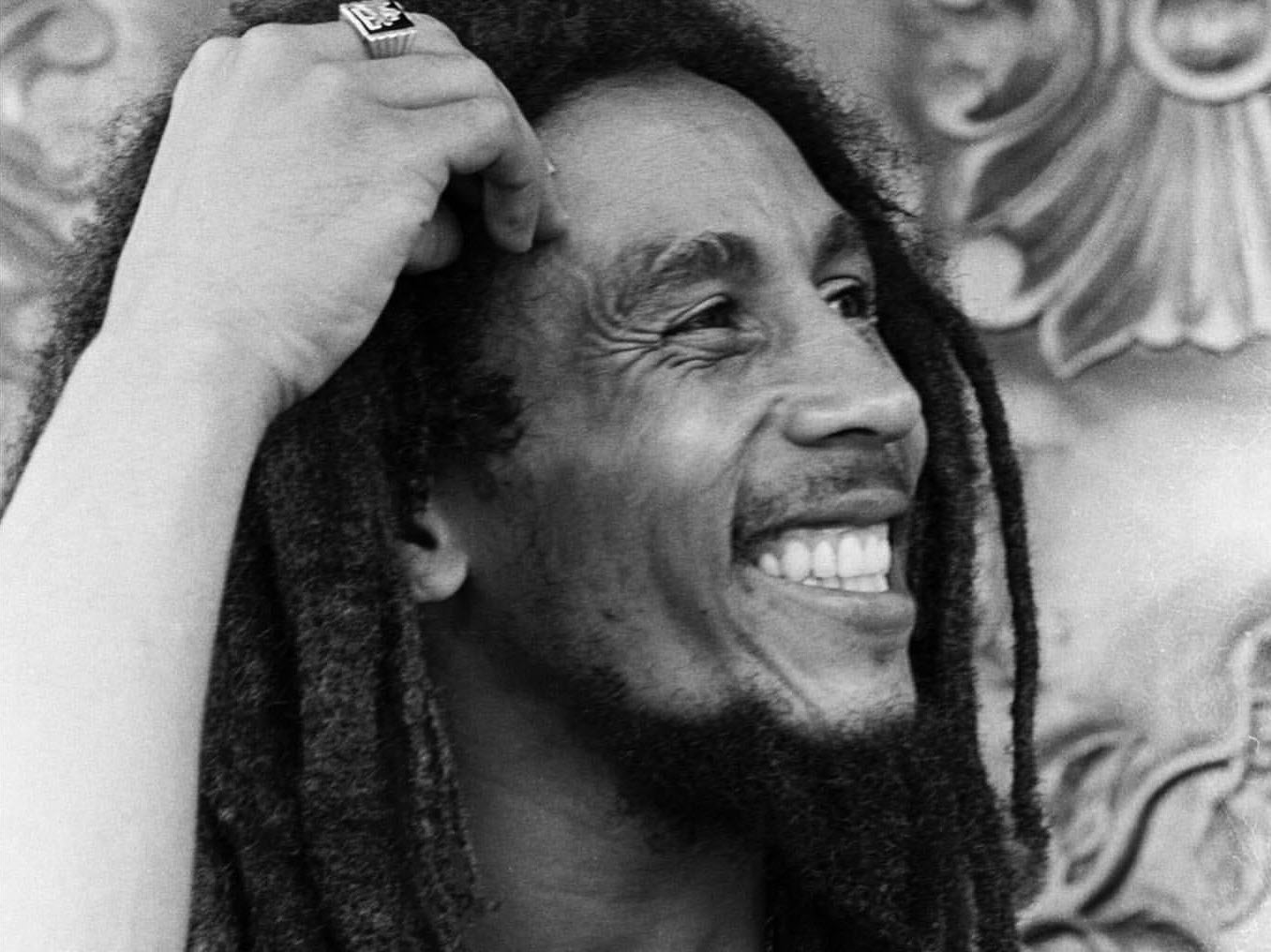
Few artists have left a mark on the world quite like Bob Marley. The Jamaican reggae legend wasn’t just a musician—he was a revolutionary voice, a cultural icon, and a messenger of peace, love, and resistance. With his signature dreadlocks, soulful voice, and messages of unity and empowerment, Marley transcended genre and geography, bringing reggae from the streets of Kingston to the global stage. His music continues to inspire generations, decades after his untimely passing in 1981. But what are the songs that define his legacy? What tracks have stood the test of time, resonating with fans from all walks of life?
In this definitive list, we count down the Top 10 Most Popular Bob Marley Songs of All Time—the anthems that made him immortal. From heartfelt ballads to fiery political statements, each song on this list is a chapter in Marley’s story and a soundtrack to the human experience. Whether you’re a lifelong fan or just discovering his music, these tracks showcase the brilliance of a man who believed that music could change the world. So light up your curiosity, turn up the volume, and dive into the timeless soundscape of Bob Marley’s greatest hits.
1. No Woman, No Cry (1974)
First released in 1974 on the Natty Dread album, “No Woman, No Cry” is far more than just a reggae ballad—it’s an emotional time capsule that captures the essence of hope amid struggle. Through poignant lyrics and the warm tones of an organ-laced melody, Bob Marley reflects on life in Trenchtown, a Kingston ghetto where he spent his formative years. The song offers a comforting reminder that hardship is temporary and shared. The refrain “Everything’s gonna be all right” isn’t just a lyric—it’s a promise. While the studio version is touching, the 1975 live performance at London’s Lyceum Theatre transformed the song into something transcendent. Marley’s voice wavers with sincerity, and the crowd’s response gives the recording a communal, almost spiritual energy. This live version helped the song reach iconic status worldwide. Its title, often misunderstood, is a call to strength—“No Woman, Don’t Cry” meaning, “Don’t cry, woman.” It’s a message of resilience and emotional solidarity. To this day, “No Woman, No Cry” stands as one of Marley’s most beloved and universal songs, reminding us that even in moments of despair, there is comfort in memory, music, and shared humanity.
2. Three Little Birds (1977)
Few songs capture the simple beauty of optimism like “Three Little Birds,” released in 1977 on Bob Marley’s Exodus album. With its breezy reggae rhythm and minimalistic yet powerful lyrics, it has become a universal anthem for hope. Marley sings, “Don’t worry about a thing, ’cause every little thing is gonna be all right,” a mantra that feels like a hug to the soul. Whether you’re having a tough day or just need reassurance, this song has a way of lifting spirits. The identity of the three birds has sparked debate—some say they represent peace, others believe they symbolize Marley’s backup singers, or perhaps just the gentle inspiration of nature itself. Whatever the origin, the message is clear: serenity can be found in the simplest things. Marley’s calm, reassuring voice and the song’s light-hearted melody make it endlessly replayable. It’s the kind of tune that people from all walks of life can sing, dance, or just breathe along with. “Three Little Birds” is a reminder that joy doesn’t have to be complicated. In its unassuming grace, it captures the very heart of Marley’s philosophy—peace, positivity, and faith in brighter days.
3. Redemption Song (1980)
“Redemption Song,” released in 1980 on Bob Marley’s final studio album Uprising, is a soul-stirring farewell that distills his message into its purest form. Stripped of the usual reggae rhythms and band arrangements, the track features only Marley’s voice and an acoustic guitar, making it one of the most intimate songs of his career. It’s a powerful, contemplative piece that wrestles with themes of freedom, mortality, and mental liberation. Drawing inspiration from a speech by Pan-Africanist Marcus Garvey, Marley urges listeners to “emancipate yourselves from mental slavery,” a line that has since become an enduring call for consciousness and self-empowerment. The song’s minimalist arrangement leaves nowhere to hide, making the emotional weight of every word hit even harder. “Redemption Song” is not about protest in the traditional sense—it’s about spiritual and psychological freedom. Coming at the end of Marley’s life, as he battled terminal illness, the song also carries a poignant sense of finality. It’s both personal and universal—a meditation on life, legacy, and liberation. To this day, it continues to resonate with generations, transcending genre and geography as one of Marley’s most profound and timeless contributions to music.
4. One Love / People Get Ready (1977)
“One Love / People Get Ready,” released in 1977 on Bob Marley’s landmark Exodus album, is perhaps the most unifying song in his catalogue. It’s a radiant blend of reggae rhythm and gospel soul, built on the foundation of Marley’s earlier ska version from the 1960s. This updated recording incorporates lines from Curtis Mayfield’s “People Get Ready,” seamlessly fusing two spiritual messages into one vibrant anthem. The lyrics call for unity, peace, and togetherness—values that remain just as relevant today. Marley’s delivery is joyful yet urgent, encouraging people from all walks of life to join hands in harmony. The chorus—“One love, one heart, let’s get together and feel all right”—has become a cultural touchstone, recognizable across generations and nations. The song’s jubilant tone, infectious rhythm, and sing-along quality make it more than just music—it’s a movement. It serves as a powerful reminder that despite differences, humanity can be brought together through love. “One Love” is a celebration of shared humanity, and its message of inclusivity and compassion continues to inspire social change and global unity. It’s not just a song—it’s a mission statement for a better world.
5. Buffalo Soldier (1983)
“Buffalo Soldier,” posthumously released in 1983 on Confrontation, stands as one of Bob Marley’s most compelling fusions of history and reggae. Written and recorded during his lifetime, the song tells the story of the African American soldiers who were forcibly conscripted to fight for the U.S. government, often against Native Americans, after being displaced from Africa. Marley uses their struggle as a powerful metaphor for the broader African diaspora and the fight for identity and dignity. Despite its heavy subject matter, the track is musically upbeat and unforgettable, anchored by a catchy chorus with the famous “woy yoy yoy” hook. Marley’s genius lies in his ability to turn such complex, painful history into a song that is both enlightening and immensely listenable. “Buffalo Soldier” blends infectious rhythm with serious reflection, exemplifying how Marley used music not just to entertain, but to educate and raise consciousness. It’s a song that invites listeners to dance, think, and remember. Decades later, it remains a staple in Marley’s legacy and a striking example of how reggae can serve as a vehicle for truth-telling and empowerment. It’s protest music with a pulse, and its message still resonates loud and clear.
6. Jamming (1977)
Released on Exodus in 1977, “Jamming” is one of Bob Marley’s most feel-good tracks—a joyful, celebratory anthem that invites listeners to let loose and embrace the rhythm of life. The song’s title, derived from Jamaican slang for dancing or having a good time, perfectly reflects the vibe. Built around a breezy reggae beat and a smooth, melodic groove, “Jamming” delivers both sonic bliss and lyrical depth. Marley sings not only about having a good time, but about togetherness, love, and the power of music to unify people. “No bullet can stop us now, we neither beg nor will we bow,” he proclaims, adding a defiant political edge beneath the surface joy. The Wailers shine throughout with tight instrumentation that feels both effortless and infectious. There’s a spontaneous, almost live-jam feel, yet the track is perfectly polished. It’s the kind of song that makes people sway in unison, whether in concert, at a backyard party, or on a solo drive with the windows down. More than just a dance tune, “Jamming” is a cultural statement: that joy, freedom, and community are revolutionary acts. In Marley’s hands, good vibes come with a message—and a mission.
7. Stir It Up (1973)
“Stir It Up” is one of Bob Marley’s most sensual and romantic tracks, a slow-burning love song that showcases his softer side. Originally written by Marley in 1967 and popularized by Johnny Nash, the song found its definitive version in 1973 when Marley re-recorded it with The Wailers for their breakthrough album Catch a Fire. With its relaxed groove, smooth guitar lines, and tender lyrics, “Stir It Up” oozes intimacy and warmth. Marley’s voice is gentle yet captivating, coaxing the listener into a mellow state of affection. It’s reggae not as protest or politics, but as pure seduction. Unlike some of his heavier, message-driven songs, this one leans into emotional and physical connection—proof that Marley was as comfortable singing about love as he was about liberation. The instrumentation is tight but unfussy, letting the rhythm breathe and giving the lyrics space to land. “Stir It Up” remains one of Marley’s most beloved tracks, a timeless blend of charm and soul that appeals to romantics across generations. It’s a reminder that love, like music, has the power to soothe, uplift, and connect us at the most human level.
8. I Shot the Sheriff (1973)
Released on the Burnin’ album in 1973, “I Shot the Sheriff” is one of Bob Marley’s most compelling storytelling songs—an enigmatic tale wrapped in reggae rhythm and moral ambiguity. Told from the perspective of a man who admits to shooting the sheriff but denies killing the deputy, the song taps into themes of justice, repression, and resistance. Marley never fully explains the narrator’s motives or guilt, leaving listeners to ponder the deeper meaning behind the confession. The lyrics hint at institutional corruption and the individual’s right to fight back against injustice, making it a subtle yet powerful protest song. Musically, it’s hypnotic, driven by a steady groove, a haunting melody, and Marley’s impassioned vocal delivery. The song became an international hit when Eric Clapton covered it in 1974, bringing Marley’s message to a broader rock audience. However, the original version remains more urgent and emotionally resonant. “I Shot the Sheriff” exemplifies Marley’s genius in blending politics and art—telling a provocative story that keeps people dancing while encouraging them to think. It’s a reggae classic that continues to raise questions and spark debate, proving that protest music can be just as nuanced as it is bold.
9. Exodus (1977)
“Exodus,” the monumental title track from Bob Marley’s 1977 album, is a hypnotic journey of spiritual and political awakening. Written during Marley’s exile in London after an assassination attempt in Jamaica, the song channels his yearning for peace, justice, and a return to African roots. At over seven minutes long, “Exodus” slowly builds momentum, layering bass-heavy grooves, pulsating percussion, and chant-like vocals into a trance-like experience. The refrain—“Movement of Jah people”—is both a literal call to action and a symbolic appeal for collective liberation. It blends the biblical story of the Israelites’ journey out of Egypt with contemporary struggles against oppression, making the track both timeless and timely. Marley’s voice, steady and authoritative, guides listeners through this sonic pilgrimage. Musically, the track is a masterclass in reggae composition: deep, immersive, and unrelenting in its rhythm. The song’s structure, message, and sheer length give it an almost ritualistic feel, as if it were a prayer set to music. “Exodus” isn’t just a song—it’s an anthem of transformation, urging people everywhere to rise up and reclaim their freedom. It stands as one of Marley’s most profound and enduring works.
10. Could You Be Loved (1980)
“Could You Be Loved” is one of Bob Marley’s most vibrant and danceable tracks, released in 1980 on the Uprising album. From the very first note—a rapid-fire guitar riff—it bursts with energy and confidence. A fusion of reggae, funk, and disco, the song reflects Marley’s gift for pushing boundaries while staying true to his roots. On the surface, it’s a catchy love song, but listen closely and you’ll hear a deeper message: one of self-worth, resilience, and the importance of staying true to your identity in a world full of distractions. “Don’t let them fool ya,” Marley warns, anchoring the song’s groove in hard-earned wisdom. The call-and-response background vocals echo Marley’s lines, reinforcing the song’s rhythmic heartbeat and making it instantly memorable. It’s the kind of track that commands movement—on dance floors, in cars, or anywhere music is played. Released in the final year of Marley’s life, “Could You Be Loved” feels like a celebration and a sendoff all at once. It’s a parting gift full of life, joy, and defiance—proof that Marley, even near the end, was still innovating and inspiring. It remains one of reggae’s most beloved anthems.

Samuel Moore is a frequent contributor to Singers Room. Since 2005, Singersroom has been the voice of R&B around the world. Connect with us via social media below.









