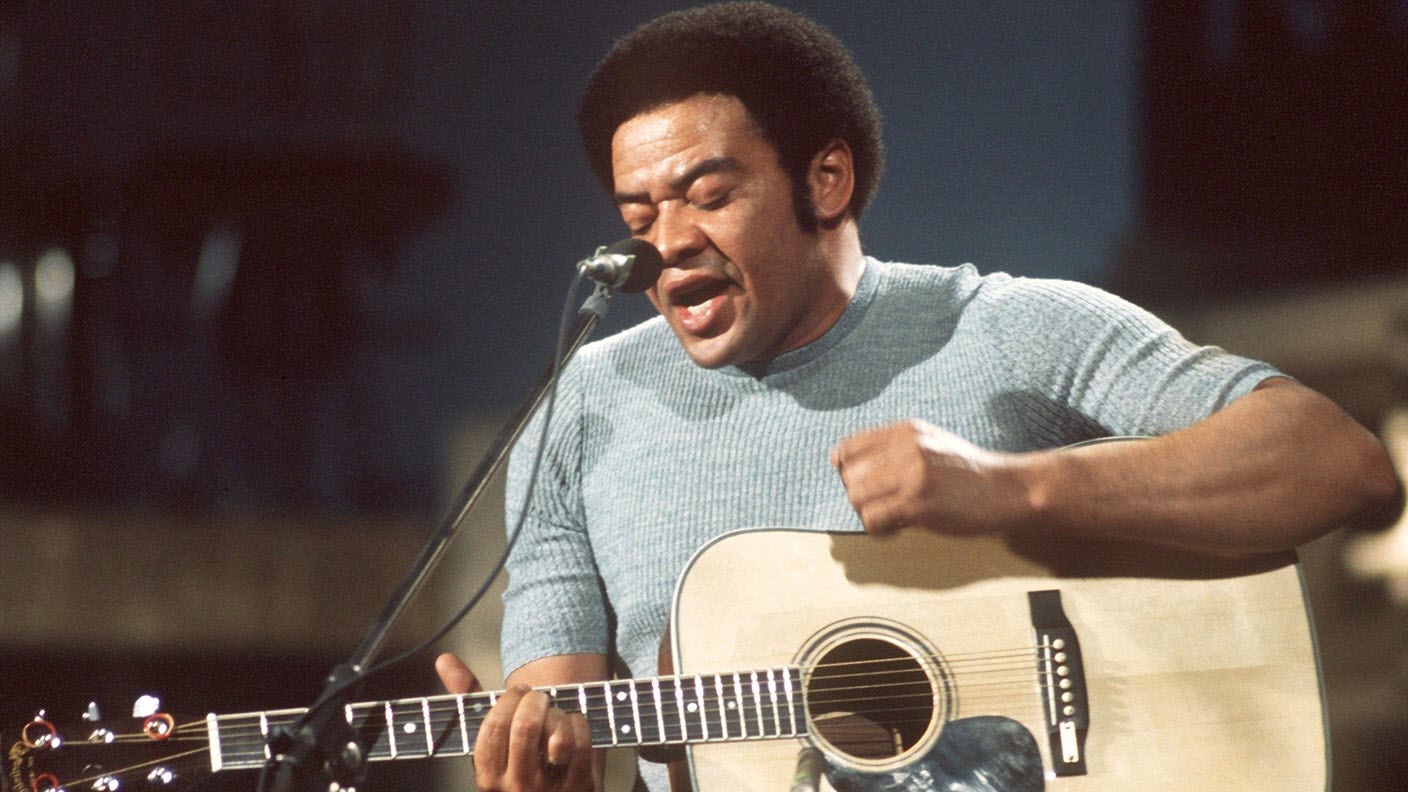
Few artists have managed to capture the raw essence of human emotion quite like Bill Withers. With his soulful voice, heartfelt lyrics, and timeless melodies, Withers created music that transcends generations, making him one of the most beloved singer-songwriters of all time. From tender ballads to groovy anthems, his songs have a way of resonating deeply, offering comfort, inspiration, and joy to listeners around the globe. Whether you’re facing a tough day, basking in the warmth of love, or simply seeking a moment of reflection, Bill Withers always has a song that feels like it was written just for you.
In this article, we’ll take a journey through the top 10 most popular Bill Withers songs of all time. These tracks—which range from chart-topping hits to soul-stirring classics—remain as relevant today as when they were first released. Each one tells a story, painting vivid portraits of life, love, and resilience. So, whether you’re a lifelong fan or discovering his music for the first time, prepare to be captivated by Withers’ unparalleled artistry. Let’s celebrate the legacy of a man whose voice continues to light up the world, one unforgettable song at a time!
1. Ain’t No Sunshine (1971)
Released as part of Bill Withers’ debut album Just As I Am, “Ain’t No Sunshine” is one of the most hauntingly beautiful expressions of loneliness ever recorded. The song is deceptively simple—just a few repeated chords, a string section, and Withers’ deep, emotive voice. But within that simplicity lies an incredible emotional weight. The repeated “I know, I know…” section, famously delivered 26 times, captures the obsessiveness and helplessness of missing someone who’s left. Withers said he left that section repetitive because he couldn’t think of anything else to say—and ironically, that choice made the song unforgettable. The pain in his delivery feels raw and real, as though he’s living the heartbreak in real time. It’s not just about a breakup; it’s about emptiness, absence, and the quiet that follows when someone important is gone. The sparse instrumentation gives his voice all the room it needs to shine. “Ain’t No Sunshine” became an anthem of longing for anyone who has loved and lost. Its legacy has endured for decades, inspiring countless covers across genres. It’s more than a song—it’s a feeling, distilled into three minutes of soul perfection.
2. Lean on Me (1972)
“Lean on Me,” released in 1972 on the album Still Bill, has become one of the most beloved songs of unity, compassion, and friendship in modern music. Inspired by Withers’ upbringing in the close-knit mining town of Slab Fork, West Virginia, the song carries the spirit of a community where people looked after each other. Withers wrote it at a time when he was feeling isolated after moving to Los Angeles, longing for the kind of human connection he grew up with. The song’s simple, piano-based melody allows the lyrics to shine, offering reassurance to anyone in need of a shoulder to cry on. His vocals are warm, steady, and full of empathy—never showy, always sincere. The chorus—“Lean on me, when you’re not strong”—has become a universal message of support. Whether sung at schools, churches, funerals, or political events, “Lean on Me” transcends boundaries. It reminds us that it’s okay to ask for help, and it’s a privilege to be there for someone else. Few songs are so direct and effective in spreading kindness. It’s a timeless anthem of community, love, and shared strength that will never go out of style.
3. Lovely Day (1977)
“Lovely Day,” from the 1977 album Menagerie, is Bill Withers at his most joyful and optimistic. From the first few bars, it’s clear that this is a song designed to brighten even the darkest mornings. The smooth rhythm section, paired with bright horns and synths, creates an effortless groove. Withers’ vocals float above the music with calm assurance, radiating positivity. But what truly sets this track apart is that astounding 18-second vocal sustain on the final “day”—a feat of breath control that remains one of the longest-held notes in pop music history. Yet the song’s power isn’t just technical; it’s emotional. “When I wake up in the morning love, and the sunlight hurts my eyes…” Withers paints a picture of everyday struggles, but then introduces the healing presence of someone who makes everything better. It’s about finding your center and your peace, even in the middle of chaos. The song doesn’t ignore hardship—it transforms it. That’s the genius of Withers: his ability to reflect real life, yet always offer hope. “Lovely Day” isn’t just a song—it’s a vibe, a mantra, a reason to smile no matter what’s happening around you.
4. Use Me (1972)
“Use Me,” featured on the 1972 album Still Bill, is one of Bill Withers’ most provocative and rhythmically infectious tracks. It boldly flips the script on typical love songs by embracing a relationship that might look dysfunctional to outsiders but feels deeply satisfying to the one experiencing it. “My friends feel it’s their appointed duty / They keep trying to tell me all you want to do is use me…” opens the track, introducing a push-and-pull between societal judgment and personal pleasure. The funky electric piano riff and tight, syncopated rhythm section give the song a seductive groove, while Withers’ voice smolders with both confidence and a hint of rebellion. The lyrical honesty is striking—he knows he’s being “used,” but he’s not complaining. There’s power in surrender, especially when it’s done on your own terms. Withers masterfully navigates the gray areas of love, desire, and self-respect. Rather than painting vulnerability as weakness, “Use Me” finds strength in owning one’s choices. It’s a groove-heavy anthem of empowered emotion, wrapped in one of the funkiest basslines of the 1970s. Still fresh and bold today, the song stands as a testament to Withers’ unique blend of soul, storytelling, and swagger.
5. Just the Two of Us (1981)
“Just the Two of Us” is a silky smooth collaboration between Bill Withers and jazz saxophonist Grover Washington Jr., released in 1981. While Washington provided the instrumental brilliance, it’s Withers’ heartfelt vocals that anchor the song. His delivery is gentle, romantic, and full of warmth, perfectly matching the song’s message about building love slowly and meaningfully. The lyrics celebrate the beauty of focusing on a deep connection between two people, shutting out the noise of the world and working together to grow something real. Withers sings, “We can make it if we try,” with a quiet optimism that feels honest, never forced. The instrumentation—lush with saxophone, mellow keys, and a soft groove—wraps the listener in a cozy, late-night vibe. It’s the kind of song that feels just as right at a candlelit dinner as it does on a Sunday morning. “Just the Two of Us” has remained a romantic favorite for generations, covered and sampled by artists across genres. Yet, no one has quite matched the graceful sincerity Withers brought to it. It’s a song about love’s potential when two people are truly committed—and it continues to charm listeners all these years later.
6. Grandma’s Hands (1971)
“Grandma’s Hands,” from Withers’ 1971 debut album Just As I Am, is one of his most personal and touching songs. It’s a brief, tender tribute to the woman who helped shape his values and spiritual life—his grandmother. Through just a few verses, Withers paints a vivid portrait of a loving, God-fearing woman whose hands not only nurtured but also protected and guided. He recalls how her hands clapped in church, comforted him when he cried, and warned troublemakers away. Withers’ voice is soft, full of emotion and reverence, as if he’s reliving each moment as he sings it. The sparse acoustic guitar accompaniment adds to the song’s intimate feel, allowing the listener to focus on every word and every memory. It’s not just a tribute to one person—it’s a broader reflection on the strength and wisdom of Black matriarchs and the spiritual influence they’ve had on generations. “Grandma’s Hands” resonates with anyone who’s known the unconditional love of a grandparent. It’s a humble, heartfelt song, and one of the finest examples of how Withers turned simple stories into timeless music that speaks across cultures and decades.
7. Who Is He (And What Is He to You)? (1972)
From his 1972 album Still Bill, “Who Is He (And What Is He to You)?” is one of Bill Withers’ most intriguing and dramatic songs. It dives deep into the uneasy waters of jealousy, suspicion, and betrayal in a relationship. The narrative unfolds like a scene in a film noir—Withers sees something he wasn’t supposed to see, and the trust between him and his partner begins to unravel. The lyrics are laced with subtle menace, but never overplayed. “I can see that you’re with him,” he sings, his voice calm but charged with underlying tension. The groove is subdued and hypnotic, driven by a tight bassline and understated funk guitar, which builds a sense of quiet urgency. It’s not a song of explosive anger, but one of steady, simmering doubt. Withers captures the internal storm that brews when someone you love suddenly feels like a stranger. His restraint in both the vocal performance and the arrangement makes the song even more powerful—it’s a masterclass in tension and storytelling. “Who Is He” remains a standout in his catalog for its originality and emotional complexity, showcasing another facet of his lyrical genius.
8. Harlem (1971)
“Harlem,” the opening track of Just As I Am (1971), bursts out of the gate with energy, urgency, and a deep sense of place. It’s one of Bill Withers’ most socially conscious songs, painting a vivid picture of everyday life in one of New York City’s most iconic neighborhoods. Withers takes listeners through the streets of Harlem, highlighting the joy, the struggle, and the humanity of its residents. There’s a cinematic quality to the lyrics—people going to work, women in their curlers, children playing—all set against a backdrop of economic hardship and resilience. The arrangement builds steadily, mirroring the movement and noise of city life, and Withers’ vocals rise to match it with grit and soul. He doesn’t sugarcoat the reality, but he doesn’t pity it either. Instead, he honors Harlem’s strength and vibrancy. This song also showed early on that Withers wasn’t just a master of love ballads—he could tell powerful, grounded stories about real people and real places. “Harlem” set the tone for the rest of the album, establishing Withers as an artist who could make music that was personal, political, and poetic all at once.
9. I Can’t Write Left-Handed (1973)
“I Can’t Write Left-Handed,” recorded live in 1973 for Bill Withers Live at Carnegie Hall, is one of his most searing and socially conscious works. Told from the perspective of a young, wounded soldier, the song tackles the Vietnam War with heartbreaking honesty. Withers introduces the song with a brief spoken reflection, then slowly moves into a bluesy, sorrowful performance that unfolds like a monologue. “I can’t write left-handed,” the soldier says, referencing the arm he lost in battle—a chilling metaphor for the costs of war. The song isn’t angry or preachy; it’s weary, mournful, and deeply human. Withers’ delivery is filled with empathy and restraint, avoiding melodrama in favor of letting the story speak for itself. The instrumentation builds gradually, adding to the weight of the soldier’s experience. It’s not just a protest song—it’s a cry for understanding, a snapshot of the physical and emotional toll of war. Few artists could deliver something this raw and vulnerable with such grace. “I Can’t Write Left-Handed” remains a hidden gem in Withers’ catalog and a sobering reminder of the personal stories behind political decisions.
10. Hope She’ll Be Happier (1971)
“Hope She’ll Be Happier,” from Just As I Am (1971), is Bill Withers at his most emotionally exposed. The song is stark in both arrangement and sentiment, featuring little more than a somber keyboard and Withers’ anguished voice. There are no background vocals, no drums, no distractions—just the raw emotion of a man letting go. The lyrics express a deep, painful love that compels him to wish the best for someone who’s left, even if it means they’ll be happier without him. “Maybe the lateness of the hour makes me seem bluer than I am,” he sings with aching vulnerability, trying to maintain dignity while confessing heartbreak. His voice carries the weight of someone who’s trying to be selfless, even as they crumble inside. The minimalism of the arrangement forces the listener to sit with the sadness—there’s nowhere to hide. It’s a soul song in the purest sense, capturing the quiet moments after love fades, when all you can do is hope. “Hope She’ll Be Happier” is a stunning example of Withers’ ability to communicate complex emotions with simplicity and grace. It’s quietly devastating—and unforgettable.

Edward Tomlin is a frequent contributor to Singers Room. Since 2005, Singersroom has been the voice of R&B around the world. Connect with us via social media below.









