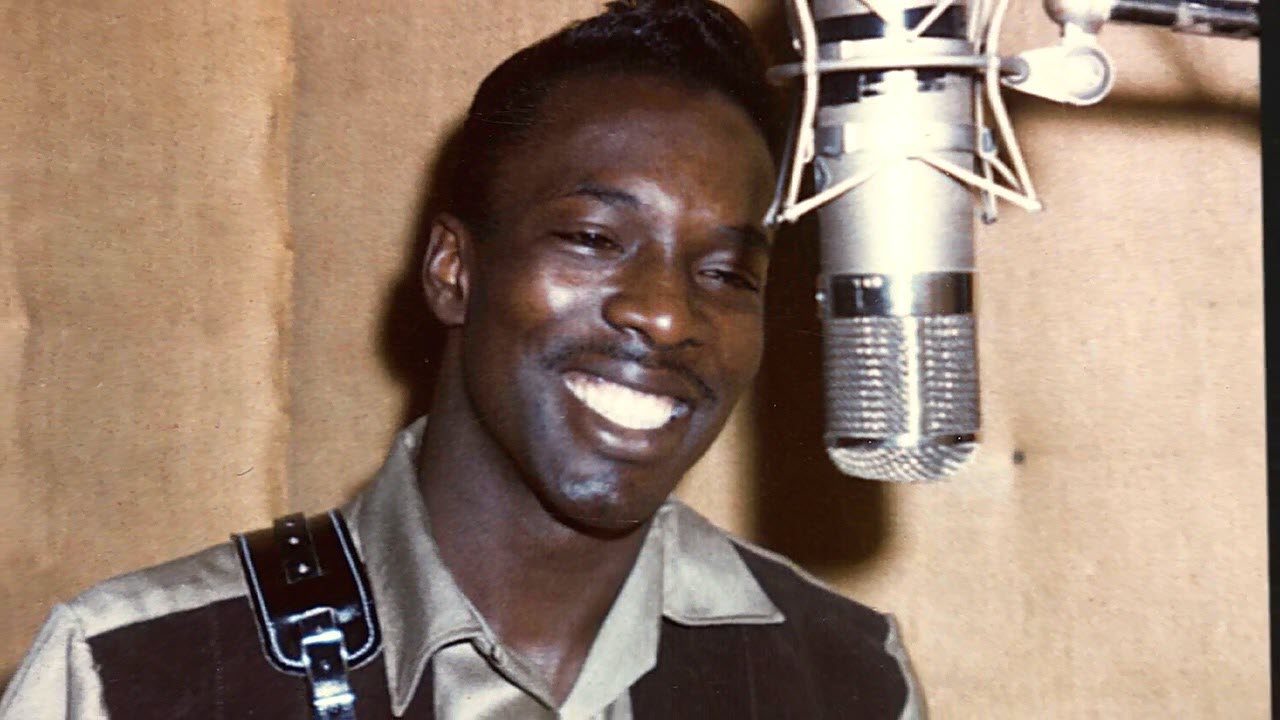
When it comes to soul music legends, few names shine as brightly as Wilson Pickett. Known for his electrifying voice, larger-than-life performances, and raw emotional power, Pickett helped define the sound of 1960s and ’70s soul and R&B. From the gritty streets of Detroit to the hallowed studios of Muscle Shoals, he crafted anthems that still pulse with life today — songs that get your feet moving, your heart pounding, and your spirit soaring. Whether he was belting out a fiery dance track or pouring his heart into a tender ballad, Pickett delivered every note with unmatched passion and authenticity.
Over the course of his remarkable career, Wilson Pickett racked up hit after hit, leaving behind a catalog that remains timeless. His music captured the joys, struggles, and fiery energy of an era, earning him a permanent place in the Rock and Roll Hall of Fame and in the hearts of music lovers everywhere. In this article, we’re counting down the top 10 most popular Wilson Pickett songs of all time — the tracks that made him a legend and continue to inspire new generations. Get ready to dive into the soulful, high-octane world of “The Wicked Pickett” and experience his greatest hits like never before!
1. In the Midnight Hour (1965)
Released in 1965, “In the Midnight Hour” became Wilson Pickett’s signature anthem, solidifying his place in soul music history. Co-written with the legendary Steve Cropper at Stax Studios, the song’s driving rhythm, coupled with Pickett’s fierce, passionate vocals, created an undeniable presence that felt like a surge of raw energy. From the first few beats, it’s clear this isn’t just another soul song — it’s a statement. The irresistible, yearning refrain “wait till the midnight hour” captures the essence of a restless longing that echoes through every word Pickett sings. The track’s infectious groove and emotional urgency instantly turned it into a classic. Not only did it dominate the charts, but it also became a defining moment in the soul genre, influencing countless artists across various genres. It’s a timeless anthem, still radiating that same energy that made it the very heartbeat of 1960s soul, and it remains one of Wilson Pickett’s most iconic tracks to date.
2. Mustang Sally (1966)
Wilson Pickett’s 1966 version of “Mustang Sally” didn’t just make the song a hit — it turned it into a cultural landmark. With a laid-back, funky swagger, Pickett infused the track with an energy that was both infectious and timeless. Originally written by Mack Rice, “Mustang Sally” tells the story of a woman and her Mustang, but Pickett’s performance transforms it into an anthem of freedom and independence. The song’s catchy “Ride, Sally, ride!” hook, along with its call-and-response vocals, became instantly recognizable and set the stage for it to dominate parties and radio stations alike. Pickett’s vocal delivery oozes with confidence and charm, making the song impossible to resist. With its infectious groove and energetic vibe, “Mustang Sally” became a cornerstone of 1960s soul and remains a quintessential party anthem today. It’s not just a song about a car — it’s a celebration of independence, fun, and living life on your own terms, and it continues to captivate listeners all these years later.
3. Land of 1000 Dances (1966)
When Wilson Pickett took on “Land of 1000 Dances” in 1966, he didn’t just cover the song; he unleashed it with a burst of energy and power that became unforgettable. The track kicks off with the iconic “na-na-na-na” chant, and from there, it’s a whirlwind of infectious energy that pushes you to the dance floor. Backed by the legendary Muscle Shoals rhythm section, Pickett’s electrifying vocals blend seamlessly with the upbeat, driving rhythm, creating a track that captures the wild spirit of the 1960s soul and R&B scenes. The song is a celebration of movement and joy, a musical journey through the various dance crazes of the time, and Pickett’s raw, charismatic delivery makes it feel like a call to action. With its unstoppable energy and anthemic vibe, “Land of 1000 Dances” became a dancefloor anthem and one of Pickett’s defining moments. It remains one of the best examples of 1960s soul, capturing the essence of its time and making it just as exciting today as it was when it first hit the airwaves.
4. Don’t Let the Green Grass Fool You (1971)
Released in 1971, “Don’t Let the Green Grass Fool You” showed a new, more polished side of Wilson Pickett while retaining his signature soulful grit. The track is laid-back, yet punchy, with a smooth groove that contrasts perfectly with the underlying message of caution. With Pickett’s voice carrying both a playful and urgent tone, the song acts as a sly warning against chasing false illusions. There’s a sense of confidence in his delivery, but also a hint of vulnerability, making the track feel deeply personal. The rhythm section’s laid-back groove adds to the song’s cool, almost jazzy feel, while Pickett’s emotive vocals take center stage. “Don’t Let the Green Grass Fool You” marked a moment of growth in Pickett’s career, showcasing his ability to evolve while still maintaining the heart and soul that made him a legend. It’s a gem from the later part of his career that proved Pickett could still bring it, both as a storyteller and as a soulful performer.
5. Funky Broadway (1967)
In 1967, Wilson Pickett took Arlester “Dyke” Christian’s “Funky Broadway” and turned it into a cultural revolution. Pickett’s version not only became a hit but also became the first chart-topping song to use the word “funky,” forever cementing its place in soul music history. With a gritty, infectious groove, the song paints a vivid picture of urban nightlife, capturing the grit and excitement of the streets. Pickett’s vocals, full of streetwise swagger, are a perfect match for the infectious rhythm, and the song’s relentless beat makes it impossible not to move. It was a groundbreaking moment in soul music, as “Funky Broadway” laid the groundwork for the funk explosion that would follow in the years to come. Pickett’s performance is full of energy and flair, making the song an instant classic. With its punchy horns, dynamic rhythm, and Pickett’s powerful voice, “Funky Broadway” became a defining track in the evolution of soul and funk, and its influence can still be felt today.
6. 634-5789 (Soulsville, U.S.A.) (1966)
“634-5789 (Soulsville, U.S.A.)” is Wilson Pickett at his most charming, playful, and direct. Released in 1966, this track featured Pickett offering his phone number to lonely hearts everywhere, turning a simple concept into a soul classic. Pickett’s voice is full of warmth and charisma, and he delivers the song’s playful lyrics with a perfect balance of confidence and charm. Backed by Booker T. & the MG’s and the Memphis Horns, the track has an effortless groove that blends perfectly with Pickett’s energetic vocal delivery. It’s a feel-good, infectious track that radiates joy and connection, and it quickly became a staple of mid-60s soul. The playful nature of the song, paired with its smooth yet driving rhythm, makes it a timeless example of Pickett’s ability to connect with his audience. “634-5789” remains one of his most beloved tracks, a true slice of 1960s soul that still sounds fresh and vibrant today.
7. Hey Jude (1969)
Wilson Pickett’s 1969 cover of The Beatles’ “Hey Jude” is a thunderous, soul-stirring interpretation of a pop classic. Recorded at Fame Studios in Muscle Shoals, Pickett completely transformed the song, turning its gentle build into an explosive, gospel-infused anthem. Rather than the soft, gradual build of the original, Pickett dives right in with passion and intensity from the very first note. His raw, emotional vocals soar, full of urgency and power. The addition of Duane Allman’s fiery guitar licks only enhances the song’s intensity, creating a version of “Hey Jude” that’s both cathartic and transformative. Pickett’s version captures the emotional weight of the original, but it’s infused with a soul and intensity that makes it uniquely his. Many listeners even argue that Pickett’s cover surpasses The Beatles’ original in terms of raw feeling and energy. It’s a masterful interpretation, showcasing Pickett’s ability to take a well-known song and make it his own.
8. I’m in Love (1967)
“I’m in Love,” released in 1967, showcased a softer, more vulnerable side of Wilson Pickett, proving that he wasn’t just a powerhouse of soul but a skilled balladeer as well. Written by Bobby Womack, the track is a tender confession of devotion, and Pickett delivers it with remarkable emotional depth. His voice shifts between soaring highs and tender lows, capturing the true essence of the song’s sentiment. The slow, lush arrangement lets Pickett’s vocals take center stage, and his ability to convey genuine feeling shines through in every line. “I’m in Love” stands out in Pickett’s catalog as a moment of emotional vulnerability, and it demonstrates that his soulful delivery could move hearts as easily as it could get feet moving on the dance floor. The song remains a standout example of Pickett’s versatility and his ability to capture the full range of human emotion in his music.
9. Engine Number 9 (1970)
“Engine Number 9,” released in 1970, captures Wilson Pickett at the crossroads of classic soul and emerging funk. The track is a high-energy rollercoaster, with its chugging rhythm and blazing horns that match the desperation of its theme: a man chasing after his lover. Pickett’s powerhouse vocals give the track an urgency that feels like a runaway train, perfectly complementing the song’s intense, funk-driven rhythm. The track’s hard-hitting sound bridges the gap between the soul of the 1960s and the funk revolution of the 1970s, showing that Pickett was at the forefront of the musical evolution. It’s a dynamic, electric song, with a driving beat and an unforgettable performance from Pickett that makes it one of the standout tracks of his later career.
10. Ninety-Nine and a Half (Won’t Do) (1966)
“Ninety-Nine and a Half (Won’t Do),” released in 1966, is one of Wilson Pickett’s most passionate and fiery tracks. It’s a soul anthem that captures Pickett at his most commanding, as he demands complete commitment in love. The song’s driving rhythm, punchy horns, and Pickett’s pleading, raw vocals create a sense of urgency that’s impossible to ignore. The intensity of his delivery — a raw, desperate plea for “a hundred percent” — is perfectly matched by the song’s relentless beat. This track doesn’t just capture the fire of love; it amplifies it, giving listeners an electrifying experience from start to finish. “Ninety-Nine and a Half” is a perfect example of Pickett’s ability to combine soul, passion, and energy into a song that stands the test of time. It’s a soul classic, full of grit and emotion, and it remains one of the most powerful tracks in his catalog.

Samuel Moore is a frequent contributor to Singers Room. Since 2005, Singersroom has been the voice of R&B around the world. Connect with us via social media below.









