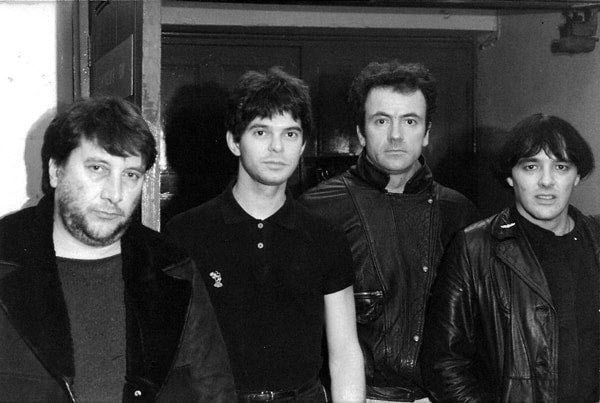
Few bands have left as undeniable a mark on the music world as The Stranglers. Emerging from the vibrant punk scene of the late 1970s, this iconic UK band carved out a sound that defied genres, blending punk, new wave, and experimental rock with raw, unapologetic energy. With their enigmatic lyrics, dark melodies, and bold attitude, The Stranglers created a catalog of songs that continues to resonate with fans across generations.
From their early days of snarling rebellion to their later ventures into more polished, introspective territory, The Stranglers have consistently pushed boundaries while staying true to their unmistakable style. Whether it’s anthems of defiance, brooding ballads, or hypnotic rhythms, their songs capture a spirit that is equal parts gritty and poetic.
In this article, we’ll dive into the top 10 most popular tracks from their prolific career. These are the songs that have stood the test of time, earning a place in the hearts of fans and on playlists around the world. So crank up the volume and join us as we explore the unforgettable hits that define The Stranglers’ legacy, proving once again why they remain one of the most influential bands in music history!
1. Golden Brown (1981)
“Golden Brown” is without a doubt The Stranglers’ most iconic and enduring track, a song that has mystified and mesmerized listeners since its release in 1981. What sets it apart is its unique blend of harpsichord-driven melody, waltz-like time signature, and cryptic lyrics that have sparked endless debate. Some hear a poetic tribute to heroin, while others interpret it as a bittersweet reflection on a fleeting romantic encounter. That ambiguity is part of its charm—it invites you in but never fully reveals itself. Musically, it’s a rich tapestry that defies genre labels, sounding like something from another time and place, yet completely modern in its execution. The hypnotic rhythm, combined with Hugh Cornwell’s almost detached vocal delivery, creates an otherworldly listening experience that’s impossible to forget. It’s no surprise the song reached the Top 10 in the UK and remains a favorite not just among Stranglers fans, but music lovers in general. “Golden Brown” isn’t just a song—it’s a mood, a mystery, and a musical puzzle that continues to captivate audiences over four decades later.
2. No More Heroes (1977)
“No More Heroes” is a searing anthem that perfectly captures the frustration and disillusionment of the late 1970s. Released at the height of the punk explosion in 1977, the track is a snarling, aggressive take on the idea that our cultural and political icons are nothing more than myths. With lines that name-drop historical and pop culture figures, The Stranglers make it clear that they’re not here to worship the past—they’re here to burn it down. Musically, the song is driven by Jean-Jacques Burnel’s thunderous bassline and Dave Greenfield’s swirling keys, with Hugh Cornwell’s cutting vocal delivery tying it all together. It’s confrontational, bold, and pulsing with raw energy, embodying the rebellious spirit of punk while still sounding musically sophisticated. “No More Heroes” wasn’t just a hit—it was a manifesto, a line in the sand that declared The Stranglers were playing by their own rules. It quickly became a staple of their live performances and remains one of their most powerful songs, a track that dares to question the myth-making machine and the idols it produces.
3. Peaches (1977)
“Peaches” is a cheeky, swaggering slice of summer rebellion that cemented The Stranglers’ reputation as provocateurs when it dropped in 1977. The track oozes attitude, with its reggae-influenced rhythm and unapologetically provocative lyrics sparking controversy—and attention—from day one. Beneath the surface-level bravado and beachside imagery lies a subtle critique of objectification and masculinity, delivered with just enough irony to keep listeners guessing. Jean-Jacques Burnel’s iconic bassline leads the charge, giving the song its unmistakable groove, while Hugh Cornwell’s deadpan vocal style adds a layer of sly humor. “Peaches” walks the fine line between playful and edgy, and that’s exactly what made it so unforgettable. It was banned by the BBC, which of course only added to its allure, turning it into something of a forbidden anthem for youth culture. Even decades later, it retains its rebellious charm and remains a summer playlist staple, radiating that laid-back, sun-drenched vibe with a smirk. It’s a perfect example of how The Stranglers could combine punk energy with unexpected musical influences—and still keep you dancing.
4. Always the Sun (1986)
When “Always the Sun” was released in 1986, it marked a noticeable shift in The Stranglers’ sound—a more melodic, reflective direction that showcased the band’s evolving musical maturity. Gone were the snarling vocals and rapid-fire riffs of their punk roots, replaced with a smooth, contemplative tone that revealed a softer, more introspective side. Built around a glowing, sun-kissed melody, the track radiates warmth and longing, with lyrics that touch on existential uncertainty and the constant search for light in life’s darker moments. It’s a song that questions why good things seem to slip away while we’re busy trying to hold onto them. There’s a quiet melancholy running just beneath the surface, wrapped in optimism and framed by Dave Greenfield’s atmospheric keyboards. It resonated deeply with fans then, and continues to do so today—perhaps even more in a world that often feels uncertain. “Always the Sun” proved that The Stranglers were capable of evolution without losing their edge, crafting a song that’s both beautiful and emotionally complex. It remains a beloved staple in their catalog, the kind of track that sticks with you long after the final note.
5. Strange Little Girl (1982)
“Strange Little Girl” is a haunting, bittersweet gem that showcases The Stranglers’ ability to tell emotionally rich stories through minimalist, elegant arrangements. Although originally written in 1974, the song wasn’t released until 1982, and by then, it felt like the band had grown into its depth and nuance. The track tells the quiet story of a girl navigating an unforgiving world, and there’s a real sense of vulnerability in both the lyrics and the music. Unlike their more aggressive early work, this song feels airy and dreamlike, with gentle instrumentation that draws you in rather than overwhelms. Hugh Cornwell’s understated vocals perfectly match the song’s mood, giving the central character a sense of dignity amidst the uncertainty. There’s something timeless about the narrative—it’s not just about one girl, but a reflection of anyone trying to find their place. “Strange Little Girl” revealed a different side of The Stranglers, one that wasn’t afraid to explore sensitivity and storytelling with subtlety. It’s a testament to the band’s versatility and willingness to go where the song needed to go, even if that meant stepping away from punk ferocity and embracing a more delicate, emotional palette.
6. Skin Deep (1984)
“Skin Deep,” released in 1984, marks a sleek, refined chapter in The Stranglers’ ever-evolving sound. This track is all about polish and subtle sophistication, both musically and thematically. Moving away from the raw energy of their earlier punk anthems, “Skin Deep” dives into more introspective territory—exploring the fragile façades people wear and the pain that can lie beneath a well-crafted surface. With its shimmering synths, smooth bassline, and moody ambiance, the song taps into a kind of cool detachment that still manages to feel emotionally resonant. Lyrically, it’s sharp, almost cold at times, but that’s precisely the point—it’s about appearances, illusions, and the danger of taking things at face value. Hugh Cornwell’s vocals are more restrained here, reflecting the song’s message with a calm, almost clinical delivery that underscores the emotional distance being described. It was a commercial success and a clear sign that The Stranglers could adapt with the times without losing their identity. “Skin Deep” is elegant and haunting, a track that lingers in your mind and proves that even punk legends can pull off sleek and stylish without compromising their edge.
7. Something Better Change (1977)
If there’s a single song that captures the raw urgency of The Stranglers’ punk spirit, it’s “Something Better Change.” Released in 1977, right in the thick of Britain’s punk explosion, this track is a rallying cry for upheaval—both personal and political. The title says it all: things are broken, and the time for sitting quietly has passed. From the opening beat, it’s all adrenaline and defiance, with a relentless rhythm that grabs you by the collar and doesn’t let go. Hugh Cornwell’s vocals sound like a warning, an exasperated shout directed at anyone refusing to wake up and take action. Jean-Jacques Burnel’s bass pulses like a heartbeat, while Dave Greenfield’s keyboards add a layer of manic tension. The song doesn’t just ask for change—it demands it. It’s this sense of immediacy that made it such a staple of the band’s live performances and a fan favorite to this day. “Something Better Change” embodies the spirit of punk not just in sound, but in purpose. It’s a song that doesn’t age because, truthfully, its message is still as relevant now as it was then.
8. Duchess (1979)
“Duchess,” released in 1979, is a brilliantly melodic track that blends charm, satire, and a touch of grandeur—all in under three minutes. With its almost regal-sounding arrangement and sing-along chorus, it might at first come off as playful or light, but there’s a sharp wit hiding beneath the surface. The lyrics gently mock the British class system and the pomp of public figures, wrapped in a tune that’s as catchy as it is clever. The baroque feel of the keyboard lines gives the song an old-world elegance, while Burnel’s bass keeps it firmly grounded in the post-punk grit of the late ‘70s. What’s striking about “Duchess” is how it manages to satirize with a smile—you’re humming along even as the band delivers pointed cultural commentary. It shows just how skilled The Stranglers were at walking that fine line between accessibility and subversion. “Duchess” isn’t just a fun listen; it’s smart, layered, and full of personality. A standout in their discography, it reminds us that rebellion can be graceful, and criticism can come wrapped in the most unexpected package—a perfect pop song.
9. 5 Minutes (1978)
“5 Minutes” is pure, unapologetic aggression—a burst of raw energy that grabs you from the first note and doesn’t let up. Released in 1978, this track stands out as one of The Stranglers’ darkest and most intense offerings, both musically and lyrically. The song tells a grim, almost cinematic story of urban violence and rage, delivered with a kind of cold precision that’s both chilling and captivating. The opening bass riff hits like a punch in the gut, setting the tone for what’s to come: a no-holds-barred punk assault that feels urgent and confrontational. Hugh Cornwell’s vocals are sharp, almost barked, and filled with controlled fury, while the band behind him churns out a relentless rhythm that mirrors the chaos of the narrative. “5 Minutes” isn’t a song that asks you to sit back and enjoy—it dares you to confront discomfort head-on. It’s gritty, it’s honest, and it doesn’t sugarcoat the realities it’s describing. This track is a perfect example of The Stranglers at their most uncompromising, using their music as a weapon to expose the darker corners of society. It’s not pretty, but it’s powerful—and unforgettable.
10. Walk On By (1978)
When The Stranglers released their cover of “Walk On By” in 1978, they didn’t just reinterpret a classic—they completely reimagined it. Originally a sleek, melancholy ballad by Burt Bacharach and Hal David, the song gets transformed into a sprawling, seven-minute sonic journey filled with brooding atmosphere and dramatic instrumental passages. The Stranglers’ version is layered with their signature sound: Burnel’s pulsing bass, Greenfield’s swirling, gothic keyboards, and a haunting vocal performance by Hugh Cornwell that gives the lyrics an entirely new emotional weight. Instead of playing it safe with a straightforward cover, the band stretches the track out, letting it build, twist, and transform into something almost psychedelic in its intensity. It’s moody and cinematic, taking a simple message of heartbreak and turning it into a deep, immersive experience. The organ solos alone could stand as their own piece of music—dark, mysterious, and completely mesmerizing. “Walk On By” proved The Stranglers weren’t just punk provocateurs; they were capable of reinterpretation and reinvention at the highest level. It remains one of the most creative and bold covers ever recorded, and a standout moment in their catalog.

Edward Tomlin is a frequent contributor to Singers Room. Since 2005, Singersroom has been the voice of R&B around the world. Connect with us via social media below.







