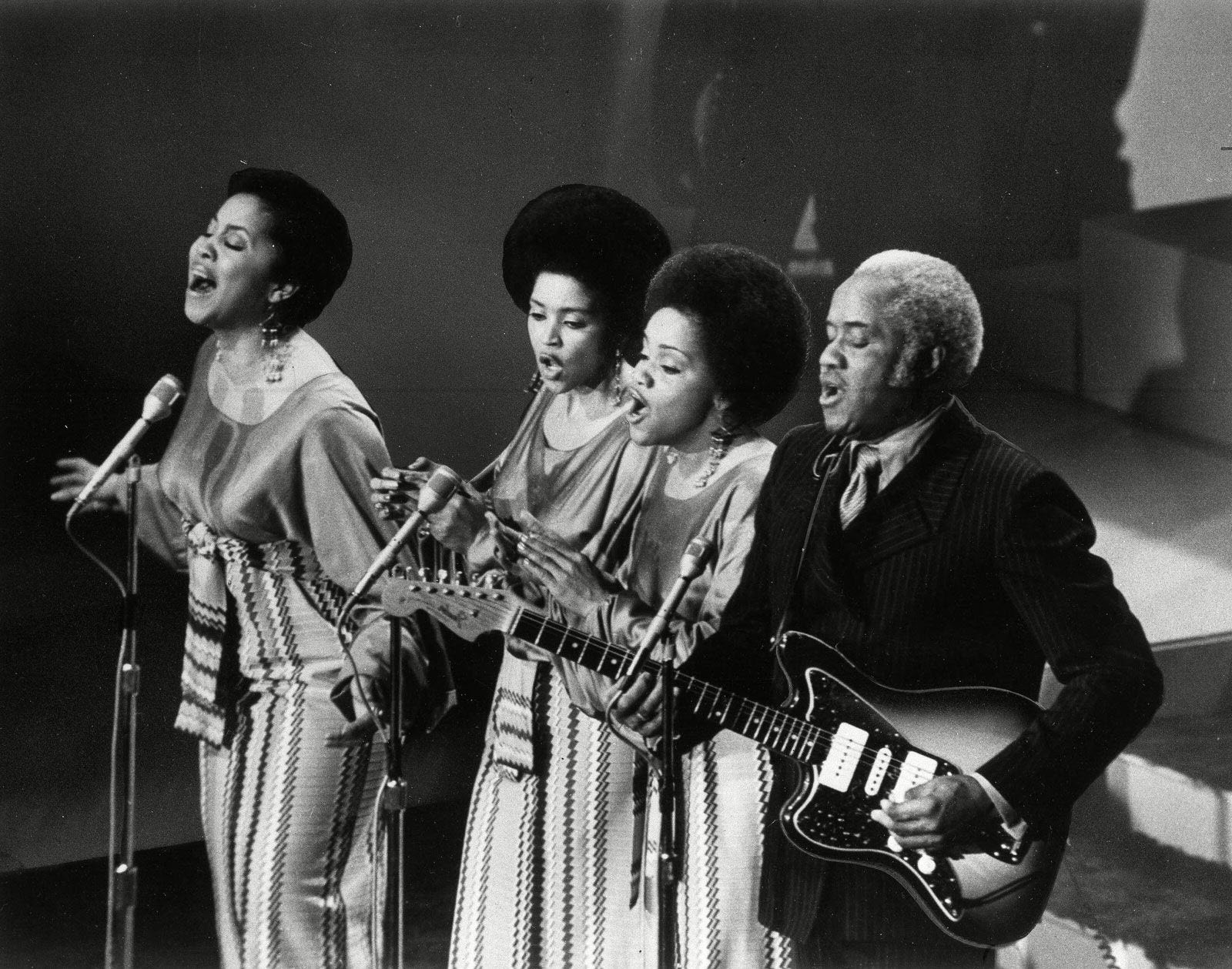
The Staple Singers are more than just a legendary family band—they’re a cornerstone of American music history. Emerging in the 1950s and rising to prominence in the 1960s and 70s, this iconic group blended gospel, soul, and R&B into a sound that was as uplifting as it was revolutionary. With their stirring harmonies, Pops Staples’ signature guitar riffs, and Mavis Staples’ powerhouse vocals, The Staple Singers became a voice of hope and empowerment during the Civil Rights Movement. Their songs carried messages of love, faith, and social justice that resonated with millions and remain timeless to this day.
In this article, we’ll explore the top 10 most popular songs by The Staple Singers—a celebration of their greatest hits and enduring impact. From soulful anthems that topped the charts to spiritual ballads that touched hearts around the world, these tracks showcase their unmatched artistry and ability to inspire. Whether you’re a lifelong fan or discovering their music for the first time, this list will take you on a journey through some of their most unforgettable masterpieces. Get ready to groove, reflect, and sing along as we dive into the best of The Staple Singers—because their music is as vital now as it was then!
1. “I’ll Take You There” (1972)
“I’ll Take You There” stands as one of The Staple Singers’ most iconic songs, a shining beacon of hope and unity. Released in 1972 on their Be Altitude: Respect Yourself album, the track quickly soared to No. 1 on the Billboard Hot 100, and it’s easy to hear why. Anchored by a smooth, reggae-tinged bassline and wrapped in Mavis Staples’ powerful, soul-stirring vocals, the song invites listeners to imagine a better world — one built on love, peace, and togetherness. The infectious call-and-response format pulls you right into the experience, making you feel like you’re on that journey too. Its joyful, almost hypnotic groove is irresistible, encouraging dancing, reflection, or both at once. Despite being released decades ago, its message still feels just as relevant today. Whether you’re feeling lost or uplifted, “I’ll Take You There” offers a promise: a safe space filled with love and acceptance. It’s a testament to the Staple Singers’ unique ability to blend gospel, soul, and pop in a way that transcends boundaries and generations. It’s not just a song — it’s an invitation, and one we should all be grateful they extended.
2. “Respect Yourself” (1971)
When “Respect Yourself” hit the airwaves in 1971, it wasn’t just a song — it was a statement. Written by Luther Ingram and Mack Rice, and delivered with power by The Staple Singers, the track quickly became a rallying cry for self-respect and dignity during a time when America was wrestling with deep social change. Set to a funky, infectious groove and layered with rich gospel harmonies, the song urges individuals to take ownership of their actions and worth. Its lyrics are straightforward, almost sermon-like: if you don’t respect yourself, how can you expect anyone else to? That simple but profound message crossed racial, cultural, and generational lines, resonating deeply with audiences everywhere. Mavis Staples’ vocal performance gives the song an extra layer of conviction, making each line feel personal and urgent. “Respect Yourself” isn’t just a historical relic from the civil rights era — it’s a timeless anthem that still speaks to today’s struggles for equality, self-worth, and empowerment. It’s music that moves your feet and stirs your soul, all while reminding you of the power that lies within.
3. “If You’re Ready (Come Go with Me)” (1973)
“If You’re Ready (Come Go with Me)” is pure musical sunshine. Released in 1973, this uplifting track invites listeners to leave behind negativity and embrace a spirit of love, unity, and forward movement. From the first few bars, the song exudes warmth — its lively tempo, buoyant rhythm, and radiant harmonies create a feeling of unshakeable optimism. The Staple Singers, with Mavis Staples leading the charge, deliver the lyrics like a heartfelt invitation to a better life: a place where people walk together, free from hate and fear. This message was particularly resonant in the early ’70s, but it still rings true today. Musically, the track blends the group’s gospel roots with a more contemporary soul and R&B vibe, striking a balance between reverence and accessibility. “If You’re Ready” became a Top 10 hit on both the R&B and pop charts, showcasing the group’s universal appeal. It’s the kind of song that makes you want to smile at strangers and dance in your living room — and maybe, just maybe, believe a little more deeply in the good that can exist when we come together.
4. “Let’s Do It Again” (1975)
When The Staple Singers teamed up with the legendary Curtis Mayfield for “Let’s Do It Again” in 1975, magic happened. Crafted for the soundtrack of the film of the same name, the song marked a bold shift for the group, moving from their gospel-heavy roots into smooth, sensual soul. And it worked — the track shot to No. 1 on the Billboard Hot 100, becoming one of their biggest hits. “Let’s Do It Again” drips with an easygoing, romantic vibe; its silky bassline, lush strings, and gentle percussion wrap around Mavis Staples’ smoky vocals like a warm embrace. It’s playful yet sophisticated, sensual without being explicit. There’s an effortless intimacy in the way the group delivers the song, making it feel personal, almost like you’re eavesdropping on a sweet, private moment. Curtis Mayfield’s production is understated but perfect, allowing the Staple Singers’ natural chemistry and warmth to shine through. “Let’s Do It Again” proved that they could evolve without losing their soul, adding a new, richly textured chapter to their storied career. It’s a slow dance under the stars — timeless, tender, and unforgettable.
5. “Touch a Hand, Make a Friend” (1973)
“Touch a Hand, Make a Friend,” released in 1973, is pure heart wrapped in an irresistible groove. This song captures everything that makes The Staple Singers special — their unwavering belief in human goodness, their gospel-drenched harmonies, and their ability to turn a simple message into a profound anthem. The lyrics are straightforward but powerful: extend a hand, reach out to others, and build community. It’s a call to action, but delivered in a way that feels like a warm hug rather than a lecture. Musically, it’s joyful and upbeat, with a melody that feels like sunlight streaming through a window. The group’s vocal blend is on full display here, each voice lifting and supporting the others in perfect harmony. In a world that often feels divided and isolated, “Touch a Hand, Make a Friend” remains as relevant as ever, a timeless reminder that sometimes the simplest gestures can create the biggest changes. It’s the kind of song that leaves you smiling a little wider and standing a little taller after you hear it — a true Staple Singers classic.
6. “Heavy Makes You Happy (Sha-Na-Boom Boom)” (1971)
“Heavy Makes You Happy (Sha-Na-Boom Boom)” is one of those songs that feels like pure, unfiltered joy from the first note. Released in 1971, this track captures The Staple Singers at their most playful and uplifting. The lyrics are delightfully simple — a reminder that happiness often comes from the “heavy” things in life, the big, deep, meaningful experiences rather than the surface-level stuff. With its bouncy rhythm, infectious chorus, and a sing-along vibe that’s impossible to resist, the song quickly became a fan favorite. Mavis Staples’ vibrant lead vocals are backed by the group’s signature harmonies, creating a sound that’s both grounded and soaring. There’s a kind of innocence to “Heavy Makes You Happy” that feels refreshing, a celebration of finding joy even when life gets a little heavy. It straddles that beautiful line between gospel exuberance and pop accessibility, proving once again that The Staple Singers knew exactly how to speak to the heart without being heavy-handed. Turn it on when you need a reminder that happiness is still out there — sometimes you just have to sing “sha-na-boom boom” and let it in.
7. “City in the Sky” (1974)
“City in the Sky,” released in 1974, is one of The Staple Singers’ most powerful and spiritually resonant songs. Built around a vision of a heavenly paradise — a “city in the sky” — the song marries gospel roots with a touch of funk and R&B, creating a sound that’s both earthy and ethereal. The lyrics offer hope and refuge, painting vivid images of a place untouched by the troubles of the world below. Mavis Staples’ voice, filled with conviction and warmth, leads the way, supported by lush harmonies that give the track a soaring, almost transcendent feeling. The production is rich and layered without overshadowing the emotional core of the song. There’s a yearning here, but also a confidence — a belief that such a place exists, and that we’re all capable of reaching it, together. “City in the Sky” is both a spiritual anthem and a deeply soulful groove, showing the group’s ability to offer solace and inspiration without preaching. It’s a journey worth taking every time you press play.
8. “This World” (1972)
“This World,” from their 1972 catalog, is a song that feels like a musical pep talk for the soul. The Staple Singers use their blend of gospel and soul to deliver a message that’s as encouraging as it is urgent: we all have a responsibility to make the world a better place. Built around a steady, confident groove and layered with the group’s signature harmonies, “This World” manages to be both a call to action and a source of comfort. The lyrics urge listeners to get involved, to care, to act — but it’s never delivered in a scolding way. Instead, it feels like a wise mentor pulling you aside and giving you the encouragement you need to believe in your own power. Mavis Staples leads with her unmistakable voice, full of grit, soul, and compassion, reminding us that change starts with each of us. In a time of social upheaval, “This World” was a beacon of hope and resilience, and decades later, it still resonates just as deeply. It’s proof that great music doesn’t just entertain — it inspires.
9. “Oh La De Da” (1973)
Released in 1973, “Oh La De Da” is pure, unfiltered fun — a song that invites you to throw your worries aside and just enjoy the ride. Right from the start, it’s clear that The Staple Singers wanted to tap into a lighter, more playful energy here. The lively beat, cheerful horns, and the infectious “Oh la de da!” chorus make it almost impossible not to smile and move along. Yet, even in its playfulness, there’s a deeper thread: a subtle nod to the power of joy and togetherness in a world that often feels heavy. Mavis Staples leads with a twinkle in her voice, and the group’s harmonies are as tight and joyful as ever. “Oh La De Da” isn’t about grand statements or deep introspection — it’s about the magic that happens when people come together, let loose, and celebrate the simple, beautiful act of being alive. It’s the perfect track for dancing around your kitchen, singing with friends, or lifting your spirits when the world feels too serious. A pure delight, through and through.
10. “Be What You Are” (1973)
“Be What You Are,” the title track from their 1973 album, stands as one of The Staple Singers’ most inspiring and heartfelt messages. At its core, the song is an anthem of authenticity — a gentle but firm encouragement to embrace who you are without apology. Mavis Staples delivers the lyrics with such soulful sincerity that you can’t help but feel personally seen and supported. The music itself is classic Staple Singers: a seamless blend of gospel warmth, soulful rhythm, and just the right touch of pop accessibility. The harmonies wrap around the listener like a reassuring embrace, lifting you up and reminding you that you are enough, just as you are. There’s an empowering wisdom in every line, a sense that this song was crafted not just to entertain but to heal. In a world that constantly pressures us to conform, “Be What You Are” is a breath of fresh air — a reminder to stand tall in your own truth. It’s a fitting final note for this list, capturing the spirit of love, strength, and hope that defined The Staple Singers’ remarkable legacy.

Edward Tomlin is a frequent contributor to Singers Room. Since 2005, Singersroom has been the voice of R&B around the world. Connect with us via social media below.









