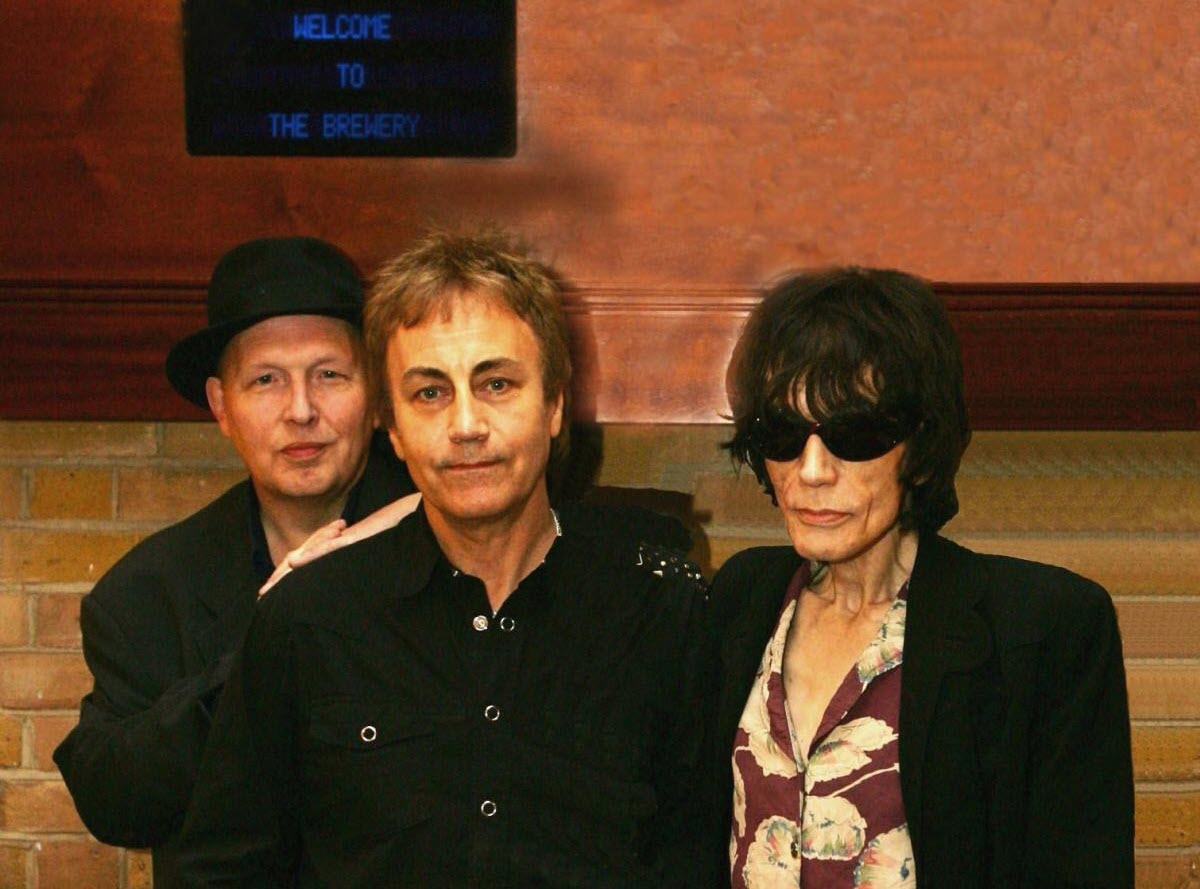
Few bands have captured the raw emotion, eclectic artistry, and sheer brilliance of punk and new wave like The Only Ones. Emerging in the late 1970s, this British band, led by the enigmatic Peter Perrett, carved out a unique space in the music world with their haunting melodies, poetic lyrics, and distinctive blend of rock, punk, and power-pop. Though they were often considered cult favorites, their influence has resonated through generations, inspiring countless musicians and earning them a devoted following.
At the heart of their legacy lies a collection of unforgettable songs—each one a vivid snapshot of their unparalleled talent and emotional depth. From bittersweet ballads to electrifying anthems, The Only Ones have gifted the world with tracks that transcend time, speaking to the rebel spirit and romantic soul within us all.
In this article, we’ll dive into the top ten most popular songs by The Only Ones—the tracks that have defined their career and captured the hearts of fans around the globe. Whether you’re a lifelong admirer or discovering their music for the first time, prepare to be transported by the magic of these timeless classics. Let’s celebrate the brilliance of The Only Ones!
1. Another Girl, Another Planet (1978)
“Another Girl, Another Planet” isn’t just The Only Ones’ best-known song—it’s one of those rare tracks that feels both timeless and emotionally raw, no matter how many times you hear it. Released in 1978 on their debut album, this song captures the electric intensity of falling headfirst into love or obsession, where everything feels chaotic and beautiful all at once. Peter Perrett’s vocals are weary yet romantic, his delivery perfectly balancing cool detachment and heart-on-sleeve vulnerability. The shimmering guitar riffs from John Perry practically soar, adding a sense of urgency and euphoria that matches the song’s lyrical intensity. There’s something irresistibly cinematic about it too—the idea of love feeling like an alien force, something strange and uncontainable. Though its metaphors flirt with sci-fi, the emotional core is pure and relatable: yearning for someone who feels just out of reach. Whether interpreted as a love song, a veiled tale of addiction, or both, it continues to resonate deeply with fans. Over four decades later, “Another Girl, Another Planet” still holds up as a quintessential anthem of longing, perfectly marrying punk energy with romantic melancholy.
2. The Whole of the Law (1978)
“The Whole of the Law” stands as one of the most hauntingly beautiful tracks on The Only Ones’ debut album. From the moment it begins, there’s a quiet intimacy that immediately sets it apart—a gentle, almost fragile melody that wraps itself around Peter Perrett’s trembling, emotionally charged vocals. The lyrics are minimalist but incredibly poetic, touching on themes of devotion, betrayal, and the existential weight of love. There’s an aching honesty in Perrett’s voice that makes it feel like he’s sharing something deeply personal, even confessional. Musically, it’s understated yet powerful. The guitar work is subtle but poignant, weaving in and out of the melody with delicate precision, while the rhythm section holds everything together with a light, steady touch. It’s not loud, fast, or aggressive, but its emotional weight hits hard. What makes “The Whole of the Law” so special is how it delivers vulnerability without losing the band’s signature edge. It’s tender without being soft, melancholic without falling into despair. For fans, it’s one of those songs that lingers long after the last note fades—a whispered secret passed between the band and anyone who’s ever loved too hard, too fast.
3. Out There in the Night (1979)
“Out There in the Night” is the kind of song that feels like it belongs on a late-night drive through dimly lit city streets—moody, restless, and full of anticipation. Released in 1979 on Even Serpents Shine, it represents The Only Ones at their most cinematic. From the first note, the track buzzes with energy, propelled by a sharp, urgent guitar riff that slices through the darkness like a neon sign in the rain. Peter Perrett’s vocals float just above the chaos, narrating scenes of nocturnal wanderings and fleeting encounters with a cool detachment that’s somehow still deeply emotional. Lyrically, it reads like a diary of someone drifting through the night, half chasing something, half running from something else. The production is polished without losing its edge, and the instrumental interplay is as tight as ever—each part of the band pushing the song forward like a pulse. There’s an electricity in the track that captures the thrill and danger of being untethered. “Out There in the Night” is more than just a song about nightlife—it’s a meditation on loneliness, freedom, and the strange beauty of being awake when the rest of the world is asleep.
4. Miles from Nowhere (1979)
“Miles from Nowhere” is a beautifully introspective track that showcases a more contemplative side of The Only Ones. Released on their 1979 album Even Serpents Shine, it feels like a road trip through the mind—one of those rare songs where every lyric carries a kind of quiet gravity. Peter Perrett’s voice is subdued but expressive, delivering lines that feel like journal entries from someone drifting through emotional exile. The song explores feelings of dislocation and existential weariness, painting vivid images of isolation and introspection without ever becoming melodramatic. Musically, the track unfolds at a steady pace, guided by lush guitar layers and a rhythm section that ebbs and flows with subtle dynamics. There’s a real sense of space in the arrangement, allowing the emotion to simmer just beneath the surface. Unlike some of their more raucous tracks, “Miles from Nowhere” doesn’t rush to a climax—instead, it invites you to sit with the feeling, to get lost in it. It’s a song about being adrift, but it finds beauty in that distance. With this track, The Only Ones remind us that sometimes being “nowhere” is exactly where the real revelations happen.
5. Why Don’t You Kill Yourself? (1978)
With a title as provocative as “Why Don’t You Kill Yourself?”, it’s no surprise that this track from The Only Ones’ 1978 debut album turns heads. But behind the blunt phrasing lies one of the band’s most biting and intelligent critiques of modern life. Far from an endorsement of despair, the song is a darkly satirical takedown of the oppressive weight of social expectations and emotional manipulation. Peter Perrett delivers the lyrics with a mix of sarcasm and resignation, his voice laced with a kind of weary defiance. The upbeat tempo and jangly guitar lines create a jarring contrast to the grim-sounding title, making the song feel like a punk-rock wolf in pop clothing. That tension is what gives the track its power—it dances on the edge of cynicism and vulnerability without tipping too far in either direction. The clever wordplay and catchy hooks make it stick in your head, while the deeper message lingers longer. It’s a song that challenges listeners to look beyond appearances and confront the unspoken pressures that drive us. “Why Don’t You Kill Yourself?” is punk in spirit and poetic in execution—angry, honest, and impossible to ignore.
6. Lovers of Today (1977)
“Lovers of Today” is where it all began for The Only Ones—a debut single that didn’t just introduce their sound, but quietly announced that something special was brewing in the late ’70s punk-meets-romanticism underground. Released in 1977, this track is far more than a love song—it’s an emotional exhale. Peter Perrett’s vocals are raw and deeply personal, like someone laying their heart bare with just enough detachment to keep it from falling apart. The instrumentation is sparse but striking, allowing every note and word to land with precision. What’s most powerful here is the vulnerability. There’s no grandstanding or posturing—just a man grappling with the complications of intimacy in a world that often feels indifferent. The lyrics speak to a desire for meaningful connection while simultaneously acknowledging the fear that comes with it. It’s not just the lovers of today he’s singing about—it’s the lovers who never quite figured it out, who keep trying anyway. As a debut, it’s a masterstroke: simple, intimate, and full of longing. It paved the way for the rest of the band’s catalogue and still holds up as a gorgeous portrait of romantic disillusionment wrapped in punk restraint.
7. Someone Who Cares (1979)
“Someone Who Cares” hits that rare emotional sweet spot between sadness and hope, giving voice to the deeply human desire to be seen and understood. Released on Even Serpents Shine in 1979, this song may not have received the same attention as the band’s more high-profile singles, but it’s arguably one of the most touching in their discography. The track opens gently, with a subdued guitar and rhythm that gradually builds as Peter Perrett’s voice enters the mix—vulnerable, honest, and laced with exhaustion. His lyrics aren’t overly poetic or abstract; instead, they’re strikingly real, like confessions whispered into a void. The song is about longing for emotional authenticity, for someone who doesn’t just play the part but genuinely cares. There’s no melodrama—just quiet desperation and a flicker of hope that maybe, just maybe, such a connection is possible. The music remains steady and restrained throughout, allowing the lyrics and vocal delivery to take center stage. It’s a slow burn, but one that leaves a deep mark. “Someone Who Cares” shows that punk wasn’t always about rebellion—it could be about reaching out from the loneliness too.
8. From Here to Eternity (1980)
“From Here to Eternity” is a haunting and beautifully worn-down love song, soaked in sadness and slow-burning regret. Appearing on their third album, Baby’s Got a Gun (1980), the track reflects a more matured, reflective version of The Only Ones—less snarl, more shadow. The pace is deliberate, almost funereal, with soft guitar strums and a melodic undercurrent that feels like a fading memory. Peter Perrett’s voice is weary, hushed, and devastatingly intimate, like someone reminiscing on a love that slipped through their fingers. Lyrically, the song grapples with the idea of permanence—what it means to love someone not just in the moment, but through the changes and the pain, from “here to eternity.” The arrangement is minimal but emotionally rich, allowing each verse to linger like a sigh. There’s something deeply cinematic about it, as though it belongs in the closing credits of a film where nothing resolves neatly. While not as punchy as their earlier work, “From Here to Eternity” is proof that The Only Ones could write with depth and grace. It’s one of those songs you return to when you’re nursing a quiet heartbreak—and it never misses.
9. In Betweens (1978)
“In Betweens” captures the restless spirit of late-’70s disillusionment with an edge of sharp lyrical wit and unrelenting energy. Featured on their 1978 debut, it’s one of those tracks that channels chaos into something strangely cathartic. The song barrels forward with a kinetic rhythm, guitars slashing through the mix with ragged precision. Peter Perrett’s vocals come in cool and clipped, delivering lyrics that toe the line between cryptic and conversational. There’s a feeling of being caught in transition, stuck between places, people, or mindsets—hence the title. It’s about the liminal spaces, the moments where nothing feels solid and you’re just moving to keep from falling apart. The band doesn’t waste a single second—every instrument is locked in, propelling the song toward an inevitable, glorious crash. Lyrically, it’s ambiguous but evocative, painting quick portraits of emotional unease and identity blur. “In Betweens” isn’t meant to soothe—it’s meant to stir you up, shake your certainty. And yet, in its rawness, there’s something unshakably real. It’s one of those deep cuts that fans hold close because it says so much without trying to be profound. It just is.
10. Creature of Doom (1980)
“Creature of Doom” is perhaps one of the most eerie and sonically experimental tracks in The Only Ones’ catalog. Released in 1980 on Baby’s Got a Gun, this song feels like stepping into a dream that’s slowly turning into a nightmare. From the haunting guitar intro to the slow, trudging tempo, everything about it feels intentionally uneasy. Peter Perrett’s vocal delivery is restrained and almost ghost-like, floating above the instrumentation with a detached calm that only makes the lyrics more unsettling. There’s a gothic undertone to the song, both musically and thematically, as it delves into darker emotional territory. The titular “Creature of Doom” could be a metaphor for addiction, depression, or even the lingering specter of past relationships—it’s intentionally ambiguous, which makes it all the more haunting. What sets it apart is how the band pulls back, refusing to explode into energy the way some of their earlier songs did. Instead, they let the darkness simmer, letting every note hang heavy in the air. It’s not a crowd-pleaser—it’s a mood piece. A quiet descent. And for those who appreciate the band’s more shadowy depths, “Creature of Doom” is a powerful, brooding gem.

Edward Tomlin is a frequent contributor to Singers Room. Since 2005, Singersroom has been the voice of R&B around the world. Connect with us via social media below.









