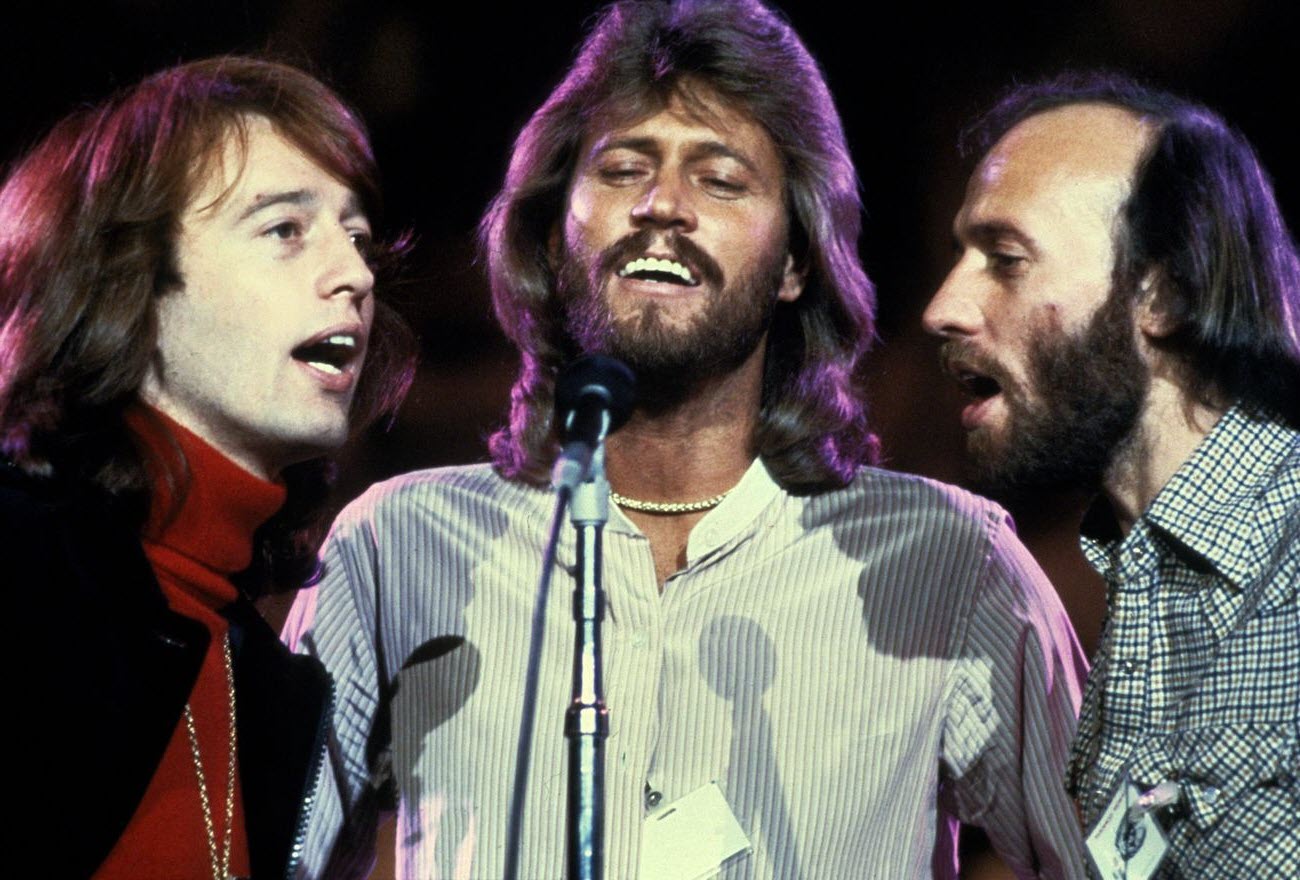
Few bands in music history have left as indelible a mark as The Bee Gees. Known as the “Kings of Disco,” their unmistakable harmonies, infectious rhythms, and poignant lyrics have transcended generations, earning them a place in the pantheon of all-time greats. From soulful ballads to dance-floor anthems, The Bee Gees crafted a sound that defined an era and continues to resonate with listeners worldwide.
This legendary trio—brothers Barry, Robin, and Maurice Gibb—captivated the world with their ability to blend genres, from pop and rock to R&B and disco. Their music not only dominated the charts but also became the soundtrack of countless iconic moments, from romantic serenades to high-energy dance parties. With over 220 million records sold globally, The Bee Gees remain one of the best-selling music acts of all time.
In this article, we revisit their timeless catalog to celebrate the Top 10 most popular Bee Gees songs of all time. Whether you’re a lifelong fan or a newcomer discovering their magic, these tracks will transport you to a world of soaring falsettos, heartfelt storytelling, and irresistible grooves. So, dust off your platforms, hit play, and let’s dive into the unforgettable melodies of The Bee Gees!
1. Stayin’ Alive (1977)
Few songs capture the spirit of an era quite like “Stayin’ Alive.” Released in 1977 as part of the Saturday Night Fever soundtrack, this track quickly became the heartbeat of the disco movement. The Bee Gees managed to craft a song that wasn’t just about dancing—it was about survival, resilience, and defiance in the face of life’s challenges. Barry Gibb’s soaring falsetto, paired with that irresistible bassline, creates a sound that feels both urgent and uplifting. The opening guitar riff is instantly recognizable, a musical shorthand for the entire disco era. “Stayin’ Alive” was more than just a hit; it was a cultural phenomenon. It tapped into the collective spirit of a generation trying to keep moving in a rapidly changing world. Despite being associated with glittering dancefloors and flashy outfits, the lyrics hint at hardship and perseverance, giving the song surprising emotional depth. Over the years, it has remained relevant—not just as a disco relic but as an enduring anthem of strength and vitality. From movies to commercials to countless covers, “Stayin’ Alive” has proven it’s not just about the 1970s; it’s about human spirit across decades.
2. How Deep Is Your Love (1977)
Soft, romantic, and utterly timeless, “How Deep Is Your Love” remains one of The Bee Gees’ most beautiful ballads. Released in 1977 as part of the Saturday Night Fever soundtrack, it showcased a softer, more emotional side of the group at a time when disco ruled the airwaves. The song’s delicate melody, layered with lush harmonies and gentle instrumentation, wraps around you like a warm embrace. Lyrically, it asks a simple but profound question about the depth of commitment in a relationship, making it universally relatable. Barry Gibb’s tender lead vocals, paired with the smooth backing from his brothers, create a sense of vulnerability that resonates with listeners of all ages. “How Deep Is Your Love” wasn’t just a massive commercial success—it became a standard for romantic expression, earning a Grammy Award and critical acclaim. Its influence continues to ripple through generations, with countless artists covering the song or citing it as an inspiration. What makes it truly special is its sincerity: it doesn’t just talk about love; it feels like love. Even decades later, putting on “How Deep Is Your Love” feels like stepping into a moment of pure, timeless affection.
3. Night Fever (1977)
When you think about the glitter and excitement of the disco era, “Night Fever” immediately comes to mind. Released in 1977, this electrifying track is one of the crown jewels of the Saturday Night Fever soundtrack. From the opening notes, “Night Fever” pulls you onto the dancefloor with its hypnotic groove and irresistible rhythm. The Bee Gees’ seamless falsetto harmonies glide over a pulsating beat, capturing the euphoria of a night spent dancing under a mirror ball. The song’s energy is contagious—bright, seductive, and full of life. But beyond its danceable surface, “Night Fever” also encapsulates a particular cultural moment when disco was more than just music; it was a lifestyle. This song became an anthem for late nights, flashing lights, and a sense of liberation that defined the late ’70s. It was a massive commercial success, topping charts around the world and helping to solidify the Bee Gees’ status as disco royalty. Even now, hearing “Night Fever” is like catching a snapshot of a glittering, joyful time—a reminder that sometimes the best way to escape life’s stresses is simply to dance the night away.
4. Tragedy (1979)
“Tragedy” is a dramatic, high-energy masterpiece that shows just how versatile The Bee Gees truly were. Released in 1979, it blends the propulsive energy of disco with rock’s theatrical flair, creating a sound that’s both thrilling and emotionally raw. Right from the dramatic opening synths, “Tragedy” feels intense—almost cinematic. The Bee Gees’ signature falsettos are pushed to new, electrifying heights as they sing about heartache and emotional collapse. The lyrics describe love lost so devastatingly that it becomes a life-altering event, and the band’s dynamic performance brings that sense of overwhelming pain vividly to life. Unlike some of their more romantic ballads, “Tragedy” thrives on urgency, exploding with every chorus in a way that demands attention. It’s no surprise the song became a massive hit, reaching number one on charts around the world. It proved that The Bee Gees could master not just slow-burning romance or infectious dance tracks, but also high-stakes, emotionally charged storytelling. “Tragedy” stands today as one of the Bee Gees’ boldest and most powerful recordings, showing that beneath their shimmering disco polish, there was always a deep well of real feeling.
5. More Than a Woman (1977)
“More Than a Woman,” released in 1977, is one of the Bee Gees’ most tender and elegant love songs—a true standout on the iconic Saturday Night Fever soundtrack. With its smooth groove and heartfelt lyrics, the song captures the feeling of finding someone so special that they transcend everything you thought you knew about love. Musically, it’s pure silk: lush harmonies, a gently swaying rhythm, and a melody that feels like it could float away at any moment. Barry, Robin, and Maurice Gibb create an atmosphere of warmth and devotion that’s impossible to resist. The song celebrates a love that is both grounding and transcendent, painting a portrait of emotional intimacy that feels real and relatable. “More Than a Woman” may not have had the bombastic energy of some of their other hits, but its quiet beauty has given it remarkable staying power. Over the years, it’s been a go-to track for weddings, anniversaries, and any moment where love feels particularly profound. It reminds us that sometimes, the greatest statements aren’t shouted—they’re whispered in perfect harmony. Listening to “More Than a Woman” even today feels like being let in on a beautiful secret.
6. Jive Talkin’ (1975)
“Jive Talkin’” marked a major shift for The Bee Gees, signaling the beginning of their transition into the disco era. Released in 1975, this funky track became an instant hit, breaking new ground both musically and commercially for the group. With its funky bassline, catchy rhythm, and playful lyrics, “Jive Talkin’” was a departure from the more traditional pop ballads they were known for in the early ’70s. It introduced a groovy, upbeat sound that helped pave the way for their later disco dominance. The track’s most memorable feature is its distinct guitar riff, which mimics the vocalized “talkbox” effect that became a defining sound in the ’70s. But the real star of the show is the Gibb brothers’ harmonies, which are as smooth as ever, adding depth to the song’s funky vibe. The song’s lyrics, filled with cheeky lines about deception and playing it cool, gave it a playful and somewhat cheeky energy. “Jive Talkin’” became one of the Bee Gees’ earliest hits in the disco world and helped reshape their image from pop balladeers to kings of dance music. It remains one of the most beloved tracks of their career and a perfect example of their ability to evolve.
7. You Should Be Dancing (1976)
“You Should Be Dancing” is the definition of a dancefloor anthem, a high-energy track that demands you get up and move. Released in 1976, it became an instant disco classic and one of the Bee Gees’ most electrifying songs. From the moment the beat kicks in, the track is pure, infectious energy—its rhythm pulse is irresistible, and its soaring falsettos from the Gibb brothers add that signature touch of magic. Lyrically, the song’s message is simple: it’s all about the energy and joy of dancing. The lyrics encourage listeners to let loose and feel the music, and the music itself does exactly that, making it one of the most effective party songs ever created. What sets “You Should Be Dancing” apart from many other dance tracks is the way it combines a funky, almost hypnotic groove with a powerful, singable hook. This song epitomizes the blissful abandon of the disco era. Its funky basslines, uplifting beats, and energetic vocals transformed it into an international smash hit, topping charts around the world. The track’s enduring popularity speaks to the timeless joy it captures, and its place in music history as one of disco’s ultimate feel-good anthems.
8. To Love Somebody (1967)
One of The Bee Gees’ earliest hits, “To Love Somebody” is a soulful ballad that showcases the group’s lyrical and vocal depth. Released in 1967, the song is a departure from their earlier, more lighthearted pop tunes, introducing a more mature and emotional side. Originally written for the legendary Otis Redding, the Bee Gees’ version became a huge hit in its own right, capturing the heartache and longing that comes with unrequited love. Barry Gibb’s impassioned lead vocals express a vulnerability that is both powerful and relatable. The simplicity of the arrangement allows the emotion in the lyrics to shine, and it’s easy to hear why this song has resonated with so many listeners. With its poignant message about the difficulties of love, “To Love Somebody” has been covered by countless artists over the years, proving the song’s universal appeal. It’s one of those tracks that transcends time, continuing to speak to anyone who has ever felt the sting of unreturned affection. What makes it so timeless is its sincerity—there’s nothing pretentious here, just pure emotion delivered in a way that only the Bee Gees could. This ballad remains a cornerstone of their legacy, demonstrating their ability to craft songs that speak to the heart.
9. Massachusetts (1967)
“Massachusetts” is a nostalgic ballad that captures the feeling of longing and homesickness. Released in 1967, this song marked The Bee Gees’ first major success in the UK, reaching number one on the charts. It was a pivotal moment in the band’s early career, establishing them as more than just pop performers but as songwriters with the ability to evoke deep emotions. The track’s melancholic melody is paired with lush orchestration and the Gibb brothers’ signature harmonies, creating a wistful, reflective atmosphere. Lyrically, “Massachusetts” is a story about someone longing to return to a place that represents both home and lost love. The lyrics speak to anyone who has ever felt displaced, yearning to return to something or someone they’ve lost. Despite its somewhat somber tone, the song’s melody is uplifting, making it a paradoxical mix of sadness and hope. The reflective mood in “Massachusetts” showed The Bee Gees’ versatility as artists, showcasing their ability to move from the upbeat pop of their early years to a more emotional, introspective style. It’s a track that remains emotionally resonant, and its place in music history as one of the band’s most beloved songs is well-earned.
10. I Started a Joke (1968)
“I Started a Joke” is one of The Bee Gees’ most hauntingly beautiful songs, a track that has stood the test of time since its release in 1968. The song, led by Robin Gibb’s emotive vocals, delves into themes of regret and self-reflection, telling the story of someone who starts a metaphorical joke, only to realize the consequences were far more serious than they anticipated. The arrangement is simple but powerful, allowing the emotional weight of the lyrics to fully resonate. The melancholy tone of the song is enhanced by the delicate orchestration, creating a sense of poignancy that lingers long after the song has ended. The Gibb brothers’ harmonies are subtle but effective, providing a perfect backdrop for the raw vulnerability of Robin’s lead vocals. “I Started a Joke” has become one of the Bee Gees’ signature tracks, and its introspective lyrics have earned it a lasting place in the hearts of fans. The song is a beautiful example of the group’s ability to craft deeply emotional music that speaks to universal human experiences. Even decades later, its poignant storytelling and haunting melody continue to captivate listeners, solidifying its place in the Bee Gees’ rich catalog of timeless songs.

Edward Tomlin is a frequent contributor to Singers Room. Since 2005, Singersroom has been the voice of R&B around the world. Connect with us via social media below.









