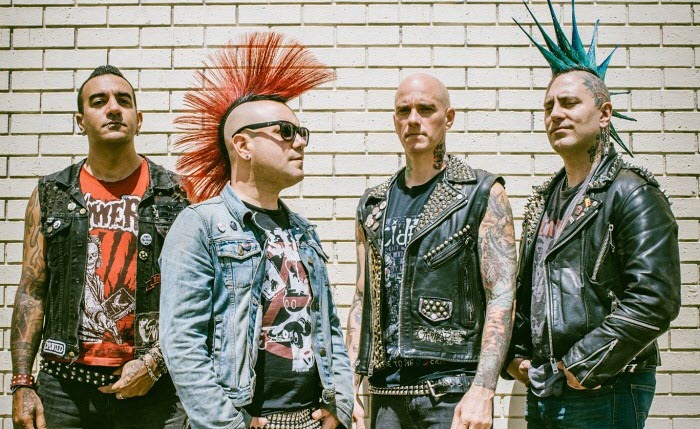
Punk rock isn’t just a genre; it’s a movement, a defiant roar against the status quo, and a raw, unfiltered expression of individuality. At its heart are the singers—charismatic, unapologetic, and electrifying figures who’ve turned rebellion into an art form. From gritty underground clubs to massive arenas, these vocalists have inspired generations with their fearless lyrics, unforgettable performances, and larger-than-life personas. They’ve been the voice of the outcasts, the misfits, and anyone bold enough to question authority.
In this article, we dive into the world of punk rock’s greatest frontmen and frontwomen—the icons who’ve redefined music and culture with their raw power and unrelenting energy. These are the voices that turned three chords and the truth into a revolution, from the snarling rage of Johnny Rotten to the poetic ferocity of Patti Smith and the unbreakable spirit of Joe Strummer. Whether they’re screaming anthems of rebellion or delivering poignant messages through their art, these punk rock singers have left an indelible mark on history.
So, get ready to crank up the volume as we celebrate the top 15 best punk rock singers of all time—the rebels who gave us a sound, a voice, and a reason to believe in the power of punk.
1. Joe Strummer (The Clash)
Joe Strummer, the dynamic frontman of The Clash, was more than just a punk rock singer—he was a symbol of rebellion and a voice for the marginalized. Known for his gritty, passionate vocals and politically charged lyrics, Strummer helped elevate punk to anthems of revolution. Tracks like “London Calling” and “Should I Stay or Should I Go” were more than just songs; they were rallying cries for change, exploring themes of social unrest, alienation, and identity. What made Strummer so iconic was his ability to mix political commentary with infectious rock music, making serious topics accessible without losing their impact. His influence stretched beyond punk, inspiring generations of musicians to use their platforms for social activism. Strummer’s stage presence was magnetic—his raw energy and connection with the audience created unforgettable performances. Even after his passing in 2002, his legacy lives on, reminding us that punk was never just about the music; it was about standing up for what you believe in and challenging the status quo. Strummer’s unwavering dedication to authenticity and social change made him an irreplaceable figure in rock history.
2. Johnny Rotten (Sex Pistols)
Johnny Rotten, born John Lydon, became the embodiment of punk rock’s anarchic spirit as the frontman of the Sex Pistols. With his sneering, rebellious attitude and unrefined vocal delivery, Rotten challenged the norms of both music and society. His provocative lyrics, especially in songs like “Anarchy in the U.K.” and “God Save the Queen,” were not only a direct attack on authority but also a loud declaration of punk’s disdain for the establishment. Rotten’s snarling voice, filled with anger and disillusionment, became the soundtrack to a generation that felt alienated by societal conventions. The rawness of his performances, combined with the chaotic energy of the Sex Pistols, captured the essence of punk’s early days, making them legends. Rotten’s influence extended beyond the music, as he redefined what it meant to be a public figure. He rejected the polished, commercial nature of mainstream rock and embraced a chaotic, in-your-face persona that became punk’s trademark. Johnny Rotten’s legacy remains integral to punk’s ethos, as he taught us all that rebellion could be as loud as it was unapologetic.
3. Debbie Harry (Blondie)
Debbie Harry, the iconic lead singer of Blondie, is a true pioneer who fused punk energy with glam and pop sophistication. Known for her sultry voice and effortlessly cool style, Harry helped shape Blondie into one of the most influential bands of the late 70s and early 80s. Tracks like “Heart of Glass” and “One Way or Another” blended infectious pop melodies with a punk edge, showcasing Harry’s unique ability to straddle genres. Her voice, with its seductive yet strong delivery, became synonymous with the band’s eclectic sound, which spanned everything from punk to disco, rock, and new wave. Beyond her musical talents, Debbie Harry was also a trailblazer for women in rock. At a time when the industry was dominated by men, Harry’s unapologetic presence and self-assuredness made her an icon for women in music. She broke gender norms and proved that punk didn’t have to be about aggression alone—it could be stylish, fun, and even glamorous. Harry’s contributions to punk and pop culture continue to inspire new generations of musicians and fans alike, and her legacy as a boundary-pushing artist is undeniable.
4. Iggy Pop (The Stooges)
Iggy Pop, often referred to as the “Godfather of Punk,” is synonymous with raw energy, chaos, and rebellion. As the frontman of The Stooges, he unleashed some of the most primal and visceral performances in rock history. With tracks like “Search and Destroy” and “I Wanna Be Your Dog,” Iggy didn’t just sing songs—he embodied them, pushing the boundaries of what punk rock could be. His guttural, unrestrained vocals, combined with his anarchic stage antics, set a new standard for live performances. Iggy Pop’s influence went far beyond his time with The Stooges; his work helped shape the sound and spirit of punk music. His reckless abandon on stage, often involving self-inflicted wounds and wild gyrations, was not just an act of rebellion—it was a declaration of freedom. But Iggy was more than just a showman; his lyrics, though often provocative, were a window into the human condition, exploring themes of desire, alienation, and angst. As a trailblazer of the punk movement, Iggy Pop continues to inspire artists across genres, proving that punk’s power lies in its authenticity and fearlessness.
5. Patti Smith
Patti Smith, often called the “punk poet laureate,” redefined the role of the artist in punk rock. With her album Horses, she introduced a new blend of intellectualism and raw emotion to the genre, paving the way for punk rock to be seen as a form of high art. Her voice, a mix of spoken word and raw rock, delivered lyrics that were as poetic as they were rebellious. Songs like “Gloria” showcased her ability to mix fierce defiance with profound lyricism, making her a unique voice in the punk movement. Smith’s punk was not just about anger or rebellion—it was about connecting to something deeper. Her work bridged the gap between the traditional punk ethos and the artistic sensibilities of the Beat poets and avant-garde musicians. Beyond her music, Patti Smith’s influence as a writer and performance artist expanded the possibilities of punk rock. She showed that punk could be a channel for personal expression, intellectual exploration, and social commentary. Her legacy is undeniable, as she continues to inspire generations of artists to think outside the box and to use their voices to make bold statements about society and culture.
6. Joey Ramone (The Ramones)
Joey Ramone, the legendary frontman of The Ramones, helped define the sound and spirit of punk rock with his unique vocal style and infectious energy. Known for his towering height and distinctively nasal voice, Joey became one of punk’s most iconic figures. With tracks like “Blitzkrieg Bop” and “Sheena Is a Punk Rocker,” Joey’s vocals were central to The Ramones’ signature sound—raw, fast, and unrelenting. His voice, despite its simplicity, carried a sense of both innocence and rebellion, capturing the essence of punk’s DIY ethos. Joey’s ability to inject humor, heart, and vulnerability into his performances made The Ramones more than just a punk band—they became a cultural force. Their quick, catchy songs became anthems for misfits and outsiders, and Joey’s voice was the perfect vehicle for those sentiments. His charisma and stage presence only added to the band’s appeal, as fans couldn’t help but be drawn to his infectious energy. Even after his untimely death in 2001, Joey Ramone’s influence on punk rock and pop music remains enduring, reminding us all that sometimes the simplest ideas are the most revolutionary.
7. Henry Rollins (Black Flag)
Henry Rollins brought a raw, unrelenting energy to Black Flag that changed the face of hardcore punk. His aggressive vocal delivery, combined with his intense physicality on stage, made every performance a cathartic experience. With songs like “Rise Above” and “My War,” Rollins’ commanding voice carried the fury and frustration of a generation grappling with societal issues and personal struggles. His lyrics, which ranged from defiance to introspection, spoke to the disillusioned and the marginalized, making Black Flag’s music a rallying cry for anyone who felt overlooked or oppressed. Rollins was more than just a punk singer—he became a figurehead for the hardcore scene, with his DIY ethos and outspoken views on topics like individuality, personal responsibility, and mental health. His punk wasn’t just about making noise—it was about channeling deep emotions into something that could move and inspire. The raw intensity that Rollins brought to the stage, often incorporating spoken word and personal reflections, added a layer of emotional depth to Black Flag’s music that went beyond mere aggression. His impact on punk rock and his continued influence in various artistic fields cements Rollins as one of the most important figures in the genre’s history.
8. Siouxsie Sioux (Siouxsie and the Banshees)
Siouxsie Sioux, the enigmatic frontwoman of Siouxsie and the Banshees, was a true pioneer who bridged the gap between punk and gothic rock. Her haunting voice, combined with her commanding stage presence, made her a trailblazer in both punk and post-punk movements. Songs like “Hong Kong Garden” and “Spellbound” highlighted her ability to infuse dark, atmospheric melodies with punk’s energy and aggression, creating a sound that was entirely her own. Siouxsie’s style was equally groundbreaking—her dramatic makeup, extravagant outfits, and bold persona made her a fashion icon as much as a musical one. She proved that punk could be more than just loud guitars and rebellion—it could also be mysterious, ethereal, and deeply artistic. Her influence extended well beyond punk, inspiring the goth and alternative scenes with her theatrical and darkly romantic sensibilities. Siouxsie’s ability to explore themes of alienation, identity, and empowerment through her music made her an icon for generations of fans. Even today, her legacy as a pioneering woman in punk and gothic rock continues to inspire new artists to push boundaries and embrace the beauty in darkness.
9. Lux Interior (The Cramps)
Lux Interior, the charismatic frontman of The Cramps, was a force of nature whose theatrical performances and unique vocal style helped define the psychobilly genre. His voice, both sultry and wild, perfectly complemented The Cramps’ blending of punk rock and rockabilly, creating a sound that was both raw and infectious. Tracks like “Human Fly” and “Goo Goo Muck” showcased Lux’s ability to mix campy horror imagery with a rebellious punk spirit, giving the songs an unforgettable edge. Lux’s stage persona was equally captivating—his performances were full of energy, sexual tension, and dark humor, making every show feel like an electrifying, unpredictable experience. His influence on both punk rock and the emerging psychobilly scene is immeasurable, as he brought together elements of rockabilly, punk, and horror movies to create something entirely new. Lux Interior was not just a singer; he was a showman who understood the power of theatrics and spectacle in live music. His ability to push the boundaries of punk’s aesthetic while maintaining its rebellious core helped The Cramps stand out in the crowded punk scene. Today, Lux Interior remains a cult figure, remembered for his daring performances and his contributions to the evolution of punk music.
10. Tim Armstrong (Rancid)
Tim Armstrong, the raspy-voiced frontman of Rancid, is one of the defining figures of 90s punk rock. With his distinctive gravelly voice and knack for storytelling, Armstrong delivered some of the most enduring punk anthems of the era. Tracks like “Ruby Soho” and “Time Bomb” combined the raw energy of punk with ska influences, creating a sound that resonated with fans of both genres. Armstrong’s ability to capture the struggles and triumphs of working-class life in his lyrics made Rancid’s music both relatable and empowering. His music didn’t just reflect the punk ethos—it embodied it. Armstrong’s punk was one of defiance, of standing up against the odds, and his storytelling drew from his own experiences growing up in California’s Bay Area. But beyond the music, Armstrong’s persona—tough yet vulnerable, brash yet reflective—became a symbol of punk’s spirit. His influence extended far beyond Rancid, as his collaborations with other punk and ska artists helped shape the sound of the 90s punk scene. Even as trends in punk have evolved, Tim Armstrong’s impact remains a cornerstone of punk’s enduring legacy.
11. Exene Cervenka (X)
Exene Cervenka, the fierce and poetic lead vocalist of X, brought a unique blend of vulnerability and intensity to punk rock. Known for her distinctive voice, which alternated between raw aggression and tender introspection, Cervenka helped shape the sound of American punk in the late 70s and early 80s. With X, she created iconic tracks like “Los Angeles” and “White Girl,” where her lyrics explored themes of alienation, urban decay, and personal conflict. Cervenka’s ability to intertwine poetic imagery with punk’s aggressive sound made her one of the genre’s most compelling voices. Her work with X was not just about rebellion—it was about creating a space for personal expression amidst chaos. She was also a key figure in the feminist punk movement, offering a voice for women in a male-dominated genre. Beyond her vocal talent, Cervenka’s lyrics spoke to a deeper emotional and social consciousness, giving punk rock a sense of purpose and a voice that reached far beyond the typical noise of rebellion. To this day, Exene Cervenka’s contributions to punk remain influential, as her music continues to inspire both old-school punks and new generations seeking authenticity in their own art.
12. Glenn Danzig (Misfits)
Glenn Danzig, with his thunderous baritone and dark, macabre lyrics, became the voice of the Misfits, a band that redefined the horror-punk genre. Danzig’s commanding presence and distinct vocal style, heard in songs like “Last Caress” and “Die, Die My Darling,” brought an eerie theatricality to punk rock that set the Misfits apart from their contemporaries. His blend of punk’s raw energy with horror and sci-fi imagery gave the band a cinematic quality, as if their songs were soundtracks to B-movie horrors. Danzig’s voice—deep, haunting, and powerful—added a sense of gravity to their chaotic punk sound, making it both menacing and mesmerizing. His work with the Misfits helped pioneer horror-punk, a genre that blends dark, fantastical elements with the aggressive sounds of punk. Danzig’s influence stretches far beyond the Misfits, as his later solo career saw him move into heavy metal and gothic rock, proving his versatility and ability to adapt while maintaining the dark themes that defined his music. Today, Glenn Danzig’s legacy as a pioneer of horror-punk remains etched in the fabric of punk history, as his music continues to inspire dark, rebellious artists across genres.
13. Kathleen Hanna (Bikini Kill)
Kathleen Hanna, the fearless leader of Bikini Kill, is one of the most influential figures in punk and feminist music. As the voice of the riot grrrl movement, Hanna used her powerful vocals and fearless lyrics to challenge the norms of both the music industry and society. Songs like “Rebel Girl” became anthems of empowerment, encouraging women to take ownership of their bodies, their voices, and their stories. Hanna’s raw delivery and unapologetic attitude gave punk a new purpose—one that embraced rebellion not just against the establishment, but also against the traditional roles women were often forced to play. Her lyrics, which ranged from biting critiques of sexism to declarations of personal strength, resonated with young women who felt marginalized and silenced. But Hanna’s influence extended beyond just music—she helped create a movement that gave women in punk a platform to express themselves without fear of judgment. The ferocity and passion in Hanna’s voice made Bikini Kill’s music essential to the feminist punk movement, and her impact on both punk and pop culture is still felt today. She redefined what it meant to be a woman in punk and helped create space for the next generation of female artists to assert themselves in the music world.
14. Ian MacKaye (Minor Threat, Fugazi)
Ian MacKaye’s contributions to punk rock are nothing short of legendary. As the frontman of Minor Threat and later Fugazi, MacKaye helped define the sound and ethos of hardcore punk with his intense vocal delivery and DIY mentality. His early work with Minor Threat, particularly songs like “Straight Edge,” gave voice to a movement of clean living and personal responsibility that would become a defining aspect of the hardcore scene. With Fugazi, MacKaye’s music evolved, incorporating more complex rhythms and political themes, yet he retained the same uncompromising passion and energy that characterized his earlier work. His commitment to the DIY ethos, both in terms of music production and activism, helped shape the hardcore scene into a space where artists could create and distribute their work independently, free from the commercial pressures of the mainstream music industry. MacKaye’s approach to punk was always about integrity and authenticity, whether through his fiercely independent bands or his efforts to promote political change. His influence on both punk and alternative music continues to be immense, as he helped cultivate a culture where punk was about more than just music—it was about building a community based on shared values of resistance and personal accountability.
15. Dave Vanian (The Damned)
Dave Vanian, the charismatic frontman of The Damned, brought a touch of gothic elegance to the punk scene, blending dark theatrics with the raw energy of punk rock. His deep, resonant voice and dramatic stage presence set him apart from his peers, helping to establish The Damned as one of the most innovative and influential punk bands of the late 70s. With tracks like “New Rose” and “Smash It Up,” Vanian led the band through a mix of frenetic punk anthems and darker, more atmospheric tunes, laying the groundwork for what would later be known as gothic punk. His ability to combine punk’s rebellious spirit with a flair for the dramatic helped The Damned carve out a unique identity within the punk movement. Vanian’s voice—rich, haunting, and full of character—was a perfect match for the band’s genre-defying sound, which blended punk’s aggressive drive with elements of glam rock, pop, and even horror film scores. As one of the first British punk bands to sign with a major label, The Damned’s success helped break down barriers for other punk acts looking to make a name for themselves. Dave Vanian’s impact on punk and gothic rock remains profound, as his work continues to inspire musicians who seek to blend punk’s energy with a sense of dark romanticism.

Edward Tomlin is a frequent contributor to Singers Room. Since 2005, Singersroom has been the voice of R&B around the world. Connect with us via social media below.