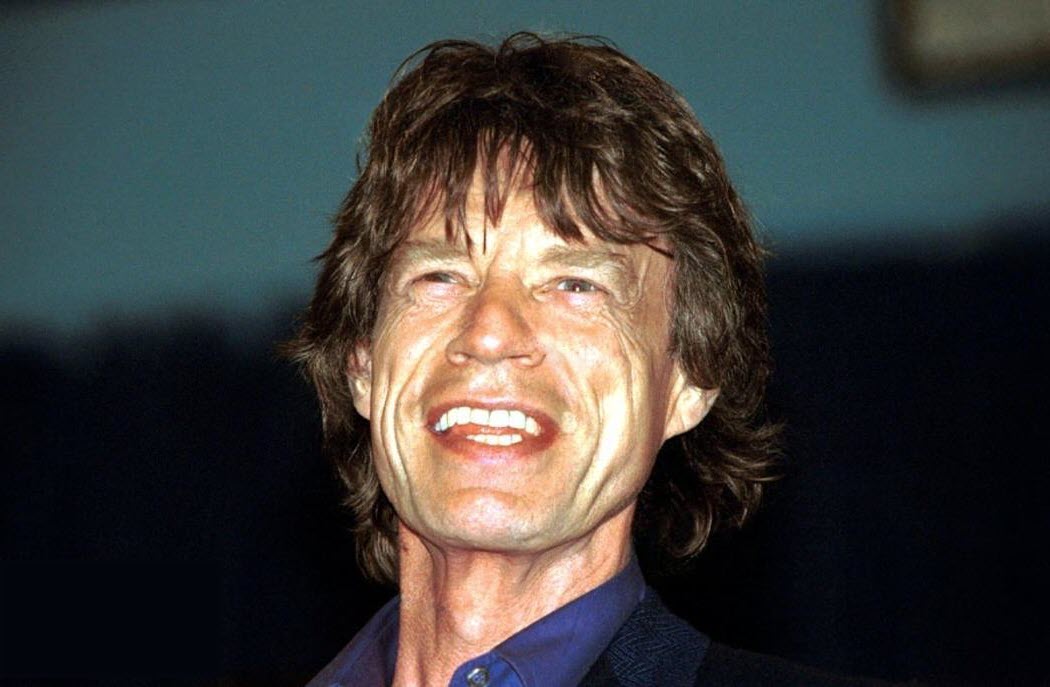
Mick Jagger—an icon, a trailblazer, and the electrifying frontman of The Rolling Stones—has been captivating audiences for over six decades. With his unmistakable voice, magnetic stage presence, and an uncanny ability to create music that transcends generations, Jagger has become synonymous with rock ‘n’ roll itself. From the swaggering anthems of rebellion to soulful ballads that tug at the heartstrings, his repertoire is as vast as it is legendary. But which songs stand out the most? Which tracks have cemented their place in rock history as the ultimate fan favorites?
In this article, we count down the top 10 most popular Mick Jagger songs of all time. Whether you’re a lifelong Stones enthusiast or a curious newcomer looking to dive into Jagger’s greatest hits, this list will take you on a thrilling journey through the music that defined an era. From chart-topping Rolling Stones classics to unforgettable solo ventures, each song on this list showcases the raw energy and timeless artistry that have kept Jagger at the forefront of the music world. So, crank up the volume, let the good times roll, and join us as we celebrate the most iconic tracks from the one and only Mick Jagger!
1. Angie (1973)
“Angie” stands out as one of The Rolling Stones’ most emotionally resonant songs—a gentle, acoustic ballad that reveals a softer, more vulnerable side of the band. Released in 1973 on the Goats Head Soup album, this tender track feels like a quiet farewell to a love that’s slipping away. Mick Jagger’s vocal performance is hauntingly heartfelt, filled with longing, pain, and a sense of acceptance. The sparse arrangement, anchored by a delicate acoustic guitar and piano, allows the emotional weight of the lyrics to really shine through. “Angie, Angie, when will those dark clouds all disappear?”—it’s a question soaked in sorrow, yet somehow comforting in its honesty. While the identity of “Angie” has long been the subject of speculation—some thinking it was about Angela Bowie, others believing it to be a purely fictional muse—what truly matters is how universally relatable it feels. It’s about that moment when a relationship fades, not with anger, but with deep melancholy. Even decades later, “Angie” remains a staple of rock balladry—introspective, raw, and achingly beautiful, it’s a reminder that even rock legends feel heartbreak like the rest of us.
2. Sympathy for the Devil (1968)
“Sympathy for the Devil” is as daring and provocative today as it was when it dropped in 1968. Opening the Beggars Banquet album, this track introduced listeners to a whole new level of lyrical boldness. Here, Mick Jagger slips into the role of Lucifer himself, calmly narrating his presence at some of humanity’s darkest moments—from the crucifixion of Christ to the Russian Revolution. The song cleverly flips the idea of evil on its head, asking listeners to examine the role of mankind in the horrors of history. But what really makes this track unforgettable is how it blends that dark content with an irresistibly upbeat samba rhythm, complete with congas, piano stabs, and a driving groove. The “woo woos” that echo throughout weren’t even planned—they happened spontaneously during recording and became iconic. Keith Richards adds sharp guitar accents that give the song its sinister swagger, while Jagger dances around the lyrics with theatrical charm. It’s bold, brash, and utterly brilliant. “Sympathy for the Devil” isn’t just a song—it’s a statement. It forces us to think, to question, and to confront the blurred lines between good and evil, all while tapping our feet.
3. Start Me Up (1981)
“Start Me Up” is one of those songs that feels like it was built in a lab for the sole purpose of making arenas explode with energy. Released in 1981 as the lead single from the Tattoo You album, it’s a high-octane rock anthem powered by one of Keith Richards’ most instantly recognizable riffs. That riff, by the way, was originally part of a reggae jam before the band shifted gears and turned it into the hard-hitting rocker we know today. Mick Jagger’s vocals are playful and confident, full of swagger and innuendo, bringing that classic Stones charisma to the forefront. The lyrics are cheeky and simple, but it’s their delivery that makes them iconic—especially that repeated, punchy “You make a grown man cry.” The song has since become a permanent fixture in Rolling Stones live shows, often used to open or energize the crowd mid-set. It’s one of those tracks that just doesn’t age—it’s timeless in its energy and simplicity. Whether you’re hearing it blasting from stadium speakers or over the radio in your car, “Start Me Up” is pure rock ‘n’ roll adrenaline from start to finish.
4. Paint It Black (1966)
“Paint It Black” broke all the rules when it was released in 1966, and that’s exactly what made it unforgettable. The song opens with a mesmerizing sitar riff, courtesy of Brian Jones, bringing an unmistakable Eastern influence into the world of Western rock music. That blend of cultures, along with the song’s morose lyrics and hypnotic rhythm, made “Paint It Black” stand out immediately. It’s a brooding reflection on grief and depression, delivered with a kind of manic energy that makes you feel the darkness creeping in. Mick Jagger’s vocals are sharp and raw, channeling a mix of sorrow and frustration as he sings about losing color from his world—literally and emotionally. The song’s unique sound was miles ahead of its time, and it laid the groundwork for the more experimental phase of rock that would follow. With its rapid-fire tempo and eerie mood, “Paint It Black” feels like a fever dream—a rush of emotion that’s both unsettling and magnetic. Decades later, it still hits hard, proving that vulnerability and innovation can go hand-in-hand. This wasn’t just another hit; it was a turning point for the band—and for rock music as a whole.
5. Gimme Shelter (1969)
“Gimme Shelter” is more than just a song—it’s a snapshot of a world on the edge. Released in 1969 on the Let It Bleed album, the track captures the fear, chaos, and tension of the late ’60s with startling intensity. From the very first echoing notes of Keith Richards’ guitar, you know you’re in for something haunting. The tone is dark, almost apocalyptic, and as Mick Jagger’s voice creeps in, the urgency builds. But it’s Merry Clayton’s legendary backing vocals that steal the show—her raw, impassioned scream of “Rape, murder! It’s just a shot away!” is one of the most powerful moments in rock history. Recorded while heavily pregnant and in just one take, her performance adds a visceral human element to the song’s message. “Gimme Shelter” isn’t just about war or violence—it’s about the feeling that everything could fall apart at any moment. And yet, even in all that darkness, there’s a cry for protection, for shelter. It’s gritty, it’s emotional, and it’s as relevant today as it was in 1969. A masterpiece of atmosphere and intensity, “Gimme Shelter” remains one of The Rolling Stones’ most iconic and affecting songs.
6. Brown Sugar (1971)
“Brown Sugar” is the epitome of gritty, unapologetic rock ‘n’ roll swagger. Released in 1971 as the lead single from Sticky Fingers, it bursts out of the gate with a slashing guitar riff from Keith Richards that’s as iconic as it is raw. The song grabs you from the first second and doesn’t let up. Mick Jagger’s vocals are pure attitude—sassy, raunchy, and unmistakably Stones. Lyrically, it treads into controversial territory, touching on themes of race, sex, and exploitation, which has led to plenty of debate over the years. But musically, there’s no denying its impact. Charlie Watts lays down a tight, driving beat, and the rhythm section keeps the groove locked in, while Bobby Keys’ saxophone solo adds an extra dose of swagger. “Brown Sugar” became a massive hit and has remained a live favorite, often played with the same reckless energy that first made it famous. It’s loud, it’s fast, and it doesn’t apologize for a single note. It captures everything that made The Rolling Stones legends—raw power, boundary-pushing lyrics, and a relentless rock groove that practically dares you not to dance.
7. Wild Horses (1971)
If “Brown Sugar” is The Rolling Stones at their most raucous, “Wild Horses” is them at their most tender. Released in 1971 on Sticky Fingers, this ballad is a heartfelt, acoustic-laced ode to love and longing. It shows the band’s ability to slow things down and get deeply emotional, revealing a vulnerability that wasn’t always present in their earlier work. Mick Jagger’s vocals here are soft and sincere, filled with a weary kind of affection. The lyrics speak of a deep bond that endures pain, distance, and heartbreak—“Wild horses couldn’t drag me away” is as poetic as it is powerful. Keith Richards’ harmonies add another layer of intimacy, and the delicate arrangement of acoustic guitar, piano, and gentle drums creates a mood that’s both melancholic and comforting. The song’s origins reportedly come from a combination of Richards’ personal life and Gram Parsons’ influence, blending country and rock beautifully. “Wild Horses” has become one of the band’s most beloved songs, often covered by other artists but never quite matched. It’s a moment of quiet honesty from a band known for loud defiance—a reminder that even rock gods feel heartache, too.
8. Satisfaction (1965)
“I Can’t Get No Satisfaction” isn’t just a song—it’s a cultural explosion. Released in 1965, this track announced The Rolling Stones as a force to be reckoned with, and it’s still considered one of the greatest rock songs of all time. That fuzzy, distorted guitar riff from Keith Richards? Legend has it he came up with it in his sleep and recorded it on a tape recorder in the middle of the night. What followed was a track that became the voice of a restless, rebellious generation. Mick Jagger’s lyrics tapped into the growing disillusionment of youth—frustration with consumerism, superficiality, and the pressures of modern life. His delivery is raw and biting, and paired with that hypnotic riff and a driving beat from Charlie Watts, it’s electric. “Satisfaction” was edgy for its time, pushing the boundaries of what was acceptable on the radio, and yet it soared to number one, becoming a defining moment in the British Invasion. It’s bold, it’s defiant, and it still hits just as hard today. Whether it’s blasting from an old jukebox or echoing through stadium speakers, “Satisfaction” is pure rock ‘n’ roll energy distilled into three unforgettable minutes.
9. Beast of Burden (1978)
“Beast of Burden” is one of those Rolling Stones songs that oozes cool without even trying. Released in 1978 on the Some Girls album, it showcases a more soulful, laid-back vibe than many of their hits, but it’s no less powerful. This song is all about devotion and vulnerability, with Mick Jagger pleading not to be taken for granted, while still offering himself up with open arms. The lyrics strike a balance between confidence and humility: “I’ll never be your beast of burden / My back is broad, but it’s a-hurtin’.” There’s something beautifully honest about it—raw in the best way. Keith Richards and Ronnie Wood’s twin guitar work is effortlessly smooth, weaving together in that signature “we’re jamming, but it’s magic” way only the Stones can do. Jagger’s delivery is almost conversational at times, making it feel like he’s speaking directly to someone—maybe a lover, maybe all of us. It’s bluesy, it’s soulful, and it’s endlessly replayable. “Beast of Burden” proves that The Rolling Stones don’t have to shout to make a statement—they just have to groove, and the message lands just as strong.
10. You Can’t Always Get What You Want (1969)
“You Can’t Always Get What You Want” is more than a song—it’s a life lesson wrapped in rock and gospel. Released in 1969 as the closing track on Let It Bleed, it starts with the angelic voices of the London Bach Choir before building into a sprawling, emotional journey. The contrast between that choir intro and the gritty realism of Mick Jagger’s lyrics sets the tone for something grand. The song tackles disillusionment, longing, and the inevitability of compromise—ideas that hit home whether you’re young and idealistic or older and wiser. “You can’t always get what you want, but if you try sometimes, you might find, you get what you need”—it’s a mantra that’s resonated with generations. The instrumentation slowly builds throughout the track, adding layers of piano, horns, and guitar, creating an almost cinematic feel. It’s hopeful without being naive, bittersweet without being bleak. The Stones weren’t just rocking out here—they were reflecting, offering solace through melody and message. It’s one of their most ambitious works, and arguably one of their most enduring. This isn’t just a closer for an album—it’s a closer for life’s messy chapters.

Edward Tomlin is a frequent contributor to Singers Room. Since 2005, Singersroom has been the voice of R&B around the world. Connect with us via social media below.









