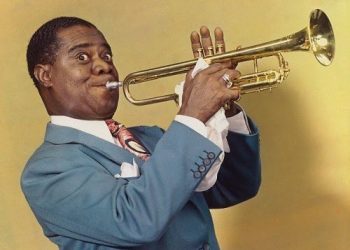
Jazz is more than just music; it’s an emotion, a way of life, a vibrant thread woven into the cultural fabric of the world. From smoky bars to grand concert halls, the genre has evolved into a universal language that speaks to the soul. Its infectious swing, boundary-pushing improvisation, and undeniable groove have captivated audiences for over a century. But what makes jazz truly extraordinary are the legendary artists who forged its path, turning their instruments into extensions of their very beings and their performances into awe-inspiring masterpieces.
In this article, we celebrate the top 15 jazz artists of all time—visionaries who revolutionized not just jazz, but music itself. From the heartfelt croon of Billie Holiday to the revolutionary trumpet of Miles Davis, from the wild saxophone solos of John Coltrane to the electrifying piano of Thelonious Monk, these icons transcended boundaries, broke molds, and created a legacy that echoes through generations. Whether you’re a seasoned jazz aficionado or a curious newcomer, get ready to embark on a thrilling journey through the lives and sounds of these musical geniuses. Their stories, their struggles, and their groundbreaking contributions will remind you why jazz remains one of the most exhilarating art forms in history.
1. Louis Armstrong
Few names are as synonymous with jazz as Louis Armstrong, affectionately known as “Satchmo.” With his gravelly voice, groundbreaking trumpet solos, and infectious charisma, Armstrong revolutionized jazz in ways that no one could have imagined at the time. His incredible improvisations and distinctive, raspy vocal style paved the way for future generations of jazz musicians. Tracks like What a Wonderful World and Hello, Dolly! became timeless anthems that transcended jazz, bringing Armstrong’s unique brand of joy and artistry to the masses. His influence was not just musical—Armstrong’s personal warmth and exuberant personality made him a beloved figure across the world. He elevated jazz from a niche genre to a global phenomenon, turning every performance into a heartfelt connection with his audience. Whether playing for intimate gatherings or large crowds, his unmistakable sound and playful spirit always shone through. Armstrong’s legacy as a musician and entertainer continues to inspire jazz musicians today, reminding us that music, at its best, can bring people together and make life feel just a little bit brighter.
2. Miles Davis
Miles Davis was a true chameleon of jazz, constantly evolving and reshaping the genre over the course of five decades. Known for his cool demeanor and unrivaled trumpet skills, Davis redefined the sound of jazz several times, leaving an indelible mark on its history. With groundbreaking albums like Kind of Blue, Bitches Brew, and Sketches of Spain, Davis pushed the boundaries of jazz, mixing bebop, cool jazz, modal jazz, and fusion in ways that had never been done before. His ability to assemble innovative and diverse ensembles—often featuring legendary musicians like John Coltrane and Herbie Hancock—furthered his status as one of jazz’s most visionary figures. Davis wasn’t just a performer; he was a trendsetter, a musical architect whose creative experimentation continually reshaped jazz’s landscape. His skillful blending of genres, from the ethereal simplicity of Kind of Blue to the fiery energy of Bitches Brew, established him as one of the most influential musicians in the history of jazz. Davis’s legacy reminds us of the power of reinvention and the importance of constantly pushing artistic boundaries.
3. Duke Ellington
Duke Ellington was far more than just a talented musician—he was a visionary, a composer, a bandleader, and a cultural icon. His contributions to jazz and American music as a whole are immeasurable. With his legendary big band, Ellington created sophisticated and timeless music that became a foundation of the jazz tradition. Songs like It Don’t Mean a Thing (If It Ain’t Got That Swing) and Satin Doll are staples in the jazz world, showcasing his gift for creating intricate melodies that resonate with both musicians and listeners. Ellington’s compositions brought a level of refinement and elegance to jazz that elevated the genre to new heights. His ability to blend jazz with classical elements and evoke rich emotions in his pieces earned him the title of “America’s greatest composer.” His influence extended far beyond the jazz community, with Ellington becoming an ambassador for African-American culture and an advocate for racial equality. His music spoke to the soul, resonating with people from all walks of life, making him one of the most respected and beloved figures in American music history.
4. Ella Fitzgerald
Ella Fitzgerald, known as the “First Lady of Song,” possessed a voice that was nothing short of extraordinary. Her voice was pure, rich, and effortlessly powerful, and her range was truly unparalleled. Fitzgerald’s mastery of vocal jazz, combined with her impeccable phrasing and sense of timing, set her apart as one of the greatest jazz singers of all time. Her collaborations with legendary figures like Louis Armstrong produced some of the most memorable recordings in jazz history, with their renditions of songs like Cheek to Cheek and Summertime becoming iconic. What truly set Fitzgerald apart was her unparalleled ability to make each song her own. Whether she was interpreting the Great American Songbook, performing scat improvisations, or bringing her own soulful touch to a ballad, Fitzgerald’s performances were marked by an uncanny ability to connect with her audience. Her warmth and emotional depth made her voice resonate deeply, and her technical brilliance ensured that every note was perfect. Ella Fitzgerald’s legacy as one of the most beloved and technically proficient vocalists in jazz continues to influence generations of singers.
5. John Coltrane
John Coltrane’s saxophone playing transcended the boundaries of jazz, making his work a spiritual exploration as much as a musical one. Coltrane’s compositions, like Naima and A Love Supreme, represent some of the most innovative and deeply emotional works in jazz history. His fearless approach to improvisation and harmonic exploration pushed the limits of what was possible on the saxophone, introducing complex new ideas that shaped the direction of jazz in the 1960s and beyond. Coltrane was more than a virtuoso; he was a seeker, constantly striving to achieve a deeper connection with the divine through his music. His exploration of modes, scales, and spiritual themes resonated with listeners, elevating jazz into an art form that wasn’t just about entertainment but about expression and transcendence. A Love Supreme, in particular, remains a monumental achievement, capturing the essence of Coltrane’s quest for spiritual enlightenment. Coltrane’s music was not only groundbreaking but deeply influential, inspiring countless musicians to push the boundaries of sound and to seek truth through their art.
6. Charlie Parker
Charlie “Bird” Parker was the mastermind behind bebop, a revolutionary style of jazz that shifted the focus from danceable melodies to complex improvisation and technical virtuosity. With his lightning-fast saxophone runs and intricate chord changes, Parker’s playing was a beacon of innovation, setting a new standard for jazz musicians. His compositions like Ornithology and Ko-Ko remain essential pieces of the bebop canon, showcasing his inventive harmonic ideas and intricate phrasing. But Parker was not just a technical marvel; he also had a deep emotional resonance in his music, conveying both the struggles and triumphs of his life through his saxophone. His playing was both virtuosic and deeply personal, filled with passion, pain, and beauty. Parker’s influence on jazz was immeasurable, not only defining the bebop era but also inspiring future generations of musicians to approach their instruments with the same level of skill and creativity. His legacy continues to live on through the music he left behind and the countless artists he inspired to push the boundaries of jazz.
7. Billie Holiday
Billie Holiday’s voice was one of the most evocative and emotionally rich instruments in the history of jazz. Known as “Lady Day,” her deep, soulful voice brought an unmatched level of vulnerability to every song she sang. Holiday’s ability to interpret lyrics with such raw emotion and authenticity made her one of the most influential vocalists in jazz and popular music. Her performances of songs like Strange Fruit and God Bless the Child are haunting, not just because of the lyrics but because of the way she infused every note with meaning, turning each song into a personal reflection of her struggles and triumphs. Holiday’s music transcended the boundaries of jazz, resonating with listeners across generations, and her impact on jazz and popular music is immeasurable. Her vulnerability, resilience, and unmatched storytelling abilities made her one of the most unforgettable vocalists in history, and her legacy continues to inspire artists who seek to connect with their audiences on a deep emotional level.
8. Thelonious Monk
Thelonious Monk was one of jazz’s most unique and original voices. Known for his angular melodies, dissonant harmonies, and unconventional rhythms, Monk reshaped jazz with a singular style that was both idiosyncratic and groundbreaking. His compositions, such as Round Midnight and Straight, No Chaser, are now considered jazz standards, loved for their complexity and emotional depth. Monk’s approach to the piano was unlike any other, with his unpredictable phrasing and off-kilter rhythms creating an unmistakable sound that was at once disorienting and captivating. Monk was a true individualist, rejecting conventional norms and forging his own path in the jazz world. His eccentricities—both in his playing and in his personal life—only added to his mystique, cementing his status as one of the most intriguing figures in jazz history. Despite facing challenges and resistance in the jazz world, Monk’s creativity and commitment to pushing musical boundaries ultimately made him one of the genre’s most revered and influential artists.
9. Sarah Vaughan
Sarah Vaughan, known as “The Divine One,” possessed a voice of exceptional range and power, one that could effortlessly transition from hushed whispers to soaring high notes with absolute control. Her technical prowess as a vocalist was unparalleled, but it was her ability to infuse deep emotion into every phrase that truly set her apart. Vaughan’s interpretations of jazz standards like Misty and Tenderly showcased her extraordinary vocal technique as well as her gift for storytelling. With her rich, full tone and impeccable phrasing, she could turn even the simplest lyric into an emotional journey, capturing the hearts of audiences worldwide. Vaughan was not just a technical virtuoso; she was a master of expressing the deepest emotions through song, effortlessly blending the precision of a classical singer with the passion of a jazz artist. Her contributions to jazz and popular music remain immeasurable, and her influence continues to be felt in the world of jazz vocalists today.
10. Dizzy Gillespie
Dizzy Gillespie was a larger-than-life figure both in personality and in his trumpet playing. As one of the pioneering figures of bebop, Gillespie’s unique sound and playful energy brought a new dimension to jazz. Known for his puffed cheeks, bent trumpet, and infectious smile, Gillespie’s persona was as colorful and exuberant as his music. His compositions, such as Salt Peanuts and A Night in Tunisia, are still considered cornerstones of the bebop movement, full of complex rhythms, intricate harmonies, and virtuosic improvisation. Gillespie’s technical brilliance on the trumpet was matched only by his sense of humor and love for the jazz community, which he helped shape during its formative years. Beyond his playing, Gillespie was a mentor to many younger musicians, helping to guide the next generation of jazz stars. His contributions to the development of modern jazz, particularly in the realm of bebop, left a legacy that continues to influence musicians today. His blend of technical mastery and joyful spirit made Gillespie one of jazz’s most beloved and enduring figures.
11. Count Basie
Count Basie’s swing style was iconic, laying the foundation for the big band sound that would dominate jazz throughout the 1930s and 1940s. As the bandleader of the Count Basie Orchestra, his understated piano playing and impeccable sense of timing set the stage for the swinging rhythms that made his band one of the most beloved in jazz history. With compositions like One O’Clock Jump and April in Paris, Basie’s orchestra set the standard for big band jazz, bringing a level of sophistication and swing that became synonymous with the genre. Basie’s ability to create arrangements that allowed the musicians in his band to shine made his sound distinctive, with each performance filled with energy and excitement. The sense of collective joy and celebration in his music brought jazz to the masses, turning every performance into a party. Basie’s influence extended beyond jazz, helping to shape the broader landscape of American music and making him a beloved figure in the world of swing.
12. Art Blakey
Art Blakey was the driving force behind hard bop, the fiery and intense branch of jazz that emerged in the 1950s. As the leader of the Jazz Messengers, Blakey provided the rhythm section that propelled some of the most important jazz albums of the era. His explosive drumming and unrelenting energy set the tone for the jazz of the time, while his leadership nurtured the talents of future jazz legends like Wayne Shorter and Herbie Hancock. Tracks like Moanin’ and A Night in Tunisia exemplify Blakey’s aggressive, in-your-face drumming style, which helped define the sound of hard bop. But Blakey was more than just a powerhouse drummer—he was also a mentor, helping to guide young musicians and ensure the continued evolution of jazz. His work with the Jazz Messengers left an indelible mark on the genre, and his influence continues to resonate in the world of jazz today.
13. Chet Baker
Chet Baker’s smooth, emotive trumpet playing and velvety voice were the hallmark of his West Coast jazz style. With his relaxed, understated approach to music, Baker’s renditions of standards like My Funny Valentine and Let’s Get Lost captured the essence of romantic melancholy. His trumpet playing was effortlessly lyrical, and his voice—though not technically powerful—had a tender vulnerability that connected with listeners on a deep emotional level. Baker’s tragic personal life added a layer of mystery to his music, with his struggles and heartbreaks reflecting the melancholy beauty of his sound. His enduring influence on jazz is due not only to his technical skill but also to his ability to convey complex emotions through simple, intimate performances. Chet Baker’s legacy is one of beauty, vulnerability, and emotional honesty, and his music continues to resonate with audiences around the world.
14. Stan Getz
Stan Getz, known as “The Sound,” had a saxophone tone that was rich, smooth, and pure, like honey flowing from the instrument. Getz’s most notable contribution to jazz was his introduction of bossa nova to the United States, bringing the Brazilian genre to a wider audience with hits like The Girl from Ipanema. His playing was marked by a sense of calmness and grace, effortlessly blending jazz and Latin rhythms to create a sound that was both soothing and sophisticated. Getz’s ability to adapt to different genres—whether he was playing cool jazz, bossa nova, or straight-ahead jazz—showcased his versatility and musical sensitivity. His collaborations with musicians like João Gilberto and Antônio Carlos Jobim on bossa nova albums remain landmark moments in jazz history. Getz’s refined, lyrical playing left a lasting impression on jazz and helped to bridge the gap between different musical cultures, making him one of the most beloved saxophonists in jazz history.
15. Nina Simone
Nina Simone was a musical force, blending jazz, blues, classical, and activism into an unforgettable legacy. With her powerful, soulful voice and virtuoso piano skills, Simone’s music transcended genres, tackling themes of racial injustice and personal struggle with unwavering conviction. Songs like Feeling Good and I Put a Spell on You showcased Simone’s ability to convey deep emotion, whether she was singing about love, loss, or the quest for liberation. Her blend of jazz improvisation, blues sensibilities, and classical influences made her a unique and revolutionary artist. But Simone was also a fearless activist, using her music as a platform to speak out against racism and inequality, especially during the Civil Rights Movement. Her courage and commitment to justice, paired with her unmatched musical talents, made Nina Simone a trailblazer in both music and activism, leaving a lasting imprint on the world of jazz and beyond.

Edward Tomlin is a frequent contributor to Singers Room. Since 2005, Singersroom has been the voice of R&B around the world. Connect with us via social media below.