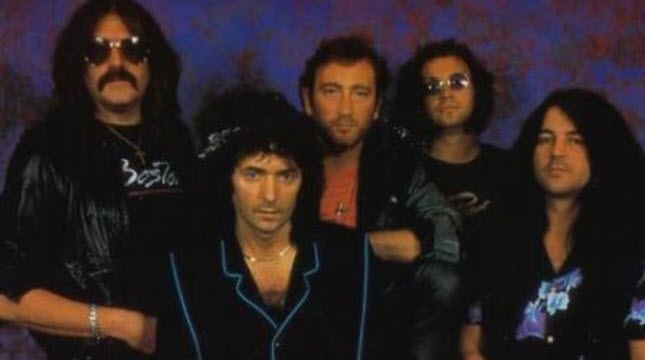
Deep Purple is a band that has left an indelible mark on the world of rock and roll. With their groundbreaking fusion of hard rock, heavy metal, and progressive elements, they’ve inspired generations of musicians and fans alike. From blistering guitar riffs to soaring vocals and thunderous organ melodies, their music is as electrifying today as it was when they first took the stage in the late 1960s. But what truly sets Deep Purple apart is their ability to craft unforgettable songs—anthems that have stood the test of time and continue to ignite passion in listeners around the globe.
In this article, we’ll take a thrilling journey through the top 10 most popular Deep Purple songs of all time. Whether you’re a lifelong fan or just discovering the magic of this legendary band, these tracks will take you on an epic ride through rock history. From the iconic power of “Smoke on the Water” to the exhilarating energy of “Highway Star,” each song is a testament to Deep Purple’s unparalleled artistry. So crank up the volume, feel the raw power of their music, and get ready to dive into the unforgettable legacy of one of rock’s greatest bands!
1. Smoke on the Water (1972)
“Smoke on the Water” is arguably Deep Purple’s most iconic track, known worldwide for its legendary, instantly recognizable four-note guitar riff—one that even beginners learn when they pick up a guitar. Released in 1972 on the album Machine Head, the song tells a real-life rock-and-roll tale: a fire broke out at the Montreux Casino in Switzerland during a Frank Zappa concert, caused by a fan firing a flare gun into the rafters. Deep Purple, who were nearby preparing to record their own album, watched the casino burn down from across Lake Geneva, with smoke literally rolling across the water. That surreal image inspired the song’s title and lyrics. Musically, “Smoke on the Water” is hard rock perfection—gritty, powerful, and driven by Ritchie Blackmore’s unforgettable riff and Ian Gillan’s commanding vocals. The band’s storytelling through the music captures both the chaos of that night and the larger-than-life energy of rock culture in the early ’70s. It’s more than just a song—it’s an anthem, a rite of passage for guitarists, and a permanent fixture in rock history that still thrills crowds at concerts around the world.
2. Highway Star (1972)
“Highway Star,” another standout from the Machine Head album, is a high-octane celebration of speed, freedom, and raw musical talent. Often considered one of the greatest driving songs of all time, it kicks off with a thunderous riff and never lets up. The lyrics are a love letter to fast cars, with Ian Gillan singing about horsepower and adrenaline like they’re sacred. But what truly elevates this track is the musicianship. Ritchie Blackmore delivers a guitar solo so fast and precise it feels like it could melt asphalt, while Jon Lord’s classically influenced Hammond organ solo adds a majestic, almost baroque flair. Together, they create a wall of sound that feels like you’re strapped to a rocket. “Highway Star” doesn’t just show off technical skill—it’s a testament to Deep Purple’s tight chemistry and their ability to push rock into new, electrifying territory. Whether on stage or on the road, this song roars with a timeless power that still gets fans’ hearts racing more than 50 years after its release. It’s not just a track—it’s a full-speed ride through the very essence of rock.
3. Child in Time (1970)
“Child in Time” is one of Deep Purple’s most ambitious and emotionally intense works—a 10-minute epic that showcases the band’s progressive rock roots and their fearless experimentation with dynamics and scale. Featured on the Deep Purple in Rock album, the song begins with a soft, haunting organ melody and Ian Gillan’s gentle, pleading vocals. But as it progresses, it builds into a ferocious crescendo of screaming vocals, wailing guitar, and thunderous drums, capturing a sense of rising tension and release that few songs ever achieve. The lyrics serve as a powerful anti-war statement, reflecting the anxiety and unrest of the Cold War era. Gillan’s vocal range on this track is nothing short of jaw-dropping, going from soft falsetto to full-throated screams that send chills down the spine. Ritchie Blackmore’s extended guitar solo is another highlight, weaving intricate emotion into each note. “Child in Time” is not just a song—it’s an experience, a dramatic journey through peace and chaos, innocence and destruction. It stands as one of Deep Purple’s most artistic achievements and remains a fan favorite for its depth, drama, and sheer musical brilliance.
4. Hush (1968)
Before Deep Purple became titans of hard rock, they made waves with their first big hit, “Hush,” released in 1968 on their debut album Shades of Deep Purple. Originally written by Joe South and previously recorded by Billy Joe Royal, the band took this soul-pop tune and infused it with their own energy, turning it into a psychedelic, organ-driven rock anthem. With Rod Evans on vocals and Jon Lord’s Hammond organ front and center, “Hush” exploded onto the scene with a driving beat and infectious chorus that demanded audience participation. The song’s “na-na-na” hook and rhythmic groove made it a radio staple, helping to launch the band’s career in the U.S. long before they were heavy rock legends. It’s a track full of youthful excitement, danceable energy, and raw charisma, capturing the spirit of late ’60s rock perfectly. While it may sound different from the heavier sound Deep Purple later embraced, “Hush” remains an essential part of their story—a hit that proved they had the chops, the charisma, and the spark to rise to greatness.
5. Lazy (1972)
“Lazy,” from the Machine Head album, is anything but what its title suggests. This seven-minute jam is a dazzling showcase of Deep Purple’s instrumental virtuosity and blues-rock roots. It kicks off with a long, soulful organ intro by Jon Lord, slowly building like a sunrise over a smoky barroom. Then, Ritchie Blackmore jumps in with a slinky guitar riff, and the two launch into an electrifying call-and-response that’s part duel, part dance. When Ian Gillan’s vocals finally kick in, they’re swaggering and playful, backed by a tight groove from Roger Glover and Ian Paice. Gillan even brings in a harmonica, adding a gritty bluesy flavor that’s rare in the band’s heavier catalog. What makes “Lazy” so special is how effortless it feels—like a group of world-class musicians jamming just for the love of it, each taking their moment to shine without ever stepping on each other’s toes. It’s complex, yet relaxed; structured, yet free-flowing. “Lazy” captures Deep Purple’s technical brilliance and their joy in creating music together, making it one of the most beloved deep cuts for longtime fans.
6. Burn (1974)
“Burn” marked a powerful new era for Deep Purple, introducing fans to the band’s Mark III lineup, featuring David Coverdale and Glenn Hughes. Released in 1974 as the title track of the Burn album, the song exploded with fresh energy right from the first note. Ritchie Blackmore’s opening riff is fast, furious, and unforgettable—setting the stage for a blazing ride of hard rock brilliance. One of the track’s defining qualities is the interplay between Coverdale’s gritty blues vocals and Hughes’ soaring, soulful harmonies. Their vocal chemistry injected the band with new life, offering a different dynamic than the Gillan-fronted era. Lyrically, “Burn” channels imagery of destruction and rebirth, metaphorically describing a powerful force rising through fire. Musically, it’s a masterclass: Jon Lord’s organ is as thunderous as ever, Blackmore’s solo is razor-sharp, and Ian Paice’s drumming drives everything forward with intense precision. The song became an instant live favorite and remains a fan staple to this day. “Burn” didn’t just keep the Deep Purple fire alive—it reignited it, showcasing the band’s ability to evolve without losing the ferocious musicality that made them great in the first place.
7. Black Night (1970)
“Black Night” wasn’t originally attached to any album—it was released as a standalone single in 1970—but it quickly became one of Deep Purple’s most beloved tracks. Built around a gritty, bluesy riff that grooves hard from the very first bar, the song is a shining example of the band’s ability to combine catchy melodies with hard-edged rock. Ian Gillan’s vocals are full of swagger and tension, effortlessly matching the song’s dark but driving energy. The track moves with a steady confidence, fueled by Roger Glover’s pulsing bassline and the rhythmic punch of Ian Paice’s drums. Ritchie Blackmore, never one to be overshadowed, delivers a sizzling guitar solo that ties the whole piece together. “Black Night” was written in the studio in a matter of hours, reportedly to satisfy the label’s request for a hit—and it worked. It climbed the charts and became a key part of their live shows, often stretched into extended jams that let each band member shine. More than just a hit, “Black Night” is a testament to Deep Purple’s knack for spontaneous brilliance and rock ’n’ roll grit. It’s raw, riff-driven, and endlessly replayable.
8. Perfect Strangers (1984)
“Perfect Strangers” isn’t just a song—it’s a statement. Released in 1984 after a long hiatus, the track marked the triumphant reunion of Deep Purple’s classic Mark II lineup. It was the title track of their comeback album, and from the first eerie synth lines, you could tell the band was back with a more mature, atmospheric sound. The song’s mysterious tone is driven by Jon Lord’s moody keyboard layers and Ritchie Blackmore’s restrained, yet powerful guitar work. Unlike some of their earlier riff-driven anthems, “Perfect Strangers” takes its time to build a brooding, cinematic atmosphere. The lyrics, sung with haunting depth by Ian Gillan, explore themes of identity, fate, and connection through cryptic lines that feel both personal and mythical. The result is a song that’s introspective, powerful, and totally unlike anything else in their catalog. “Perfect Strangers” showed that Deep Purple could evolve without losing their essence—it proved that time apart hadn’t dulled their chemistry. It’s still one of their most revered songs, and when played live, it transforms into an almost spiritual experience. Mature, mysterious, and magnetic, it’s a cornerstone of their second golden age.
9. Woman from Tokyo (1973)
“Woman from Tokyo,” from the 1973 album Who Do We Think We Are, is a love letter to Japan and a classic example of Deep Purple’s melodic rock sensibilities. Inspired by the band’s tour experiences in Japan, the song blends east-meets-west imagery with a swaggering groove that’s impossible to ignore. Ritchie Blackmore’s guitar riff is smooth and catchy, locking into a tight rhythm with Roger Glover’s bass and Ian Paice’s punchy drumming. Ian Gillan’s vocals are full of charm and wonder, painting a vivid picture of admiration and mystique: “She’s got the power of the royal flush.” The track stands out for its balance—it’s both heavy and accessible, sophisticated yet laid-back. There’s even a dreamy, slow-tempo break in the middle that adds a sense of drama and flair before launching back into the hard rock chorus. While not as aggressive as some of their other hits, “Woman from Tokyo” became a radio favorite and remains a staple of their live sets. It’s a testament to the band’s range and their ability to deliver both fire and finesse with equal confidence.
10. Space Truckin’ (1972)
“Space Truckin’,” the final track on the Machine Head album, is a wild, cosmic ride that shows off Deep Purple’s playful side while still delivering a serious rock punch. The lyrics are gloriously absurd, spinning tales of interstellar adventures and high-speed travels across the galaxy. But don’t let the sci-fi silliness fool you—musically, this song is a beast. Ritchie Blackmore’s riff is infectious, sounding like a rocket launch in progress, while Jon Lord’s organ howls with unhinged intensity. Ian Paice’s drumming is a standout here—precise, powerful, and relentlessly energetic. And then there’s Ian Gillan, who belts out the chorus with a gleeful abandon that makes you want to jump into a spaceship and join the ride. The band would often turn this song into an extended jam during live shows, stretching it into 20-minute freak-outs full of solos, breakdowns, and crowd mayhem. “Space Truckin’” captures Deep Purple at their most fun and fearless—merging theatrical flair with instrumental firepower. It’s loud, it’s fast, and it doesn’t take itself too seriously. Just pure, space-age rock and roll energy from one of the greatest to ever do it.

Edward Tomlin is a frequent contributor to Singers Room. Since 2005, Singersroom has been the voice of R&B around the world. Connect with us via social media below.









