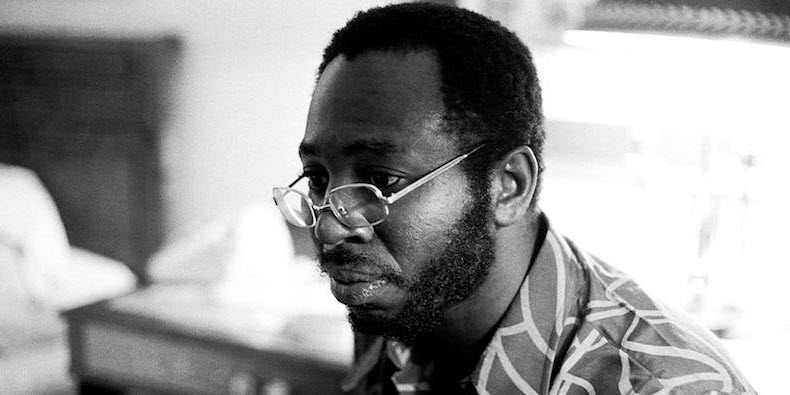
When it comes to soul, funk, and socially conscious music, few names shine as brightly as Curtis Mayfield. A visionary artist, a fearless storyteller, and a master of groove, Mayfield’s music transcended entertainment—it became a voice for change. From the soaring optimism of “Move On Up” to the gritty realism of “Pusherman,” his songs captured the hopes, struggles, and spirit of an era, while influencing countless artists across generations. Whether he was inspiring a civil rights march or soundtracking a streetwise film, Curtis brought an unmatched blend of lyrical honesty, musical sophistication, and emotional power to every note he touched.
In this article, we’re diving deep into the Top 10 Most Popular Curtis Mayfield Songs of All Time—the timeless tracks that continue to move hearts, ignite minds, and shake dance floors decades after their release. Each song is a testament to Mayfield’s genius: his ability to craft melodies that stick, lyrics that matter, and rhythms that refuse to be ignored. Whether you’re a lifelong fan or just discovering his magic, these songs are essential listening. Get ready to groove, reflect, and be inspired as we celebrate the enduring legacy of one of music’s true legends!
1. Move On Up (1970)
Released in 1970 on Curtis Mayfield’s first solo album Curtis, “Move On Up” stands as one of the most inspiring anthems of perseverance in music history. Propelled by a jubilant horn section, fast-paced percussion, and Mayfield’s unmistakable falsetto, the song radiates pure energy and positivity. Though it didn’t climb high on the U.S. charts at the time, its spirit of relentless optimism resonated deeply with listeners, growing into a beloved classic over the years. “Move On Up” encourages anyone facing obstacles to keep striving, keep dreaming, and to never lose faith in their journey. Its vibrant and infectious groove laid the groundwork for future generations of soul, funk, and hip-hop artists, who drew from its uplifting message and kinetic energy. Today, “Move On Up” is celebrated not only for its irresistible sound but also for its powerful, enduring message of resilience and hope. Few songs capture the sheer force of human determination quite like this one, making it a timeless call to action for anyone fighting to overcome the odds.
2. Superfly (1972)
When “Superfly” dropped in 1972 as the title track of the Super Fly soundtrack, it became an instant cultural milestone. Curtis Mayfield crafted a sound that was as slick and stylish as the film’s iconic imagery, anchored by a hypnotic wah-wah guitar riff and a smooth, unforgettable bassline. But beyond the song’s cool exterior, Mayfield’s lyrics delivered a deeper, more complex story about survival, ambition, and the harsh realities of inner-city life. Rather than glamorizing the film’s criminal underworld, he gave it weight and nuance, offering listeners a perspective filled with both swagger and sorrow. His layered vocals and sharp social commentary elevated “Superfly” far beyond its soundtrack origins—it became a defining song of the era, one that still feels fresh and relevant today. The track’s mix of streetwise cool and moral complexity solidified Mayfield’s reputation as a master storyteller, capable of blending gritty realism with unforgettable musical hooks.
3. Freddie’s Dead (1972)
“Freddie’s Dead,” another standout from the Super Fly soundtrack, was released in 1972 and quickly became one of Curtis Mayfield’s biggest hits. The song tells the heartbreaking story of Freddie, a character whose death is emblematic of the cycles of poverty, addiction, and societal neglect that plagued many inner-city communities. Musically, it’s mesmerizing—the deep, pulsing bassline and shimmering strings create a cinematic backdrop that pulls you right into Freddie’s world. Mayfield’s voice, aching with sorrow and urgency, transforms the personal tragedy into a broader commentary on systemic failure and injustice. Unlike many soundtrack songs that serve the film alone, “Freddie’s Dead” transcended its movie origins, standing alone as a politically charged anthem that forced listeners to confront uncomfortable truths. Its emotional depth and unflinching honesty made it one of Mayfield’s signature works, and it remains a chilling, powerful statement about the price of societal neglect.
4. Pusherman (1972)
Released in 1972 as part of the Super Fly soundtrack, “Pusherman” is one of Curtis Mayfield’s boldest and most provocative songs. With its slinky groove, layered percussion, and jazzy, funky basslines, the track immediately draws you into a world that’s seductive yet dangerous. Mayfield doesn’t preach or condemn; instead, he slips into the persona of a street dealer, offering a surprisingly nuanced portrayal of someone both victim and survivor of their environment. His almost whispered vocals give the track an eerie intimacy, making you feel like you’re eavesdropping on a confession. “Pusherman” was groundbreaking for its time, daring to explore the complexities of the drug trade without reducing it to simple morality tales. The song’s layered musical textures mirror the layered realities of the streets it portrays, making it one of Mayfield’s most daring—and enduring—pieces of social commentary. Even today, it’s a masterclass in empathy, storytelling, and groove.
5. People Get Ready (1965)
Released in 1965 during his time with The Impressions, “People Get Ready” is often hailed as one of the most beautiful and significant songs of the Civil Rights era. Blending gospel warmth with soul sincerity, Curtis Mayfield crafted a timeless message of hope, unity, and faith in the face of adversity. The song’s gentle horns, tender guitar strums, and Mayfield’s smooth, heartfelt vocals create an atmosphere that feels like a comforting embrace. “People Get Ready” isn’t just a song—it’s a spiritual movement, a call for all to board the metaphorical train toward a better, more just future. Written during one of America’s most turbulent times, it offered solace and inspiration to countless listeners and became an unofficial anthem of the Civil Rights Movement. Decades later, its universal message continues to resonate, reminding us that love, solidarity, and belief in change are timeless forces for good.
6. If There’s a Hell Below, We’re All Going to Go (1970)
Curtis Mayfield wasted no time making a statement with the explosive opening track of his 1970 solo album Curtis. “If There’s a Hell Below, We’re All Going to Go” begins with an unsettling spoken intro before diving headfirst into a thunderous bassline and a swirl of psychedelic, funk-infused chaos. Mayfield’s vocal delivery is raw and urgent, almost shouted at times, as he lays bare the deep divisions of American society—racism, war, inequality, and fear. This track wasn’t made to comfort; it was made to confront. Its fiery energy and unapologetic message marked a radical shift from the more polished soul sounds of the 1960s, pushing into grittier, more politically charged territory. Even today, its intensity remains electrifying. Mayfield didn’t just document the world around him—he challenged his listeners to face the truth, no matter how uncomfortable it might be. “If There’s a Hell Below” still sounds like a warning siren for a society on the brink.
7. (Don’t Worry) If There’s a Hell Below, We’re All Going to Go (1970)
Sometimes simply referred to as “Don’t Worry,” this powerhouse track deserves special attention despite sharing the same title as its full album opener. Beginning with a chilling spoken-word introduction about racial tensions and societal collapse, Curtis Mayfield plunges into one of his most intense performances. The thick, funky bassline churns under psychedelic wah-wah guitars, creating a sense of creeping dread that matches the song’s apocalyptic lyrics. Mayfield’s delivery swings between resigned coolness and urgent pleading, capturing the fear and frustration of a world that feels like it’s teetering on the edge. Revolutionary in both sound and content, “Don’t Worry” was a wake-up call, smashing through the sanitized image of soul music with a raw honesty that few artists dared to match. Its boldness paved the way for generations of socially conscious musicians, proving that music could be both brutally honest and irresistibly groovy.
8. The Makings of You (1970)
Among the powerful political statements on the Curtis album, “The Makings of You” shines as a tender, poetic ballad that highlights Curtis Mayfield’s softer side. Released in 1970, the song is a heartfelt tribute to love’s transformative power. Wrapped in a luxurious arrangement of strings, gentle rhythms, and delicate orchestration, Mayfield’s falsetto soars with vulnerability and gratitude. His lyrics paint a picture of pure admiration for the beauty found in another person, making it a perfect slow-burn love song. Unlike the heavier, politically charged tracks on the same album, “The Makings of You” offers a moment of serenity and deep emotional connection. It’s a reminder that even amidst societal chaos and personal struggle, love remains a constant source of strength and inspiration. The song’s graceful simplicity and emotional honesty have made it a favorite for generations of fans and artists alike, proving that Curtis Mayfield’s genius wasn’t confined to the streets—it also lived in the heart.
9. Keep On Keeping On (1970)
“Keep On Keeping On,” also from 1970’s Curtis, is a soulful anthem of perseverance that feels just as vital today as when it was first released. With a steady, toe-tapping rhythm and Mayfield’s warm, empathetic voice leading the way, the song encourages listeners to hold their heads high through life’s inevitable hardships. Mayfield’s message is simple yet profound: no matter how tough things get, you must keep moving forward. His lyrics speak directly to the struggles of Black Americans at the time but carry a universal resonance that crosses all boundaries. The song’s understated groove and optimistic spirit create an atmosphere of comfort and determination, offering strength without ever sounding preachy or forced. “Keep On Keeping On” is the kind of song you return to when you need a reminder that persistence pays off—and that even when progress feels slow, every step forward matters.
10. We the People Who Are Darker Than Blue (1970)
“We the People Who Are Darker Than Blue,” another standout from the Curtis album, is one of Curtis Mayfield’s most deeply emotional and socially conscious songs. In this slow-burning, soul-searching meditation, Mayfield addresses the wounds of racial prejudice and the importance of unity within the Black community. The song’s simmering groove gradually builds into a sweeping, impassioned plea for self-respect, love, and solidarity. Mayfield’s voice—at once mournful, proud, and full of hope—carries the weight of generations of struggle, making every word feel like a personal testament. Rather than preaching, he invites listeners to reflect and heal, creating a song that feels more like a communal prayer than a protest anthem. “We the People Who Are Darker Than Blue” remains one of Mayfield’s most stirring and masterful works, a testament to his ability to weave artistry, activism, and humanity into a single breathtaking piece of music.

Samuel Moore is a frequent contributor to Singers Room. Since 2005, Singersroom has been the voice of R&B around the world. Connect with us via social media below.









