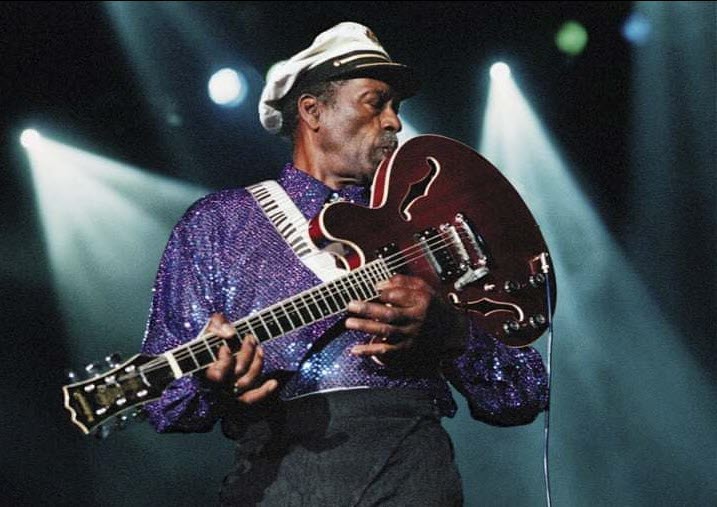
Few names in music history carry the weight and influence of Chuck Berry. Known as the “Father of Rock ‘n’ Roll,” Chuck Berry didn’t just play music—he created an entire movement. With his electrifying guitar riffs, clever lyrics, and magnetic stage presence, Berry shaped the future of rock music and inspired countless legends, from The Beatles to The Rolling Stones. But what truly cemented his legacy? The songs.
From swaggering anthems that defined the teenage spirit to timeless tracks that brought crowds to their feet, Chuck Berry’s catalog is a treasure trove of rock ‘n’ roll brilliance. His songs didn’t just dominate the airwaves; they captured the heart and soul of a generation. Whether you’re a lifelong fan or a curious newcomer, these tracks will take you on a journey through the golden age of music, showcasing Berry’s unmatched ability to blend rhythm, blues, and storytelling.
In this article, we’re counting down the top 10 most popular Chuck Berry songs of all time. Get ready to rediscover the hits that made rock ‘n’ roll history and celebrate the genius of a man whose music still resonates today. Let’s dive into the soundtrack of a legend!
1. Maybellene (1955)
When Chuck Berry released “Maybellene” in 1955, it was as if the gates of rock and roll were flung wide open. This high-octane track, inspired by a traditional fiddle tune, tells the story of a car chase fueled by both heartbreak and determination. With its driving rhythm and rapid-fire lyrics, “Maybellene” captures the restless spirit of the times. What truly sets this song apart is Berry’s electrifying guitar riff—a signature sound that would come to define the genre. His vocal delivery is equally dynamic, bringing urgency to the tale of a man chasing his love, both literally and figuratively. The song’s catchy chorus and infectious energy made it a hit, but its cultural impact went far beyond chart-topping success. “Maybellene” merged rhythm and blues with country influences in a way no one had done before, effectively creating a new sound that would influence generations of artists. Even today, it’s impossible to hear the song without feeling the thrill of the open road, the excitement of the chase, and the timeless appeal of rock and roll. It remains an essential cornerstone of the genre, a song that continues to ignite passion and energy with every play.
2. Roll Over Beethoven (1956)
Released in 1956, “Roll Over Beethoven” was Chuck Berry’s declaration that rock and roll had arrived and was here to stay. With its electrifying guitar intro and an infectious rhythm, the song quickly became a rallying cry for a new generation eager to break free from the constraints of classical music. Berry’s lyrics are bold and rebellious, bidding Beethoven—and by extension, the classical music world—a farewell in favor of the vibrant, up-tempo beats of rock and roll. It’s a song about youth claiming its space in the world, unashamedly pushing back against tradition to embrace something that felt fresh and exciting. The track’s energetic pace and catchy refrain made it an instant hit, but its cultural significance was even greater. Berry wasn’t just playing music—he was declaring a revolution. “Roll Over Beethoven” symbolized the changing times, marking the shift from the past to the future of music. For fans of rock and roll, this anthem gave them a voice, a reason to rally behind the genre and the freedom it represented. Its enduring popularity proves that Berry’s defiance of convention resonated far beyond his time. This song helped solidify him as a pioneer, a force in shaping the sound of modern music.
3. Johnny B. Goode (1958)
No discussion of Chuck Berry’s legacy is complete without mentioning “Johnny B. Goode.” Released in 1958, this song became not only Berry’s most iconic hit but also an anthem for anyone who ever dreamed of making it big in music. The track’s autobiographical nature, telling the tale of a young guitarist from humble beginnings who rises to fame, is universally relatable to anyone chasing their dreams. With its infectious guitar riff and energetic vocals, “Johnny B. Goode” is the perfect embodiment of rock and roll’s rebellious spirit. Berry’s intricate guitar solos and fiery performance made the song a true masterpiece, but it’s the storytelling that makes it timeless. The image of Johnny, with his “guitar in his hand,” creating magic and defying expectations, struck a chord with listeners everywhere. The song’s influence is so profound that it even found its way into space. In 1977, “Johnny B. Goode” was included on the Voyager Golden Record, a musical message to potential extraterrestrial life. Decades after its release, the song remains a cornerstone of rock music, inspiring countless musicians and listeners alike. It’s a celebration of talent, perseverance, and the power of music to change lives.
4. Sweet Little Sixteen (1958)
In 1958, Chuck Berry captured the essence of youthful exuberance with “Sweet Little Sixteen.” This catchy tune paints a vivid picture of a teenage girl who dreams of attending concerts, dancing, and basking in the glow of fame. The lyrics describe her obsession with music, specifically rock and roll, as she fantasizes about the stars she admires. “Sweet Little Sixteen” is filled with energy, boasting an upbeat tempo and a melody that sticks in your head long after the song ends. What makes the track so special is how it channels the excitement of youth—a time when everything felt larger than life. For the generation that was coming of age in the 1950s, the song served as a reflection of their own aspirations and dreams. Beyond its infectious melody, the song is a celebration of the power of music to shape identity and bring people together. Berry’s playful and vivid lyrics draw listeners into the world of a teenage fan who is completely enthralled by the possibilities of the rock and roll scene. The song’s success reflected the growing cultural shift toward youth-driven music, and it became a chart-topping hit that remains a defining moment in Berry’s storied career.
5. Rock and Roll Music (1957)
Chuck Berry’s “Rock and Roll Music,” released in 1957, is one of the most direct celebrations of the genre he helped define. With its lively piano chords and Berry’s signature guitar work, this track embodies the spirit of rock and roll: freedom, fun, and boundless energy. The song’s lyrics tell the story of a person who loves nothing more than to hear rock and roll music, with the belief that it’s the key to happiness. Its infectious rhythm, catchy chorus, and straightforward message made it an anthem for the rock and roll generation. Berry’s delivery is full of passion, making the song feel like a personal invitation to the dance floor. Whether you’re a dancer, a singer, or simply a fan of great music, “Rock and Roll Music” makes it clear that this genre is a universal language. Its impact over the years has been immense, with the song being covered by countless artists across various genres. The fact that it’s remained so relevant, even as musical tastes have evolved, speaks to the timeless appeal of rock and roll. Through this track, Berry once again proved his ability to craft songs that transcend time, speaking to the joy of music in its purest form.
6. School Days (1957)
Released in 1957, “School Days” is Chuck Berry’s nostalgic look at the life of an American teenager. The song’s lyrics reflect the high school experience, capturing both the struggles and the excitement of adolescence. From the classroom lessons to the moment of freedom when the school bell rings, Berry’s storytelling brings the high school years to life. The refrain, “Hail, hail rock and roll!” became a rallying cry for the new generation of young listeners who saw the genre as a source of liberation and joy. What makes “School Days” so enduring is its universal appeal. Whether you were part of the generation that first heard it or you discovered it years later, the song’s relatable message about youth, rebellion, and the love of music connects across decades. The lively piano riff and upbeat tempo make it easy to imagine teens dancing and having fun at their local jukebox, living out the carefree moments of their youth. It’s more than just a song about high school—it’s a song about the energy of youth, and it remains a timeless anthem for anyone who’s ever felt the thrill of dancing, dreaming, and living in the moment.
7. No Particular Place to Go (1964)
In 1964, Chuck Berry gave us the charmingly humorous “No Particular Place to Go,” a playful tale about a date that doesn’t go quite as planned. The song is full of wit and relatable moments, depicting a couple on a drive, only to find that they’re stuck in an awkward situation, with nowhere specific to go. The song’s charm lies in its storytelling—Berry’s clever lyrics take listeners through a series of small, relatable frustrations that everyone who’s ever been on a date can understand. The upbeat rhythm and infectious melody carry a carefree vibe, even though the song’s protagonist is dealing with a bit of romantic confusion. It’s this mix of humor and relatability that makes the track so enduring. Unlike many of Berry’s more rebellious or high-energy tracks, “No Particular Place to Go” has a laid-back, almost whimsical quality. The song’s catchy chorus and playful lyrics make it an unforgettable addition to Berry’s catalog, highlighting his ability to weave stories with ease. Whether you’re laughing at the situation or tapping your feet to the beat, “No Particular Place to Go” is a delightful snapshot of Berry’s unmatched ability to blend humor and heart in his music.
8. You Never Can Tell (1964)
“You Never Can Tell,” released in 1964, is one of Chuck Berry’s most delightful and unexpected tracks. Set to a catchy, Cajun-inspired rhythm, the song tells the story of young love and the blissful beginnings of a marriage. It follows the journey of a newlywed couple starting their life together, complete with vivid imagery of their first dance, their hopes for the future, and the love that binds them. The song is upbeat and filled with joy, but there’s also an element of mystery in the lyrics, as the narrator reflects on the unpredictable nature of love. What makes “You Never Can Tell” so special is its infectious rhythm and its ability to capture the essence of young love in all its charm and uncertainty. The song’s upbeat, danceable quality made it a hit in the 1960s, but it found a second wave of popularity in the 1990s when it was famously featured in Quentin Tarantino’s Pulp Fiction. The song’s use in the film made it feel timeless, and its clever storytelling and lively beat have kept it a favorite among music lovers and film fans alike. It’s a perfect example of how Berry’s songs transcend time, always speaking to the joy of love and life’s happy surprises.
9. Memphis, Tennessee (1959)
Released in 1959, “Memphis, Tennessee” is a deeply emotional and poignant song that showcases Chuck Berry’s skill as a storyteller. The song tells the tale of a father who is trying to reconnect with his daughter, whom he has been separated from. Set against the backdrop of the city of Memphis, the song’s lyrics are full of longing and heartache as the narrator tries to reach his daughter, who is living with her mother. Berry’s vocal delivery is heartfelt, and his guitar work enhances the emotional weight of the song, creating a sense of yearning and desperation. The story’s simplicity and directness make it all the more powerful. Unlike some of Berry’s other, more playful tracks, “Memphis, Tennessee” is deeply personal and vulnerable, tackling themes of family, separation, and the desire for reconciliation. The melody is smooth and soulful, giving the song a tenderness that complements the narrative perfectly. “Memphis, Tennessee” stands out as one of Chuck Berry’s most emotional compositions, proving that his musical genius extended far beyond high-energy rock and roll. It’s a timeless ballad that resonates with anyone who has ever experienced the pain of separation and the hope of reuniting with loved ones.
10. Brown Eyed Handsome Man (1956)
Released in 1956, “Brown Eyed Handsome Man” is a playful and rhythmically charged track that showcases Chuck Berry’s signature blend of clever wordplay and infectious melodies. The song is a celebration of a man who possesses undeniable charisma, with the lyrics describing his charm and the way he captures the attention of those around him. What makes this track stand out is Berry’s witty commentary on beauty, race, and social dynamics. Through his use of humor and smooth guitar riffs, Berry addresses societal themes without ever sounding preachy. The song’s upbeat tempo and catchy hooks make it an irresistible earworm, with the rhythm propelling the track forward in a way that demands listeners to move with it. The “brown-eyed handsome man” in the song is both a romantic figure and a symbol of resilience, a man who knows his worth and has the world at his feet. Beyond its catchy tune, “Brown Eyed Handsome Man” is also an exploration of identity and charm, wrapped up in a clever, danceable package. It’s a prime example of Berry’s ability to blend humor, social commentary, and unforgettable melodies into a single song—making it one of his most enduring and beloved tracks.

Edward Tomlin is a frequent contributor to Singers Room. Since 2005, Singersroom has been the voice of R&B around the world. Connect with us via social media below.









