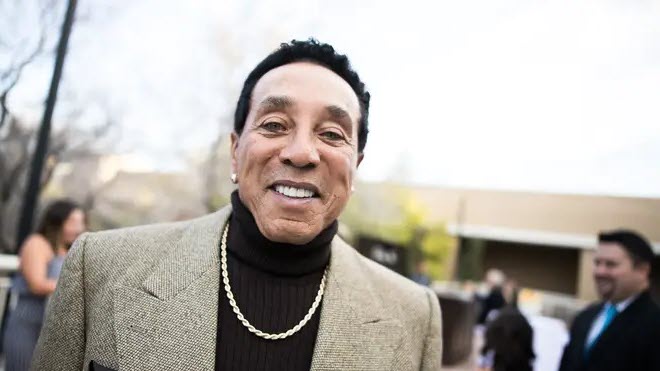
Smokey Robinson isn’t just a name in the Motown hall of fame—he is Motown. With a voice as smooth as velvet and lyrics that speak directly to the soul, Robinson has spent over six decades turning heartache, romance, and raw emotion into timeless music. Whether fronting The Miracles or shining as a solo artist, Smokey carved out a sound that defined generations and influenced icons from The Beatles to Alicia Keys. His songs are more than just chart-toppers—they’re emotional landmarks that have soundtracked first dances, breakups, and everything in between. But which of his many classics truly stand the test of time? From the slow-burning intimacy of “Cruisin’” to the poetic brilliance of “The Tracks of My Tears,” we’re counting down the top 10 most popular Smokey Robinson songs of all time—the ones fans still play on repeat, the ones that made history, and the ones that continue to stir hearts. Whether you’re a lifelong fan or just discovering the magic, this list will take you on a soulful journey through the very best of Smokey’s legendary catalog. Let the falsetto fly and the melodies move you—this is Smokey Robinson at his finest.
1. “The Tracks of My Tears” (1965)
Released in 1965, “The Tracks of My Tears” is arguably Smokey Robinson’s lyrical masterpiece. With The Miracles, he crafted a song that blended poetic vulnerability with Motown’s signature polish. The track opens with a gentle guitar riff that eases into Smokey’s aching falsetto, where he sings not just about heartbreak, but about the effort to hide it. The metaphor of “tracks” left by tears behind a smiling face struck a universal chord, making it one of the most relatable ballads of the era. The emotional depth of the lyrics, paired with the group’s lush harmonies, helped the song climb both pop and R&B charts. Beyond its chart success, this song solidified Smokey’s reputation as one of the finest songwriters of his generation. It’s been honored by the Grammy Hall of Fame and consistently appears on “greatest songs of all time” lists. Its legacy is enduring because it doesn’t just talk about sadness—it captures the quiet, often unseen pain of heartbreak. With every listen, you feel the ache of someone who’s smiling through sorrow, and that timeless emotion is what makes this song unforgettable.
2. “Cruisin'” (1979)
In 1979, Smokey Robinson redefined the smooth soul ballad with “Cruisin’”, a sultry, slow-burning track that became a surprise solo hit. Unlike the doo-wop-infused Motown sounds of his earlier work, this song was laid-back, sensual, and soaked in atmosphere. Smokey’s delivery is tender and restrained, drawing listeners in like a whisper in the dark. The song doesn’t rush—its charm lies in its patience, letting the groove simmer while Smokey sings about the joy of simply driving with someone you love, without destination. It’s a love song that celebrates presence over passion, intimacy over intensity. The chorus—“I love it when we’re cruisin’ together”—became instantly iconic. This track found new life decades later with covers by artists like D’Angelo and Huey Lewis & Gwyneth Paltrow, but the original’s dreamy elegance remains unmatched. With “Cruisin’”, Smokey proved that his artistry could evolve with the times while still staying true to the emotional core that made him a legend.
3. “The Tears of a Clown” (1970)
Originally recorded in 1967 and released as a single in 1970, “The Tears of a Clown” became Smokey Robinson & The Miracles’ first No. 1 hit on the Billboard Hot 100. The song is a brilliant juxtaposition of upbeat, circus-like instrumentation and deeply melancholy lyrics. Co-written with Stevie Wonder and Hank Cosby, it features a whimsical calliope intro that sets a playful tone—only to be undercut by Smokey’s story of emotional isolation. The narrator hides his sadness behind a mask, much like a clown who performs with joy while crying inside. Smokey’s voice delivers the irony with finesse, making the pain all the more poignant. It was this emotional complexity, paired with a catchy melody, that captivated listeners and launched the song to international success. “The Tears of a Clown” is a masterclass in contrast—cheerful on the surface, devastating underneath—and it stands as one of the most clever and enduring Motown singles ever released.
4. “Being with You” (1981)
Released in 1981, “Being with You” marked a high point in Smokey Robinson’s solo career, showcasing his ability to create timeless love songs long after his Miracles days. This track leans into soft pop and contemporary R&B, but it’s Smokey’s voice—smooth, sincere, and unmistakably heartfelt—that elevates it. The lyrics tell a simple story: love conquers all. Even as others disapprove of his relationship, the narrator insists that nothing matters more than being with the one he loves. It’s a universal sentiment, delivered with elegance. The production is sleek and radio-ready, with just enough of a groove to keep it lively. The song became a global hit, reaching No. 1 in the UK and No. 2 in the US. Its success proved that Smokey didn’t need a group behind him to captivate an audience. “Being with You” is a gentle anthem for anyone who’s ever chosen love over logic, and it remains a beloved staple of quiet storm playlists everywhere.
5. “Ooo Baby Baby” (1965)
Few ballads ache quite like “Ooo Baby Baby”, released in 1965 by Smokey Robinson & The Miracles. It’s a slow, tender confession of regret and longing, and from the first falsetto note, it’s clear you’re in for an emotional journey. The song is built on a simple melody and spare arrangement, allowing Smokey’s delicate vocal to take center stage. His voice breaks in all the right places, making the listener feel every ounce of remorse behind the lyrics. The Miracles’ harmonies float like a soft echo, giving the song a dreamlike quality. Though it peaked modestly on the charts upon release, its influence has been enormous. Artists like Linda Ronstadt and Aretha Franklin later covered it, a testament to its enduring power. “Ooo Baby Baby” isn’t flashy—it’s honest, raw, and utterly human. It captures the feeling of having made a mistake and desperately wanting a second chance, making it one of Smokey’s most emotionally resonant songs.
6. “I Second That Emotion” (1967)
With its clever title and irresistible groove, “I Second That Emotion”, released in 1967, is one of Smokey Robinson & The Miracles’ most infectious tracks. Inspired by a slip of the tongue during a shopping trip—“I second that emotion” instead of “motion”—the phrase turned into a metaphor for mutual affection. The song’s upbeat tempo and bouncy bass line make it an instant toe-tapper, while Smokey’s smooth vocals give the lyrics a flirtatious charm. It’s playful without being trivial, romantic without being sappy. The harmonies from The Miracles add texture and warmth, creating a sound that’s as fun as it is polished. The song became a major crossover hit, charting high on both R&B and pop charts, and it helped cement Smokey’s reputation as a songwriter who could turn everyday phrases into soulful poetry. “I Second That Emotion” remains a feel-good classic, perfect for any playlist that needs a little groove and a lot of heart.
7. “You’ve Really Got a Hold on Me” (1962)
Released in 1962, “You’ve Really Got a Hold on Me” is an early example of Smokey Robinson’s lyrical genius and emotional depth. Written during a tour in New York, the song captures the inner conflict of a person torn between love and frustration. “I don’t like you, but I love you” is a line that perfectly encapsulates that struggle, and Smokey’s delivery makes it feel painfully real. The track features a slow, bluesy groove that was a departure from the standard Motown formula, giving it a gritty, heartfelt edge. The Miracles’ backing vocals add richness, while the organ and guitar subtly build tension. The song became a Top 10 hit and was famously covered by The Beatles, cementing its place in musical history. It showcases Smokey’s early mastery of emotional storytelling and set the tone for many soul ballads that followed. Even six decades later, it still speaks to anyone who’s ever felt trapped by their own heart.
8. “Shop Around” (1960)
“Shop Around”, released in 1960, was not only Smokey Robinson’s first big hit—it was also Motown’s first million-seller. Produced by Berry Gordy, the song delivered a message from a mother to her son: don’t settle down too soon; play the field first. This playful advice becomes a catchy narrative that blends humor with heart. Musically, it’s an upbeat rhythm and blues number that marked a turning point in Motown’s sound. Smokey’s youthful voice carries both charm and curiosity, while The Miracles provide tight, doo-wop-style harmonies. The song’s success put both the group and the label on the map, launching Motown into national prominence. “Shop Around” is more than just a catchy tune—it’s a piece of musical history. It introduced the world to Smokey’s storytelling style and proved that R&B could be both commercially viable and artistically rich. Its infectious rhythm and memorable message continue to resonate with generations of listeners.
9. “Quiet Storm” (1975)
When “Quiet Storm” was released in 1975, it didn’t just become a standout track—it birthed an entire radio format. The song, and the album of the same name, introduced a gentler, more intimate side of soul music. With lush instrumentation, soft rhythms, and Smokey’s silky vocals, “Quiet Storm” created a mood that was perfect for late-night listening. The lyrics are romantic and introspective, inviting the listener into a world of emotional depth and tranquility. Smokey’s delivery feels like a private serenade, full of warmth and subtle power. While it wasn’t a massive chart hit, its cultural impact is undeniable. Radio stations across the country created “quiet storm” segments based on its vibe—a mix of mellow, sensual R&B that still thrives today. The song is a testament to Smokey’s ability to innovate and redefine the boundaries of soul. It’s not just a track—it’s a genre-defining moment that continues to ripple through modern R&B.
10. “Baby, Baby Don’t Cry” (1969)
Released in 1969, “Baby, Baby Don’t Cry” is a lush, emotionally rich ballad that showcases Smokey Robinson’s gift for comforting lyrics wrapped in elegant melodies. The song begins with a gentle piano and strings before Smokey’s tender voice enters, offering solace and encouragement to a partner in pain. “Dry your eyes and smile again,” he sings, with a sincerity that hits straight to the heart. The Miracles’ harmonies are soft and soothing, creating a blanket of sound that supports the song’s message of hope and resilience. It was a commercial success, reaching the Top 10 on the Billboard Hot 100, and it marked one of the last big hits for the group before Smokey’s transition to solo work. Unlike some of his more upbeat numbers, “Baby, Baby Don’t Cry” is about emotional healing and connection. It’s a quiet anthem for anyone who’s ever needed reassurance, and it remains one of Smokey’s most compassionate and beautifully arranged songs.

Samuel Moore is a frequent contributor to Singers Room. Since 2005, Singersroom has been the voice of R&B around the world. Connect with us via social media below.









