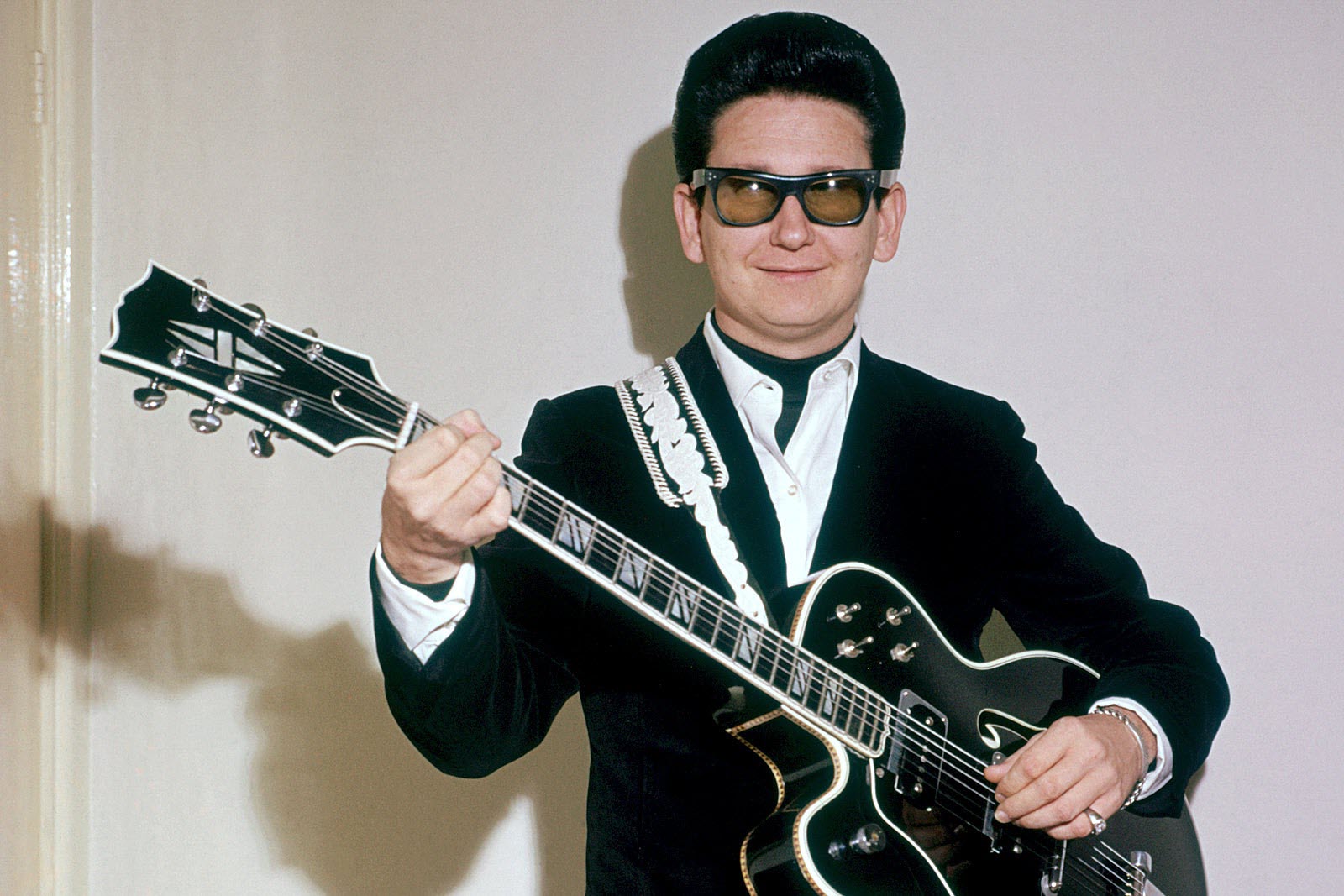
Roy Orbison, the man with the velvet voice and a pair of signature sunglasses, remains one of the most iconic figures in music history. With his unparalleled vocal range, haunting melodies, and deeply emotional lyrics, Orbison’s music has stood the test of time, captivating generations of fans across the globe. Whether through his heart-wrenching ballads or his soaring rock anthems, Orbison’s ability to draw listeners into his world of love, loss, and longing is a testament to his immense talent.
This article takes you on a journey through Orbison’s illustrious career, counting down the Top 10 Most Popular Roy Orbison Songs of All Time. From timeless classics like “Oh, Pretty Woman” that became instant cultural touchstones, to lesser-known gems that showcase his profound artistry, this list celebrates the breadth and depth of Orbison’s musical legacy. Each song is a story, a moment frozen in time, carried by a voice that could effortlessly transition from a whisper to an operatic crescendo.
Get ready to reminisce, rediscover, and fall in love all over again with the unforgettable music of Roy Orbison. These ten masterpieces are more than songs—they are pieces of history that continue to resonate today.
1. Oh, Pretty Woman (1964)
Roy Orbison’s “Oh, Pretty Woman” is undoubtedly one of the most iconic rock and roll songs ever recorded. Released in 1964, this track is an exuberant celebration of infatuation and desire, with its memorable opening riff and Orbison’s distinctive, soaring vocals. The song tells the story of a man who spots a beautiful woman walking down the street and is instantly captivated by her. His fascination is palpable, but there’s also a sense of urgency and yearning that makes the song irresistible.
Orbison’s powerful voice, which effortlessly transitions between smooth baritone and dramatic falsetto, perfectly complements the upbeat, rhythmic energy of the track. The accompanying instrumental arrangement is equally dynamic, with an unforgettable guitar riff that has become synonymous with the song. The interplay between Orbison’s emotive delivery and the song’s driving beat gives it an irresistible sense of momentum.
The song’s catchy hook, “Oh, pretty woman, walking down the street,” has embedded itself in popular culture, cementing the song’s status as a timeless classic. It became a global sensation, topping charts around the world and remaining one of Orbison’s most recognized hits. “Oh, Pretty Woman” is a perfect example of Orbison’s ability to blend romance, longing, and charm, making it a rock-and-roll anthem that still resonates with audiences today.
2. Crying (1961)
“Crying,” released in 1961, is one of Roy Orbison’s most emotionally charged and heart-wrenching ballads. The song encapsulates the pain and sorrow of unrequited love, with Orbison’s unmistakable falsetto conveying a deep sense of vulnerability. As the narrator reflects on a lost love, he struggles with the devastation of heartache, crying over the broken relationship that he cannot fix. The narrative is simple but universal, making it a timeless reflection on the raw emotions we all experience in love and loss.
Orbison’s vocal performance on this track is nothing short of extraordinary. His ability to soar into an aching falsetto while maintaining control over the raw emotion of the song is one of the hallmarks of his artistry. The aching beauty of his voice makes every note feel like a cry of anguish. The production is delicate, allowing the focus to remain on Orbison’s voice and the song’s poignant message.
“Crying” continues to be celebrated for its emotional depth, and its status as one of Orbison’s definitive heartbreak songs solidified it as one of the greatest ballads in music history. Its powerful lyrics, paired with Orbison’s emotional delivery, leave a lasting impression, making it a track that listeners will always come back to when they need a cathartic release.
3. Only the Lonely (1960)
Released in 1960, “Only the Lonely” marked a breakthrough moment in Roy Orbison’s career, introducing his unique style and vocal prowess to the world. The song’s sweeping orchestration and melancholy tone made it one of the defining pop ballads of the era. With its focus on the theme of loneliness, Orbison taps into a deep, universal emotion, exploring the sorrow of being alone and unfulfilled in love. His voice, rich and expressive, conveys the vulnerability of the narrator as he reflects on the emptiness of his life without love.
Orbison’s vocal delivery is one of the most striking elements of the song. He is able to effortlessly convey the pain of isolation, making the listener feel every word as if it were their own experience. The orchestral arrangement that accompanies him is lush and dramatic, heightening the song’s emotional depth and giving it a cinematic quality. As the song builds, the music intensifies, mirroring the growing emotional turmoil of the narrator.
“Only the Lonely” was not only a commercial success, but it also established Orbison as an artist capable of exploring the emotional complexities of the human experience. This track laid the foundation for his future work, demonstrating his unparalleled ability to blend vulnerability, grandeur, and heartache in a way that resonated with listeners then and continues to do so today.
4. In Dreams (1963)
“In Dreams,” released in 1963, stands as one of Roy Orbison’s most surreal and emotionally evocative songs. This haunting ballad is an exploration of lost love through the lens of dreams, a theme that Orbison masterfully navigates with his signature operatic vocal style. The narrator reflects on the dreamlike quality of a relationship that has ended, using the metaphor of dreaming to express the deep yearning and regret he feels for a love he cannot have.
The song opens with a soft, almost ethereal melody, building gradually into a powerful crescendo as Orbison’s voice soars. The cinematic quality of the track, with its lush orchestration and rich arrangements, mirrors the way dreams unfold—shifting between gentle moments of nostalgia and overwhelming waves of emotion. Orbison’s voice, full of longing and passion, captures the feeling of remembering someone you’ve lost, creating a sense of both beauty and melancholy.
“In Dreams” remains a standout in Orbison’s catalog for its lush production and emotional depth. Its surreal qualities and haunting lyrics make it a powerful reflection on love, loss, and the fragility of memory. It’s a song that transports listeners to a dreamlike world, leaving them suspended in the emotions of what once was, long after the final note fades away.
5. You Got It (1989)
Roy Orbison’s “You Got It” marked a triumphant return to the spotlight in 1989, bringing his legendary career into the late 1980s with a fresh yet timeless sound. The song, co-written with Jeff Lynne and Tom Petty, combines Orbison’s classic style with modern production techniques, creating a track that feels both nostalgic and contemporary. With its uplifting melody, smooth production, and Orbison’s unmistakable voice, “You Got It” quickly became an anthem for love and devotion.
The song’s lyrics are simple yet powerful, celebrating the feeling of unconditional love. Orbison’s delivery is full of warmth and sincerity, perfectly complementing the song’s upbeat rhythm and joyful vibe. The track’s production, with its shimmering guitars and rich layers of sound, gives it a bright, expansive feel that matches the theme of adoration. The song’s infectious energy made it an instant hit, resonating with fans old and new.
Tragically, Orbison passed away shortly after the release of “You Got It,” making the song a bittersweet final chapter in his career. Nevertheless, it remains one of his most beloved tracks, a testament to his enduring legacy as one of the greatest voices in rock and roll. “You Got It” is a fitting celebration of the love, talent, and artistry that defined Roy Orbison’s remarkable career.
6. Blue Bayou (1963)
Released in 1963, “Blue Bayou” is one of Roy Orbison’s most emotionally stirring ballads, capturing the essence of longing and nostalgia. The song paints a vivid picture of a peaceful, idyllic bayou, where the narrator dreams of returning to a simpler time, free from the pains and heartbreaks of life. Orbison’s deep, yearning voice conveys the sense of yearning for a place of solace and peace, while the gentle rhythm and melody mirror the tranquility of the bayou.
The arrangement is minimalist yet evocative, with a soft, steady beat and lush orchestration that gives the song a dreamlike quality. As Orbison pours his heart into the lyrics, his voice reaches a new level of vulnerability, expressing a longing for lost love and a sense of place that has slipped away. His delivery is tender and reflective, yet there’s an underlying strength in his voice that resonates with anyone who has ever felt the ache of missing something—or someone—dearly.
“Blue Bayou” is a testament to Orbison’s ability to convey deep emotions through music, blending his signature voice with hauntingly beautiful lyrics. The song continues to be a fan favorite, offering a sense of comfort and yearning that remains timeless, reminding us all of the power of memory and love.
7. Running Scared (1961)
“Running Scared,” released in 1961, is a dramatic and suspenseful ballad that showcases Roy Orbison’s vocal prowess in a thrilling narrative of love and fear. The song tells the story of a man who is terrified of losing his lover to another man, and his rising panic is mirrored in the intensifying instrumentation. The track is one of Orbison’s most dynamic, building in both emotion and tension as the narrator contemplates the possibility of his love slipping away.
Orbison’s vocal delivery is impeccable throughout, with his signature falsetto creating moments of soaring emotional release that mirror the growing anxiety in the song’s narrative. The tension between the soft verses and the powerful chorus adds a layer of suspense, leaving listeners on edge as Orbison’s voice builds to a stunning climax. The orchestration is equally dramatic, with strings and percussion heightening the sense of urgency.
“Running Scared” is an example of how Orbison can tell a complex emotional story through song. The combination of his vocal ability, lyrical depth, and the song’s suspenseful production make it a standout track in his discography. The song’s emotional intensity makes it one of his most memorable hits, earning its place as a defining moment in his career.
8. It’s Over (1964)
Released in 1964, “It’s Over” is a haunting ballad that captures the heart-wrenching devastation of a relationship falling apart. Orbison’s voice is at its most vulnerable here, as he delivers the song’s sorrowful message with remarkable emotional depth. The song is a reflection on the finality of a breakup, with Orbison’s rich, operatic voice beautifully conveying the pain of lost love. The orchestral arrangement adds a sense of grandeur, turning the heartbreak into a moment of dramatic beauty.
The song’s melancholy tone is further underscored by the use of strings and dramatic instrumental shifts, creating an atmosphere of despair and resignation. Orbison’s impeccable vocal control takes the listener through a rollercoaster of emotions, from the initial sadness to the overwhelming sense of finality as the song reaches its crescendo. The lines “It’s over, it’s over” echo with such weight that the listener feels the depth of the loss the narrator is experiencing.
“It’s Over” remains one of Orbison’s most powerful songs, thanks to its evocative lyrics, intricate orchestration, and the raw emotion in Orbison’s voice. It’s a track that continues to resonate with anyone who has experienced the end of a relationship, making it one of his most enduring and unforgettable works.
9. Dream Baby (How Long Must I Dream) (1962)
Released in 1962, “Dream Baby (How Long Must I Dream)” is a lively and infectious track that showcases a more upbeat side of Roy Orbison. Known for his heart-wrenching ballads, this song is a departure from that style, offering a fun and catchy melody that still carries his signature emotional depth. The song tells the story of a man who is deeply in love with someone he can only dream about, highlighting the feeling of longing and yearning through a more playful and upbeat lens.
The melody is upbeat and bouncy, creating an energetic feel that contrasts with the typical heartache in Orbison’s work. The rhythm is catchy, and the song’s joyful energy is complemented by Orbison’s powerful vocal performance. His voice, as always, is smooth and full of passion, but here, it carries a sense of hopefulness that is different from the desperation often found in his other hits.
“Dream Baby” is a perfect example of Orbison’s versatility as an artist, showing that he can infuse even the most dreamlike and hopeful emotions with his trademark style. The song’s upbeat energy and catchy refrain make it a standout track in his catalog, and it remains a beloved favorite for fans of his work.
10. Love Hurts (1961)
“Love Hurts,” originally released in 1961, is a timeless ballad that perfectly captures the vulnerability and pain of love. While it has been covered by numerous artists over the years, Roy Orbison’s original version remains one of the most iconic renditions. The song’s lyrics speak to the inevitable heartbreak that comes with love, and Orbison’s emotive voice brings them to life with heartbreaking clarity. His deep, soulful delivery makes the vulnerability in the lyrics feel real, giving the song an emotional depth that resonates with listeners on a universal level.
The track is slow and deliberate, allowing Orbison’s voice to carry the weight of the lyrics with raw sincerity. His falsetto is especially striking, adding a layer of emotion to the song that builds as it progresses. The orchestration is simple but effective, with the focus remaining on Orbison’s vocals, which convey both the heartache and the beauty of love’s bittersweet nature.
“Love Hurts” continues to stand the test of time because of its universal theme and Orbison’s unmatched vocal delivery. It remains a staple in the world of romantic ballads, capturing the essence of love in all its painful beauty. This track is an enduring testament to Orbison’s mastery of conveying deep emotional truth through music.

Edward Tomlin is a frequent contributor to Singers Room. Since 2005, Singersroom has been the voice of R&B around the world. Connect with us via social media below.









