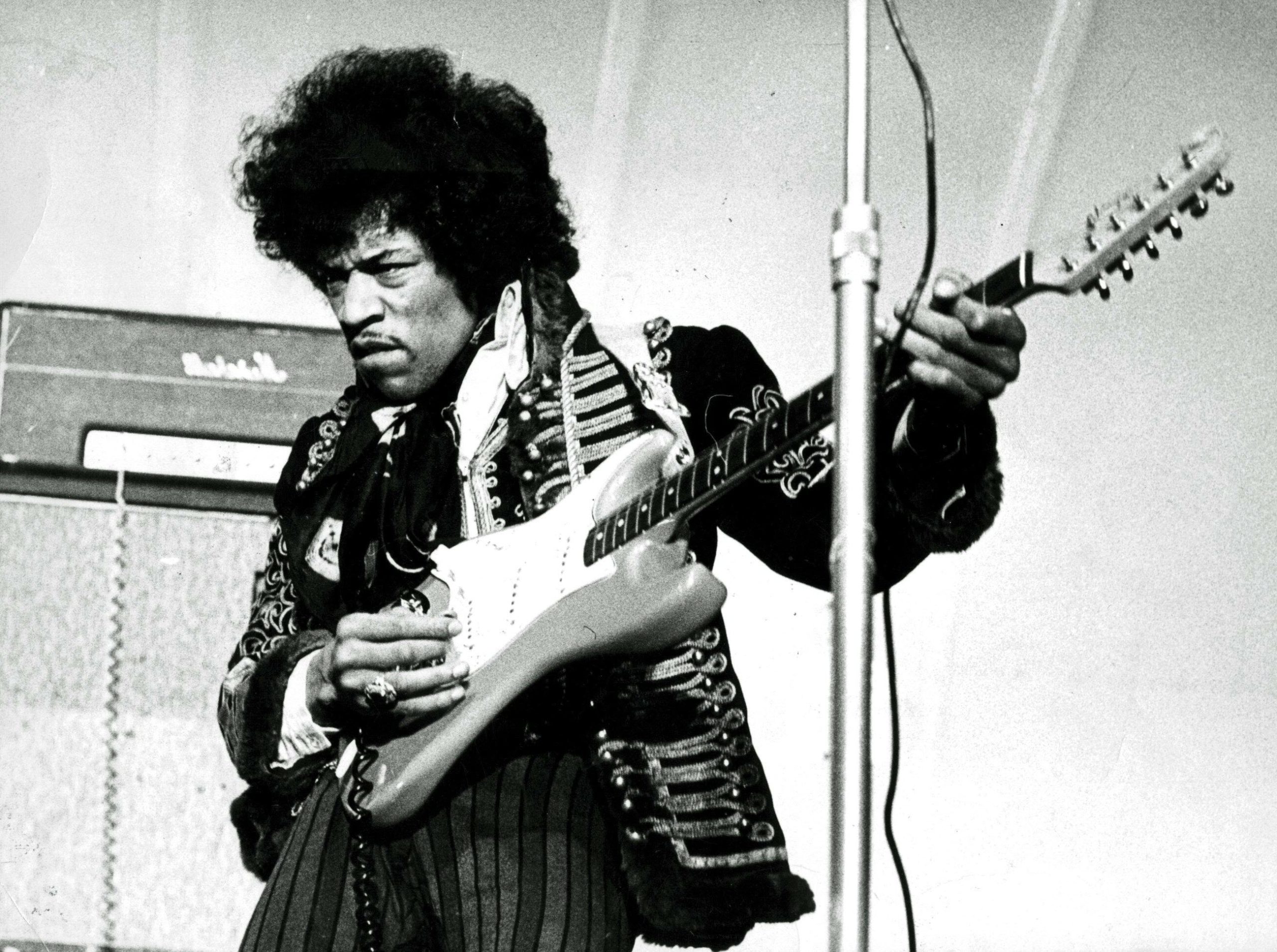
Get ready to take a trip—no passport required. We’re diving headfirst into the kaleidoscopic world of Psychedelic Rock, counting down the Top 15 Most Popular Best Psychedelic Rock Songs of All Time. These are the legendary tracks that shattered conventions, bent reality, and turned music into a mind-expanding experience.
Born in the counterculture of the ’60s and ’70s, psychedelic rock wasn’t just a sound—it was a revolution. With swirling guitar solos, experimental effects, cosmic lyrics, and hypnotic rhythms, these songs opened the doors of perception and invited listeners to step through. From the surreal brilliance of Pink Floyd’s Comfortably Numb to the electrifying chaos of Jimi Hendrix’s Purple Haze, and the colorful dreamscape of Jefferson Airplane’s White Rabbit, each track is a sonic journey like no other.
Whether you’re chasing nostalgia, seeking inspiration, or just ready to escape the ordinary, this playlist is your ticket to another dimension. These aren’t just songs—they’re psychedelic portals that challenge your senses and ignite your imagination.
So turn on, tune in, and drop the needle. It’s time to get lost in the sound. 🎸🌀🌈
1. “Sunshine of Your Love” – Cream (1967)
“Sunshine of Your Love” is one of the most recognizable riffs in rock history, blending blues and psychedelic rock into a hypnotic, heavy groove. Released in 1967, the song features Eric Clapton’s searing, distorted guitar, Jack Bruce’s rich, haunting vocals, and Ginger Baker’s unconventional, jazz-influenced drumming. Written after a late-night jam session, the lyrics convey an almost mystical sense of romantic longing. The track’s deep, rumbling bassline and extended instrumental sections helped bridge the gap between psychedelia and the emerging hard rock sound. With its bold fusion of blues and psychedelic rock, “Sunshine of Your Love” became a defining track of the late ’60s and a precursor to heavier rock movements.
2. “Somebody to Love” – Jefferson Airplane (1967)
Originally written by Darby Slick, “Somebody to Love” became an electrifying anthem when Jefferson Airplane recorded it for their 1967 album Surrealistic Pillow. Grace Slick’s fiery vocals transformed it into a powerful battle cry for a generation searching for meaning and connection in an era of social upheaval. The song’s driving rhythm, impassioned delivery, and urgent lyrics capture the essence of the 1960s counterculture movement. “When the truth is found to be lies,” Slick sings, encapsulating the disillusionment of the era. The song’s raw intensity and rebellious energy made it an enduring classic of psychedelic rock.
3. “Light My Fire” – The Doors (1967)
“Light My Fire” was the song that launched The Doors into rock superstardom. Released in 1967, it features one of the most recognizable intros in rock history—Ray Manzarek’s hypnotic organ melody, which sets the stage for the song’s slow-burning, seductive energy. Jim Morrison’s smoldering vocals and poetic lyrics elevate the track into a mesmerizing journey of passion and transcendence. The extended instrumental section on the album version features an improvisational jazz-infused guitar solo from Robby Krieger and swirling, free-form keyboard passages that stretch the boundaries of traditional rock songwriting. With its sultry atmosphere and otherworldly instrumental breaks, “Light My Fire” remains one of the most iconic psychedelic songs of all time.
4. “Lucy in the Sky with Diamonds” – The Beatles (1967)
Few songs capture the essence of psychedelic rock quite like Lucy in the Sky with Diamonds. Released in 1967 as part of Sgt. Pepper’s Lonely Hearts Club Band, this mesmerizing track immerses listeners in a world of surreal imagery and dreamlike landscapes. While many have speculated that the song is a coded reference to LSD, John Lennon always maintained that the inspiration came from a drawing his young son Julian had made of a classmate named Lucy. Musically, the track features an ethereal keyboard melody, shimmering guitar effects, and a structure that swings between hypnotic, floating verses and an ecstatic, soaring chorus. The result is a kaleidoscopic masterpiece that stands as one of The Beatles’ most iconic and imaginative recordings, forever etched into the fabric of psychedelic music.
5. “In-A-Gadda-Da-Vida” – Iron Butterfly (1968)
At a staggering 17 minutes long, In-A-Gadda-Da-Vida is less of a song and more of an odyssey into the heart of psychedelic rock. Released in 1968, it helped define the era’s experimental sound with its droning, hypnotic organ riff, raw, blues-infused guitar, and primal, pounding drum solo. The track’s title was a famously slurred mispronunciation of “In the Garden of Eden,” adding an air of mystery and legend to the song. The extended instrumental jam, filled with reverb-drenched guitars and swirling soundscapes, creates an almost trance-like experience. This epic piece would go on to influence heavy rock, metal, and progressive music, proving that psychedelia wasn’t just about mind-bending lyrics but also immersive, boundary-pushing sound.
6. “Time Has Come Today” – The Chambers Brothers (1967)
A fusion of psychedelic rock and soul, Time Has Come Today is a time-warping sonic adventure that captured the revolutionary spirit of the late 1960s. Released in 1967, the song is driven by an insistent, ticking-clock rhythm that builds into a chaotic explosion of sound. The echoing vocals, distorted guitar effects, and frenzied instrumental breakdown push the song into experimental territory, making it one of the most distinctive tracks of its time. Beyond its trippy sound, the lyrics serve as a call to action, reflecting the era’s urgency for change and social transformation. With its bold production and genre-blurring approach, Time Has Come Today left a lasting impact on rock, funk, and soul music alike.
7. “Eight Miles High” – The Byrds (1966)
Eight Miles High is a groundbreaking blend of psychedelic rock, free jazz, and Indian raga influences. Released in 1966, it pushed the boundaries of what rock music could be. Roger McGuinn’s dizzying, Coltrane-inspired guitar lines mimic the sensation of flight, while the cryptic lyrics describe The Byrds’ disorienting experience touring in London. The song’s abstract nature and references to an altered state of perception led to it being banned by some radio stations for alleged drug-related content. Despite this controversy, Eight Miles High became a defining moment in the evolution of psychedelic rock, influencing countless artists in both the rock and avant-garde music scenes.
8. “Astronomy Domine” – Pink Floyd (1967)
A cosmic voyage in musical form, Astronomy Domine is one of the earliest examples of Pink Floyd’s signature space rock sound. Released in 1967 on their debut album The Piper at the Gates of Dawn, this track captures Syd Barrett’s fascination with the universe and the unknown. Haunting vocals, eerie guitar effects, and hypnotic rhythms create an atmosphere that feels like drifting through the cosmos. The song’s interstellar theme and experimental approach set the stage for Pink Floyd’s later explorations into space rock and progressive music, leaving an undeniable mark on the genre.
9. “Magic Carpet Ride” – Steppenwolf (1968)
From the very first distorted guitar riff, Magic Carpet Ride sends listeners on a thrilling, high-energy journey through the psychedelic landscape of the late 1960s. Released in 1968, this song perfectly balances hard rock with swirling, surrealistic sounds. The pounding rhythm, fuzzed-out guitar tones, and otherworldly lyrics create an exhilarating sense of movement, making it feel like a wild, freewheeling adventure through the subconscious. More than just a hit single, Magic Carpet Ride became a defining anthem of the psychedelic rock era, showcasing Steppenwolf’s ability to merge raw power with trippy, mind-expanding soundscapes.
10. “Journey to the Center of the Mind” – The Amboy Dukes (1968)
A song that feels like a philosophical expedition, Journey to the Center of the Mind is one of the most evocative psychedelic rock tracks of its time. Released in 1968 by The Amboy Dukes—featuring a young Ted Nugent on guitar—the song is built on a driving rhythm, electrifying dual-guitar harmonies, and swirling, dreamlike effects. Its lyrics encourage self-exploration, hinting at altered states of consciousness and deeper dimensions of thought. Whether interpreted as a metaphor for personal discovery or an invitation to psychedelic exploration, Journey to the Center of the Mind remains a landmark in the genre, embodying the adventurous spirit of late-’60s rock.
11. “Purple Haze” – The Jimi Hendrix Experience (1967)
Few songs have defined a genre as powerfully as “Purple Haze.” Released in 1967, this track instantly established Jimi Hendrix as a revolutionary force in psychedelic rock. From the very first note, listeners are pulled into a whirlwind of distorted, electrifying guitar work that sounded like nothing before it. The song’s iconic opening riff is both eerie and exhilarating, setting the tone for a surreal sonic experience. Hendrix’s cryptic lyrics, often thought to reference an altered state of consciousness, enhance the song’s dreamlike, otherworldly quality. His innovative use of guitar effects—fuzz, feedback, and phasing—pushed the boundaries of what rock music could achieve. “Purple Haze” wasn’t just a song; it was a declaration that rock had entered a new, mind-expanding era.
12. “Tomorrow Never Knows” – The Beatles (1966)
The closing track of Revolver (1966), “Tomorrow Never Knows” was a groundbreaking departure from everything The Beatles had done before. John Lennon’s ethereal vocals, filtered through a rotating Leslie speaker, sound as if they are floating in a dream. The song’s hypnotic, looping drum pattern—one of Ringo Starr’s most inventive rhythms—anchors an eerie, experimental soundscape. Influenced by Eastern philosophy and The Tibetan Book of the Dead, the lyrics encourage letting go of the ego and embracing transcendence. Paul McCartney’s avant-garde tape loops and George Harrison’s Indian-inspired drones blend seamlessly with the track’s swirling, psychedelic textures. The result is a song that feels less like traditional rock and more like a sonic journey into the unknown.
13. “White Rabbit” – Jefferson Airplane (1967)
Inspired by Alice in Wonderland, “White Rabbit” is one of the most iconic psychedelic anthems of the 1960s. Released in 1967, it captured the rebellious spirit of the counterculture movement. Grace Slick’s commanding, hypnotic vocals lead listeners down a rabbit hole of cryptic imagery and veiled references to psychedelic experiences. The song’s steady, military-style rhythm—reminiscent of Ravel’s Boléro—builds in intensity, culminating in a climactic explosion of sound. The lyrics, which blend Lewis Carroll’s whimsical world with deeper social commentary, made “White Rabbit” both a cautionary tale and a call to expand one’s mind. Its haunting, surreal quality cemented it as a defining song of the Summer of Love.
14. “See Emily Play” – Pink Floyd (1967)
Long before Pink Floyd ventured into sprawling, cosmic soundscapes, they were pioneers of early psychedelic pop under the leadership of Syd Barrett. “See Emily Play,” released in 1967, is a perfect example of Barrett’s whimsical yet eerie songwriting style. The song’s dreamy, childlike quality is enhanced by its phased piano, echo-drenched guitars, and surreal lyrics. The identity of “Emily” remains an enigma, adding an air of mystery to the track. Barrett’s influence on psychedelic music is immeasurable, and this song showcases his unique ability to blend playful storytelling with an underlying sense of unease. Though his time with the band was short-lived, Barrett’s contributions to the genre left a lasting imprint.
15. “I Had Too Much to Dream (Last Night)” – The Electric Prunes (1966)
A quintessential garage-psychedelic track, “I Had Too Much to Dream (Last Night)” is a fever dream set to music. Released in 1966, the song opens with ghostly, reversed guitar effects that immediately create a sense of disorientation. The heavy fuzz-drenched guitars, combined with an emotionally charged vocal delivery, make it feel like the soundtrack to a love affair that exists somewhere between reality and hallucination. The lyrics describe an intoxicating vision of love, only to wake up to its absence. The song’s raw energy and trippy production helped define the psychedelic garage rock movement, making it a cult classic.

Samuel Moore is a frequent contributor to Singers Room. Since 2005, Singersroom has been the voice of R&B around the world. Connect with us via social media below.









