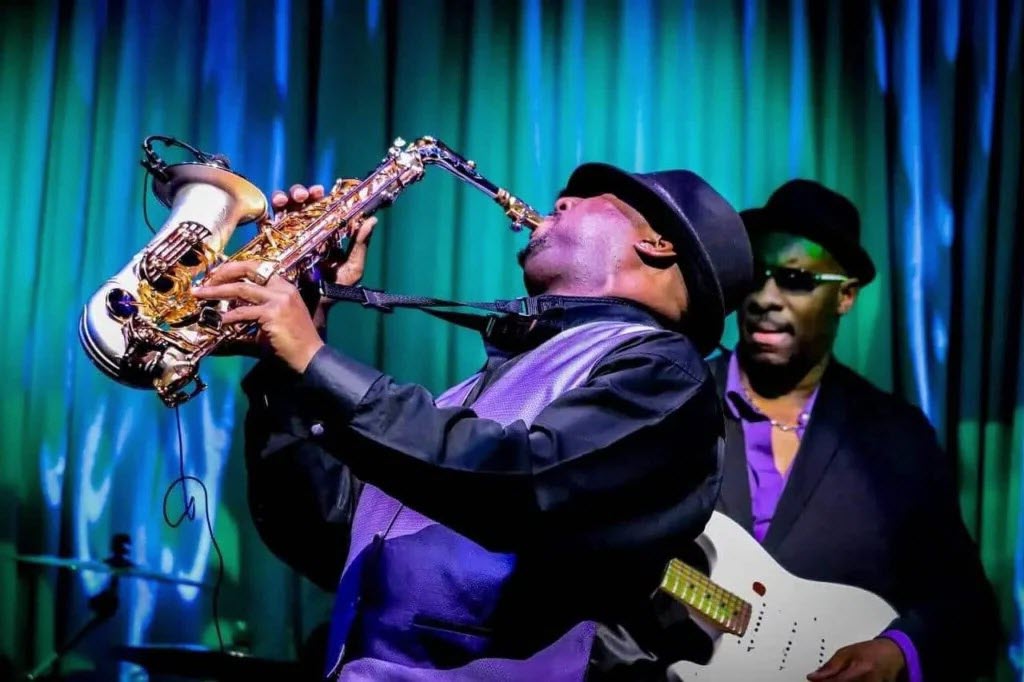
Step into a world where every note tells a story, every solo sparks emotion, and every rhythm swings with soul—welcome to the magic of jazz. With its roots in New Orleans and its branches reaching across the globe, jazz is more than music—it’s a living, breathing art form that has captured hearts for over a century. In this soulful countdown of the Top 15 Most Popular Best Jazz Songs of All Time, we’re celebrating the timeless tracks that shaped the genre and continue to inspire musicians and listeners alike. These are the songs that turned smoky clubs into sacred spaces, elevated improvisation into high art, and gave legends like Miles Davis, Ella Fitzgerald, Louis Armstrong, and John Coltrane their rightful place in music history. From smooth ballads to energetic bebop, each song on this list is a masterpiece that showcases the depth, complexity, and emotional power of jazz. Whether you’re a longtime aficionado or a newcomer ready to explore the genre’s golden age, this collection is your passport to the heart of jazz. So pour a drink, dim the lights, and let the music transport you—because these are the jazz songs that changed everything.
1. “Round Midnight” – Thelonious Monk (1944)
A hauntingly beautiful jazz ballad, “Round Midnight” is Thelonious Monk’s most famous composition and a cornerstone of jazz’s rich repertoire. First recorded in 1944, its melancholy, yet strangely uplifting melody has been interpreted by countless jazz greats, including Miles Davis and Ella Fitzgerald. Monk’s signature style—full of angular phrasing and unexpected dissonances—gives the song an enigmatic, dreamlike quality. Its deep emotional resonance has made it a favorite of late-night jazz sessions, capturing the solitude and introspection that often accompanies the midnight hour. Few jazz pieces have achieved such universal admiration, and “Round Midnight” remains one of the most evocative ballads in the genre.
2. “Summertime” – Billie Holiday (1936)
Originally composed by George Gershwin for the opera Porgy and Bess, “Summertime” became a jazz standard, thanks in large part to Billie Holiday’s unforgettable 1936 recording. Slowing the tempo and infusing the melody with her signature smoky, blues-tinged vocals, Holiday transformed the song into a deeply emotional and evocative piece. Her interpretation laid the foundation for future jazz icons like Ella Fitzgerald and Louis Armstrong to put their own spin on it. The song’s dreamy, languid feel perfectly captures the lazy, hazy days of summer, making it one of the most covered and beloved songs in jazz history.
3. “A Love Supreme, Pt. 1: Acknowledgement” – John Coltrane (1965)
The opening movement of A Love Supreme is more than just a song; it’s a spiritual experience. With “Acknowledgement,” John Coltrane embarked on a deeply personal musical journey, blending jazz improvisation with a profound sense of devotion. The composition revolves around a simple yet deeply powerful four-note motif, which Coltrane chants repetitively, reinforcing the song’s meditative essence. As the band—featuring McCoy Tyner, Jimmy Garrison, and Elvin Jones—builds in intensity, the track takes on a transcendental quality, reflecting Coltrane’s quest for higher meaning through music. A Love Supreme remains one of the most important jazz albums of all time, and “Acknowledgement” serves as its soul-stirring introduction, continuing to inspire generations of musicians and listeners alike.
4. “Strange Fruit” – Billie Holiday (1939)
Few songs in history carry the raw emotional weight of “Strange Fruit.” Billie Holiday’s haunting delivery transforms this song into a devastating protest against racial violence in America. Originally a poem by Abel Meeropol, the lyrics paint a stark, unflinching picture of lynching in the South, describing bodies hanging from trees as “strange fruit.” Holiday’s sparse, almost funeral-like arrangement intensifies the chilling impact, forcing listeners to confront a brutal reality. Her voice trembles with grief and quiet fury, making this not just a song, but a moment of reckoning. Over the decades, “Strange Fruit” has remained one of the most powerful statements in jazz and protest music, a testament to the ability of art to challenge injustice.
5. “Autumn Leaves” – Cannonball Adderley (1958)
Cannonball Adderley’s 1958 recording of “Autumn Leaves” stands as one of the most elegant interpretations of this timeless classic. Featuring the legendary Miles Davis on trumpet, this version captures the melancholic beauty of changing seasons with extraordinary sensitivity. Adderley’s alto saxophone sings with warmth and emotion, wrapping around the wistful melody like a fading memory. The interplay between the musicians is breathtaking, with blues-infused solos adding depth to the song’s somber yet romantic atmosphere. The lush harmonies and fluid improvisations make this rendition a staple in any jazz lover’s collection, proving that even a familiar standard can be reinvented with brilliance.
6. “Blue in Green” – Miles Davis (1959)
One of the most introspective pieces on Miles Davis’ landmark album Kind of Blue, “Blue in Green” is a delicate, almost ghostly ballad. The composition, often credited to both Davis and pianist Bill Evans, drifts through unresolved harmonies that evoke a sense of longing and quiet sorrow. Evans’ impressionistic piano lines float effortlessly beneath Davis’ muted trumpet, creating an atmosphere that feels both intimate and infinite. There is no rush in this piece—just space, breath, and emotion. It’s the kind of song that lingers in the mind long after the final note fades, an evocative masterpiece of jazz minimalism.
7. “All Blues” – Miles Davis (1959)
From the same groundbreaking album, “All Blues” is a hypnotic, rolling 6/8 blues that perfectly encapsulates the cool jazz aesthetic. Davis’ phrasing is effortless yet deeply expressive, allowing the groove to flow naturally while leaving room for spacious improvisation. John Coltrane’s saxophone adds a layer of depth, his expressive lines weaving through the steady, laid-back rhythm. The simplicity of the structure allows the musicians to explore mood and texture rather than complexity, making “All Blues” one of the most accessible yet profoundly rich jazz recordings ever made. It’s an essential piece for anyone looking to understand the magic of Kind of Blue.
8. “Misty” – Erroll Garner (1954)
Few jazz ballads are as instantly recognizable as “Misty.” Originally an instrumental by pianist Erroll Garner, this song drifts through lush harmonies and sweeping, cinematic chord progressions. Garner’s playing is full of expressive flourishes, giving the piece a dreamy, almost weightless quality. The song later gained even more fame when Johnny Mathis recorded a vocal version with lyrics, turning it into a love song that has endured for generations. But even without words, Garner’s original version captures a profound sense of romance and nostalgia, proving that a single piano can tell an entire story.
9. “Cheek to Cheek” – Fred Astaire / Ella Fitzgerald & Louis Armstrong (1935)
Originally introduced to audiences by Fred Astaire in the film Top Hat, “Cheek to Cheek” became a jazz standard thanks to its lighthearted charm and graceful melody. While Astaire’s version is iconic, the duet recorded by Ella Fitzgerald and Louis Armstrong transformed the song into a playful, swinging masterpiece. Fitzgerald’s silky vocals blend seamlessly with Armstrong’s signature gravelly voice, creating a contrast that feels both effortless and joyful. The song’s uplifting lyrics and bright, buoyant rhythm make it a favorite for dancers and jazz lovers alike, proving that sometimes, simple joy makes for the best music.
10. “Mood Indigo” – Duke Ellington (1930)
One of the earliest jazz compositions to showcase Duke Ellington’s brilliance, “Mood Indigo” remains a cornerstone of jazz balladry. Written in 1930, the song introduced audiences to Ellington’s masterful use of orchestration, particularly his innovative layering of horns to create rich, textured harmonies. With its slow, bluesy feel and sophisticated chord progressions, the piece perfectly captures the melancholy suggested by its title. It’s a song that feels both elegant and deeply personal, highlighting why Ellington was more than just a bandleader—he was a composer who reshaped jazz into an art form of endless emotional depth.
11. “Take Five” – The Dave Brubeck Quartet (1959)
Few jazz compositions are as instantly recognizable as “Take Five.” Written by Paul Desmond and performed by The Dave Brubeck Quartet, this track is a landmark in jazz history, thanks to its innovative 5/4 time signature—a rarity at the time. The song’s hypnotic piano vamp, intricate drum patterns by Joe Morello, and Desmond’s effortlessly smooth alto saxophone weave together to create a sound that feels both cool and adventurous. It’s a track that swings in an unconventional way, drawing listeners into its off-kilter groove. Not only did “Take Five” become the first jazz single to sell over a million copies, but it also proved that complex rhythms could still be irresistibly catchy, making it one of the most influential jazz pieces ever recorded.
12. “So What” – Miles Davis (1959)
Opening Kind of Blue, the best-selling jazz album of all time, “So What” is a defining moment in modal jazz. Unlike traditional jazz compositions that rely on intricate chord changes, this piece is built around just two chords, allowing for a more open, spacious sound. The track begins with Paul Chambers’ iconic bassline, setting a relaxed yet deeply engaging mood. Miles Davis’ trumpet solo is a masterclass in cool restraint, while John Coltrane’s and Cannonball Adderley’s saxophone lines stretch the possibilities of modal improvisation. With Bill Evans on piano and Jimmy Cobb on drums, the group creates a sound that is both laid-back and groundbreaking. “So What” remains one of jazz’s most celebrated and studied compositions, its simple yet profound structure continuing to inspire musicians across genres.
13. “My Favorite Things” – John Coltrane (1961)
Originally a Broadway show tune from The Sound of Music, “My Favorite Things” was completely reinvented by John Coltrane into an expansive jazz masterpiece. His decision to play soprano saxophone, rather than his usual tenor, added an ethereal, almost mystical quality to the track. Backed by McCoy Tyner on piano, Elvin Jones on drums, and Steve Davis on bass, Coltrane’s interpretation transforms the familiar melody into a hypnotic, modal exploration. The continuous vamp in the background creates an almost trance-like energy, allowing Coltrane’s improvisations to soar freely. This recording not only became one of his most commercially successful but also showcased his ability to merge Eastern musical influences with jazz, making it one of the most innovative jazz renditions of a popular tune.
14. “Sing, Sing, Sing” – Benny Goodman (1936)
Few songs embody the sheer excitement of the Swing Era like Benny Goodman’s “Sing, Sing, Sing.” Originally composed by Louis Prima, it was Goodman’s 1937 rendition that turned it into a jazz sensation. Driven by Gene Krupa’s relentless and thunderous drumming—one of the first extended drum solos in jazz history—the track bursts with energy from start to finish. Goodman’s blazing clarinet, combined with a powerful brass section, gives the song an electrifying intensity that made it a dancehall favorite. “Sing, Sing, Sing” isn’t just a piece of music; it’s a force of nature that captures the exhilarating spirit of swing, cementing its place as one of the most thrilling performances in jazz history.
15. “In the Mood” – Glenn Miller (1939)
If there’s one song that epitomizes the Big Band era, it’s Glenn Miller’s “In the Mood.” With its infectious saxophone riffs and triumphant brass interjections, this 1939 recording became an anthem of wartime America. The track’s dynamic build-up, alternating between quieter, sultry sections and explosive, full-band climaxes, made it a dancefloor staple. Even today, the song’s toe-tapping rhythm and irresistible energy make it impossible to ignore. Its enduring popularity is a testament to Miller’s genius in arranging a piece that feels as fresh and lively now as it did during the height of the swing era.

Samuel Moore is a frequent contributor to Singers Room. Since 2005, Singersroom has been the voice of R&B around the world. Connect with us via social media below.









