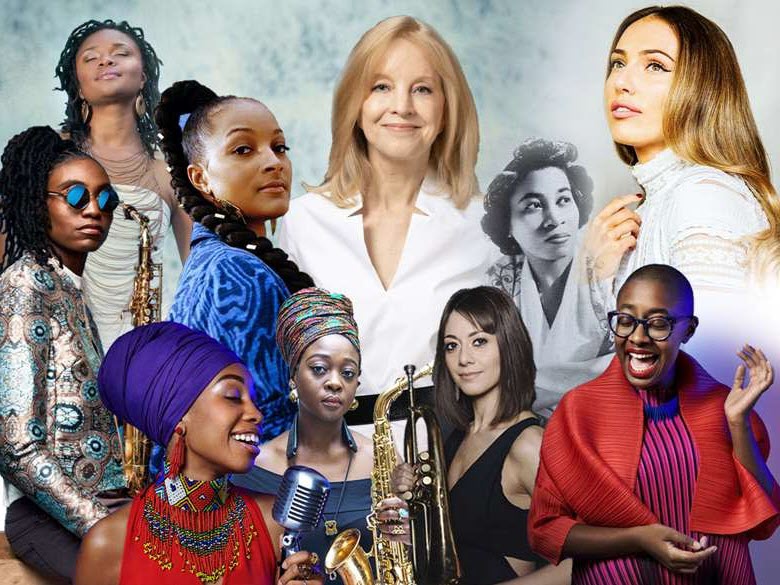
Jazz is more than just a genre—it’s a cultural movement, a language of the soul, and an enduring symbol of creativity and freedom. Born in the heart of New Orleans over a century ago, jazz has since evolved into a global phenomenon, captivating audiences with its improvisation, rhythm, and raw emotional power. From smoky bars to grand concert halls, this art form has given rise to some of the greatest musical pioneers in history.
In this article, we’re taking you on a journey through the lives and legacies of the 15 best jazz artists of all time. These are the trailblazers who broke boundaries, redefined music, and left an indelible mark on generations of listeners. Whether it’s the sultry voice of a legendary vocalist, the fiery improvisation of a bebop innovator, or the cool sophistication of a swing-era bandleader, these artists embody the heart and soul of jazz.
Get ready to rediscover the magic of artists like Louis Armstrong, Miles Davis, and Ella Fitzgerald, and uncover the stories behind their groundbreaking contributions. This is more than a list—it’s a celebration of the genius, passion, and artistry that make jazz truly unforgettable. Let’s dive in!
1. Louis Armstrong
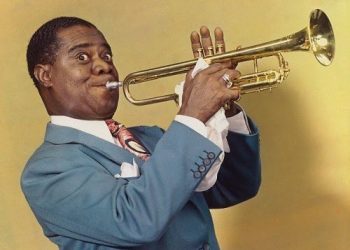
Louis Armstrong, affectionately known as “Satchmo,” is undeniably one of the most influential figures in the history of jazz. Born in New Orleans, the birthplace of jazz itself, Armstrong’s contributions to music transcend the boundaries of the genre. His gravelly, unique voice and unparalleled trumpet playing were groundbreaking and became the gold standard for jazz musicians. Armstrong’s joy and energy were infectious, with songs like “What a Wonderful World” and “Hello, Dolly!” exemplifying his ability to capture the beauty of life through music. His virtuosic trumpet solos, particularly in tracks like “West End Blues,” are still considered some of the finest in jazz. What set Armstrong apart was his innovative approach to improvisation, transforming the role of the trumpet from an accompanying instrument to a powerful voice in its own right. His stage presence, filled with warmth and charisma, captivated audiences around the world, making him an international icon. Armstrong’s influence on jazz is immeasurable, inspiring generations of musicians and listeners to appreciate the power of music as both a technical art form and a means of emotional expression. His legacy continues to shine brightly, proving his timeless relevance and importance in the world of jazz.
2. Duke Ellington
Duke Ellington was a true musical genius whose influence on jazz is immeasurable. As a composer, bandleader, and pianist, Ellington revolutionized jazz with his sophisticated, innovative approach to big band music. His ability to blend intricate arrangements with a smooth, timeless sound made him a towering figure in American music. Under his leadership, the Duke Ellington Orchestra became one of the most influential big bands in jazz history, producing classic hits like “Take the ‘A’ Train” and “It Don’t Mean a Thing (If It Ain’t Got That Swing).” These compositions, with their rich harmonies and catchy melodies, remain staples in the jazz repertoire. But Ellington’s genius went beyond mere arrangements—his deep understanding of the emotional power of music allowed him to experiment with a wide range of styles and genres. His influence extended far beyond jazz, as he became one of the first African American musicians to gain widespread recognition and success in mainstream American music. Ellington’s legacy continues to inspire musicians from all walks of life, and his body of work remains a cornerstone of the American musical canon, a testament to his brilliance as a composer and bandleader.
3. Miles Davis
Miles Davis is one of the most groundbreaking and revolutionary figures in the history of jazz. His ability to constantly reinvent himself, exploring new sounds and pushing musical boundaries, made him a pivotal force in the genre. From his early work in the bebop era with Charlie Parker to his later ventures into modal jazz and fusion, Davis’s career spanned more than five decades, each phase showcasing his limitless creativity. His album Kind of Blue remains one of the most influential jazz records of all time, with its haunting melodies and innovative use of modal scales. Davis didn’t just change the way jazz sounded; he also redefined the very role of the jazz trumpet, making it a powerful voice for expression and exploration. Later in his career, Davis embraced electronic instruments and fusion, most notably in the album Bitches Brew, which brought together jazz, rock, and electronic music in ways never before imagined. Davis’s enigmatic personality, combined with his visionary approach to music, earned him a reputation as one of the most iconic and influential musicians of the 20th century. His impact on jazz is immeasurable, and his legacy continues to shape the genre to this day.
4. John Coltrane
John Coltrane was a virtuoso saxophonist whose music transcended conventional boundaries and inspired countless musicians around the world. Known for his passionate playing and spiritual approach to music, Coltrane’s albums like A Love Supreme and Giant Steps are masterpieces that showcase his technical brilliance and deep emotional expression. Coltrane was a pioneer of modal jazz and played a key role in developing free jazz, a style that emphasized spontaneous, non-traditional improvisation. His relentless pursuit of musical transcendence was reflected in his compositions, where he often explored complex harmonic structures and challenging rhythms. Coltrane’s music was deeply spiritual, especially in albums like A Love Supreme, where he fused his religious beliefs with his music to create an almost otherworldly sound. Beyond his technical prowess, what made Coltrane’s playing so remarkable was his ability to convey deep emotion through every note. His relentless exploration of sound and his quest for musical freedom inspired an entire generation of musicians to seek new ways of expressing themselves. John Coltrane’s influence on jazz and music, in general, remains immense, and his work continues to resonate with listeners seeking to connect with the deeper, spiritual aspects of music.
5. Charlie Parker
Charlie Parker, known as “Bird,” was one of the most important figures in the development of bebop and a true innovator in the jazz world. His lightning-fast improvisations, harmonic creativity, and technical mastery on the alto saxophone transformed the landscape of jazz and inspired countless musicians. Parker’s contributions to jazz are vast, but perhaps his most significant achievement was the development of bebop, a fast-paced, complex style of jazz that emphasized improvisation and intricate melodies. Songs like “Ornithology” and “Ko-Ko” showcase his ability to create innovative melodies over rapidly changing chord progressions, which became a hallmark of the bebop style. Parker’s technical ability was unmatched, but it was his improvisational genius that truly set him apart. His solos were filled with unexpected twists, intricate runs, and harmonic exploration, challenging the conventions of jazz at the time. Despite his struggles with addiction and a short life, Parker’s impact on jazz is undeniable. He is considered one of the greatest saxophonists of all time and his legacy continues to shape the way jazz musicians approach improvisation. His music remains an essential part of jazz history, and his influence can be felt in nearly every genre of music that followed.
6. Ella Fitzgerald
Ella Fitzgerald, often referred to as “The First Lady of Song,” is widely regarded as one of the greatest vocalists of all time. Known for her impeccable voice, flawless technique, and extraordinary range, Fitzgerald’s contributions to music are immeasurable. Throughout her career, she became a master of jazz and pop standards, performing iconic songs like “Summertime,” “Cheek to Cheek,” and “A-Tisket, A-Tasket.” What made Fitzgerald so remarkable was her ability to effortlessly blend musical genres, from swing to bebop to ballads, with the same sense of passion and joy in every performance. Her scat singing, in particular, was groundbreaking, as she used her voice as an instrument to create intricate, improvisational melodies. Fitzgerald’s interpretations of the Great American Songbook are still regarded as some of the finest vocal performances in music history, and her collaborations with other jazz legends, such as Louis Armstrong and Duke Ellington, are some of the most beloved recordings in jazz. Her warm, expressive voice could convey the deepest emotions, and her impeccable phrasing and timing made her a master of both melody and rhythm. Ella Fitzgerald’s legacy as one of jazz’s most influential vocalists remains unmatched, and her music continues to captivate audiences worldwide.
7. Thelonious Monk
Thelonious Monk was one of the most distinctive and influential figures in jazz, known for his unorthodox approach to both playing the piano and composing. His style was characterized by unexpected chord changes, dissonant harmonies, and unconventional rhythms, which made his music stand out from the more traditional jazz of his time. Monk’s compositions, such as “Round Midnight” and “Straight, No Chaser,” have become jazz standards, beloved by musicians and listeners alike for their complexity and unique charm. His music was often described as “angular” because of its sharp contrasts and unusual phrasing, but it was also deeply soulful and expressive. Despite being somewhat of an outsider in the jazz world for his unconventional approach, Monk’s influence on modern jazz is undeniable. He was a key figure in the bebop movement, but his contributions went far beyond it, helping to shape the future of jazz for decades to come. Monk’s eccentric personality and enigmatic performances only added to his mystique, and his music continues to be a source of inspiration for jazz musicians and listeners alike. He is widely regarded as one of the most original and important jazz composers and pianists of the 20th century.
8. Billie Holiday
Billie Holiday’s voice was a vehicle for raw emotion, and her ability to convey sorrow, joy, and longing through song set her apart as one of the most powerful vocalists in jazz history. With her deeply expressive phrasing and unconventional delivery, Holiday brought an unmatched level of emotional depth to her performances. Her renditions of songs like “Strange Fruit” and “God Bless the Child” go beyond mere technical skill; they capture the heartache and resilience of the human experience. “Strange Fruit,” in particular, stands as one of the most haunting and impactful songs in American music history, as it tackled the brutal subject of racism and lynching. Holiday’s career was marked by her personal struggles, but her ability to transcend pain and communicate universal emotions through song remains one of her greatest accomplishments. Her voice, often described as imperfect yet utterly captivating, created a lasting emotional connection with listeners. Billie Holiday’s influence extends far beyond jazz, as her music continues to resonate with people across generations. She remains a symbol of strength, vulnerability, and the power of music to speak truth to power.
9. Dizzy Gillespie
Dizzy Gillespie was one of the most important figures in the development of bebop, the revolutionary jazz movement that emerged in the 1940s. Known for his virtuosic trumpet playing and larger-than-life personality, Gillespie became a symbol of the joyful and rebellious spirit of bebop. His trademark bent trumpet, a result of his high note playing, became iconic, just like his groundbreaking contributions to jazz music. Along with Charlie Parker, Gillespie helped to develop a new approach to jazz that emphasized complex harmonies, faster tempos, and intricate improvisation. Hits like “Salt Peanuts” and “A Night in Tunisia” are emblematic of his ability to blend virtuosic musicianship with joyful exuberance, creating a sound that was both innovative and deeply accessible. Gillespie’s influence extended far beyond bebop; he also played a key role in integrating Latin rhythms into jazz, which would later give rise to the fusion of jazz and Latin music. His boundless energy, charisma, and sense of humor made him a beloved figure both on and off the stage. Dizzy Gillespie’s legacy as a musical innovator and entertainer remains unmatched, and his contributions to jazz continue to inspire musicians today.
10. Sarah Vaughan
Sarah Vaughan, often referred to as “The Divine One,” was a vocalist whose range and emotional depth captivated audiences across genres. Known for her lush, operatic voice, Vaughan had an incredible ability to convey complex emotions with the slightest nuance in her phrasing. Her extraordinary vocal range, combined with her impeccable sense of timing and phrasing, made her one of the most influential jazz singers of all time. Vaughan’s interpretations of songs like “Misty” and “Tenderly” showcase not only her vocal prowess but her ability to bring deep meaning and personal expression to every song she performed. Her voice could effortlessly transition from rich, deep tones to soaring high notes, and she often displayed an incredible sense of improvisation, much like her jazz instrumentalist counterparts. Over the years, Vaughan became known for her versatility, tackling everything from jazz standards to classical arias and pop songs with the same mastery. Her ability to breathe life into any material she touched made her a beloved figure in the music world. Sarah Vaughan’s artistry remains a benchmark for vocal excellence, and her legacy as a jazz icon continues to inspire singers and musicians today.
11. Count Basie
Count Basie was a master of swing, and his orchestra was one of the most important big bands in the history of jazz. Known for his minimalist piano style and his ability to create powerful, swinging rhythms, Basie brought a fresh, energetic feel to jazz that made it accessible and exciting for audiences around the world. Basie’s sense of timing and ability to “lay back” on the beat gave his music a relaxed yet driving feel, making his band’s sound instantly recognizable. His compositions, such as “One O’Clock Jump” and “April in Paris,” became standards in the jazz repertoire, known for their catchy melodies and infectious rhythms. What set Basie apart from other big band leaders was his focus on simplicity and space—he knew when to keep things minimal and when to let the music breathe. His orchestra, with its tight arrangements and talented soloists, became the epitome of swing, and Basie’s influence can still be felt in jazz today. Count Basie’s contributions to jazz go beyond his music—his leadership and his approach to rhythm changed the way jazz was played, ensuring his place as one of the genre’s most enduring icons.
12. Art Blakey
Art Blakey was a legendary drummer and bandleader, best known for his work with the Jazz Messengers. With his dynamic playing and fiery, passionate approach to the drums, Blakey was a key figure in the development of hard bop, a subgenre of jazz that emphasized rhythm and blues, gospel, and jazz improvisation. Blakey’s drumming style was energetic and forceful, and his ability to drive a band forward with explosive power and precision made him one of the most respected drummers in jazz history. Albums like Moanin’ and A Night in Tunisia are testaments to Blakey’s ability to lead his band with both intensity and musicality. Blakey was also a mentor to countless young jazz musicians, many of whom went on to become stars in their own right, including Wayne Shorter, Freddie Hubbard, and Lee Morgan. He understood the importance of fostering new talent, and his Jazz Messengers became a breeding ground for some of the greatest jazz musicians of all time. Blakey’s influence on jazz drumming, and jazz as a whole, is immeasurable, and his legacy as both a performer and educator continues to inspire musicians today.
13. Stan Getz
Stan Getz was one of the most influential saxophonists in jazz history, known for his smooth, lyrical playing and his ability to blend jazz with other musical genres. Getz’s signature sound was characterized by a warm, mellow tone that became the perfect vehicle for the bossa nova rhythms that took the jazz world by storm in the 1960s. His collaboration with Brazilian musicians like João Gilberto and Astrud Gilberto resulted in the classic track “The Girl from Ipanema,” which became an international hit and helped bring bossa nova into the mainstream. Getz’s playing was deeply expressive, with a sensitivity and elegance that resonated with listeners around the world. He was able to take complex jazz ideas and deliver them with a simple, melodic beauty, making his music accessible to a wide audience. Getz’s work with bossa nova is still considered some of the most influential jazz of the era, and his smooth, cool style continues to be admired by saxophonists and jazz lovers. Stan Getz’s legacy as a master of the tenor saxophone and a key figure in the fusion of jazz and Latin music is undeniable, and his recordings remain some of the most beloved in jazz history.
14. Herbie Hancock
Herbie Hancock is one of the most versatile and innovative musicians in the history of jazz. A pianist, composer, and bandleader, Hancock has been at the forefront of jazz innovation for over six decades. His career began with his work as a young pianist in Miles Davis’s Second Great Quintet, where his groundbreaking contributions to modal jazz helped define a new era in jazz. However, Hancock’s career was far from static—he continually pushed the boundaries of jazz, embracing new technologies, incorporating funk rhythms, and experimenting with electronic music. Albums like Head Hunters and Thrust marked his transition into jazz fusion, blending jazz with funk and rock influences, and introducing groundbreaking compositions like “Chameleon.” Hancock’s ability to embrace change while maintaining the integrity of jazz has made him one of the genre’s most respected and influential figures. His collaborations with other jazz greats, including Wayne Shorter, Ron Carter, and Tony Williams, have produced some of the most influential recordings in jazz history. Hancock’s music continues to inspire generations of musicians, and his work remains a touchstone for anyone looking to explore the innovative potential of jazz.
15. Chet Baker
Chet Baker’s cool, understated trumpet style and hauntingly beautiful vocals made him one of the most distinctive and beloved figures in jazz. With his soft, lyrical playing and gentle phrasing, Baker’s trumpet was often described as having a voice-like quality that seemed to speak directly to the heart. His interpretation of the classic ballad “My Funny Valentine” remains one of the most iconic and emotionally charged versions ever recorded. Baker’s music had a melancholy quality, which, combined with his charming, often vulnerable persona, made his performances resonate deeply with listeners. Although his career was marred by personal struggles, Baker’s ability to convey deep emotion through both his trumpet and his voice elevated him to the status of a jazz legend. His minimalist approach to both trumpet playing and vocal delivery set him apart from his peers, allowing him to create an intimate, deeply personal style of jazz that remains timeless. Chet Baker’s contributions to the jazz world are still celebrated today, and his recordings continue to capture the quiet beauty and emotional depth that characterized his music.

Edward Tomlin is a frequent contributor to Singers Room. Since 2005, Singersroom has been the voice of R&B around the world. Connect with us via social media below.