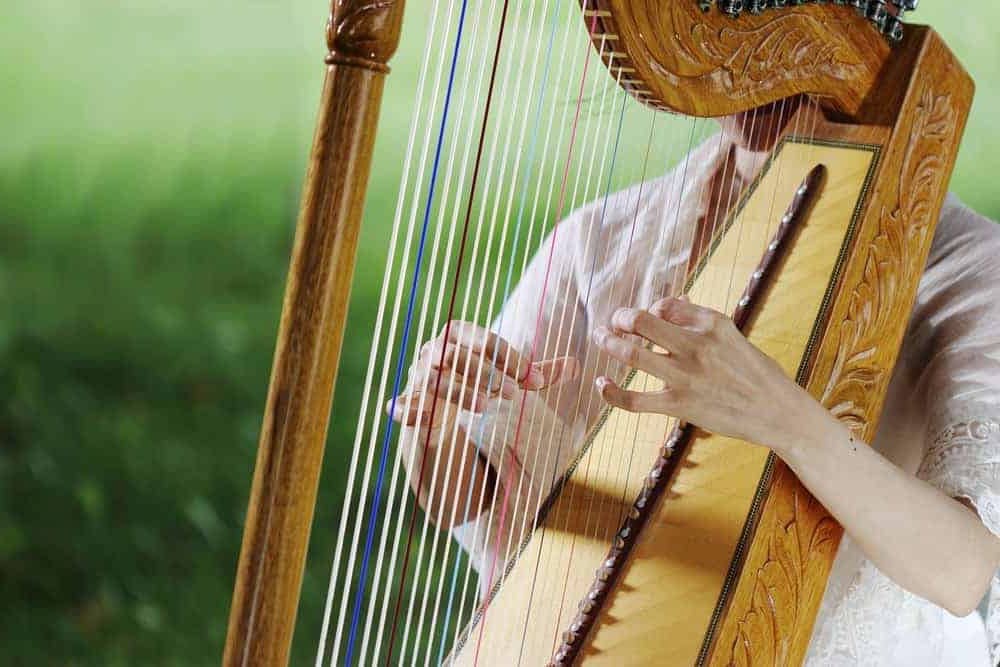
The harp, with its ethereal tones and timeless allure, has captivated audiences for centuries. As one of the most enchanting instruments in the world, it has lent its voice to symphonies, folk traditions, and even modern music, weaving a rich tapestry of sound that transcends genres and eras. But what truly makes the harp magical is not just its design or sound—it’s the artistry of the players who breathe life into it. From classical maestros to contemporary innovators, the world has seen a dazzling array of harpists who have shaped its history and elevated its beauty.
In this article, we celebrate the top 15 best harp players of all time—individuals whose talent, passion, and groundbreaking contributions have left an indelible mark on the music world. These virtuosos have not only mastered the intricate complexities of the harp but have also redefined its potential, inspiring countless musicians and listeners alike. Whether you’re a seasoned harp enthusiast or a curious newcomer, prepare to be enthralled as we journey through the lives and legacies of these extraordinary artists. From timeless legends to modern icons, this is a tribute to the brilliance and artistry that make the harp one of music’s most captivating treasures.
1. Carlos Salzedo
Carlos Salzedo, a French-American harpist, is often regarded as one of the most influential figures in the history of the harp. Born in 1885, he revolutionized the way the harp was played, introducing innovative techniques that are now essential to modern harp performance. Salzedo’s approach to the harp was both artistic and technical, infusing his performances with energy, passion, and a sense of storytelling. Among his groundbreaking contributions were the incorporation of glissandi effects, creating sweeping, expressive sounds that had never before been heard from the harp. His compositions also reflected his creativity, blending classical techniques with bold, contemporary ideas. As a performer, Salzedo’s charisma and emotional depth captivated audiences, and his influence extended beyond the concert stage. He dedicated much of his life to teaching, inspiring future generations of harpists through his pedagogical work. His legacy endures in the works he composed, the techniques he developed, and the countless harpists he mentored. Salzedo’s innovative spirit, combined with his deep musicality, forever changed the harp and elevated its role in classical music, ensuring the instrument would remain relevant and beloved for years to come.
2. Marcel Grandjany
Marcel Grandjany was a virtuoso harpist whose artistry and technical mastery shaped the sound of the harp in the 20th century. Born in France in 1891, Grandjany’s playing was known for its lyrical beauty and emotional depth, drawing listeners into the music with its intimate, expressive qualities. He was a master of blending technical precision with musicality, able to make the harp sound like a full orchestra at times, and at others, a delicate, intimate voice. Grandjany’s passion for the harp was reflected not only in his performances but also in his extensive teaching and compositional work. Many of his students went on to have successful careers of their own, carrying forward the rich tradition of harp playing that he helped shape. His contributions to the harp repertoire are also invaluable, with his compositions and arrangements adding to the instrument’s versatility and appeal. Grandjany’s impact extended beyond his personal performances, as he was instrumental in raising the harp’s profile within both the classical and modern music worlds. His legacy as both a teacher and performer continues to inspire harpists around the globe, ensuring that his influence remains deeply felt.
3. Nicanor Zabaleta
Nicanor Zabaleta, often referred to as the “Paganini of the harp,” was one of the most celebrated harpists of the 20th century, renowned for his extraordinary technique and passionate performances. Born in Spain in 1907, Zabaleta’s musical talent was apparent from an early age, and he quickly became a leading figure in the classical music world. His impeccable technique and expressive style made him one of the most admired harpists of his generation. Zabaleta’s performances were characterized by their intensity and emotional depth, as he brought a fiery, virtuosic energy to every piece he played. He was particularly known for his mastery of difficult harp works, performing with ease and precision that left audiences in awe. Throughout his career, Zabaleta toured extensively, enchanting audiences with his skill and unique interpretative approach. His influence extended beyond performance, as he was a respected educator and advocate for the harp. Zabaleta’s legacy lives on through his recordings and the generations of harpists he inspired. His contributions to the harp world were revolutionary, and his ability to bring both technical brilliance and deep emotion to the instrument has ensured that his place in music history is firmly secured.
4. Alice Chalifoux
Alice Chalifoux, often referred to as the “First Lady of the Harp,” was a trailblazer in the world of harp performance, and her career left an indelible mark on the field. Born in 1920, Chalifoux’s virtuosity, technical mastery, and musical sensitivity set her apart as one of the most respected harpists of the 20th century. As the principal harpist of the Cleveland Orchestra for over three decades, Chalifoux not only raised the profile of the harp within the orchestra but also set new standards for harp performance in orchestral settings. Her interpretations were known for their clarity, precision, and lyrical expressiveness, allowing the harp to shine as a voice of its own within the larger orchestral framework. In addition to her accomplishments as a performer, Chalifoux was also a dedicated teacher, mentoring countless students who went on to have successful careers of their own. Her contributions to the world of harp education were vital in shaping the future of the instrument. Chalifoux’s influence as both a performer and educator is still felt today, as her legacy continues to inspire harpists around the world, ensuring the future of the instrument remains bright.
5. Harpo Marx
Though best known as a comedian and a member of the famous Marx Brothers, Harpo Marx was also an extraordinarily talented harpist whose performances captivated audiences around the world. Born in 1888, Harpo’s comedic genius was matched only by his musical ability, and he often showcased his skills on the harp during his performances. His approach to the harp was uniquely expressive, blending humor with a sense of deep emotion. His ability to intertwine comedy and music in a way that was both entertaining and heartfelt made him a beloved figure in the entertainment world. Despite his comedic persona, Harpo was a serious musician, and his harp playing demonstrated a surprising depth and beauty that belied the playful nature of his on-screen character. He was self-taught on the harp, and his playing reflected a raw, unpolished quality that gave his performances a personal, charming touch. Harpo’s influence on the harp was unconventional, as he made the instrument accessible to a wider audience, helping to bring it into the spotlight in a way that hadn’t been done before. His legacy endures as both a comedic genius and a talented musician who showed that the harp could bring joy and emotion to any audience.
6. Lily Laskine
Lily Laskine was one of the most celebrated harpists of the 20th century, and she is remembered for her exceptional technique, delicate touch, and exquisite phrasing that brought new dimensions to the instrument. Born in 1901 in Paris, Laskine was one of the first women to achieve international recognition as a harpist, and her groundbreaking performances helped elevate the instrument to a prominent place in the classical music world. Known for her ability to convey both technical brilliance and emotional depth, Laskine’s playing was characterized by its clarity, elegance, and grace. Her interpretations of classical and contemporary harp repertoire were highly regarded, and she was especially admired for her ability to bring out the expressive potential of the harp. Laskine was also a pioneer for women in music, breaking barriers and proving that women could achieve the same level of success and recognition in classical music as their male counterparts. Her influence as both a performer and teacher has left a lasting impact on the harp world. Through her performances and her commitment to expanding the harp repertoire, Laskine’s legacy continues to inspire harpists and musicians of all kinds.
7. Yolanda Kondonassis
Yolanda Kondonassis is one of the foremost harpists of her generation, known for her technical brilliance, artistic sensitivity, and dedication to expanding the role of the harp in contemporary music. Born in the United States, Kondonassis has gained international recognition for her performances, which are celebrated for their precision, warmth, and expressive depth. She has performed with prestigious orchestras around the world, and her recordings have been praised for their musicality and technical excellence. What sets Kondonassis apart is not only her mastery of the traditional harp repertoire but also her ability to bring the instrument into modern musical landscapes. She has worked with living composers, premiering numerous new works for the harp and contributing to the development of the harp repertoire. In addition to her performing career, Kondonassis is also an advocate for the arts and the environment, using her platform to raise awareness about environmental causes. Her commitment to both music and activism makes her a unique and inspiring figure in the harp world. Kondonassis continues to inspire new generations of harpists, demonstrating that the harp is an instrument capable of both beauty and innovation in today’s musical world.
8. Anneleen Lenaerts
Anneleen Lenaerts is one of the most exciting and innovative young talents in the world of harp performance today. As the principal harpist of the prestigious Vienna Philharmonic Orchestra, Lenaerts has garnered attention for her breathtaking technique, expressive interpretations, and fresh approach to the harp. Her playing is marked by its brilliant clarity and musicality, as she seamlessly blends technical virtuosity with deep emotional expression. Lenaerts’ performances are celebrated for their richness and nuance, as she brings an unparalleled sense of artistry to every piece she plays. Her career has been marked by a commitment to pushing the boundaries of the harp, both in terms of technique and repertoire. She has embraced contemporary works and collaborations with composers, helping to expand the harp’s role in modern classical music. Lenaerts’ success as a performer is matched by her dedication to education and sharing her passion for the harp with the next generation. Her influence continues to grow, as she brings a new, dynamic energy to the world of harp music, ensuring that the future of the instrument is in capable hands. Lenaerts’ contribution to the harp world is just beginning, and she is already making an indelible mark on the future of harp performance.
9. Catrin Finch
Catrin Finch, known as the “Queen of Harps,” is a Welsh virtuoso whose versatility, charisma, and creativity have made her one of the most celebrated harpists of her generation. From classical masterpieces to collaborations with musicians from diverse musical traditions, Finch has proven time and time again that the harp can thrive in a variety of musical contexts. Her performances are known for their energy and passion, as she brings an infectious joy to the stage that captures the hearts of audiences worldwide. Finch’s playing is characterized by its technical brilliance and emotional depth, as she effortlessly navigates complex repertoires while maintaining a rich, expressive sound. Her work transcends the boundaries of classical music, as she has collaborated with artists from folk, jazz, and world music, showcasing the harp’s remarkable versatility and global appeal. Finch is also a passionate advocate for expanding the harp’s repertoire, commissioning new works from contemporary composers and ensuring that the harp remains an instrument that can evolve and thrive in the modern music world. Her contributions to the harp world have left an indelible mark, and her legacy continues to inspire harpists and music lovers alike.
10. Xavier de Maistre
Xavier de Maistre is a French harpist whose name is synonymous with technical precision, expressive artistry, and a deep understanding of the harp’s emotional potential. Throughout his career, de Maistre has earned critical acclaim for his innovative approach to both traditional and contemporary harp music. Known for his impeccable technique and poetic expressiveness, he has become one of the most distinguished harpists in the world today. De Maistre’s performances are marked by their clarity, sensitivity, and profound musicality, which have made him a favorite among both classical music lovers and harp enthusiasts. As a soloist, he has performed with renowned orchestras around the globe, capturing the attention of audiences with his ability to evoke a wide range of emotions through the harp. In addition to his performance career, de Maistre has made significant contributions to expanding the harp repertoire, commissioning works from contemporary composers and giving life to new music that challenges the conventions of the instrument. His artistry has helped elevate the harp to new heights, demonstrating its versatility in both solo and ensemble settings. Through his performances, recordings, and teaching, Xavier de Maistre continues to inspire the next generation of harpists, ensuring that the harp remains a vibrant and dynamic instrument in the classical world.
11. Deborah Henson-Conant
Deborah Henson-Conant is a groundbreaking figure in the world of harp music, renowned for her pioneering work in bringing the harp into the realms of jazz, rock, and popular music. Known for her electrifying performances on the electric harp, Henson-Conant has redefined what the instrument can do, blurring the lines between classical, jazz, and contemporary genres. Her performances are characterized by their energetic stage presence, vibrant sound, and innovative spirit. Henson-Conant’s ability to blend genres effortlessly has made her one of the most versatile harpists in the world, as she incorporates elements of improvisation, funk, and rock into her music. Her creativity has earned her a loyal following, as she continually pushes the boundaries of what is possible on the harp. Henson-Conant is also a passionate advocate for artistic freedom and expression, using her platform to encourage others to explore the limitless possibilities of music. Her dynamic presence and bold approach to music have made her a trailblazer, inspiring countless musicians to experiment with new sounds and styles. Through her unique voice, both on the harp and as a composer, Deborah Henson-Conant has proven that the harp is an instrument capable of breaking barriers and reaching audiences in new and exciting ways.
12. Park Stickney
Park Stickney is an innovative and eclectic jazz harpist who has transformed the way people think about the harp in contemporary music. Stickney has become renowned for his improvisational brilliance, blending the delicate sounds of the harp with the rhythmic energy of jazz, blues, and even rock music. His unique ability to explore the harp’s unexpected versatility has earned him recognition as one of the most exciting harpists of his generation. Park Stickney’s approach to the harp is anything but conventional—he combines technical skill with a playful, adventurous spirit that invites listeners to experience the harp in a completely new light. Through his improvisational performances, Stickney has shown that the harp can be just as dynamic and expressive in a jazz or contemporary context as it is in classical music. His music often challenges traditional notions of what the harp can do, incorporating elements of rhythm and syncopation that are typically associated with other instruments, such as the piano or guitar. Stickney’s performances are not just technically impressive but are filled with energy and spontaneity, making each performance a unique experience. As a true innovator, Park Stickney has helped redefine the possibilities of the harp, bringing it to new audiences and ensuring its place in the diverse world of contemporary music.
13. Edward Witsenburg
Edward Witsenburg was a Dutch harpist whose contributions to the world of harp music were marked by his pedagogical expertise, elegant performances, and passion for expanding the harp repertoire. Known for his graceful playing and technical mastery, Witsenburg was a beloved figure in both the academic and performance worlds. His interpretations of classical and modern works set a high standard for aspiring harpists, as he balanced precision with a deep emotional connection to the music. Witsenburg’s teaching was influential, shaping the careers of many harpists who went on to perform professionally. He was committed to both maintaining the rich traditions of the harp and incorporating new elements into the instrument’s repertoire, thus ensuring its continued relevance in modern music. In his performances, Witsenburg was known for his sensitivity to the subtleties of the harp’s sound, bringing out the instrument’s delicate textures and lush harmonies. He was a constant advocate for the harp, frequently performing in concerts and recitals that helped to showcase the harp’s versatility and beauty. Through his artistry, education, and dedication to the instrument, Edward Witsenburg left a lasting legacy that continues to inspire harpists around the world.
14. Marie-Claire Jamet
Marie-Claire Jamet was a legendary French harpist whose artistry and impeccable technique set a gold standard for harpists worldwide. Throughout her illustrious career, Jamet was known for her extraordinary ability to blend precision with lyrical expressiveness, creating performances that resonated deeply with her audiences. She was particularly renowned for her interpretations of the classical harp repertoire, with her recordings of works by composers like Ravel, Debussy, and Fauré often considered definitive. Jamet’s playing was marked by a beautiful clarity and a natural elegance that allowed her to bring out the subtleties of each piece she performed. She was also a passionate advocate for expanding the harp’s repertoire, commissioning new works and arranging music to bring more attention to the instrument. Jamet’s career spanned several decades, and her influence was felt not only through her performances but also through her work as a teacher. Many of her students have gone on to become prominent harpists themselves, furthering her legacy in the world of music. Jamet’s contributions to the harp world have enriched the instrument’s history, ensuring that her name will remain synonymous with the highest level of artistry and musical excellence.
15. Andreas Vollenweider
Andreas Vollenweider is a Swiss harpist and composer whose unique fusion of classical, jazz, and world music has brought the harp into the realm of new age and contemporary music. Known for his ethereal soundscapes and captivating compositions, Vollenweider has redefined the harp’s role in modern music, creating a sound that transcends traditional genres. His albums, including Caverna Magica and White Winds, showcase his innovative use of the harp, blending it seamlessly with electronic elements, rhythm, and other instruments to create a rich, atmospheric listening experience. Vollenweider’s music often evokes a sense of wonder and mystery, transporting listeners to otherworldly realms with its lush harmonies and intricate melodies. His ability to combine the harp with diverse musical traditions has earned him a loyal following, as his music appeals to audiences who may not have otherwise connected with the instrument. Vollenweider’s approach to the harp is unlike any other, using it not only as a classical instrument but as a tool for creating ambient, evocative music that appeals to modern sensibilities. Through his unique style and groundbreaking work, Andreas Vollenweider has made an indelible impact on the harp world, demonstrating that the instrument has endless possibilities in the world of contemporary music.

Edward Tomlin is a frequent contributor to Singers Room. Since 2005, Singersroom has been the voice of R&B around the world. Connect with us via social media below.