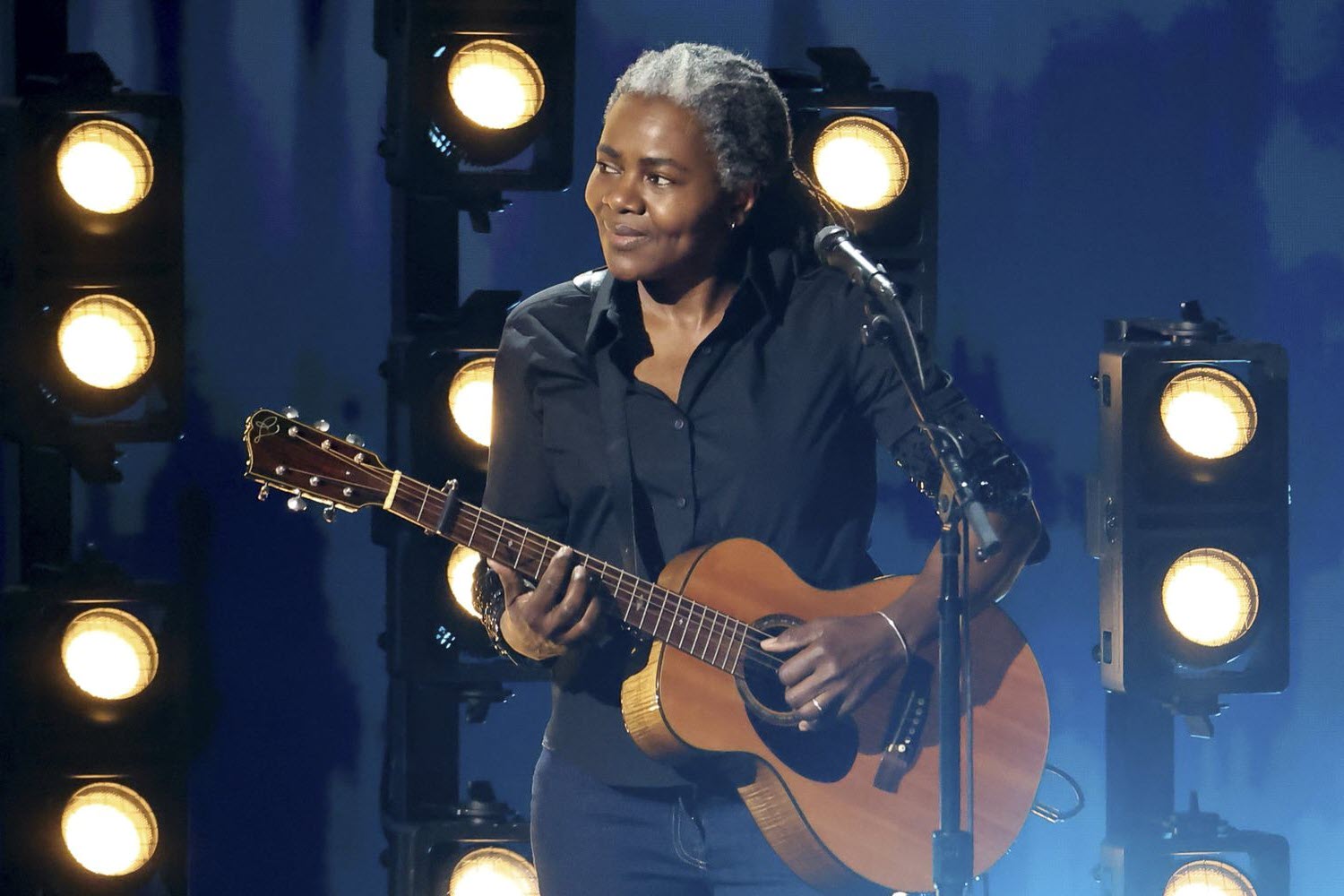
Folk music has always been the heartbeat of storytelling, a genre that captures the raw essence of human emotion and the spirit of shared experience. It’s the music of the people—intimate, profound, and deeply rooted in cultural traditions. Across decades, folk singers have carried tales of love, struggle, hope, and revolution, weaving timeless melodies that echo across generations.
In this article, we celebrate the top 15 best folk music singers of all time—artists whose voices have defined the genre and inspired millions worldwide. From poetic lyricists who painted vivid pictures of the human condition, to soulful performers whose melodies became anthems of change, this list is a tribute to their enduring legacies.
These trailblazing artists didn’t just make music; they shaped history. Whether it’s the political fervor of the 1960s folk revival or the deeply personal ballads that connect us to our roots, these singers brought authenticity and passion to every note. Their songs stir the soul, awaken nostalgia, and remind us of the power of music to unite us.
Get ready to dive into the lives and works of these folk legends—icons whose artistry continues to inspire generations of music lovers worldwide!
1. Bob Dylan
Bob Dylan is undeniably one of the most influential figures in the history of music. His poetic lyricism, unique voice, and revolutionary approach to songwriting helped define not just the folk genre but an entire cultural movement. In the 1960s, at the height of social and political upheaval, Dylan’s songs like Blowin’ in the Wind and The Times They Are A-Changin’ became anthems for change and resistance. His work, which fused folk with rock, set the stage for a new era of music and activism. Dylan’s raspy, unmistakable voice became synonymous with the counterculture, and his willingness to tackle topics like civil rights, war, and injustice through his lyrics set him apart from his peers. His music was raw, honest, and often experimental, changing the way people thought about songwriting. Beyond his early folk success, Dylan’s work continued to evolve across genres, proving his versatility and staying power. Whether strumming his acoustic guitar or fronting an electric band, Dylan’s ability to craft songs that speak to the human experience remains unparalleled. Today, he is recognized as one of the greatest songwriters in history, and his legacy continues to shape music and culture worldwide.
2. Joan Baez
Joan Baez is widely regarded as one of the most important figures in folk music, not only for her stunning voice but for her commitment to activism and social justice. With her ethereal, angelic soprano, Baez brought a sense of purity and power to folk music that resonated with audiences worldwide. From her early renditions of traditional folk songs to her original compositions, Baez’s voice conveyed an emotional depth that captured the struggles of the oppressed and the downtrodden. She became a prominent figure in the civil rights movement, participating in protests and rallies, and her music became synonymous with activism during the 1960s. Her performance at the 1963 March on Washington, where she sang We Shall Overcome, solidified her role as both an artist and a champion for social change. Her covers of songs like Diamonds & Rust and The Night They Drove Old Dixie Down became iconic, further cementing her place in folk history. Through both her music and her activism, Joan Baez continues to inspire those who fight for justice and equality, making her a beloved and enduring figure in the folk genre.
3. Woody Guthrie
Woody Guthrie, the father of American folk music, is a figure whose influence extends far beyond the genre. Best known for his anthem This Land Is Your Land, Guthrie’s music captured the hardships and resilience of everyday Americans, particularly during the Great Depression. His simple yet powerful lyrics spoke to the struggles of working-class people, advocating for social justice and equality. Guthrie’s impact on folk music is immeasurable, and his songs continue to inspire generations of musicians. As an itinerant musician, Guthrie traveled across the country, documenting the lives and experiences of those he encountered. His style was direct, his lyrics stark, yet deeply human, giving voice to the marginalized and the oppressed. His commitment to political activism and the plight of the working class made him a symbol of resistance. His influence can be seen in countless artists, from his own children, Arlo Guthrie and Nora Guthrie, to modern-day folk and protest singers. Through his music, Woody Guthrie gave voice to the common person, and his legacy as a champion of freedom and social justice endures today.
4. Joni Mitchell
Joni Mitchell is one of the most groundbreaking and influential artists in the history of folk music. Her career, spanning several decades, has left an indelible mark on the music world. Known for her unique voice and deeply poetic songwriting, Joni’s albums like Blue and Court and Spark are masterpieces of emotional depth and artistic innovation. She was one of the first artists to blend folk with jazz, rock, and pop influences, creating a sound that was all her own. Mitchell’s songs, such as Both Sides Now and A Case of You, resonate with listeners on a deeply personal level, exploring themes of love, longing, and self-reflection. Her lyrical genius, combined with her pioneering guitar tunings and harmonies, elevated her to a status of both critical and commercial success. Joni’s ability to craft deeply personal, yet universally relatable songs has made her a timeless icon in the folk music community. Her influence extends far beyond the folk genre, shaping artists in rock, pop, and jazz. With her introspective lyrics and innovative sound, Joni Mitchell is not just a folk legend; she is a pioneer whose work continues to inspire artists and listeners around the world.
5. Pete Seeger
Pete Seeger is a folk music legend whose voice was as much a tool for social change as it was a source of musical inspiration. A tireless activist, Seeger used his music to advocate for peace, justice, and human rights. Songs like Where Have All the Flowers Gone and If I Had a Hammer became anthems for social movements throughout the 20th century, and his commitment to environmental causes and civil rights made him a voice for the voiceless. Seeger’s music was often filled with optimism and hope, but it never shied away from addressing tough issues. With his trusty banjo in hand, Seeger’s performances were as much about community as they were about music, bringing people together to sing, reflect, and act. His influence on the folk genre is profound; as one of the key figures of the American folk revival, Seeger inspired countless musicians to use their craft for social good. Even in his later years, Pete Seeger remained an active voice for the causes he believed in, showing that music can be a powerful force for change. His legacy as a musician, activist, and champion of justice lives on through his songs and his enduring influence on future generations of artists.
6. Simon & Garfunkel
Simon & Garfunkel were one of the most influential folk duos of the 1960s, known for their timeless harmonies, introspective lyrics, and ability to capture the essence of the era. Paul Simon and Art Garfunkel’s partnership brought a unique depth to their music, blending folk with pop and rock elements to create timeless classics like The Sound of Silence and Bridge Over Troubled Water. Their songs, often reflecting themes of alienation, love, and social change, spoke to a generation that was searching for meaning in a rapidly changing world. Their harmonies were the perfect backdrop for Paul Simon’s sharp, poetic lyrics, which often addressed both personal and political issues. While Simon’s songwriting was the backbone of their success, Garfunkel’s angelic voice elevated the duo’s sound, making their music resonate with millions. Their albums, including Parsley, Sage, Rosemary and Thyme and Bookends, became a soundtrack for the social and political turbulence of the 1960s. Despite their breakup in 1970, Simon & Garfunkel’s influence on the folk genre and popular music as a whole is undeniable. Their songs continue to be beloved, and their legacy as one of the greatest duos in music history remains firmly intact.
7. Leonard Cohen
Leonard Cohen’s music transcends genres, blending folk with poetry, spirituality, and profound introspection. Known for his deep, gravelly voice and hauntingly beautiful lyrics, Cohen became one of the most revered figures in contemporary folk music. His songs like Hallelujah, Suzanne, and Bird on the Wire are celebrated for their emotional depth and existential musings, offering listeners a glimpse into the human soul. Cohen’s ability to blend religious, philosophical, and personal themes with rich, poetic storytelling made him a master of the craft. His songs are often dark yet filled with a delicate beauty, tackling love, loss, and the search for meaning in life. Despite his modest persona, Cohen’s influence on the music world is immeasurable. His sparse yet powerful arrangements paired with his profound lyrics have inspired countless artists across various genres. While his work is often melancholic, there is a quiet strength in his music, a reverence for life and all its complexities. Leonard Cohen’s contributions to folk music and songwriting are unparalleled, and his legacy lives on through his timeless songs, which continue to resonate with listeners around the world, transcending time and place.
8. Judy Collins
Judy Collins is one of the finest voices in folk music, known for her crystal-clear soprano and her ability to interpret a wide range of songs, from traditional folk ballads to contemporary hits. Her career, which spans several decades, is marked by a mastery of musical storytelling and a commitment to emotional authenticity. Songs like Both Sides Now and Send in the Clowns became iconic because of Collins’ ability to imbue them with deep emotional resonance, elevating them to new heights. Her work was deeply intertwined with the folk revival movement, yet she also embraced modern influences, keeping her music fresh and relevant. Beyond her incredible vocal ability, Judy Collins is also known for her work as an advocate for mental health awareness and other important social causes. As a performer, she has been a powerful force, engaging audiences with her ability to convey the deepest emotions through her voice. Judy Collins’ influence on the folk genre cannot be overstated. She remains a beloved figure in music, respected for her longevity, her voice, and her continued commitment to her art. Her music continues to touch the hearts of listeners, offering both solace and inspiration.
9. Cat Stevens (Yusuf Islam)
Cat Stevens, later known as Yusuf Islam, is one of the most soulful voices to emerge from the folk music scene in the 1970s. His deeply personal and spiritual lyrics, combined with his gentle, soothing voice, made songs like Father and Son and Wild World resonate with millions of people around the world. Stevens’ music often explored themes of love, personal growth, and the search for meaning, offering both comfort and contemplation to his listeners. His folk roots, mixed with a pop sensibility, made his music widely accessible, while his thought-provoking lyrics set him apart from mainstream artists of the time. After his conversion to Islam in the late 1970s, Stevens transitioned to a new chapter in his life, leaving the music industry for many years. When he returned, his music reflected his spiritual journey, showing a deep commitment to his faith and humanitarian causes. Cat Stevens’ legacy is one of both musical artistry and personal transformation. His songs, whether from his early folk days or his later works under Yusuf Islam, continue to inspire and uplift, marking him as a cherished and influential figure in both music and global consciousness.
10. Buffy Sainte-Marie
Buffy Sainte-Marie is a trailblazer in the folk music world, known for her fearless approach to addressing social justice issues and indigenous rights. Her voice, both powerful and haunting, carries the weight of history and activism, offering a unique blend of folk, protest music, and indigenous themes. Her song Universal Soldier, which highlights the futility of war, became a rallying cry for anti-war movements during the 1960s. Buffy’s music was revolutionary, as it often tackled issues that other artists were hesitant to address, from racism and poverty to the struggles of Native American communities. She became a fierce advocate for indigenous rights, using her platform to bring attention to the plight of Native peoples. Her music, however, isn’t just political—it also displays deep emotional complexity and spiritual depth. Songs like Until It’s Time for You to Go show her range as a songwriter, capturing the universal human experiences of love, loss, and hope. Buffy Sainte-Marie’s contributions to both music and activism have made her an enduring figure in folk music, a pioneer whose boldness and authenticity continue to inspire new generations.
11. Nick Drake
Nick Drake’s career may have been tragically brief, but his music left an indelible impact on folk music and beyond. Known for his delicate voice and intricate guitar work, Drake’s music exudes a haunting, ethereal quality that has captivated listeners for decades. His album Pink Moon is often cited as a masterpiece of modern folk music, with songs that explore themes of introspection, solitude, and the complexities of life. Nick Drake’s deeply personal lyrics, coupled with his minimalistic arrangements, create an atmosphere of melancholy beauty that feels both timeless and intimate. Although his music didn’t gain widespread recognition during his lifetime, it has since become highly revered, influencing countless artists across genres. His ability to convey raw emotion with such subtlety and grace makes him a revered figure in folk music. Drake’s quiet, introspective style continues to resonate with listeners who appreciate the delicate interplay between lyrics, melody, and mood. Nick Drake’s influence on modern folk music cannot be overstated, and his music remains a touchstone for those seeking depth, beauty, and authenticity in their listening experience.
12. Arlo Guthrie
Arlo Guthrie, the son of legendary folk musician Woody Guthrie, carved his own path in the world of folk music with a unique blend of humor, storytelling, and social commentary. His most famous song, Alice’s Restaurant Massacree, is a witty and satirical tale that reflects the spirit of the counterculture movement in the 1960s. Arlo’s music often incorporated his father’s legacy of advocating for social justice, but he added his own distinctive voice, marked by humor and a conversational style. His ability to blend storytelling with music has made his songs memorable, whether they are lighthearted, like The Motorcycle Song, or more serious, such as City of New Orleans. Arlo Guthrie’s contributions to the folk genre are significant, and his ability to use music as a tool for both reflection and protest remains one of his greatest achievements. Despite the passage of time, Arlo’s music continues to resonate with new audiences, ensuring his place as an enduring figure in American folk music.
13. Emmylou Harris
Emmylou Harris is a true icon of country and folk music, known for her angelic voice and versatility that has transcended genres. Her career has spanned over five decades, and her ability to blend country, folk, bluegrass, and Americana styles has made her one of the most respected artists in the music world. Harris’ ability to capture the emotional essence of a song is unparalleled, and her voice has been described as both ethereal and grounded. Albums like Pieces of the Sky and Wrecking Ball showcase her extraordinary vocal range and ability to bring new life to both traditional and contemporary material. Harris’ collaborations with other artists, including the legendary Gram Parsons, have also cemented her status as a key figure in American music. She is renowned not only for her musical contributions but also for her role in shaping the genre of Americana, blending folk with elements of rock and country. Throughout her career, Emmylou Harris has remained a dedicated and passionate artist, consistently delivering music that speaks to the heart. Her legacy is defined by both her timeless voice and her unwavering commitment to artistic expression, making her an enduring and beloved figure in the world of folk and beyond.
14. Odetta
Odetta is often referred to as “The Voice of the Civil Rights Movement,” a title that reflects the immense power and social relevance of her music. With her commanding presence and deep, resonant voice, Odetta became a central figure in the folk music scene in the 1950s and 1960s. Her songs, which blend elements of traditional folk, blues, and gospel, became anthems of both the civil rights movement and the larger fight for social justice. Tracks like Midnight Special and Sometimes I Feel Like a Motherless Child are filled with raw emotion and historical weight, capturing the struggles of marginalized communities and the quest for freedom. Odetta’s influence on other artists, especially those in the folk and protest music movements, cannot be overstated. She not only shaped the sound of folk music but also used her platform to address some of the most pressing issues of her time, from racial inequality to labor rights. Odetta’s music remains as powerful and relevant today as it was when it first resonated through the hearts of listeners, continuing to inspire generations of musicians and activists alike.
15. Tracy Chapman
Tracy Chapman’s music brought a fresh and modern twist to folk, incorporating elements of rock, pop, and soul while maintaining the genre’s deep roots in storytelling and social consciousness. Her breakout album, Tracy Chapman, included the unforgettable hit Fast Car, a poignant reflection on poverty, dreams, and the pursuit of a better life. Her ability to blend personal narratives with broader social themes has made her one of the most influential and respected artists of her generation. Chapman’s soulful voice and simple yet powerful arrangements allow her lyrics to shine, capturing the struggles and hopes of everyday people. Songs like Talkin’ ‘Bout a Revolution and Give Me One Reason address issues of inequality and injustice while offering a message of hope and resilience. Throughout her career, Tracy Chapman has remained an advocate for social change, using her music to raise awareness and inspire action. Her unique ability to mix folk sensibilities with other genres while maintaining a deeply emotional and reflective tone has made her one of the defining voices in contemporary folk music. Tracy Chapman’s legacy is one of both musical innovation and social impact, continuing to resonate with listeners around the world.

Edward Tomlin is a frequent contributor to Singers Room. Since 2005, Singersroom has been the voice of R&B around the world. Connect with us via social media below.