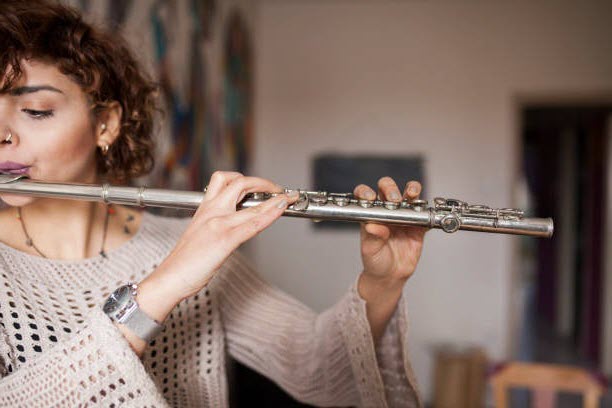
The flute, one of the oldest and most enchanting instruments in human history, has captivated audiences for centuries with its ethereal tones and boundless versatility. From classical symphonies to jazz improvisations and even contemporary pop hits, the flute’s voice transcends genres and cultures, making it a beacon of artistry and expression. But what truly brings this instrument to life is the artistry of the musicians who play it.
In this article, we honor the virtuosos who have elevated the flute to unparalleled heights, showcasing their technical brilliance, creative ingenuity, and profound emotional depth. These individuals have not only mastered the complexities of the instrument but have also left an indelible mark on the world of music, inspiring countless generations of flutists and music enthusiasts alike.
Join us as we explore the achievements and legacies of the top 15 best flute players of all time. From classical legends like Jean-Pierre Rampal and James Galway to trailblazers in jazz and world music, this list is a testament to the flute’s enduring magic and the incredible talent of those who wield it. Get ready to be inspired by the unparalleled artistry of these musical titans!
1. Jean-Pierre Rampal
Jean-Pierre Rampal is often celebrated as the “Man Who Brought the Flute to the Spotlight,” a fitting title for a musician whose influence on the world of classical music is nothing short of legendary. Born in France in 1922, Rampal’s career spanned several decades, during which he redefined the role of the flute in both orchestral and solo performances. His exceptional technique, combined with a warm, lyrical tone, elevated the flute from a relatively underappreciated instrument to a prominent voice in classical music. Rampal was a trailblazer, collaborating with some of the most esteemed orchestras and composers of his time, and his performances were noted for their emotional depth and technical brilliance. As one of the first flutists to play with major symphonies and orchestras worldwide, he set new standards in both classical and contemporary repertoires. His recordings, including landmark performances of concertos by Mozart and Massenet, continue to inspire and educate aspiring flutists around the globe. Rampal’s contributions helped create a new appreciation for the flute, and his legacy remains integral to the development of flute playing as an art form today.
2. James Galway
James Galway, affectionately known as “The Man with the Golden Flute,” is an Irish virtuoso whose name has become synonymous with flute playing at its finest. Born in Belfast, Ireland, Galway’s career has been one of unparalleled success, spanning decades of performances around the world. His exquisite technique, expressive phrasing, and dynamic musicality have made him one of the most celebrated flutists of all time. Galway’s musical journey has taken him through a wide range of genres, from the classical masterpieces of Mozart and Bach to popular music, jazz, and even film scores. Known for his charismatic stage presence and effortless ability to connect with audiences, Galway’s performances are marked by a joyful energy that is contagious. He has not only captivated listeners with his impeccable flute playing but has also significantly expanded the flute’s role in various musical genres. Whether performing with the world’s top orchestras or in intimate solo recitals, his artistry continues to delight and inspire generations of musicians and music lovers alike. Galway’s influence extends beyond his own performances, as he has been a tireless advocate for the flute and its potential to reach new audiences across the globe.
3. Sir Karl Jenkins
While Sir Karl Jenkins is predominantly known for his work as a composer, his talents as a flutist are just as deserving of recognition. Born in Wales, Jenkins’ ability to blend classical, jazz, and world music influences into his compositions has revolutionized modern classical music. His work on projects like Adiemus, a groundbreaking fusion of classical and world music, has introduced the flute to a wider, more diverse audience. As a flutist, Jenkins was known for his ability to make the instrument speak with extraordinary emotional depth. His interpretations of classical works, alongside his own compositions, demonstrated a sensitivity to the flute’s capabilities, while pushing its boundaries to create new, innovative sounds. Jenkins’ flute playing brought out a beautiful, haunting quality that captured listeners’ imaginations, especially in his recordings and live performances. His unique musical voice, both as a flutist and as a composer, continues to influence musicians worldwide, and his legacy in both fields is secure. By expanding the horizons of what the flute could achieve in a variety of musical contexts, Jenkins proved that the instrument could bridge genres and speak across cultures with a compelling voice of its own.
4. Julius Baker
Julius Baker, often referred to as “The Teacher of Generations,” was an American flutist whose impact on the world of music extends far beyond his own performances. As one of the most influential flute teachers of the 20th century, Baker shaped the careers of countless flutists, many of whom went on to become prominent figures in the music world themselves. Born in 1915, Baker was known for his precise technique, expressive artistry, and pedagogical approach to flute playing. His lessons emphasized the importance of tone quality, musicality, and intellectual understanding of the music. Throughout his long career, Baker performed with major orchestras, including the New York Philharmonic, and collaborated with numerous distinguished composers. Yet, it is perhaps his role as a teacher that cemented his place in history. Through his meticulous guidance, he instilled in his students a deep respect for the tradition of flute playing while encouraging them to develop their individual voices. His recordings, characterized by their clarity and purity of tone, remain a touchstone for flutists, and his legacy as an educator continues to resonate in the world of classical music.
5. Emmanuel Pahud
Emmanuel Pahud, a Swiss-born virtuoso, is one of the most revered and influential flutists of the 21st century. Known for his remarkable technical prowess and expressive playing, Pahud has established himself as a true master of the flute. As principal flutist of the Berlin Philharmonic, he has become a central figure in classical music, revered not only for his flawless technique but also for the emotional depth he brings to every performance. His ability to convey both the lightness and complexity of the flute’s range has made him a standout artist in the world of orchestral and solo music. Pahud’s career includes a vast array of performances with prestigious orchestras and conductors, as well as numerous recordings that showcase his wide-ranging abilities. His interpretations of both classical and contemporary works have won critical acclaim, and his technical skills—such as his impeccable breath control, precision in articulation, and ability to seamlessly transition between registers—set him apart from his peers. Pahud’s playing continues to inspire flutists around the world, pushing the boundaries of what is possible with the instrument while maintaining a deep sense of musicality and expression.
6. Marcel Moyse
Marcel Moyse is often regarded as one of the greatest flute pedagogues in history, and his influence on the world of flute playing is immeasurable. Born in France in 1889, Moyse’s long career as a performer and teacher transformed the way the flute is played and taught. Known for his extraordinary technique, Moyse’s approach to the flute was both rigorous and deeply artistic. He emphasized the importance of tone quality, musical phrasing, and the emotional expression that the flute can convey. His pedagogical methods became the foundation of modern flute teaching, and many of his students went on to become prominent flutists themselves. Moyse’s musical contributions also included a significant body of written work, with several famous method books and exercises that are still studied by flutists today. He was a passionate advocate for the beauty of the flute’s sound, and his own playing demonstrated an extraordinary combination of technical brilliance and emotional depth. His legacy as a teacher and performer continues to resonate within the flute community, and his influence on flute playing remains a central part of the instrument’s tradition.
7. Ian Anderson
Ian Anderson, the legendary frontman of the rock band Jethro Tull, is one of the most innovative and influential flutists to ever embrace the genre of rock music. Known for his distinctive playing style and flamboyant stage presence, Anderson’s fusion of classical, folk, and rock elements helped to reshape the way the flute was used in popular music. Prior to Jethro Tull, the flute had been primarily associated with classical music, but Anderson’s approach to the instrument brought a new energy and vitality to its sound. With his signature blend of technical skill, theatrical flair, and creative improvisation, he made the flute an iconic voice in rock music. Anderson’s distinctive sound—combining jazz-inspired rhythms, folk melodies, and classical techniques—pushed the boundaries of what the flute could do within the context of popular music. Through his work with Jethro Tull, he not only brought the flute to a global audience but also demonstrated its versatility and adaptability in new musical contexts. His contributions to the world of rock and progressive music have solidified his place as a true pioneer in the integration of classical instruments into contemporary music.
8. Georges Barrère
Georges Barrère was a visionary French flutist whose impact on both classical and modern flute music was profound. Born in 1876, Barrère’s career spanned several decades during which he became one of the most prominent flute players of his time. His artistry and dedication to the flute led him to perform with prestigious orchestras and collaborate with composers like Debussy, who was deeply influenced by Barrère’s unique sound. As a founding member of the New York Flute Club, Barrère played a key role in bringing the flute into the spotlight in the United States, and his efforts were instrumental in developing a rich, vibrant flute community. Barrère was also a tireless advocate for new music and was responsible for premiering many important works for the flute, expanding its repertoire in significant ways. Known for his pure, radiant tone, Barrère’s playing captivated audiences, and his influence as a teacher helped shape the next generation of flutists. His contributions to the world of flute performance and education were monumental, and his legacy continues to inspire flutists around the world.
9. William Kincaid
William Kincaid is often regarded as the “Father of the American Flute School,” and his contributions to the flute world are nothing short of revolutionary. Born in 1895, Kincaid was instrumental in shaping the American flute tradition, and his influence as a teacher, performer, and innovator has left a lasting mark on the field. Known for his impeccable technique and expressive musicality, Kincaid’s playing set a new standard for American flutists, and his emphasis on the beauty of tone became a hallmark of his teaching. As principal flutist of the Philadelphia Orchestra, Kincaid’s performances were characterized by their clarity, precision, and lyrical expressiveness. He was also known for his tireless work as a teacher, and his students have gone on to become some of the most accomplished flutists in the world. Kincaid’s contributions to the American flute school helped define a uniquely American sound, and his influence continues to be felt in the flute world today. His recordings, teachings, and performances remain a benchmark for aspiring flutists, and his legacy is firmly embedded in the history of the instrument.
10. Severino Gazzelloni
Severino Gazzelloni was an Italian flutist renowned for his adventurous approach to contemporary music. Born in 1921, Gazzelloni’s fearless embrace of new music helped push the boundaries of what the flute could achieve. Known for his exceptional technical skill and deep musicality, he collaborated with some of the most important composers of the 20th century, premiering works that expanded the flute’s range and expressive capabilities. Gazzelloni’s performances were marked by their energy, precision, and emotional depth, and he was particularly known for his ability to navigate complex, modern compositions with ease. His contributions to contemporary music were invaluable, as he played a pivotal role in introducing new styles and techniques to the flute repertoire. Gazzelloni’s adventurous spirit extended beyond his performances to his role as a teacher, where he inspired future generations of flutists to embrace the challenges of modern music. His impact on the flute world is still felt today, and his legacy as a champion of contemporary music and a master of the flute is secure.
11. Mathieu Dufour
Mathieu Dufour is a French virtuoso whose remarkable technical abilities and expressive musicality have earned him a prominent place in the world of classical music. Known for his breathtaking tone and effortless technique, Dufour’s performances have captivated audiences around the world. As the principal flutist of major orchestras, including the Chicago Symphony Orchestra and Berlin Philharmonic, Dufour’s artistry has become synonymous with elegance and passion. His playing is noted for its clarity and precision, and his interpretations are marked by their emotional depth and musical insight. Dufour’s ability to seamlessly navigate through the most challenging flute repertoire has made him a standout performer, and his commitment to exploring both classical and contemporary works has made him an important voice in modern flute music. In addition to his work as a performer, Dufour is a dedicated teacher, sharing his knowledge and experience with the next generation of flutists. His contributions to the flute world, both as a performer and educator, continue to inspire and influence musicians around the world.
12. Paula Robison
Paula Robison is a trailblazer in the world of American flute playing, known for her expressive interpretations and commitment to expanding the flute’s role in modern music. Born in 1941, Robison has had a long and successful career that spans multiple decades, during which she has become one of the most respected flutists in the world. Known for her ability to connect with her audience on a deeply emotional level, Robison’s performances are characterized by their warmth, nuance, and precision. Throughout her career, she has been a tireless advocate for contemporary music, often premiering new works by leading composers and pushing the boundaries of what the flute can do. Robison’s contributions to the world of music extend beyond her performance career, as she is also an educator who has helped train many young flutists who have gone on to achieve great success. Her approach to the flute combines technical mastery with a deep understanding of music’s emotional power, and her legacy continues to inspire aspiring musicians around the globe.
13. Herbie Mann
Herbie Mann was one of the most innovative musicians to bring the flute into the world of jazz. With his unique ability to blend jazz with elements of Latin, world, and funk music, Mann helped redefine the role of the flute in popular music. Born in 1930, Mann’s career was marked by his boundary-pushing approach to jazz, and his groundbreaking albums like Memphis Underground showcased his ability to bring together different musical genres in an exciting and fresh way. As a flutist, Mann was known for his smooth, lyrical playing and his skillful improvisation, which allowed him to connect deeply with audiences. His ability to incorporate rhythmic and harmonic elements from a variety of musical traditions into his playing made him one of the most versatile jazz musicians of his time. Mann’s influence on jazz and the flute world is profound, and his legacy continues to inspire musicians who are eager to explore the flute’s limitless potential in contemporary music. His career remains a testament to the power of innovation and artistic expression in pushing the boundaries of musical genres.
14. Jeanne Baxtresser
Jeanne Baxtresser is one of the most distinguished figures in the world of classical flute playing. As former principal flutist of the New York Philharmonic, Baxtresser’s artistry has set the gold standard for orchestral flute performance. Known for her impeccable technique, musical sensitivity, and captivating sound, Baxtresser’s influence on the flute world is vast. Her playing is marked by its clarity, precision, and deep musical understanding, and she has been a driving force behind the development of orchestral flute playing in the 20th and 21st centuries. As a teacher, Baxtresser has trained many of the leading flutists of today, and her contributions to flute pedagogy are widely recognized. Throughout her career, she has been a tireless advocate for the flute, commissioning new works for the instrument and performing with some of the most renowned conductors and orchestras in the world. Baxtresser’s influence as both a performer and educator is immeasurable, and her legacy continues to shape the future of flute playing. Her performances, recordings, and teaching have made her a true icon in the world of classical music.
15. Roberto Álvarez
Roberto Álvarez is a contemporary flutist who has become known for his dynamic performances and exceptional versatility. His ability to seamlessly cross musical genres has made him one of the most exciting flutists of his generation. Álvarez has captivated audiences with his technical brilliance and expressive phrasing, whether performing classical concertos, contemporary works, or improvising in jazz and world music styles. His collaborations with leading composers and musicians across genres have helped push the flute into new and uncharted territory. Known for his ability to effortlessly blend different musical traditions, Álvarez’s performances are characterized by their rich tone, technical precision, and emotional depth. His passion for the flute is evident in every note he plays, and his dedication to expanding the boundaries of the instrument continues to inspire audiences and musicians alike. Álvarez’s work is a testament to the endless possibilities of the flute and its ability to connect with listeners on a deeply emotional level.

Edward Tomlin is a frequent contributor to Singers Room. Since 2005, Singersroom has been the voice of R&B around the world. Connect with us via social media below.