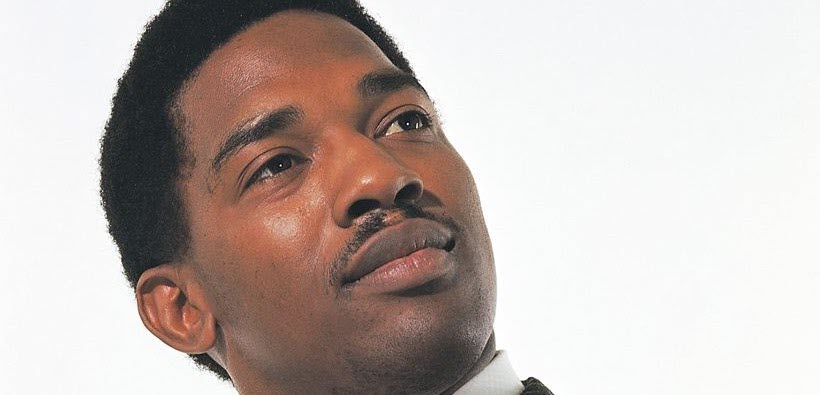
When it comes to soul music with power, purpose, and punch, few artists hit harder than Edwin Starr. Best known for his explosive vocals and socially charged anthems, Starr carved out a legacy that went far beyond the dancefloor. From the gritty streets of Cleveland to the iconic halls of Motown, he delivered unforgettable performances that blended funk, soul, and political fire. Whether he was rallying against war, marching toward love, or lighting up the disco era, Starr’s music always came with heart and heat. His voice wasn’t just heard—it was felt. In this list, we dive into the Top 10 Most Popular Edwin Starr Songs of All Time, celebrating the tracks that defined his career and left an indelible mark on music history. These aren’t just hits—they’re soul-shaking experiences that still resonate decades later. From chart-topping protest anthems to dancefloor classics, every song here tells a story of passion, perseverance, and power. So turn up the volume and get ready to rediscover the electric energy of a true soul legend. Edwin Starr wasn’t just a singer—he was a force. And these are the songs that prove it.
1. “War” (1970)
“War” isn’t just a song—it’s a sonic explosion of protest, urgency, and raw emotion. Released in 1970 at the height of the Vietnam War, this track catapulted Edwin Starr into the spotlight as more than just a Motown soul singer; he became the voice of a generation disillusioned with conflict. Written by Norman Whitfield and Barrett Strong, the track was originally recorded by The Temptations. However, Starr’s version—fueled by his fierce, impassioned delivery—was the one that resonated with a nation. With the unforgettable chant “War, huh, yeah! What is it good for? Absolutely nothing!” Starr didn’t just sing the lyrics—he roared them. The production is thunderous, with pounding drums and blaring horns that mirror the song’s intensity. It soared to No. 1 on the Billboard Hot 100 and stayed there for three weeks, quickly becoming one of Motown’s most politically charged anthems. “War” is more than a hit—it’s a cultural landmark that defined Starr’s legacy and cemented his place in music history. Even decades later, its message remains potent, proving that the most powerful songs are those with something urgent and unflinching to say.
2. “Twenty-Five Miles” (1969)
Released in 1969, “Twenty-Five Miles” is a rhythm-packed journey of soul, stamina, and determination. Co-written by Edwin Starr, Johnny Bristol, and Harvey Fuqua, the track mixes energetic Motown grooves with a narrative that’s both literal and symbolic—a man walking 25 miles to reach his love. Starr’s delivery is electric, each verse building momentum like a man truly marching forward, worn but unstoppable. Driven by a relentless beat, stomping percussion, and soaring brass, the music mirrors the urgency of a long-distance lover on a mission. It’s a perfect blend of soul grit and pop appeal, and it reached No. 6 on the Billboard Hot 100. What gives the song its timeless charm is Starr’s unshakable enthusiasm—you can hear the sweat, the heart, and the thrill in his voice. “Twenty-Five Miles” has remained a favorite across generations, often featured in film montages, commercials, and athletic events for its driving rhythm and motivational vibe. More than just a love song, it’s a shout of perseverance set to a danceable beat.
3. “Agent Double-O-Soul” (1965)
In 1965, “Agent Double-O-Soul” introduced Edwin Starr to the world with a track that was as funky as it was fun. Taking inspiration from the James Bond craze of the era, Starr cleverly positioned himself as a suave soul secret agent on a mission of groove. The title is a playful nod to 007, and the song’s retro swagger, complete with spy-themed brass bursts and slick basslines, made it an instant standout. Starr’s voice, already showing signs of the power that would later define him, carries the track with cool confidence and infectious charm. Lyrically, it’s tongue-in-cheek, with Starr boasting about his “license to kill” on the dancefloor. It became a regional hit and helped Starr transition from the Ric-Tic label to Motown, where he would soon skyrocket. This track blends novelty and genuine talent, showcasing Starr’s early ability to connect with audiences through character and charisma. “Agent Double-O-Soul” is a slice of mid-60s soul flair, bursting with personality and packed with early glimpses of a star on the rise.
4. “Stop the War Now” (1971)
Following the massive success of “War,” Starr doubled down on his message with “Stop the War Now,” released in 1971. While less aggressive than its predecessor, the track carries a deep emotional weight and a soulful plea for peace. Written by Norman Whitfield and Barrett Strong, the song is smoother and more melodic, allowing Starr’s expressive voice to shine through with a sense of sorrow and urgency. The arrangement is lush and layered, featuring sweeping strings and gospel-inspired backing vocals that elevate the track into a spiritual protest. Rather than shouting, Starr sings from the heart, delivering a message of unity and humanity. The song didn’t reach the same commercial peak as “War,” but it solidified Starr’s role as a socially conscious artist unwilling to shy away from tough topics. “Stop the War Now” is a powerful follow-up that deepens the narrative—this time not with a battle cry, but with a heartfelt appeal. It’s a testament to Starr’s evolving artistry and his commitment to using music as a force for good.
5. “Time” (1970)
“Time,” released in 1970, is one of Edwin Starr’s most overlooked gems—a funky, philosophical groove that explores life’s fleeting moments. With a soulful urgency, Starr tackles the universal theme of how quickly time passes, urging listeners to seize the moment. The song opens with a tight rhythm section and a horn arrangement that feels both classic and modern, giving it an infectious groove that pulls you in. Starr’s vocals are commanding yet introspective, balancing funk with heartfelt reflection. The lyrics don’t sugarcoat life’s pace—they serve as a wake-up call: “Time waits for no one, it passes you by.” It’s a message that resonates just as strongly today, especially in a world that moves faster than ever. The track didn’t top the charts, but its impact lies in its depth and craftsmanship. It showcases Starr’s versatility—not just a protest singer or love song crooner, but an artist capable of delivering profound insight through rhythm and soul. “Time” is a standout example of how soul music can groove and make you think at the same time.
6. “Contact” (1978)
When disco fever hit in the late ’70s, Edwin Starr didn’t miss a beat. “Contact,” released in 1978, marked his triumphant entry into the disco scene, and it became one of his biggest hits in the UK. The track is a pulsating, high-energy explosion of rhythm, with Starr’s unmistakable voice soaring over a bed of synths, strings, and thumping bass. From the opening beat, it’s clear “Contact” is made for the dancefloor. The lyrics revolve around the magnetic pull of romantic attraction, but the real magic is in the production—a perfect blend of funk and disco elements that keep bodies moving. Starr sounds completely at home in this new genre, proving that his talent could transcend musical eras. The song reached No. 6 on the UK Singles Chart and became a staple in clubs across Europe. “Contact” isn’t just a disco tune—it’s Starr’s rebirth in a new musical landscape, and he embraced it with flair and conviction. It remains a shining example of how a soul legend can evolve without losing his core fire.
7. “H.A.P.P.Y. Radio” (1979)
With “H.A.P.P.Y. Radio,” Edwin Starr delivered a joyful, upbeat anthem that captured the fun-loving spirit of late-’70s disco. Released in 1979, the song plays like a celebration of music itself, inviting listeners to tune in and turn up the good vibes. From the catchy call-and-response chorus to the slick funk-disco instrumentation, every element is engineered to lift spirits and get feet moving. Starr’s performance is gleeful and charismatic, his voice filled with warmth and contagious energy. The song became a major hit in the UK, peaking at No. 9, and enjoyed strong club play in the US as well. What makes “H.A.P.P.Y. Radio” stand out is its lightheartedness—there’s no heavy message here, just a feel-good track that wants you to dance and smile. Starr leaned fully into the disco movement but maintained his soulful foundation, giving the song a unique personality. It’s a reminder that sometimes joy is revolutionary in its own right, and Starr knew exactly how to deliver it.
8. “I Have Faith in You” (1969)
Released in 1969, “I Have Faith in You” is a stirring soul ballad that showcases Edwin Starr’s emotional depth and vocal finesse. Unlike the fiery energy of “Twenty-Five Miles,” this track slows things down, offering a heartfelt message of trust and belief in a loved one. The melody is tender and rich, built around gentle orchestration and smooth backing harmonies that allow Starr’s voice to shine. He sings with conviction and vulnerability, expressing hope in the face of doubt. The song didn’t skyrocket on the charts, but it stands as one of Starr’s most sincere performances. It highlights his ability to connect with listeners not just through power, but through nuance and feeling. “I Have Faith in You” is a hidden gem that deserves more attention—a soulful, affirming message that still resonates with anyone who’s ever held on to belief in love or a brighter future.
9. “There You Go” (1966)
“There You Go,” released in 1966, is a classic example of Edwin Starr’s early Motown-era romantic soul. It’s a bittersweet track that captures the pain of watching someone walk away, despite loving them deeply. With a tight, mid-tempo groove and lush backing vocals, the song balances heartbreak with smooth musicality. Starr’s voice is raw yet controlled, conveying emotion without veering into melodrama. The instrumentation features that signature Motown blend of rhythm guitar, tambourine, and brass that keeps the track moving even as the lyrics dwell in sadness. The song didn’t make a huge commercial impact at the time, but it helped Starr build a solid foundation as a soul vocalist with emotional range. “There You Go” is a beautifully crafted breakup song—mature, soulful, and deeply human.
10. “Back Street” (1974)
Edwin Starr’s “Back Street,” released in 1974, dives into the grittier side of funk and soul. The track tells the story of life on the margins, capturing the tension and drama of the backstreets with moody instrumentation and a dark, funky groove. Starr’s voice is commanding, almost cinematic, as he paints vivid pictures of struggle, survival, and streetwise wisdom. With its wah-wah guitars, layered horns, and steady rhythm, “Back Street” feels tailor-made for the urban soundscape of the early ’70s. It didn’t achieve the commercial success of his earlier hits, but it resonated with fans of deeper funk and soul cuts. There’s a storytelling quality here that’s compelling—Starr isn’t just singing, he’s narrating a world. “Back Street” shows his evolution into a more mature, reflective artist willing to explore complexity and grit. It’s a bold, atmospheric track that underscores his range and fearlessness as a performer.

Samuel Moore is a frequent contributor to Singers Room. Since 2005, Singersroom has been the voice of R&B around the world. Connect with us via social media below.









