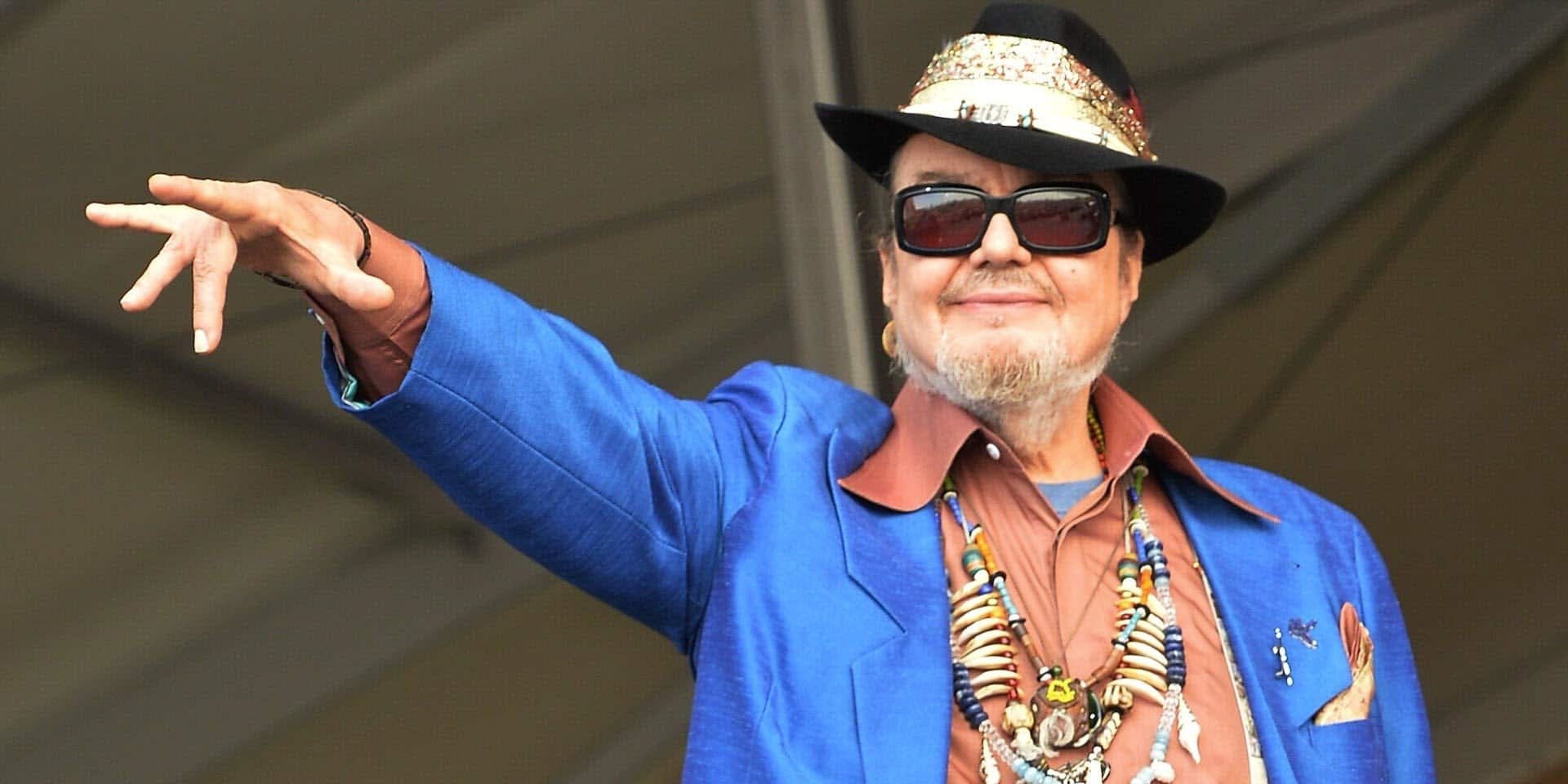
Dr. John, the enigmatic and electrifying “Night Tripper,” was a musical force like no other. With his unique blend of New Orleans funk, blues, jazz, and voodoo mystique, Dr. John brought a magical energy to every note he played. Over a career spanning more than five decades, this six-time Grammy-winning artist captivated the world with his gravelly voice, spellbinding piano skills, and a stage presence that felt like a carnival of the soul. His music was a celebration of New Orleans culture, blending its vibrant rhythms and rich history into unforgettable songs that have stood the test of time.
In this article, we dive deep into the heart of Dr. John’s legendary discography and reveal his top 10 most iconic songs. From his early psychedelic gumbo to his later jazz-infused ballads, these tracks showcase the incredible versatility and artistry that made Dr. John a global icon. Whether you’re a longtime fan or discovering his magic for the first time, this list will take you on a journey through the sounds and stories that defined one of the most charismatic musicians in history. So, turn up the volume and let the good times roll as we celebrate the timeless music of Dr. John!
1. Iko Iko (1972)
Dr. John’s 1972 version of “Iko Iko” is more than just a cover—it’s a full-blown celebration of New Orleans’ deep cultural roots. Originally made famous by the Dixie Cups, this reimagined take adds an unmistakable layer of grit and groove that only Dr. John could deliver. With his swampy, rolling piano and that distinct raspy growl, he breathes new life into the already iconic Mardi Gras tune. It’s impossible not to tap your foot or feel the urge to dance when this one comes on. The rhythm is hypnotic, driving the song forward like a second line parade winding its way through the French Quarter. The lyrics, steeped in Creole slang and mystery, speak to New Orleans’ rich blend of African, Caribbean, and Southern heritage. Dr. John turns the tune into something ceremonial—playful yet powerful, almost like a spell cast to awaken joy. “Iko Iko” becomes not just a song, but a street party in sonic form. It encapsulates everything about his approach to music: steeped in tradition, yet wholly his own. In Dr. John’s hands, “Iko Iko” becomes a rollicking, voodoo-soaked anthem of celebration and cultural pride.
2. Right Place, Wrong Time (1973)
“Right Place, Wrong Time” is the song that catapulted Dr. John into the mainstream, and for good reason. Released in 1973, it’s a slick, funky gem that perfectly blends swampy New Orleans groove with polished ’70s funk. The guitar licks are tight, the horns are bold, and Dr. John’s lyrical style is as sharp as ever—witty, ironic, and tinged with just enough existential frustration to feel universal. The phrase “right place, wrong time” sums up that classic feeling of life just slightly out of sync, and he runs with that theme, painting vivid pictures of missteps, bad luck, and near-misses with a sense of humor and swagger. The groove is so infectious that you might miss just how clever the lyrics really are. It’s a masterclass in blending substance with style—deeply rooted in the New Orleans sound while still riding the wave of contemporary funk. And it’s catchy as hell. Whether you’re stuck in traffic or nursing a heartbreak, “Right Place, Wrong Time” feels like a strangely perfect soundtrack. It’s confident, cool, and utterly timeless—proof that sometimes, being a little offbeat can make all the difference.
3. Such a Night (1973)
“Such a Night” is Dr. John at his most charming and romantic, offering a sultry slice of New Orleans magic with every note. Released in 1973, the track oozes warmth and flirtation, carried along by a buoyant rhythm section, smooth horns, and Dr. John’s unmistakably playful vocal delivery. There’s a kind of moonlit quality to the song—it paints the picture of a perfect, unforgettable evening when everything just clicked. Whether it was a dance, a glance, or a kiss under the stars, the song captures the spark of that special night you can’t stop thinking about. Musically, it’s steeped in the R&B and jazz traditions of New Orleans, with touches of gospel harmonies and bluesy piano that add emotional depth without weighing it down. “Such a Night” walks that sweet spot between laid-back and seductive. It’s no wonder it’s become a go-to for weddings, parties, and celebrations. It manages to be classy, fun, and undeniably cool all at once. Dr. John didn’t just write a love song—he created a whole vibe, a night out bottled up in three minutes of musical gold.
4. Gris-Gris Gumbo Ya Ya (1968)
“Gris-Gris Gumbo Ya Ya” isn’t just the opening track of Dr. John’s debut album—it’s an introduction to an entire universe. Released in 1968, this eerie, spellbinding song throws you headfirst into the shadowy world of New Orleans voodoo and mysticism. From the moment the tribal drums and ritualistic chants begin, it’s clear you’re not in ordinary musical territory. This is the sound of the bayou at midnight—haunted, hypnotic, and a little dangerous. Dr. John takes on the persona of the “Night Tripper,” a mystical figure who speaks in riddles and incantations. The lyrics are more invocation than narration, setting the tone for the entire Gris-Gris album with phrases that sound ancient and sacred. Musically, the track blends blues, psychedelic rock, jazz, and Afro-Caribbean rhythms into something that feels completely otherworldly. It’s less a song and more a ceremony—an immersive, sonic gumbo that simmers with tension and mystery. “Gris-Gris Gumbo Ya Ya” marked the arrival of a new kind of artist, one who wasn’t afraid to blend the spiritual, the theatrical, and the deeply musical into something wholly original. It’s a cult classic for a reason.
5. Mama Roux (1968)
“Mama Roux” is one of the most delightfully bizarre tracks to come out of Dr. John’s Gris-Gris album—and that’s saying something. With its bouncing rhythm, playful percussion, and funky horn lines, the song is equal parts party and folk tale. Dr. John channels a surreal narrator here, spinning a tale about a mysterious figure named Mama Roux, a Creole matriarch with a mischievous streak and magical influence. The lyrics are quirky and filled with colorful imagery, evoking old Louisiana legends and bayou folklore. But what really brings the song to life is the arrangement. It’s a rich blend of Afro-Caribbean beats, blues swagger, and New Orleans brass, with Dr. John’s raspy, charismatic vocals tying it all together like a ringleader at a Mardi Gras parade. There’s something infectious and otherworldly about “Mama Roux”—it’s playful, a bit spooky, and bursting with cultural flavor. It captures the essence of New Orleans: a place where music, myth, and mystery coexist effortlessly. Listening to this track feels like stumbling into a backyard party where the food’s spicy, the drinks are strong, and magic might just be real.
6. Walk on Gilded Splinters (1968)
“Walk on Gilded Splinters” might be the most hypnotic and haunting track Dr. John ever recorded. Closing out his 1968 debut album Gris-Gris, this slow-burning epic feels like a musical ritual. It’s layered with eerie chants, brooding percussion, and an atmosphere thick enough to cut with a knife. From the first note, the track casts a spell. Dr. John isn’t just singing—he’s conjuring. His voice, half-whispered and half-snarled, moves like smoke over an ominous groove that stretches for over seven mesmerizing minutes. The lyrics are cryptic and surreal, filled with voodoo imagery and obscure metaphors that seem to tap into another realm entirely. This isn’t background music—it’s a full-body experience, something you feel in your bones. The track’s dark, swampy vibe has influenced countless musicians and has been covered by the likes of Humble Pie and Paul Weller, but no one has ever matched the eerie originality of Dr. John’s version. It’s part blues, part psychedelic jam, part spiritual invocation—and all New Orleans. “Walk on Gilded Splinters” is the kind of song you don’t just listen to—you surrender to it, letting it lead you deeper into the night.
7. Let the Good Times Roll (1974)
Dr. John’s 1974 version of “Let the Good Times Roll” is a joyous explosion of sound and soul. Originally penned by Louis Jordan, this classic gets the full New Orleans treatment in Dr. John’s hands, becoming a full-fledged party anthem. The piano is rollicking, the horns are bright and brassy, and the rhythm section is tight and swinging. From the jump, it’s an open invitation to shake off your troubles and dive into the music. Dr. John’s delivery is full of personality—laid-back but electric, like a charismatic host welcoming you to the best night of your life. You can practically hear the clinking glasses and see the dancing in the streets. It’s not just a cover; it’s a cultural statement, rooted in the city’s love of music, celebration, and communal joy. There’s a deep musical lineage in every note, nodding to jazz, R&B, and blues while still sounding fresh and vibrant. “Let the Good Times Roll” isn’t just a feel-good track—it’s a philosophy. In a world full of stress and noise, this song is a reminder to enjoy the ride and dance whenever you can.
8. Qualified (1973)
“Qualified” is a swaggering slice of funky confidence that shows Dr. John at his most playful and charismatic. Released in 1973 as part of his In the Right Place album, this track struts along with funky basslines, tight horn blasts, and an irresistible groove. Dr. John’s vocals are rich with personality—half boast, half flirtation—and full of the sly humor that became one of his trademarks. The lyrics are cheeky and filled with self-assured charm, as he declares himself “qualified” to treat someone right. It’s a smooth-talking anthem that rides the fine line between confidence and camp, and does it with style. Musically, it’s tight and polished, thanks in part to producer Allen Toussaint and the legendary funk band The Meters, who back Dr. John with effortless cool. But even with all that talent in the mix, it’s Dr. John’s presence that dominates. He’s magnetic—gritty, funny, and endlessly cool. “Qualified” is the kind of track that makes you feel ten feet tall when it comes on. It’s funky, flirty, and filled with that signature New Orleans flair that makes everything Dr. John touched feel like a celebration.
9. Accentuate the Positive (1989)
When Dr. John covered “Accentuate the Positive” in 1989, he did more than pay tribute to a classic—he gave it new life, infusing it with his signature New Orleans charm and soul. Originally made famous by Johnny Mercer, the song’s message is timeless: focus on the good, and let the rest fall away. Dr. John’s version captures that spirit perfectly, layering in swinging piano, jazzy brass, and a rhythm section that skips along like a sunny afternoon in the French Quarter. His raspy, gravelly vocals bring a lived-in warmth to the lyrics, making the optimism feel earned rather than forced. There’s a wink in his voice, like he’s been through the hard times and still chooses to sing about the bright side. It’s a reminder that positivity doesn’t have to be naïve—it can be powerful. Musically, the arrangement is tight, joyful, and full of bounce, showcasing Dr. John’s deep love for jazz and big band traditions while keeping everything distinctly him. “Accentuate the Positive” in his hands becomes a feel-good classic that’s perfect for lifting your spirits and reminding you to dance through life’s ups and downs.
10. Big Chief (1972)
“Big Chief,” released in 1972, is an instrumental firestorm that captures the unfiltered energy of a New Orleans Mardi Gras. While originally composed by Earl King, Dr. John’s version—featuring his blazing piano and a full brass band—turns it into a ferocious celebration of the Mardi Gras Indian tradition. The rhythm is relentless, the horns are wild and joyful, and the whole track pulses with life. You don’t need lyrics to feel what this song is saying—it’s a dance, a chant, a parade in full swing. Dr. John’s piano playing is front and center, tumbling through the track like a second line weaving through city streets. There’s a sense of controlled chaos in the arrangement—tight musicianship bursting with improvisational flair. “Big Chief” isn’t just music; it’s a living tradition, a tribute to the cultural melting pot of New Orleans. From the syncopated rhythms to the exuberant horn blasts, every second feels like an invitation to move. This track reminds us why Dr. John was more than a musician—he was a cultural ambassador, a guardian of the city’s soul. With “Big Chief,” he invites us all to the party.

Edward Tomlin is a frequent contributor to Singers Room. Since 2005, Singersroom has been the voice of R&B around the world. Connect with us via social media below.









