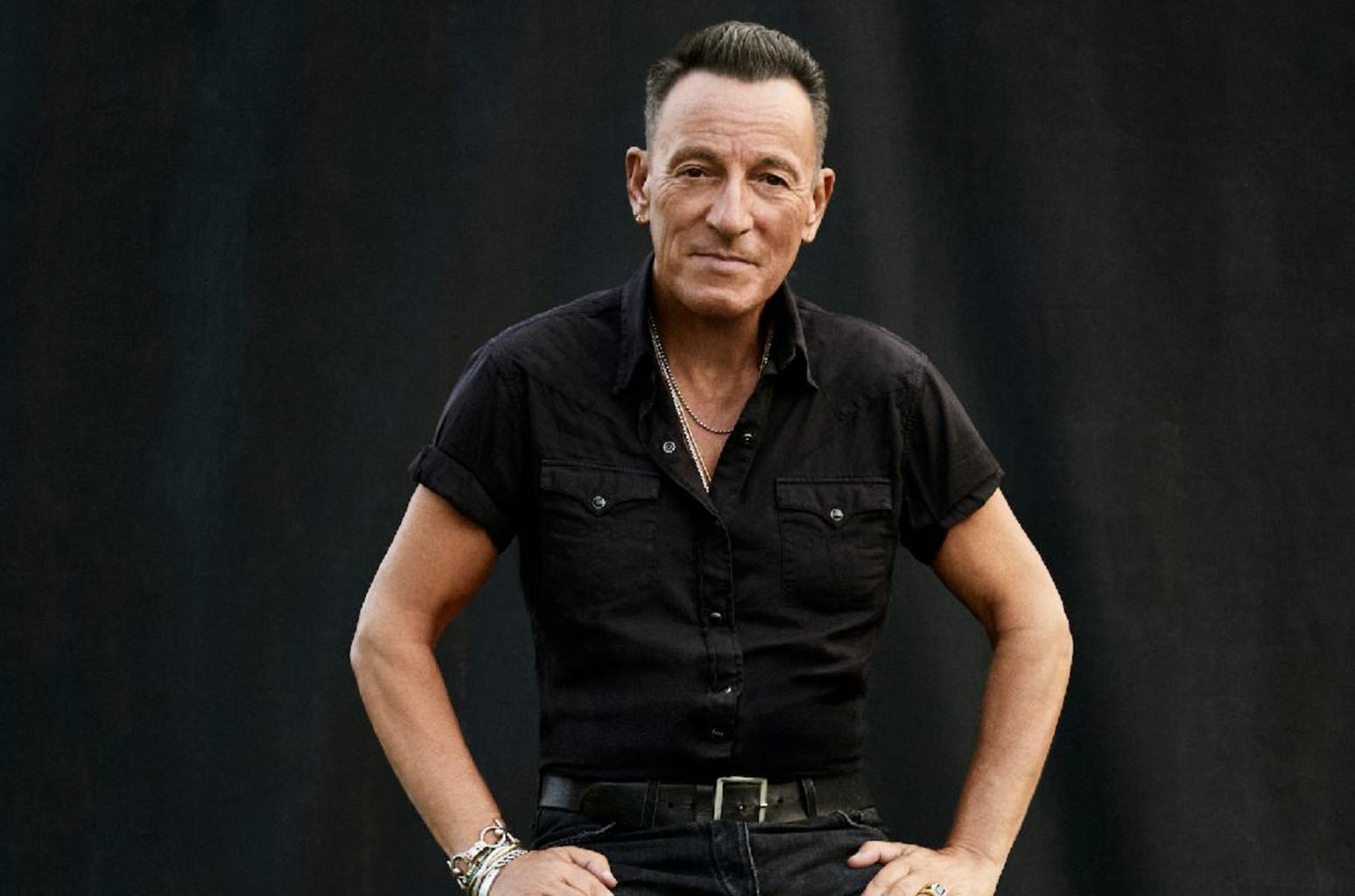
Few artists have captured the soul of America quite like Bruce Springsteen. With a career spanning over five decades, “The Boss” has become an enduring symbol of working-class grit, poetic storytelling, and electrifying live performances. From the thunderous anthems of rebellion to the quiet reflections of lost dreams, Springsteen’s music resonates across generations, offering both comfort and challenge in equal measure. Whether you first heard him on a crackling vinyl record or blasting from a stadium speaker, his songs have a way of hitting you right in the gut—and staying with you for life.
In this list, we dive into the Top 10 Most Popular Bruce Springsteen Songs of All Time—not just the biggest chart-toppers, but the tracks that have stood the test of time, defined his legacy, and moved millions around the world. These are the songs that built his legend, the ones fans scream for at every concert, and the ones that still send chills down your spine decades later. So buckle up, roll down the windows, and get ready to ride through the heartland of American rock with the very best of Bruce. This is more than music—it’s a journey through the soundtrack of a generation.
1. Born to Run (1975)
When “Born to Run” hit the airwaves in 1975, it wasn’t just a song—it was a declaration. Bruce Springsteen’s third album title track encapsulated the restless energy of youth, the hunger for escape, and the dream of something bigger than the limits of a small-town life. The Wall of Sound production, inspired by Phil Spector, gave the song its cinematic grandeur, with roaring guitars, glockenspiel, and Clarence Clemons’ unforgettable saxophone. Lyrically, it’s a love letter to defiance: “Tramps like us, baby we were born to run” became a generational mantra. This was the track that catapulted Springsteen from a cult East Coast rocker to a national phenomenon, earning him the cover of Time and Newsweek in the same week. More than just a hit, “Born to Run” is a milestone in American rock history—passionate, poetic, and permanently etched into the soul of rock ‘n’ roll.
2. Thunder Road (1975)
Opening with a quiet harmonica and piano, “Thunder Road” unfolds like a short story set to music. Released in 1975 as the first track on Born to Run, it introduces us to Mary and a narrator urging her to take a chance on life and love. It’s not just a song—it’s a cinematic journey from the front porch to the highway, full of hope, grit, and poetic lines that feel like gospel to Springsteen fans. With vivid imagery like “The screen door slams, Mary’s dress waves,” Bruce brings us into a world where escape and redemption are just a car ride away. It builds slowly, layering instruments and emotion, until it bursts forth in a triumphant crescendo. “Thunder Road” is often cited as one of Springsteen’s finest compositions, and for good reason—it captures the spirit of youth, the ache of longing, and the thrill of possibility like no other.
3. Dancing in the Dark (1984)
Springsteen’s biggest commercial hit, “Dancing in the Dark” dropped in 1984 as the lead single from Born in the U.S.A., and it was a bold pivot. Gone were the acoustic ballads and working-class laments—this was synth-driven, radio-ready Springsteen, and it worked. The song pulses with frustration and restlessness, capturing the feeling of being stuck in your own skin. Lyrically, it’s a cry for change, even if it means dancing your way through the darkness. The music video, featuring a young Courteney Cox pulled onstage, helped catapult the song to No. 2 on the Billboard Hot 100. Despite its upbeat sound, the lyrics are deeply introspective, revealing a man wrestling with fame, identity, and the need to break free. It’s a masterclass in contradiction—joyful yet solemn, polished yet raw. “Dancing in the Dark” remains a staple of Springsteen’s live shows and a fan favorite that never fails to ignite a crowd.
4. Born in the U.S.A. (1984)
Often misunderstood as a patriotic anthem, “Born in the U.S.A.” is anything but simplistic. Released in 1984, the title track from Springsteen’s most commercially successful album is a blistering critique of post-Vietnam America, wrapped in a deceptively triumphant chorus. With Max Weinberg’s thunderous drums and a searing synth riff, the song demands attention. But listen closely: the lyrics speak of a working-class Vietnam veteran abandoned by the country he served. This juxtaposition—anthemic sound paired with politically charged lyrics—makes “Born in the U.S.A.” one of the most powerful songs in Springsteen’s catalog. It sparked debate, was misused in political campaigns, and still resonates as a biting commentary on American disillusionment. It’s a rock powerhouse with a conscience, and its legacy continues to evolve with each generation that hears it.
5. The River (1980)
Released in 1980, “The River” is a haunting ballad that showcases Springsteen’s storytelling mastery. Inspired in part by his sister’s life, the song paints a vivid portrait of young love, economic hardship, and the weight of broken dreams. Over a gentle acoustic strum and harmonica wail, Bruce narrates the tale of a couple navigating adulthood in a world that offers no safety net. “Then I got Mary pregnant, and man that was all she wrote” is one of the most devastating lines in his discography. The river becomes a metaphor for lost innocence and the elusive promise of the American dream. This track marked a shift in Springsteen’s songwriting—from youthful rebellion to introspective realism. “The River” isn’t just a sad song; it’s a deeply empathetic exploration of working-class life that hits with emotional precision and lingers long after the final note.
6. Badlands (1978)
“Badlands,” the thunderous opener of 1978’s Darkness on the Edge of Town, is pure defiance in musical form. From the first drumbeat, it’s clear this is a declaration of survival. Springsteen spits out the lyrics with urgency, railing against a system that grinds people down but can’t kill their spirit. The driving rhythm, soaring guitar riffs, and Clarence Clemons’ saxophone create a sound that’s both relentless and uplifting. It’s a song for anyone who’s ever felt trapped by circumstance but refuses to give in. “Badlands” is not about despair—it’s about fighting through it. The line “I believe in the love that you gave me, I believe in the faith that can save me” is a call to arms, a reminder that resilience is resistance. It remains a cornerstone of Springsteen’s live shows, its message undimmed by time.
7. Jungleland (1975)
The epic closer to Born to Run, “Jungleland” is a nine-minute rock opera that blends street poetry with symphonic grandeur. Released in 1975, it’s a sprawling tale of doomed love, gang rivalries, and the fading dream of rock ‘n’ roll salvation. With its shifting tempos and extended instrumental passages—including a legendary saxophone solo by Clarence Clemons—“Jungleland” feels like a movie in song form. Springsteen’s lyrics are dense and cinematic: “The rat’s trapped in a drum, the boys from the casino dance with their shirts open,” painting vivid scenes of urban decay and lost youth. The song builds slowly, reaching an emotional peak before fading into silence, like a curtain falling on a tragic play. It’s not just a song—it’s an experience, and one of the most ambitious pieces Bruce ever recorded.
8. Atlantic City (1982)
Sparse, bleak, and powerful, “Atlantic City” marked a dramatic shift in Springsteen’s sound when it was released in 1982 on the acoustic album Nebraska. Gone were the full-band arrangements—instead, we get Bruce alone with his guitar and harmonica, telling a chilling story of desperation and moral compromise. The song’s protagonist is lured by the promise of money in a decaying resort town, hinting at involvement with organized crime. “Everything dies, baby that’s a fact, but maybe everything that dies someday comes back” is a line that captures the song’s fatalistic hope. The minimal production strips everything down to the bone, allowing the lyrics to hit even harder. “Atlantic City” has since become a live favorite, often reimagined with the full E Street Band. It’s a stark masterpiece that proves less can be more.
9. Rosalita (Come Out Tonight) (1973)
“Rosalita (Come Out Tonight)” is pure, unfiltered joy. Released in 1973 on The Wild, the Innocent & the E Street Shuffle, it’s a whirlwind of youthful rebellion, romantic pursuit, and musical exuberance. With a rollicking rhythm and a kitchen-sink arrangement that includes horns, piano, and saxophone, the song barrels forward like a street parade. Bruce plays the part of the wild-eyed lover trying to whisk Rosalita away from her disapproving parents and small-town constraints. It’s funny, fast-paced, and bursting with energy. The song became a live staple, often stretching past ten minutes with spontaneous theatrics and crowd interaction. Though it wasn’t released as a single at the time, its popularity grew through live performances and word of mouth. “Rosalita” is Springsteen at his most playful and proves that rock can be both fun and ferociously passionate.
10. Streets of Philadelphia (1994)
Written for Jonathan Demme’s 1993 film Philadelphia, “Streets of Philadelphia” is one of Springsteen’s most haunting and compassionate songs. Released in 1994, it won the Academy Award for Best Original Song and signaled Bruce’s ability to evolve both sonically and emotionally. Over a minimalist beat and ambient synths, his voice sounds weary, fragile, and deeply human. The lyrics follow a man isolated by illness and societal rejection, capturing the loneliness of the AIDS crisis with profound empathy. “I was bruised and battered, I couldn’t tell what I felt” opens the song with heartbreaking immediacy. It’s a quiet but devastating track that showcases a different side of Springsteen—less bombastic, more intimate. “Streets of Philadelphia” is a testament to the power of music to give voice to the voiceless and remains one of the most important songs of his career.

Samuel Moore is a frequent contributor to Singers Room. Since 2005, Singersroom has been the voice of R&B around the world. Connect with us via social media below.









