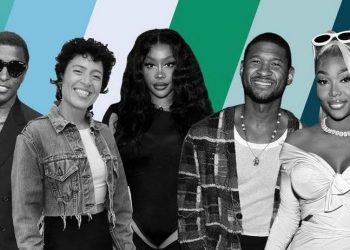
When it comes to producing world-class musical talent, the state of Georgia has long been a powerhouse. From the soulful streets of Atlanta to the small-town roots of Leesburg and Macon, Georgia has given rise to some of the most iconic voices in music history. These artists haven’t just topped charts—they’ve shaped genres, sparked cultural movements, and left an indelible mark on the global soundscape. Whether it’s the electrifying energy of Little Richard, the smooth southern charm of Alan Jackson, or the heart-wrenching soul of Otis Redding, Georgia’s musical legacy runs deep and wide. This isn’t just a list—it’s a celebration of trailblazers and trendsetters who turned their Georgia roots into global influence. Across soul, rock, country, and R&B, these ten artists have defined eras and inspired millions. So crank up the volume and take a journey through the Peach State’s most powerful voices—these are the top 10 most popular and beloved singers from Georgia, and their stories are as unforgettable as the music they’ve given the world. Whether you’re a lifelong fan or discovering them for the first time, this list is a testament to Georgia’s undeniable role in shaping the soundtrack of our lives.
1. Ray Charles
Ray Charles wasn’t just a singer—he was a revolutionary. Born in Albany, Georgia in 1930, Charles broke barriers by fusing gospel with rhythm and blues, jazz, and country to invent a whole new genre: soul. Blinded by glaucoma at age seven, his vision loss only sharpened his musical instincts. His voice, raw with emotion and dripping with authenticity, captured the pain and joy of the human condition like few others could. His signature hit, “Georgia on My Mind,” became the official state song in 1979, a poetic full circle moment for a man who gave so much to music. Ray wasn’t just a performer; he was a cultural force—paving the way for generations of Black artists and reshaping the music industry forever.
2. Otis Redding
There’s a timeless ache in Otis Redding’s voice that still echoes decades after his tragic passing. Hailing from Dawson, Georgia, Redding’s soul-stirring delivery turned every lyric into a heart confession. He was just 26 when he died in a plane crash in 1967, but in that short time, he left an indelible mark. “(Sittin’ On) The Dock of the Bay,” released posthumously, became an anthem of introspection and longing. Redding’s raw emotional power and commanding stage presence influenced countless artists from soul to rock. He wasn’t just a singer—he was a vessel for pure, unfiltered feeling, and his legacy reverberates every time a soul singer dares to be vulnerable.
3. Little Richard
Explosive, wild, and unapologetically flamboyant, Little Richard was a firestarter—and the match was lit in Macon, Georgia. With his electrifying piano pounding and iconic shrieks, he essentially invented the chaos and thrill of rock and roll. Songs like “Tutti Frutti” and “Good Golly, Miss Molly” weren’t just hits—they were revolutions, challenging racial and gender norms in 1950s America. His influence stretched far and wide, inspiring legends like The Beatles and Prince. But beyond the pompadour and rhinestones was a genius who redefined what it meant to perform. Little Richard didn’t just open doors—he kicked them off the hinges, screaming his way into music history.
4. James Brown
Though born in South Carolina, James Brown’s formative years in Augusta, Georgia shaped the grit and fire that would define the “Godfather of Soul.” Brown’s music was more than sound—it was movement. With footwork that defied gravity and grooves that refused to sit still, he pioneered funk with a furious energy unmatched in music history. Tracks like “I Got You (I Feel Good)” and “Say It Loud – I’m Black and I’m Proud” weren’t just chart-toppers—they were cultural milestones. Brown’s relentless drive and perfectionism turned his band into a precision machine and his concerts into spiritual experiences. Few artists have matched his sheer force, and none have danced harder in dress shoes.
5. Travis Tritt
Travis Tritt brought Southern rock swagger to the country music scene in the 1990s, and he did it with a rebel’s heart and a preacher’s soul. Born in Marietta, Georgia, Tritt was never one to play it safe. While Nashville leaned toward polished country-pop, he fused outlaw country with bluesy grit to create something raw and real. Hits like “Here’s a Quarter (Call Someone Who Cares)” and “Anymore” showcased his gravelly voice and emotional storytelling. Tritt’s music speaks to the working class, the heartbroken, and the proud—his songs are anthems for those who live life on their own terms. He’s not just a country artist—he’s a Southern troubadour with a rock ‘n’ roll edge.
6. Alan Jackson
Few country artists have worn their roots more proudly than Alan Jackson. Born in Newnan, Georgia, Jackson built his career on a deep respect for traditional country while still embracing modern flair. With his towering frame, cowboy hat, and unmistakable twang, he became the everyman’s voice in country music. His breakout hit “Chattahoochee” was more than just a summer jam—it was a celebration of small-town life and Southern simplicity. Jackson’s songwriting is deceptively simple, yet deeply heartfelt, often drawing on family, faith, and blue-collar values. He’s a member of the Country Music Hall of Fame for good reason—he kept country music country when it needed it most.
7. Luke Bryan
From Leesburg, Georgia to the top of the Billboard charts, Luke Bryan’s rise has been nothing short of meteoric. With a smile as wide as a Georgia sunrise and a knack for writing hits that stick like summer memories, Bryan has become a defining figure in 21st-century country. His songs—“Country Girl (Shake It for Me),” “Drunk on You,” and “Play It Again”—are party-ready anthems rooted in rural life and late-night nostalgia. But beyond the radio bangers, Bryan has a softer side, often honoring his Southern upbringing and personal losses through poignant ballads. Whether he’s shaking stadiums or serenading the heartbroken, Bryan brings charisma, charm, and a genuine love for his roots.
8. CeeLo Green
CeeLo Green is one of Georgia’s most eclectic musical exports. Born in Atlanta, his career has spanned hip-hop, soul, funk, and pop with a flair that few can match. As part of Goodie Mob, CeeLo helped pioneer Southern hip-hop with gritty, socially conscious lyrics. Then came Gnarls Barkley—a genre-bending duo with Danger Mouse—and their global smash “Crazy,” which cemented CeeLo’s place in the pop pantheon. His solo hit “Forget You” (you know the clean version) proved he could write hooks as well as he could sing them. With a voice that’s equal parts vintage soul and futuristic swagger, CeeLo is a true original—bold, unpredictable, and never boring.
9. Gladys Knight
Gladys Knight’s voice is velvet and fire—smooth yet powerful, elegant yet commanding. Born in Atlanta, she rose to fame with the Pips, delivering soul classics like “Midnight Train to Georgia” that remain unmatched in their emotional resonance. Knight’s strength lies in her ability to tell stories through song, wrapping heartbreak, hope, and resilience into every note. Her influence spans generations, bridging Motown, soul, and gospel with grace. Dubbed the “Empress of Soul,” Knight’s career has spanned over six decades without losing an ounce of authenticity. When she sings, it’s not just music—it’s a sermon, a conversation, and a celebration of life’s highs and lows.
10. Monica
Monica’s voice has been a defining force in R&B since she burst onto the scene as a teenager in the mid-1990s. Hailing from College Park, Georgia, Monica brought a mature, soul-drenched sound to hits like “Don’t Take It Personal” and the chart-topping duet “The Boy Is Mine” with Brandy. Her vocal delivery—confident, emotive, and endlessly smooth—set her apart in a crowded field. Unlike many of her peers, Monica’s career has endured thanks to her consistent authenticity and connection with her audience. She sings from experience—whether it’s love, loss, or redemption—and fans have grown with her. Monica isn’t just an R&B star; she’s an Atlanta legend who helped define a generation.

Samuel Moore is a frequent contributor to Singers Room. Since 2005, Singersroom has been the voice of R&B around the world. Connect with us via social media below.