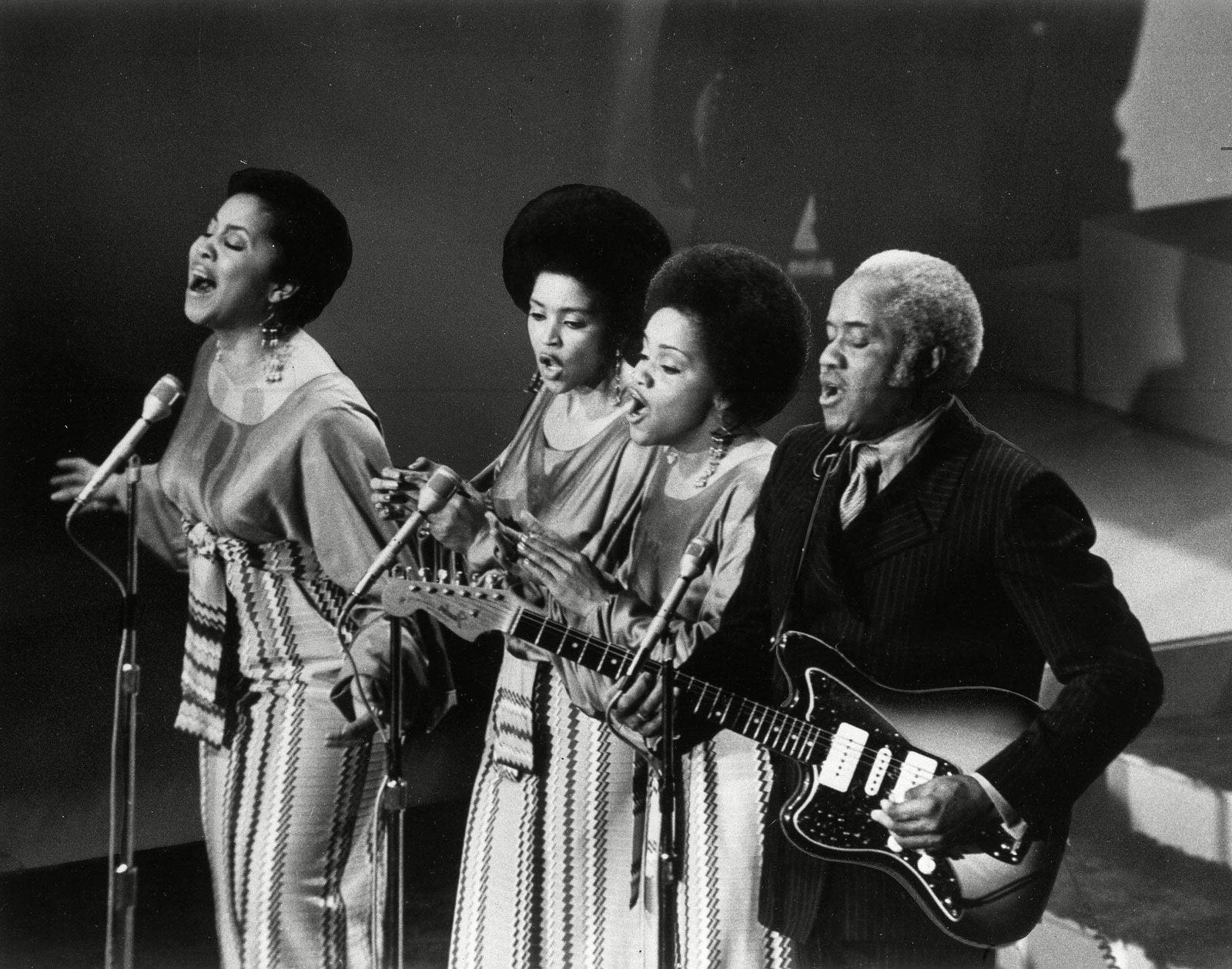
Few groups in music history have managed to capture the spirit of resilience, faith, and love quite like The Staple Singers. With their unique blend of gospel, soul, R&B, and funk, this iconic family band brought a powerful voice to both the civil rights movement and the hearts of millions worldwide. From church pews to concert halls, their music transcended generations, inspiring unity and hope with every note.
Led by the warm, gravely voice of patriarch Roebuck “Pops” Staples and the unmistakable, soul-stirring vocals of Mavis Staples, The Staple Singers created timeless hits that still resonate today. Their songs were more than just music—they were anthems of empowerment, reminders of the power of love and perseverance.
In this article, we’ll take a deep dive into the top 10 most popular songs by The Staple Singers. From the chart-topping grooves of “I’ll Take You There” to the heartfelt call for change in “Respect Yourself,” we’ll explore the tracks that defined their legendary career. Whether you’re a lifelong fan or discovering their music for the first time, this journey through their greatest hits is sure to leave you inspired and uplifted. Let’s celebrate the enduring magic of The Staple Singers!
1. I’ll Take You There (1972)
“I’ll Take You There” is much more than just a song—it’s a soulful declaration of hope and healing. Released in 1972, it became The Staple Singers’ most iconic track, and for good reason. From the very first bassline, the song draws you into a groove that’s both smooth and powerful. Mavis Staples’ vocals are commanding yet comforting, like a hand reaching out and guiding you toward something better. She’s not just singing—she’s testifying. The call-and-response format, a staple of gospel tradition, brings a sense of unity, making you feel like you’re part of something larger. The message is simple but profound: there is a better place, a more loving world, and together we can get there. It’s a protest song without sounding angry, a spiritual without sounding preachy. That’s the magic of it. Its warmth and message of communal uplift feel just as relevant today as they did during the civil rights era. Few songs manage to cross generations with such grace, but “I’ll Take You There” continues to do exactly that. It’s a joyful, groovy, soulful reminder that music really can take you someplace better.
2. Respect Yourself (1971)
Released in 1971, “Respect Yourself” is The Staple Singers at their most righteous and empowering. It’s a song that doesn’t sugarcoat things—it tells it like it is, delivering truth wrapped in funk and gospel. The groove is tight, the rhythm infectious, but it’s the message that truly hits home. Mavis and her family don’t just sing to you—they challenge you. The lyrics speak directly to listeners, encouraging them to value themselves and demand respect from others. There’s a strong undercurrent of social critique here, a pushback against a culture that too often tears people down. But it’s never preachy—instead, it’s motivating, like a conversation with a wise elder who just wants you to walk taller and think bigger. The harmonies elevate the song even further, bringing gospel roots to a track that feels as fresh now as it did over fifty years ago. It’s music with a backbone, a beat, and a purpose. “Respect Yourself” isn’t just a call to action—it’s a soulful mirror that reflects the strength and dignity within us all.
3. If You’re Ready (Come Go with Me) (1973)
“If You’re Ready (Come Go with Me)” is the sound of optimism in motion. Released in 1973, it captures that sweet spot between social consciousness and romantic harmony. The groove is mellow but insistent, like a gentle hand leading you down a brighter path. Mavis Staples’ voice radiates warmth and sincerity as she sings an invitation—not just to one person, but to anyone willing to believe in something better. The lyrics blend themes of unity, love, and progress, wrapped in melodies that soothe while they inspire. It’s a love song, yes, but it’s also a message of community. It says, “We can go forward together—if you’re ready.” That conditional phrasing carries power; it reminds us that change, whether personal or collective, begins with a choice. The music itself is lush and inviting, with a laid-back rhythm section that lets the vocals take center stage. You can feel the roots of gospel, soul, and R&B all working in harmony. This song doesn’t shout its message—it invites you in with open arms. And nearly five decades later, its gentle spirit and hopeful tone are still incredibly moving.
4. Let’s Do It Again (1975)
“Let’s Do It Again” might be one of the smoothest love songs The Staple Singers ever recorded, and that’s saying a lot. Written and produced by the legendary Curtis Mayfield, the 1975 hit marked a shift in tone for the group—less about social uplift, more about sensual connection. And yet, they pull it off with such grace and soul that it never feels out of character. The groove is soft, sexy, and utterly hypnotic, with Mavis Staples delivering vocals that smolder with quiet intensity. Every note feels effortless, every lyric laced with affection and flirtation. It’s a track that oozes warmth and closeness, like a slow dance in a candlelit room. What makes it even more impressive is the subtle sophistication of the arrangement—Mayfield’s touch is all over it, with silky strings and delicate guitar lines. Yet it’s never overproduced. It leaves space for the song to breathe, for Mavis’ voice to shine. “Let’s Do It Again” isn’t just about physical love—it’s about reconnecting, rediscovering, and reaffirming intimacy. It’s sweet, sultry, and timeless, proof that The Staple Singers could master romance just as powerfully as they did revolution.
5. Touch a Hand, Make a Friend (1974)
“Touch a Hand, Make a Friend” is the kind of song that feels like a warm hug wrapped in music. Released in 1974, it carries a message that’s both beautifully simple and deeply profound—reach out, connect, be kind. The Staple Singers blend their gospel roots with a soulful groove that feels almost like a gentle march toward unity. The chorus is instantly memorable, almost childlike in its sincerity, but delivered with such heart that it hits on a deeper level. Mavis Staples leads the way with her rich, empathetic vocals, supported by harmonies that radiate familial closeness. There’s something almost spiritual in its call to compassion, as if the group is urging us to slow down and remember what really matters: people. In an era that was full of tension and change, this song stood as a musical olive branch—a reminder that love and understanding can be revolutionary acts. The instrumentation is easygoing and friendly, making the song not just inspiring but incredibly listenable. Even today, “Touch a Hand, Make a Friend” serves as a timeless reminder that kindness isn’t just nice—it’s necessary.
6. City in the Sky (1974)
“City in the Sky” is one of The Staple Singers’ more contemplative tracks, and it stands out for its poetic ambition. Released in 1974, the song paints a picture of a heavenly place—not just in the religious sense, but as a metaphor for hope, justice, and peace. It blends the group’s gospel foundation with a funk-infused sound that lifts the spirit while stirring the soul. The vocals here are especially poignant, with Mavis Staples delivering a performance that’s both grounded and soaring. The lyrics speak of a better place beyond the chaos and struggles of everyday life—a place built on values, not violence. It’s a powerful image, especially in the context of the turbulent times in which it was released. But what makes “City in the Sky” resonate is that it doesn’t feel like escapism. Instead, it feels like a call to build something better right here on Earth. The arrangement supports the vision with layered harmonies, subtle instrumentation, and a steady rhythm that gives the whole track a sense of forward motion. It’s not just a song—it’s a mission statement, wrapped in soul and carried on wings of faith.
7. Heavy Makes You Happy (Sha-Na-Boom Boom) (1971)
“Heavy Makes You Happy (Sha-Na-Boom Boom)” is a burst of pure joy. Released in 1971, this track is all about embracing what lifts your spirit—even if it weighs a little. It’s got one of those titles that instantly makes you smile, and the music matches it perfectly. The song opens with an infectious, funky rhythm that practically dares you not to dance. And once the vocals come in? Game over. Mavis Staples leads the charge with a voice full of playful energy, while the rest of the group backs her with buoyant harmonies. Lyrically, it’s a celebration of whatever makes life feel good—music, love, laughter, and connection. But there’s a deeper message hiding in the fun: happiness isn’t about lightness or escape, but about meaning and fullness. Sometimes the things that make us happiest are the ones that ground us, challenge us, or stretch us in the best ways. The song’s arrangement is tight but loose, polished but unpretentious. It’s the kind of tune you’d blast on a sunny afternoon, windows down, worries set aside. “Heavy Makes You Happy” is a funky little philosophy lesson—and it feels as good as it sounds.
8. This World (1972)
“This World,” released in 1972, is a reflective, soulful piece that speaks to both the beauty and the struggle of life. The Staple Singers had a rare gift for singing about serious things in a way that uplifted rather than weighed you down, and this track is a prime example. With a steady rhythm and emotionally rich harmonies, “This World” invites listeners to take a closer look at their surroundings, to acknowledge the challenges while still holding onto faith and hope. Mavis Staples delivers each line with a quiet intensity, balancing realism with reassurance. There’s a sense of grounded wisdom here, as if the group has seen it all—the good, the bad, and the in-between—but still chooses to believe in the possibility of something better. The instrumentation supports this tone beautifully, with a groove that’s mellow but purposeful, like a slow walk through a complex landscape. “This World” doesn’t offer easy answers, but it does offer perspective. It’s a reminder that while the world can be tough, we don’t have to go through it alone. With soul as their compass, The Staple Singers offer light for the journey.
9. Oh La De Da (1973)
“Oh La De Da” is joy in musical form. Released in 1973, it’s a bright, upbeat song that practically beams from the speakers. From the first note, it’s clear this isn’t a track meant to be analyzed—it’s meant to be felt. The rhythm is playful and the melody sticks with you in the best way. Mavis Staples delivers the vocals with an almost carefree glee, while the rest of the group fills out the sound with harmonies that bounce and sway. The lyrics celebrate simple pleasures and everyday happiness—the kind of moments that might seem small but actually make life meaningful. There’s something cathartic about its carefree spirit, especially when you consider how much of The Staple Singers’ catalog grapples with deep social and spiritual themes. “Oh La De Da” is like a deep breath, a musical exhale. It reminds us not to take ourselves too seriously all the time, to laugh, sing, dance, and be silly sometimes. Life is hard enough—songs like this help lighten the load. It’s a joyful groove with a contagious energy that makes it nearly impossible to sit still.
10. Be What You Are (1973)
“Be What You Are,” released in 1973, is The Staple Singers at their most affirming and soulful. This track is a heartfelt celebration of authenticity, a musical pep talk reminding us that there’s power in simply being ourselves. It’s the kind of song that doesn’t need to shout to be powerful—its strength lies in its honesty. Mavis Staples delivers the lyrics with sincerity and warmth, her voice wrapping around each line like a trusted friend offering encouragement. The harmonies, as always, are seamless and rich, giving the song a comforting depth. There’s a gentle groove running beneath it all—easygoing, mellow, but never lazy—that lets the message shine.
The lyrics speak directly to the listener: don’t pretend, don’t conform, don’t chase someone else’s version of success or identity. It’s a timeless message, especially powerful coming from a group so rooted in both personal integrity and social consciousness. What makes this song so special is its quiet wisdom. It doesn’t try to reinvent the wheel; it just reminds you that you’re already enough. “Be What You Are” is both a personal mantra and a universal truth, all wrapped up in soul-soaked melody. It’s not just a song—it’s an affirmation you can carry with you.

Edward Tomlin is a frequent contributor to Singers Room. Since 2005, Singersroom has been the voice of R&B around the world. Connect with us via social media below.









