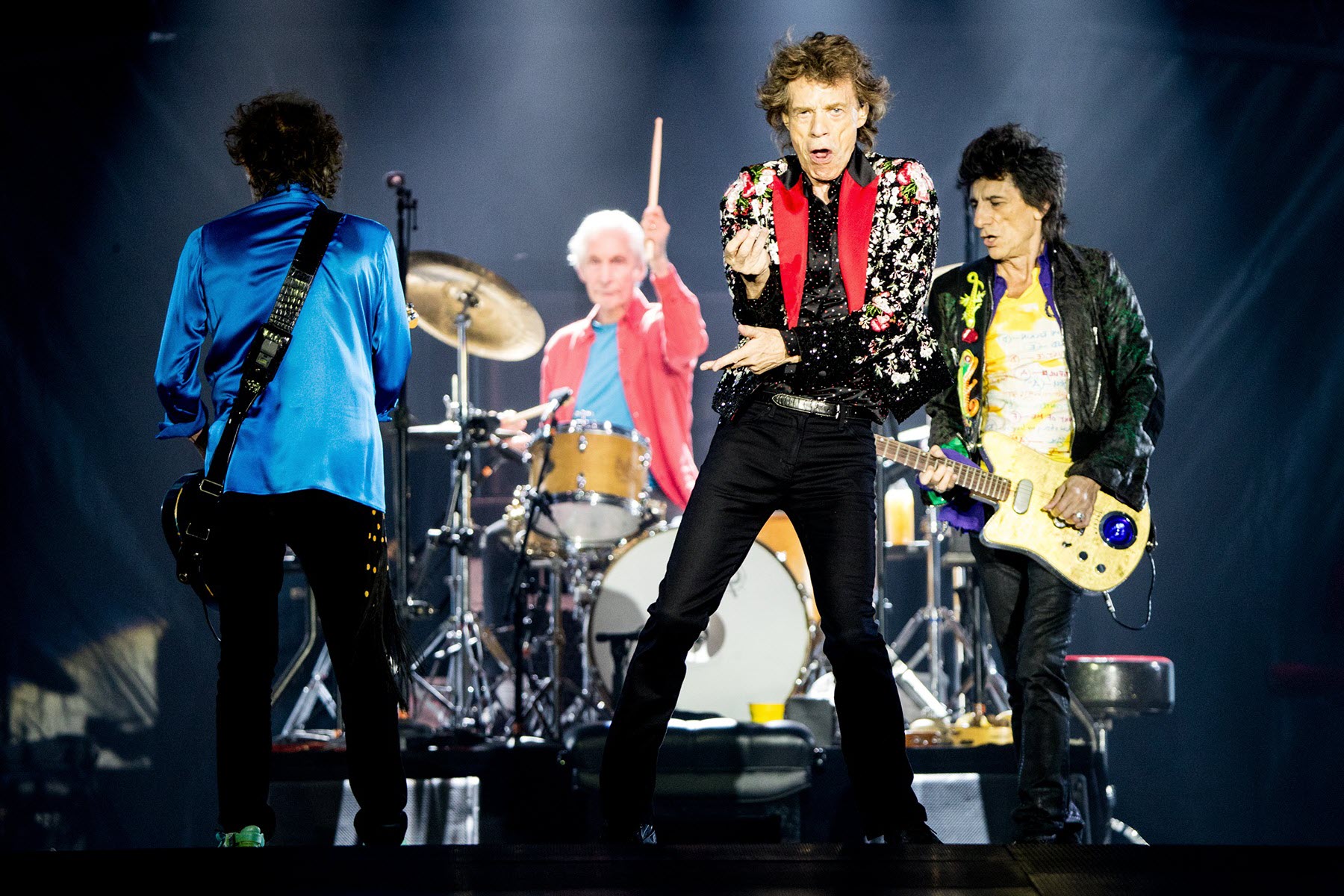
Few bands have left a mark on rock and roll quite like The Rolling Stones. With a career spanning over six decades, they’ve become the embodiment of raw energy, swagger, and timeless rebellion. From gritty blues roots to genre-defining anthems, the Stones have crafted a catalog that not only shaped the sound of rock but also captured the spirit of entire generations. Their music pulses with attitude, grit, and a relentless drive that’s made them legends across the globe.
This article dives deep into the top 10 most popular Rolling Stones songs of all time—tracks that not only topped charts but also tattooed themselves onto the cultural consciousness. These are the songs that fans scream for at sold-out arenas, the riffs that echo from vinyl to streaming playlists, and the lyrics that have been shouted from car windows for decades. Whether you’re a lifelong devotee or a newcomer just discovering the thrill of their sound, this list is your front-row ticket to the Stones’ most unforgettable moments. Get ready to turn up the volume, feel the groove, and rediscover why The Rolling Stones still rock harder than ever. Let’s roll through the tracks that made history.
1. “(I Can’t Get No) Satisfaction” – 1965
Few songs have captured the raw frustration of youth quite like “(I Can’t Get No) Satisfaction.” Released in 1965, this track catapulted The Rolling Stones into worldwide stardom and became an anthem of rebellion. Keith Richards’ fuzz-drenched guitar riff, reportedly dreamt up in the middle of the night, is instantly recognizable and ranks among the most iconic in rock history. Mick Jagger’s snarling vocals channel a sense of disillusionment with consumer culture and sexual frustration, themes that resonated deeply with the counterculture movement of the 1960s. The song topped charts globally, including a four-week stint at No. 1 on the U.S. Billboard Hot 100, and remains a cornerstone of classic rock playlists. It’s more than a hit—it’s a cultural statement that still pulses with urgency.
2. “Paint It, Black” – 1966
Drenched in Eastern influence and psychological intensity, “Paint It, Black” marked a bold turn for The Rolling Stones in 1966. The song opens with Brian Jones’s hypnotic sitar, a nod to the band’s willingness to experiment beyond traditional rock boundaries. Its lyrics dive into themes of grief and depression, cloaked in poetic metaphors about a world drained of color. The pounding rhythm and minor-key melody create a haunting atmosphere that was both ahead of its time and deeply reflective of the darker mood of the late ’60s. It became the first No. 1 single in the U.S. and the U.K. to feature a sitar, and it remains one of the Stones’ most emotionally resonant and musically adventurous tracks.
3. “Gimme Shelter” – 1969
“Gimme Shelter” isn’t just a song—it’s a visceral cry from the eye of a storm. Released in 1969 on the Let It Bleed album, it captures the chaos and uncertainty of a world on the brink. From the chilling opening guitar riff to Merry Clayton’s spine-tingling backing vocals, the track builds into a thunderous warning of violence and unrest. With lyrics evoking war, rape, and natural disaster, it’s a stark reflection of the turbulent times, including the Vietnam War and domestic upheaval. Yet, amid the darkness, the chorus offers a glimmer of hope: “Love, sister, is just a kiss away.” It’s a masterwork of tension and release, and a towering achievement in the Stones’ catalog.
4. “Sympathy for the Devil” – 1968
The Rolling Stones took a daring leap into the provocative with “Sympathy for the Devil,” released in 1968 on Beggars Banquet. Crafted as a samba-infused narrative from the perspective of Lucifer himself, the song walks a tightrope between satire and social commentary. Jagger’s devilish charisma shines as he recounts humanity’s darkest chapters—not to glorify evil, but to challenge the listener’s sense of morality and complicity. The percussion-heavy arrangement, combined with Richards’ elegant guitar solo, creates a sinister groove that lingers long after the final note. It was controversial upon release, but its genius lies in its audacity and depth—a timeless reminder that evil often wears a human face.
5. “Angie” – 1973
Soft, sorrowful, and steeped in longing, “Angie” marked a departure from the Stones’ hard-edged sound when it was released in 1973. This acoustic ballad from the Goats Head Soup album showcased a more vulnerable side of the band. Mick Jagger’s plaintive vocals and Keith Richards’ delicate acoustic guitar work combine in a song that speaks of love lost but not forgotten. Speculation abounded about the song’s muse—Angela Bowie, Marianne Faithfull, or even Keith’s daughter Angela—but the mystery only added to its allure. “Angie” topped charts in multiple countries and proved that the Stones could deliver emotional depth just as powerfully as they did swagger and grit.
6. “Start Me Up” – 1981
“Start Me Up” kicked off the 1980s with a bang, reaffirming The Rolling Stones’ staying power in a changing musical landscape. Released in 1981 on the Tattoo You album, the track had its origins as a reggae-infused jam before evolving into the powerhouse rocker fans know today. Keith Richards’ jagged, chugging riff is instantly infectious, and Jagger’s playful, suggestive lyrics turned the song into a stadium anthem. It became one of the band’s biggest hits of the decade and a go-to opener for live shows. “Start Me Up” is pure adrenaline—proof that even after two decades, the Stones could still ignite the fire and own the stage.
7. “Jumpin’ Jack Flash” – 1968
“Jumpin’ Jack Flash” exploded onto the scene in 1968 with a ferocity that redefined the Stones’ sound. Coming off a brief psychedelic phase, this track marked a return to gritty, blues-driven rock. With its stomping rhythm and electrifying guitar riff, the song became an instant classic. The lyrics, cryptic yet compelling, speak of resilience and rebirth—“I was born in a crossfire hurricane”—capturing the band’s own reinvention. It wasn’t part of a studio album at the time but soared as a single and became a cornerstone of their live performances. Gritty, raw, and full of swagger, it’s the sound of the Stones at their most primal.
8. “Wild Horses” – 1971
A tender, aching ballad, “Wild Horses” is one of the most emotionally resonant songs in the Stones’ catalog. Released in 1971 on the Sticky Fingers album, it’s a rare moment of vulnerability from a band known for their brashness. The song’s country-tinged arrangement, featuring acoustic guitar and subtle piano, wraps around lyrics of longing and loyalty. Written by Jagger and Richards, it reflects both personal heartache and universal themes of love’s endurance. Whether interpreted as a farewell to a lover or a tribute to enduring bonds, “Wild Horses” pulls at the heartstrings with understated beauty and unmatched sincerity.
9. “Brown Sugar” – 1971
“Brown Sugar” burst onto the airwaves in 1971 with a swagger that was impossible to ignore. The opening riff, courtesy of Keith Richards, is one of the most recognizable in rock history—dirty, raw, and full of energy. Lyrically, the song dives into controversial territory, touching on race, sex, and power in a way that has sparked debate for decades. But musically, it’s a masterclass in gritty rock and roll. Released as the lead single from Sticky Fingers, it topped the charts and became a staple of their live shows. “Brown Sugar” is the Stones in full throttle—raucous, rebellious, and unapologetically bold.
10. “You Can’t Always Get What You Want” – 1969
Closing out Let It Bleed in 1969, “You Can’t Always Get What You Want” is a sweeping, gospel-tinged epic that captures the bittersweet truths of life. The London Bach Choir’s majestic opening sets the tone for a song that blends rock, soul, and classical influences. Jagger’s lyrics are introspective yet universal, weaving tales of disillusionment with a message of reluctant acceptance. Richards’ acoustic guitar and Al Kooper’s soulful piano and French horn elevate the track into something transcendent. It’s not just a song—it’s a philosophy, reminding listeners that sometimes, life’s compromises lead to unexpected gifts.

Samuel Moore is a frequent contributor to Singers Room. Since 2005, Singersroom has been the voice of R&B around the world. Connect with us via social media below.









