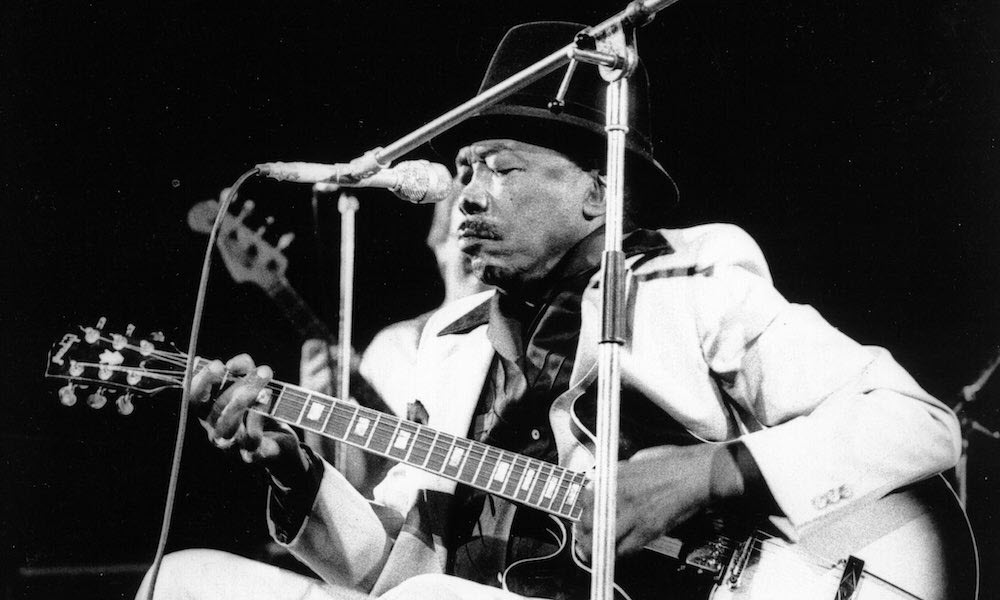
When it comes to the blues, few artists embody its raw power and soul-stirring authenticity like the legendary John Lee Hooker. A true pioneer of the genre, Hooker’s gravelly voice, hypnotic rhythms, and electrifying guitar riffs have transcended generations, leaving an indelible mark on the world of music. Born in the heart of Mississippi Delta blues, his sound evolved into something uniquely his own—a mesmerizing blend of storytelling and groove that has inspired countless musicians across genres, from rock to soul.
In this article, we dive deep into the top 10 most popular John Lee Hooker songs of all time. These tracks aren’t just songs; they’re timeless anthems that capture the essence of love, struggle, joy, and heartbreak. Whether you’re a lifelong fan or new to the world of blues, this list will take you on a journey through Hooker’s groundbreaking career, exploring his undeniable influence and the magic of his music. So grab your headphones, turn up the volume, and let the blues wash over you as we celebrate the iconic sound of one of the greatest bluesmen to ever grace a stage.
1. Boogie Chillen’ (1948)
“Boogie Chillen’” wasn’t just John Lee Hooker’s breakout hit—it was a revolution in sound. Released in 1948, this gritty, hypnotic track brought something fresh and raw to the blues scene. It’s driven by a single chord, Hooker’s foot stomping like a heartbeat, and his spoken-word-style vocals that sound like he’s letting you in on a secret. That minimalist approach gave it an almost trance-like feel, drawing listeners in and keeping them there. The lyrics paint a picture of young Hooker’s fascination with the energy of Detroit nightlife, capturing the thrill of freedom, dancing, and doing your own thing. Hooker didn’t need a full band or complex production—he turned simplicity into power. The line “When I first came to town, people, I was walkin’ down Hastings Street” transports you straight into his world. This song isn’t just music; it’s a statement of identity. It said, “I’m here, and I’ve got something to say,” and blues would never be the same after that. “Boogie Chillen’” not only launched Hooker’s career, it laid down a blueprint for the future of electric blues, influencing everyone from bluesmen to rock legends like The Rolling Stones and ZZ Top.
2. Boom Boom (1962)
If there’s one John Lee Hooker song that’s instantly recognizable from the very first guitar lick, it’s “Boom Boom.” Released in 1962, this tune quickly became one of Hooker’s signature tracks, and for good reason. It’s got that perfect blend of blues grit and radio-friendly swagger. The story goes that the lyrics were inspired by playful banter with a club bartender who used to joke, “Boom boom—you’re late again!” Hooker turned that into a flirtatious, rhythmic anthem that made people move. His voice in this track is smooth but full of character, like he’s half-serious, half-grinning while delivering each line. The groove is irresistible—tight, funky, and built around that punchy riff that hooks you in and won’t let go. “Boom Boom” crossed boundaries, becoming a favorite not just in blues circles, but among rock and R&B audiences too. It’s been covered by everyone from The Animals to Big Head Todd, proving just how universal and lasting Hooker’s sound is. More than 60 years later, this song still slaps. Whether you’re hearing it in a dive bar, a film soundtrack, or a live band’s setlist, “Boom Boom” always gets feet tapping and heads nodding.
3. Crawling King Snake (1949)
Released in 1949, “Crawling King Snake” is a slinky, powerful blues number that shows off the primal edge John Lee Hooker brought to the genre. With its simmering rhythm and sultry pacing, the track oozes confidence and quiet dominance. The metaphor of the “king snake” is a classic blues image—both bold and suggestive—and Hooker delivers it with a voice that’s as commanding as it is cool. His guitar work is deceptively simple but deeply expressive, slithering alongside his vocals in a way that makes the whole song feel like a slow, hypnotic dance. There’s something incredibly intimate about this track, like Hooker’s performing it just for you in a smoky backroom somewhere. It’s the kind of blues that doesn’t shout; it simmers, it seduces. “Crawling King Snake” has been covered by blues and rock artists alike, but nobody matches the raw magnetism of Hooker’s original. He brings a certain swagger that’s hard to fake—he is the king snake. This track is a masterclass in how to say a lot with just a little, proving once again that Hooker was a bluesman in a league of his own.
4. One Bourbon, One Scotch, One Beer (1953)
“One Bourbon, One Scotch, One Beer” is a blues storytelling classic, and John Lee Hooker makes every word count. Released in 1953, the song isn’t just about drinks—it’s about survival, heartbreak, and the very real struggles of everyday life. Hooker’s delivery feels less like singing and more like a conversation—a man pulling up a stool to unload the weight of the world. His guitar follows him like a shadow, raw and steady, while the rhythm keeps things moving like a night that won’t end. The story is simple: a man, freshly kicked out of his home, seeks comfort in a bar, where he orders his now-famous trio of drinks. But beneath the humor and the groove, there’s pain—real, relatable pain. Hooker captures that emotional complexity without over-explaining, giving us space to fill in the blanks with our own experiences. The song was later famously reinterpreted by George Thorogood, but it’s Hooker’s original that hits deepest. It’s blues at its most human—honest, imperfect, and unforgettable. Whether you’ve been in that barstool or just felt the weight of life pile up, “One Bourbon, One Scotch, One Beer” speaks to the soul.
5. Hobo Blues (1949)
“Hobo Blues,” released in 1949, is John Lee Hooker at his most hauntingly personal. This song taps into the spirit of the drifter—the person who moves through the world without a fixed place, always searching, always unsettled. It’s not just about literal travel; it’s about the emotional weight of not belonging. Hooker’s voice here is low, weary, and reflective, like he’s telling the story of a life full of loss and solitude. The lyrics are simple but powerful: “When I first left home, my mother and dad cried.” You can hear the ache in his words, and the repetition in his guitar playing mirrors the repetitive rhythm of footsteps on the road. There’s no flashiness here—just raw, stripped-down blues that gets under your skin. What makes “Hobo Blues” so memorable is how universal it feels. Even if you’ve never hopped a train or wandered aimlessly, you’ve probably felt alone, lost, or adrift. Hooker turns that feeling into a song that resonates across generations. It’s one of those tracks that sticks with you long after it ends—not because it’s loud or complex, but because it’s so beautifully, heartbreakingly honest.
6. I’m in the Mood (1951)
Released in 1951, “I’m in the Mood” is John Lee Hooker at his smoothest and most seductive. There’s a slow-burning intensity to this track that makes it stand out—it’s blues wrapped in velvet. Hooker doesn’t rush; he lets every note linger, building an atmosphere that feels smoky, late-night, and intimate. The song’s famous call-and-response structure, where Hooker’s vocal lines are echoed by a second voice (sometimes Hooker himself, sometimes another singer), gives it a conversation-like quality. It’s as if he’s whispering sweet nothings back and forth with a lover, and we’re just lucky enough to listen in.
Lyrically, it’s all about desire—simple, honest, and direct. “I’m in the mood, baby, for love.” No poetry needed. The beauty lies in its restraint; Hooker doesn’t oversell it, and that’s what makes it so powerful. The guitar work is subtle but sensual, matching the vocals in tone and rhythm, like a slow dance between two people who know each other well. “I’m in the Mood” went on to become a massive hit, topping the R&B charts and becoming one of Hooker’s most recognizable songs. It’s blues at its most sultry—minimalist, emotional, and timeless.
7. Dimples (1956)
“Dimples,” released in 1956, is one of John Lee Hooker’s most charming tracks—a playful, toe-tapping tune that brings a smile as easily as it gets your foot bouncing. There’s an undeniable joy to this song, even with its stripped-down blues foundation. Hooker doesn’t overcomplicate it. His guitar riff chugs along with a carefree energy, punctuated by handclaps and a simple drumbeat that makes it feel like a porch-front jam session.
The lyrics are an ode to infatuation—Hooker is head over heels for a woman with the kind of dimples that stop him in his tracks. “I love the way you walk,” he croons, and you can hear the grin in his voice. It’s a rare look at Hooker’s lighter, more flirtatious side, and it’s irresistibly fun. There’s swagger in every line, but it’s more sweet than cocky, capturing that universal feeling of being completely taken by someone’s presence.
“Dimples” has been covered by countless artists, including The Animals and The Spencer Davis Group, but the original remains a standout for its laid-back cool. It’s blues you can dance to, flirt to, or just vibe with—proof that Hooker could do joy just as well as sorrow.
8. It Serves You Right to Suffer (1965)
“It Serves You Right to Suffer,” released in 1965 on the Impulse! label, is a powerful blend of blues and jazz that reveals a deeper, darker side of John Lee Hooker’s storytelling. From the very first note, the song pulls you into its world—a place of heartbreak, consequence, and quiet fury. The title says it all: this is a song about emotional justice, about someone who played with love and ended up paying the price.
Hooker’s delivery is restrained but full of weight. He doesn’t yell; he tells. His voice is low, smoky, and deliberate, and every word feels like it was carved out of experience. The instrumentation—featuring upright bass, light drums, and jazz-inflected piano—adds a richness that’s different from his earlier, more minimalist work. This track proves Hooker could evolve without losing his soul.
“It Serves You Right to Suffer” is not just a song—it’s a mood. It speaks to the moments when silence carries more weight than shouting, when pain simmers instead of exploding. And at the center of it all is Hooker, steady as ever, reminding us that actions have consequences and that the blues will always find a way to tell the truth.
9. Shake It Baby (1963)
“Shake It Baby,” released in 1963, is a high-energy blues jam that practically demands you get up and move. From the opening guitar riff, you know you’re in for a good time. Hooker leans into his more rhythmic, danceable side with this track, and it’s an absolute groove-fest. The beat is simple but infectious, with a driving tempo that captures the raw, unfiltered energy of a live juke joint performance.
Hooker’s vocals are playful and commanding all at once. He’s not just singing—he’s leading the dance floor, telling you exactly what to do. “Shake it, baby, shake it,” he chants, over and over, like a bluesy spell. There’s a flirtatious edge to it, but also a kind of celebratory spirit. It’s blues, yes, but it’s blues that’s full of life and movement.
While Hooker is often remembered for his slow, smoky tunes, “Shake It Baby” proves he could turn up the heat when he wanted to. This song has been a favorite for blues bands and fans alike, a reminder that the blues isn’t just about heartache—it’s about joy, release, and the kind of rhythm that gets into your bones.
10. House Rent Boogie (1950)
“House Rent Boogie,” released in 1950, is one of John Lee Hooker’s most character-driven songs—a talking blues tale that’s equal parts humor, rhythm, and social commentary. From the start, you’re drawn into a casual, almost conversational groove as Hooker tells the story of a man struggling to pay his rent. It’s a classic slice-of-life scenario, and Hooker’s delivery makes it feel incredibly real, like he’s just chatting with you across the table.
The music is minimal but effective—a steady guitar groove, Hooker’s foot tapping out the beat, and that unmistakable voice spinning the narrative. There’s a comedic edge here, especially in the back-and-forth between Hooker and the fictional landlady demanding her rent money. You can picture the scene unfolding in some run-down apartment, smoke in the air, tension thick but never too serious.
Beyond the laughs, though, “House Rent Boogie” touches on real struggles—poverty, hustling to survive, and the everyday grind that so many know firsthand. Hooker turns that reality into something relatable and oddly uplifting. It’s blues as storytelling, blues as real life. And once again, Hooker proves he can make even hard times feel like a song worth dancing to.

Edward Tomlin is a frequent contributor to Singers Room. Since 2005, Singersroom has been the voice of R&B around the world. Connect with us via social media below.









