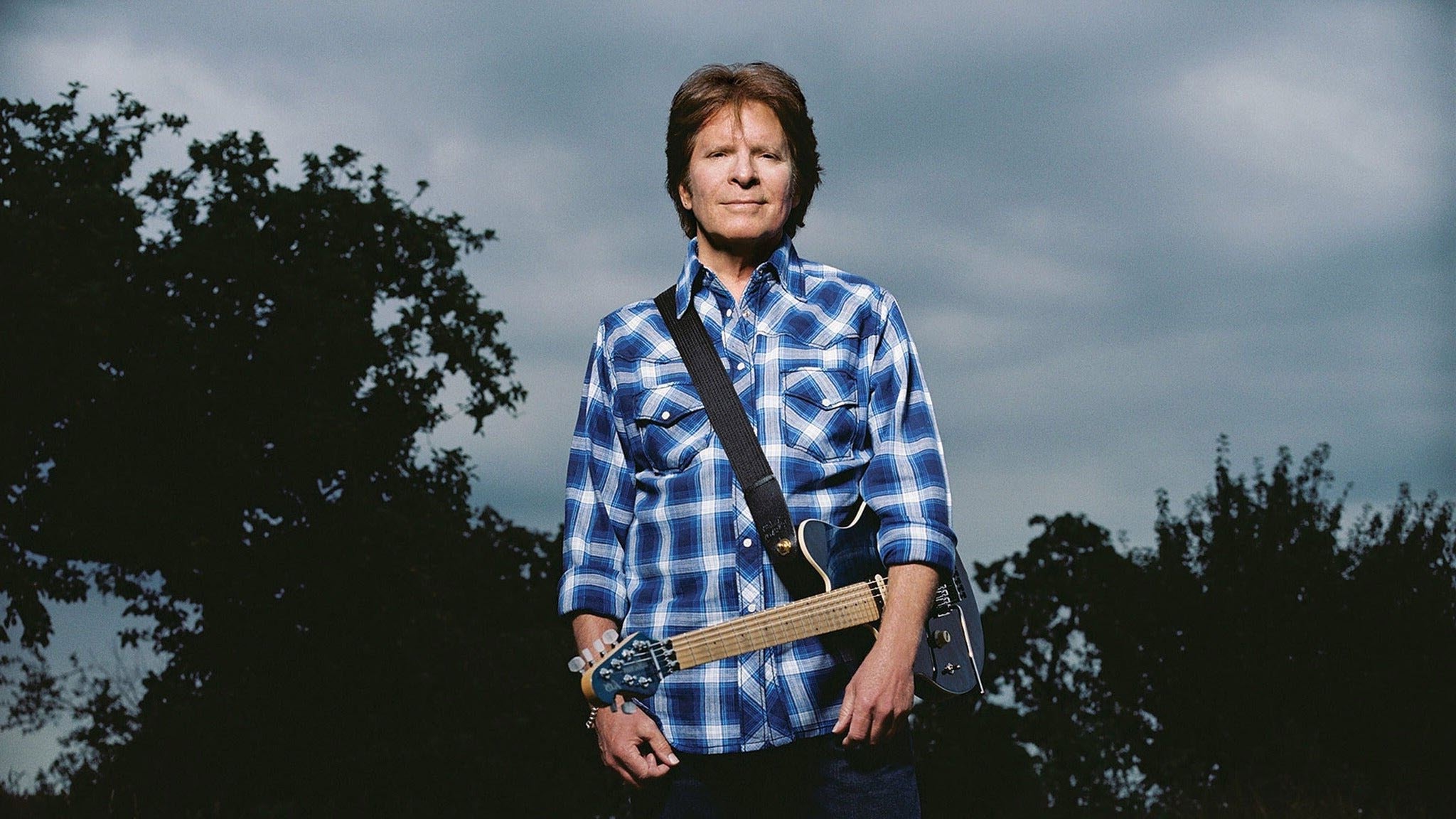
John Fogerty is more than just a rock icon — he’s the gravel-throated storyteller behind some of the most enduring anthems in American music history. From the swampy riffs of Creedence Clearwater Revival to his triumphant solo comeback, Fogerty’s songwriting has captured the grit, spirit, and soul of generations. His voice, instantly recognizable, carries the weight of protest, the joy of nostalgia, and the timeless power of rock ‘n’ roll. Whether he’s channeling the frustration of a nation at war or the simple magic of a baseball diamond, Fogerty has a unique way of turning everyday moments into unforgettable musical experiences. In this article, we’re counting down the top 10 most popular John Fogerty songs of all time — a collection of hits that defined an era and continue to resonate across decades. These are the tracks that lit up radios, shook stadiums, and embedded themselves in the fabric of American culture. Whether you’re a longtime fan or just discovering his catalog, this list is a celebration of Fogerty’s unmatched legacy — a journey through twangy guitars, foot-stomping rhythms, and lyrics that still hit home. So turn it up, and let’s dive into the songs that made John Fogerty a living legend.
1. Proud Mary (1969) – Creedence Clearwater Revival
Released in January 1969, “Proud Mary” marked a defining moment in rock history. Written by John Fogerty, the song fuses Southern rock, gospel, and blues into a rolling, riverboat anthem that feels as timeless as the Mississippi itself. The track was CCR’s breakthrough hit, peaking at No. 2 on the Billboard Hot 100 and introducing Fogerty’s powerful, raspy voice to the world. With lyrics about leaving behind a life of hard work for the freedom of the river, the song captured the spirit of late-60s America, weary from war and eager for escape. Its chugging guitar riff mimics the rhythm of a paddlewheel steamer, and Fogerty’s evocative storytelling struck gold. “Proud Mary” has since been covered by countless artists, most famously by Ike & Tina Turner, but the original version remains a rock ‘n’ roll classic that launched CCR into superstardom.
2. Bad Moon Rising (1969) – Creedence Clearwater Revival
“Bad Moon Rising,” released in April 1969, is a paradox in motion: a bright, upbeat melody paired with ominous lyrics forecasting doom. Written by Fogerty and inspired by a scene from the 1941 film The Devil and Daniel Webster, the song warns of impending disaster while set to a rollicking, country-rock beat. It reached No. 2 in the U.S. and No. 1 in the U.K., cementing CCR’s international appeal. Fogerty’s voice cuts through with urgency, and the song’s brevity—just over two minutes—adds to its punch. Despite its cheerful sound, the lyrics speak of hurricanes, lightning, and trouble on the rise, making it one of the most cleverly ironic songs in rock history. Its catchy chorus and accessible chord progression have made it a favorite for cover bands and movie soundtracks alike.
3. Fortunate Son (1969) – Creedence Clearwater Revival
Released in September 1969 at the height of the Vietnam War, “Fortunate Son” is Fogerty’s fiery protest anthem against class inequality and political hypocrisy. With snarling guitars and a relentless rhythm, the song rails against the reality that the sons of privilege often avoided the draft, while working-class youth were sent to fight. Its release on the Willy and the Poor Boys album made it an instant counterculture staple. Fogerty’s vocals are defiant, spitting out lines like “It ain’t me, I ain’t no senator’s son” with righteous fury. Though brief at just over two minutes, the song’s impact has echoed for decades, becoming a symbol of anti-war sentiment and social justice. It’s been featured in countless war films and political commentaries, and remains one of the most powerful protest songs in American music history.
4. Have You Ever Seen the Rain? (1971) – Creedence Clearwater Revival
“Have You Ever Seen the Rain?” was released in January 1971 on CCR’s Pendulum album, during a time of internal strife within the band. While it’s often interpreted as a reflection on the turbulent 1960s, Fogerty has said the song was inspired by the tension inside CCR as they were peaking in popularity. The “rain” falling on a sunny day symbolizes the disillusionment that can come even during success. Musically, the track is more polished than their earlier work, with a steady rhythm, clean instrumentation, and a haunting, melancholic tone. Fogerty’s voice carries both a sense of sorrow and clarity, making the song resonate with anyone who has felt lost amid joy. Its emotional depth and universal message have made it one of CCR’s most enduring songs, loved across generations.
5. Centerfield (1985) – John Fogerty
After years away from the spotlight, John Fogerty made a triumphant return with “Centerfield” in 1985—his first solo album in nine years. The title track is a joyous homage to baseball, America’s pastime, and captures the spirit of every kid who ever dreamed of stepping up to the plate. With its signature handclap beat and lyrical references to legends like Joe DiMaggio and Willie Mays, the song is both nostalgic and invigorating. Fogerty’s love for the game comes through in every line, and his signature swamp-rock guitar tones are still front and center. “Put me in, Coach!” became an instant catchphrase, and the song is now a staple at ballparks across the nation. It’s a feel-good anthem that marked a successful solo rebirth for Fogerty and reaffirmed his songwriting magic.
6. Green River (1969) – Creedence Clearwater Revival
Released in August 1969, “Green River” is a vivid slice of Americana, steeped in childhood memories and Southern imagery—even though Fogerty was a California native. The song’s lyrics, inspired by Fogerty’s family camping trips along Putah Creek, blend nostalgia and nature with swampy guitar licks and a driving rhythm that became CCR’s calling card. The track opens with one of the most iconic riffs in rock history and transports listeners to a simpler, wilder world of barefoot freedom and bullfrogs. Fogerty’s vocals are confident and evocative, capturing both the innocence and raw energy of youth. “Green River” hit No. 2 on the Billboard Hot 100 and helped solidify CCR’s reputation for crafting songs that felt both personal and mythic. It’s a roots-rock gem that continues to ripple through time.
7. Down on the Corner (1969) – Creedence Clearwater Revival
“Down on the Corner,” released in October 1969, is one of CCR’s most cheerful and accessible tunes. A celebration of street musicianship and simple pleasures, the song paints a picture of “Willy and the Poor Boys” playing on the corner to lift the spirits of passersby. With its infectious rhythm, washboard-style percussion, and singalong chorus, the track is pure joy in musical form. Fogerty’s storytelling is at its finest here, evoking the everyday magic of music in public spaces. It was released as a double A-side with “Fortunate Son,” showcasing the band’s incredible range. While “Fortunate Son” tackled social injustice, “Down on the Corner” reminded listeners of the unifying power of music. The song remains a staple at community events, barbecues, and anywhere good vibes are needed.
8. Lookin’ Out My Back Door (1970) – Creedence Clearwater Revival
Released in July 1970 on the Cosmo’s Factory album, “Lookin’ Out My Back Door” is a whimsical, country-flavored jaunt filled with surreal imagery and a toe-tapping beat. Inspired in part by the imaginative writings of Dr. Seuss and Fogerty’s desire to write something fun for his young son, the song features dancing elephants, flying spoons, and a joyful escape from reality. Despite its dreamlike lyrics, the song is grounded in a relaxed, feel-good groove that makes it irresistibly catchy. It hit No. 2 on the Billboard Hot 100, and its lighthearted charm provided a welcome contrast to the more serious themes in CCR’s catalog. With its upbeat acoustic strumming and twangy lead guitar, it’s a testament to Fogerty’s versatility as a songwriter.
9. Rock and Roll Girls (1985) – John Fogerty
“Rock and Roll Girls,” also from the Centerfield album released in January 1985, is a breezy, nostalgic look at youth, romance, and the power of music. With a jangly guitar riff and a laid-back, almost doo-wop feel, the song is a heartfelt ode to the girls who danced their way into rock history. Fogerty’s lyrics reflect a longing for simpler times, when music poured from car radios and summer felt endless. Though not as commercially dominant as “Centerfield,” the song climbed into the Top 40 and showed that Fogerty hadn’t lost his knack for crafting melodic, relatable tunes. It’s a slice of sunshine that captures the heart of classic American rock.
10. The Old Man Down the Road (1985) – John Fogerty
“The Old Man Down the Road” marked Fogerty’s triumphant chart return in 1985, climbing to No. 10 on the Billboard Hot 100 and reminding fans of his hypnotic swamp-rock style. With its gritty guitar riffs, haunting vibe, and cryptic lyrics, the track feels like a spiritual successor to CCR classics like “Run Through the Jungle.” The song’s groove is irresistible, driven by a pulsing rhythm and Fogerty’s commanding vocal delivery. Its eerie narrative about a mysterious, almost supernatural figure carries a bluesy undercurrent that adds depth and intrigue. As the lead single from Centerfield, it reestablished Fogerty as a solo artist with creative fire still burning. It’s moody, masterful, and unmistakably Fogerty.

Samuel Moore is a frequent contributor to Singers Room. Since 2005, Singersroom has been the voice of R&B around the world. Connect with us via social media below.









