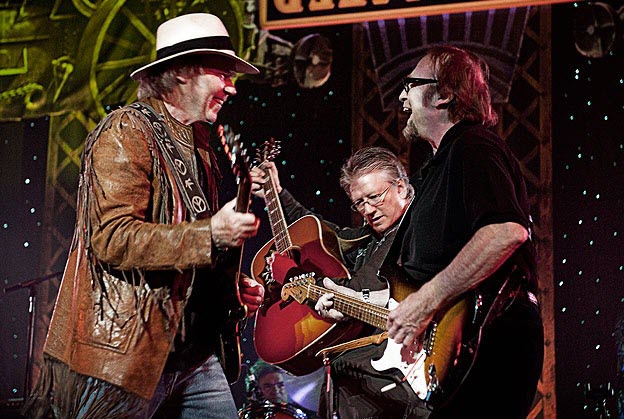
Few bands in music history have left an impact as profound and far-reaching as Buffalo Springfield. Formed in the mid-1960s, this short-lived but immensely influential group fused folk, rock, and a touch of psychedelia to create a sound that not only defined an era but also laid the groundwork for countless artists to come. With members like Stephen Stills, Neil Young, and Richie Furay, the band was a powerhouse of talent, crafting songs that captured the spirit of social change and the complexities of human emotion.
In this article, we celebrate the top 10 most popular Buffalo Springfield songs—timeless tracks that continue to resonate with audiences decades after their release. From politically charged anthems to soulful ballads, these songs are a testament to the band’s uncanny ability to blend poetic lyrics with innovative melodies. Whether you’re a lifelong fan or a newcomer to their music, join us as we count down the songs that have cemented Buffalo Springfield’s legacy as one of the greatest bands of all time. Get ready to rediscover the tracks that have inspired generations and remain as relevant today as they were in their heyday. Let the music take you on a journey back to the heart of the 60s!
1. For What It’s Worth (1966)
Few songs capture the spirit of the 1960s quite like For What It’s Worth. Written by Stephen Stills and released in 1966, this song became an anthem for social and political change, solidifying Buffalo Springfield’s place in rock history. Though often mistaken for a Vietnam War protest song, it was actually inspired by the Sunset Strip curfew riots in Los Angeles, where young people clashed with police over nightclub restrictions.
The song’s distinctive opening guitar riff, paired with Stills’ haunting vocals, creates an air of quiet urgency. The lyrics, warning of paranoia and unrest—”There’s something happening here, what it is ain’t exactly clear”—resonate far beyond their original context, making the song relevant across generations. Its minimalist yet evocative instrumentation allows the message to take center stage, emphasizing the tension and unease of an era defined by protests and shifting cultural norms.
What makes For What It’s Worth timeless is its universality. The themes of civil unrest, resistance, and questioning authority are as relevant today as they were in the ‘60s. Decades later, the song continues to be a rallying cry for those seeking change, proving that great music transcends its time of origin.
2. Mr. Soul (1967)
Penned by Neil Young, Mr. Soul is a fascinating blend of rock, psychedelia, and deep self-reflection. Released on the band’s second album, Buffalo Springfield Again (1967), the song showcases Young’s signature style—brooding, poetic, and musically innovative.
Written in response to Young’s own experiences with sudden fame, Mr. Soul is filled with existential musings on identity and the pressures of the music industry. The lyrics are cryptic yet poignant, reflecting his struggle with newfound stardom: “Well, hello, Mr. Soul, I dropped by to pick up a reason.” The song’s introspective nature makes it feel personal yet universally relatable, as it captures the inner conflict of someone grappling with expectations and self-worth.
Musically, Mr. Soul carries a raw, almost hypnotic energy. The distorted guitar riff—often compared to The Rolling Stones’ Satisfaction—drives the song forward, giving it a gritty, rebellious feel. The track’s psychedelic undertones, combined with Young’s intense vocal delivery, create an atmosphere of unease, perfectly complementing the lyrical themes of alienation and self-doubt.
Decades later, Mr. Soul remains one of Buffalo Springfield’s most celebrated songs. It not only highlights Young’s genius as a songwriter but also serves as an early glimpse into the introspective themes that would define his later solo career.
3. Bluebird (1967)
Bluebird is one of Buffalo Springfield’s most musically intricate and electrifying songs. Written by Stephen Stills and featured on their 1967 album Buffalo Springfield Again, the track is a masterclass in folk-rock fusion, blending delicate acoustic passages with explosive electric guitar solos.
The song’s structure is anything but conventional. It starts off with a rhythmic, almost country-inspired acoustic melody, accompanied by Stills’ poetic and somewhat mysterious lyrics. As the song progresses, it shifts into high gear, with fiery electric guitar solos that give the track a dynamic, unpredictable energy. The interplay between Stills’ guitar work and Neil Young’s contributions makes for an exhilarating listen, highlighting the band’s incredible musical chemistry.
Lyrically, Bluebird is open to interpretation, with abstract imagery and a sense of longing woven throughout. Some listeners see it as a song about lost love, while others interpret it as a meditation on freedom and self-discovery.
One of the song’s most notable aspects is its unique ending—a long, winding outro that slowly fades into soft banjo picking, offering a sense of contrast to the intensity that came before. Bluebird remains a fan favorite, a testament to Buffalo Springfield’s innovative spirit and genre-blending brilliance.
4. Rock & Roll Woman (1967)
A shining example of the laid-back, harmony-driven sound that would later define bands like Crosby, Stills & Nash, Rock & Roll Woman is one of Buffalo Springfield’s most polished and melodic tracks. Released in 1967 on Buffalo Springfield Again, the song was co-written by Stephen Stills, with rumored contributions from David Crosby, who would later form CSN with him.
The song is a celebration of the free-spirited, untamed nature of the women who embodied the rock and roll era. Stills’ smooth vocal delivery is complemented by jangly guitars and rich harmonies, creating a sound that perfectly captures the golden era of 1960s California rock. The chorus, with its uplifting melody, exudes effortless cool, making it an easygoing yet infectious track.
Musically, Rock & Roll Woman balances folk-rock with psychedelic influences, blending intricate guitar lines with a relaxed groove. The song’s production feels warm and inviting, giving it a timeless quality. While it may not be as politically charged as some of the band’s other tracks, it still carries a rebellious undertone, celebrating individuality and artistic freedom.
As one of Buffalo Springfield’s standout songs, Rock & Roll Woman laid the groundwork for the folk-rock explosion that followed, influencing countless artists in its wake.
5. Expecting to Fly (1967)
Hauntingly beautiful and deeply introspective, Expecting to Fly is one of Neil Young’s most emotional compositions. Featured on Buffalo Springfield Again (1967), this track departs from the band’s usual folk-rock sound, embracing orchestral arrangements and lush production. It’s a song that feels cinematic, filled with longing, melancholy, and a dreamlike atmosphere.
Lyrically, Expecting to Fly paints a vivid picture of lost love and the bittersweet acceptance of change. Young’s vocals, soft and vulnerable, convey an aching sadness as he reflects on a past relationship that has slipped away: “There you stood on the edge of your feather, expecting to fly.” The imagery suggests both hope and heartbreak, making the song an emotional rollercoaster.
What sets Expecting to Fly apart is its orchestral arrangement. The sweeping strings and delicate piano touches create a surreal, almost ethereal soundscape, making it feel more like a Neil Young solo piece than a Buffalo Springfield track. In fact, the song was recorded separately from the rest of the band, with producer Jack Nitzsche orchestrating the arrangement.
This song remains a hidden gem in Buffalo Springfield’s catalog—a beautifully crafted piece that showcases Young’s genius for blending raw emotion with innovative musicality.
6. Nowadays Clancy Can’t Even Sing (1966)
Buffalo Springfield’s debut single, Nowadays Clancy Can’t Even Sing, is an emotionally charged track that exemplifies the poetic and introspective songwriting that would become a hallmark of Neil Young’s career. Released in 1966, the song stands out for its enigmatic lyrics and unconventional structure.
The lyrics are deeply personal, offering a fragmented, almost surreal look at feelings of isolation and disillusionment. “Who’s putting sponge in the bells I once rung?” Young’s words paint a picture of a protagonist struggling with a changing world, lost in his own thoughts. The song’s title refers to “Clancy,” a fictional character Young created as a symbol of lost innocence or faded ambition.
Unlike many Buffalo Springfield songs, Young doesn’t sing the lead vocals—Richie Furay takes on that role, delivering the lyrics with a wistful, almost weary tone. The song’s melody is deceptively gentle, with warm harmonies and soft instrumentation that contrast with its somber themes.
Though it didn’t achieve major commercial success, Nowadays Clancy Can’t Even Sing became a cult favorite among fans of the band. It remains an early indicator of Young’s poetic lyricism and ability to craft songs that feel deeply personal yet universally relatable.
7. On the Way Home (1968)
As Buffalo Springfield was nearing its final days, On the Way Home emerged as one of their most uplifting and heartfelt tracks. Written by Neil Young and sung by Richie Furay, this song became a highlight of their 1968 album Last Time Around.
The lyrics are filled with nostalgia and self-discovery, reflecting on past experiences and the journey of moving forward. Lines like “When the dream came, I held my breath with my eyes closed” convey a sense of longing for something just out of reach. The song carries an emotional weight, but it also has a hopeful undertone, making it a perfect farewell to Buffalo Springfield’s short but impactful career.
Musically, On the Way Home blends folk and pop influences, with bright horn arrangements and warm harmonies giving it a rich, full sound. The song’s structure is more polished compared to some of the band’s earlier material, foreshadowing the more refined style that members like Young and Stills would later develop in their solo careers.
Though Buffalo Springfield disbanded shortly after, On the Way Home stands as a bittersweet reminder of their brilliance—an anthem for moving forward while cherishing the past.
8. Broken Arrow (1967)
Broken Arrow is one of Buffalo Springfield’s most ambitious and unconventional songs, showcasing Neil Young’s experimental side. Released on Buffalo Springfield Again (1967), the song is structured more like a musical collage than a traditional rock track, weaving together different sections, moods, and styles.
Lyrically, the song is poetic and introspective, touching on themes of fame, love, and disillusionment. Young’s words often feel cryptic, but they evoke strong emotions, painting images of a man struggling with the weight of the world. The phrase “broken arrow” itself is open to interpretation—it could symbolize lost innocence, emotional wounds, or even a commentary on Native American struggles.
What makes Broken Arrow unique is its fragmented composition. The song moves between dreamlike melodies, spoken-word sections, and abrupt shifts in instrumentation. The use of orchestral flourishes and background crowd noise adds to its surreal quality, making it feel more like a piece of art than a standard rock song.
Though unconventional, Broken Arrow remains one of Buffalo Springfield’s most fascinating works. It highlights Young’s willingness to push musical boundaries and foreshadows his later experiments in folk, rock, and even electronic textures.
9. Sit Down I Think I Love You (1966)
Released as part of Buffalo Springfield’s debut album, Sit Down I Think I Love You is a breezy, feel-good track that captures the youthful optimism and carefree spirit of the 1960s. Written by Stephen Stills, this song showcases the band’s ability to blend folk-rock with elements of pop and psychedelic music.
The song’s simple yet effective message of infatuation and excitement is conveyed through Stills’ lighthearted lyrics, where he sings, “Sit down, I think I love you, I think I love you.” The innocence of the words, combined with the uplifting melody, creates a sense of pure joy and vulnerability, encapsulating the excitement of young love.
Musically, the song features a bright acoustic guitar riff and lush vocal harmonies, giving it an effortless, almost sunny quality. The catchy chorus invites listeners to sing along, while the playful rhythm and upbeat tempo ensure it remains one of the more energetic tracks in their catalog.
Though it’s one of the more straightforward and accessible songs by Buffalo Springfield, Sit Down I Think I Love You also showcases the band’s remarkable ability to craft a timeless pop song that remains as endearing and fun today as it was when it was first released.
10. Go and Say Goodbye (1966)
A testament to Buffalo Springfield’s early experimentation with genre blending, Go and Say Goodbye is a lively country-rock flavored track from their 1966 debut album. Written by Stephen Stills, the song mixes elements of folk, rock, and a bit of western twang to create a sound that was distinct from what many of their contemporaries were doing at the time.
The lyrics tell a story of heartbreak and the emotional turmoil of a relationship coming to an end. Stills sings with a mix of melancholy and resolve, urging his partner to leave: “Go and say goodbye, it’s time to move on.” The song’s mixture of emotional depth and upbeat rhythm creates a unique contrast, highlighting the band’s ability to balance more serious themes with playful musical arrangements.
Musically, the song features a catchy guitar riff and a steady beat, giving it a solid country-rock feel. The harmonies are tight, and the overall production has a crispness that showcases the band’s musical prowess. The song’s cheerful energy belies the sadness in the lyrics, making it a standout track that shows off Buffalo Springfield’s versatility.
Though it wasn’t a chart-topping hit, Go and Say Goodbye is an enduring favorite among fans, illustrating the band’s ability to infuse emotional depth into an upbeat, genre-blending tune.

Edward Tomlin is a frequent contributor to Singers Room. Since 2005, Singersroom has been the voice of R&B around the world. Connect with us via social media below.









