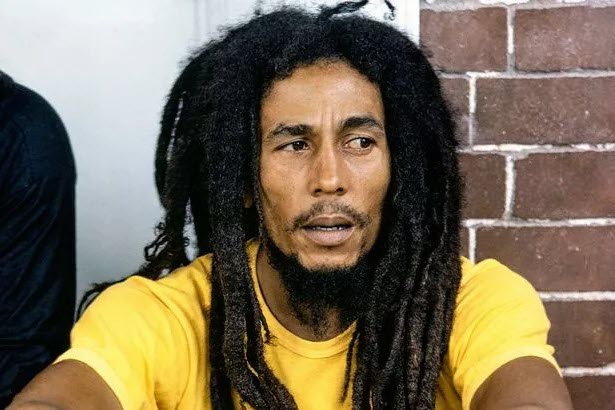
Few artists have shaped global music and culture as profoundly as Bob Marley. A revolutionary voice of reggae, a poet of peace, and a prophet of resistance, Marley transformed the soundscape of the 20th century with lyrics that struck the heart and rhythms that stirred the soul. Whether he was singing about love, liberation, or social justice, his music transcended borders and spoke to the human spirit. Even decades after his passing, Marley’s influence continues to echo across generations, uniting fans from every corner of the world. But with such an iconic catalog, which songs truly stand out as his most impactful and enduring? In this list, we dive into the Top 10 Most Popular Bob Marley Songs of All Time—timeless tracks that not only defined his career but also helped define an entire genre. From soulful ballads to revolutionary anthems, these songs have become cultural landmarks, etched into the global consciousness. Whether you’re a lifelong fan or just beginning your journey into Marley’s legacy, these tracks are essential listening. So light up your curiosity, turn up the volume, and let the music of the legend himself guide you through a celebration of rhythm, roots, and the unbreakable power of one love.
1. No Woman, No Cry (1974)
Released in 1974 on Natty Dread, “No Woman, No Cry” stands as Bob Marley’s most emotionally resonant ballad. Written as a tribute to resilience in the face of hardship, it paints vivid scenes of life in Trenchtown, Jamaica, while offering a warm, uplifting message to a woman enduring difficult times. The genius lies in its simplicity—“Everything’s gonna be alright” is not just a lyric, it’s a mantra. Though the 1974 studio version introduced the world to the song, it was the 1975 live recording at London’s Lyceum Theatre that transformed it into a global anthem. The live version’s raw, heartfelt delivery captured Marley’s spiritual charisma and connected deeply with audiences far beyond the Caribbean. This song exemplifies Marley’s ability to fuse personal memory with universal emotion, making it a timeless classic that transcends genre and generation.
2. One Love / People Get Ready (1977)
Marley’s “One Love,” released in 1977 on the Exodus album, is more than just reggae—it’s a universal plea for unity. Seamlessly blending his own lyrics with inspiration from Curtis Mayfield’s “People Get Ready,” the track becomes both a spiritual hymn and a social rallying cry. The message is simple yet powerful: unity, peace, and collective uplift. The song’s infectious rhythm, layered harmonies, and laid-back groove make it instantly recognizable, but it’s the spiritual optimism that gives it staying power. Marley doesn’t just ask for love—he demands it as a necessary force for global healing. “Let’s get together and feel all right” is more than a chorus; it’s a worldview. Released during a politically charged era in Jamaica, the song urges people to rise above divisions and embrace shared humanity. Its use in global campaigns and commercials has only amplified its relevance, proving that Marley’s voice still calls for harmony decades later.
3. Three Little Birds (1977)
“Three Little Birds,” released in 1977 as part of the Exodus album, is the sonic equivalent of sunshine peeking through storm clouds. With its breezy melody and reassuring lyrics, Marley delivers a message of pure hope. The song’s charm lies in its simplicity: three birds on a doorstep singing sweet songs of positivity. It’s been widely speculated that the “three little birds” were inspired by actual birds that frequented Marley’s porch or metaphorically represent his I-Threes backup singers. Either way, its essence is undeniable—comfort in chaos. The melodic repetition reinforces the idea that no matter what life throws at you, peace can be found in the present moment. Marley’s voice floats with ease over the gentle reggae rhythm, inviting listeners to let go of fear and embrace trust in the journey. It’s no wonder this track has become a global lullaby for the soul.
4. Redemption Song (1980)
Released in 1980 as the closing track of Uprising, “Redemption Song” strips away Marley’s typical reggae instrumentation for a solo acoustic performance that is hauntingly powerful. This song is a philosophical and political testament, drawn from Marcus Garvey’s teachings and Marley’s own reflections on freedom, mortality, and legacy. Facing his battle with cancer, Marley poured his soul into this track, making it one of his most personal. “Emancipate yourselves from mental slavery” is a call to arms—not through violence, but through awareness and inner liberation. The absence of a full band allows Marley’s voice and message to shine with raw sincerity. Unlike many of his classic tracks, this one transcends genre entirely, embraced by folk, rock, and reggae fans alike. In its quiet simplicity, “Redemption Song” becomes an anthem of human resilience and a farewell from an artist who knew his time was limited but whose message would live on.
5. Buffalo Soldier (1983)
Though released posthumously in 1983 on Confrontation, “Buffalo Soldier” was recorded during Marley’s lifetime and reflects his deep interest in history and identity. The song recounts the story of African American soldiers—nicknamed Buffalo Soldiers—who were forcibly conscripted into the U.S. Army and used to fight Native Americans in the 19th century. With a catchy chorus and reggae groove, Marley juxtaposes a bright melody with a sobering narrative of displacement and survival. “Stolen from Africa, brought to America” sets the tone for a song that explores the African diaspora’s struggle for identity and dignity. The track’s bounce and rhythm make it easy to sing along to, but its lyrics carry a profound historical weight. Marley uses the metaphor of the Buffalo Soldier to connect the fight for survival across generations, making it not just a historical account but a rallying song for global black consciousness.
6. Jamming (1977)
“Jamming,” released in 1977 on the Exodus album, is a celebration of life, music, and spiritual togetherness. From the opening guitar lick, the track invites listeners into a space of joy and communion. But “jamming” here means more than playing music—it means living fully, resisting oppression, and connecting with others through rhythm and soul. The song’s groove is infectious, and Marley’s vocals dance effortlessly over the beat, creating a soundscape that feels both relaxed and revolutionary. Lyrically, Marley assures us, “Ain’t no rules, ain’t no vow, we can do it anyhow”—a declaration of freedom and authenticity. The song has become a staple at reggae festivals, beach gatherings, and anywhere people gather in unity. While it seems lighthearted on the surface, “Jamming” is deeply rooted in Marley’s Rastafarian belief in community and spiritual expression, making it both a party anthem and a cultural statement.
7. Could You Be Loved (1980)
Released in 1980 on the Uprising album, “Could You Be Loved” is a vibrant fusion of reggae and disco, showcasing Marley’s ability to evolve while staying true to his roots. The track opens with a thumping bassline and a catchy guitar riff that immediately pulls you into its rhythm. Unlike Marley’s more overtly political songs, this one explores love and self-worth with an irresistible groove that made it a dancefloor hit. “Don’t let them fool ya, or even try to school ya” is both a warning and a rallying cry to stay true to oneself. Marley subtly weaves social critique into a track that feels celebratory and soul-stirring. The backing vocals from the I-Threes and the polished production add a rich texture, making it one of his most radio-friendly yet philosophically rich songs. It remains a fan favorite and a testament to Marley’s versatility.
8. Stir It Up (1973)
“Stir It Up,” released in 1973 on Catch a Fire, is Marley’s sensual ode to love and intimacy. Originally written in 1967 and first recorded by Johnny Nash in 1972, it wasn’t until Marley’s own version that the song truly found its heartbeat. With its slow, seductive rhythm and smooth guitar work, “Stir It Up” creates a mood that’s both romantic and laid-back. Marley’s voice is playful and inviting, drawing listeners into a warm, tropical atmosphere of affection. The song marked one of the first times international audiences encountered Marley’s songwriting genius, setting the stage for his global breakthrough. It’s a perfect balance of simplicity and sophistication, proving that love songs can be as powerful as protest anthems. “Stir It Up” is less about grand declarations and more about the quiet, shared moments that define intimacy—making it timeless and endlessly replayable.
9. I Shot the Sheriff (1973)
First released in 1973 on the Burnin’ album, “I Shot the Sheriff” blends storytelling with social commentary in a way only Marley could. The song’s narrative—of a man who admits to shooting the sheriff but denies killing the deputy—invites questions about justice, corruption, and self-defense. While some interpreted it literally, Marley himself noted it was a metaphor for resisting oppression. The reggae beat is tight and catchy, while Marley’s vocal delivery walks a fine line between defiance and vulnerability. It gained massive international attention when Eric Clapton covered it a year later, but Marley’s original remains the definitive version, steeped in Jamaican nuance and rebellion. The track exemplifies Marley’s ability to turn personal tales into universal truths, making it a cornerstone of his catalog and a classic in the global music canon.
10. Exodus (1977)
The title track of Marley’s 1977 album, “Exodus” is a bold, sweeping anthem of movement, liberation, and spiritual awakening. Written after an assassination attempt in Jamaica forced Marley into exile, the song reflects his physical and metaphorical journey toward freedom. With its hypnotic bassline, pulsating rhythm, and chant-like refrain—“Movement of Jah people”—“Exodus” builds slowly into a powerful call for change. The track’s structure is unique, evolving from a simmering groove into an explosive crescendo. It masterfully combines themes of Rastafarian belief, Biblical exile, and political urgency. Marley’s voice is commanding, almost prophetic, urging listeners to rise up, leave behind oppression, and seek something greater. “Exodus” isn’t just a song—it’s an experience, a manifesto, and a moment in history captured in rhythm. It cemented Marley not just as a musician, but as a leader in the global conversation about freedom and justice.

Samuel Moore is a frequent contributor to Singers Room. Since 2005, Singersroom has been the voice of R&B around the world. Connect with us via social media below.









