Few instruments can evoke the same sense of power, elegance, and soul as the trumpet. From the soaring melodies of jazz to the triumphant fanfares of classical music, this brass instrument has been the voice of some of the most iconic sounds in music history. But at the heart of the trumpet’s magic lies its players—virtuosos who have pushed the limits of technique, artistry, and creativity to inspire generations.
In this article, we celebrate the top 15 trumpet players of all time—masters whose talent and influence have left an indelible mark on the music world. These legends include pioneers who redefined genres, innovators who shattered boundaries, and performers whose sheer brilliance continues to captivate audiences to this day. Whether you’re a seasoned musician, a trumpet enthusiast, or simply a lover of great music, this list is a journey into the lives and legacies of the greatest brass icons.
From the fiery improvisations of jazz giants like Louis Armstrong and Dizzy Gillespie to the precision and purity of classical virtuosos such as Maurice André, prepare to be inspired by the stories of these trailblazers. Let’s dive into the world of trumpet excellence and explore the legends who turned this instrument into an art form!
1. Louis Armstrong
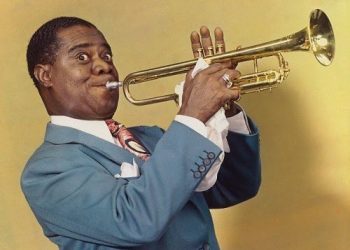
Louis Armstrong, lovingly known as “Satchmo” or “Pops,” was more than just a jazz musician—he was a cultural icon whose influence stretched far beyond music. Born in the heart of New Orleans, Armstrong overcame poverty and hardship to revolutionize jazz with his brilliant trumpet playing and charismatic stage presence. His dazzling solos in tracks like West End Blues set new standards for improvisation, showcasing a level of artistry that would inspire generations. But Armstrong wasn’t just a virtuoso on his instrument; his deep, gravelly voice brought warmth and soul to classics like What a Wonderful World and La Vie En Rose. He also played a crucial role in shifting jazz from collective improvisation to more structured solo performances, giving individual musicians a chance to shine. Armstrong’s infectious joy, humor, and showmanship made him a beloved figure worldwide, turning jazz into a global phenomenon. He wasn’t just a musician—he was an ambassador of goodwill, breaking racial barriers and bringing people together through the universal language of music. His legacy remains unmatched, and his recordings continue to enchant listeners, proving that great music is truly timeless.
2. Miles Davis
Miles Davis was a restless innovator, a musical visionary who never stood still. Over a career that spanned five decades, Davis reinvented jazz multiple times, from the fiery bebop of his early years to the cool sophistication of Kind of Blue, and later, the electric fusion experiments of Bitches Brew. His trumpet playing was understated yet deeply expressive, often favoring mood and space over technical flashiness. Davis had a gift for assembling incredible bands, nurturing young talent like John Coltrane, Herbie Hancock, and Wayne Shorter—musicians who would go on to shape the future of jazz. His album Kind of Blue remains the best-selling jazz record of all time, a masterpiece of modal jazz that showcases Davis’ genius for melodic simplicity and emotional depth. Even in his later years, he pushed boundaries, blending jazz with rock, funk, and electronic music. His influence isn’t just felt in jazz but across all genres, from hip-hop to rock. Miles Davis didn’t just play jazz—he transformed it, time and time again, proving that the true spirit of the genre lies in its ability to evolve.
3. Dizzy Gillespie
Dizzy Gillespie wasn’t just a brilliant trumpet player—he was a force of nature. With his signature bent trumpet bell and puffed cheeks, Gillespie brought a sense of fun and joy to jazz, but beneath the humor was a serious musician who helped pioneer bebop alongside Charlie Parker. His compositions like A Night in Tunisia and Manteca blended traditional jazz with Afro-Cuban rhythms, introducing Latin influences into the genre and expanding its global reach. Gillespie’s trumpet playing was lightning-fast and incredibly precise, filled with high-energy runs that pushed the technical limits of the instrument. He was also a generous mentor, encouraging younger musicians and shaping the careers of future jazz greats. Beyond his musical genius, Gillespie was a cultural ambassador, using his music to promote goodwill around the world. Whether leading a big band or trading fiery solos in a small club, he brought an infectious enthusiasm to everything he did. His impact on jazz is immeasurable, and his music remains as vibrant and exciting today as it was when he first burst onto the scene.
4. Clifford Brown
Clifford Brown’s life was tragically short, but in just a few years, he left an indelible mark on jazz. Known for his warm tone, flawless technique, and fluid improvisation, Brown was one of the greatest trumpet players of the hard bop era. Unlike many of his contemporaries, he lived a clean, disciplined life, focusing solely on his music and inspiring others with his dedication. His recordings with drummer Max Roach, particularly on albums like Study in Brown, showcase his lyrical approach to the trumpet—each solo is a perfectly crafted story, full of emotion and technical brilliance. Tracks like Joy Spring and Daahoud remain jazz standards, proof of his lasting influence. Despite his untimely death in a car accident at just 25 years old, Brown’s music continues to inspire generations of musicians. His legacy is one of beauty, precision, and heartfelt expression, reminding us that true artistry isn’t measured by the length of a career, but by the depth of its impact.
5. Chet Baker
Chet Baker, often called the “Prince of Cool,” embodied the laid-back, effortlessly smooth sound of West Coast jazz. Unlike the fiery, fast-paced styles of bebop trumpeters like Dizzy Gillespie, Baker’s playing was understated, lyrical, and deeply expressive. He had an uncanny ability to make the trumpet sing, as heard in classics like My Funny Valentine and Let’s Get Lost. But what made Baker truly unique was his ability to seamlessly transition from trumpet to vocals, with a voice that carried the same soft, melancholic beauty as his playing. His music had an intimate quality, drawing listeners into an emotional world filled with longing and vulnerability. However, Baker’s life was as turbulent as it was brilliant. Struggles with addiction often overshadowed his immense talent, yet his ability to pour raw emotion into his music never wavered. Even in his later years, his performances maintained a haunting beauty that few could replicate. His legacy as both a musician and a tragic figure makes him one of the most fascinating and beloved figures in jazz history.
6. Freddie Hubbard
Freddie Hubbard was a powerhouse of jazz trumpet—his sound was bold, commanding, and technically flawless. He took the fiery energy of bebop, the soulfulness of hard bop, and the innovation of post-bop, blending them into a style that was uniquely his own. His early work with Art Blakey’s Jazz Messengers helped define the hard bop era, while albums like Hub-Tones showcased his incredible ability to weave complex improvisations with ease. But Hubbard wasn’t just about speed and precision—he had a rich, warm tone that could be both aggressive and tender, depending on the mood of the piece. His collaborations with jazz legends like Herbie Hancock and Wayne Shorter pushed the boundaries of jazz, and his later experiments with jazz fusion brought his music to an even wider audience. Even as trends in jazz changed, Hubbard’s name remained synonymous with excellence. His influence on trumpet players who followed is immeasurable, cementing his place as one of the most innovative and exciting figures in jazz history.
7. Wynton Marsalis
Wynton Marsalis is more than just a trumpet virtuoso—he is a living ambassador for jazz, dedicated to preserving its rich history while continually pushing it forward. Raised in a musical family in New Orleans, Marsalis showed prodigious talent from a young age, mastering both jazz and classical trumpet with equal finesse. His early recordings, particularly Black Codes (From the Underground), redefined modern jazz with their intricate compositions and impeccable execution. A passionate advocate for the traditions of jazz, Marsalis has worked tirelessly to keep the art form alive, founding the Jazz at Lincoln Center Orchestra and winning multiple Grammy Awards in both jazz and classical categories. He even became the first jazz musician to win the Pulitzer Prize for Music with Blood on the Fields. His playing is known for its technical precision, emotional depth, and deep respect for the masters who came before him. Whether performing fiery bebop solos or tender ballads, Marsalis continues to inspire new generations of musicians, ensuring that jazz remains as vibrant and essential as ever.
8. Arturo Sandoval
Arturo Sandoval’s trumpet playing is nothing short of electrifying. A Cuban-born virtuoso, he blends jazz, Latin, and classical influences into a style that is both technically astonishing and deeply passionate. A protégé of Dizzy Gillespie, Sandoval took the bebop foundations laid by his mentor and infused them with the fiery rhythms of his homeland. His ability to play impossibly fast runs, soar into the trumpet’s highest register, and deliver breathtakingly beautiful melodies has made him one of the most respected musicians in the world. Songs like A Mis Abuelos showcase his ability to fuse Latin grooves with jazz improvisation, while his classical trumpet work has further demonstrated his versatility. Beyond his technical mastery, Sandoval’s music is filled with heart and soul, reflecting both the joy and struggle of his journey—from his early days in Cuba to defecting to the United States in search of artistic freedom. Whether playing a blistering solo or a tender ballad, Sandoval’s passion is undeniable, and his contributions to jazz are nothing short of legendary.
9. Maynard Ferguson
Maynard Ferguson was a larger-than-life figure in the world of jazz, known for his unparalleled ability to play soaring, high-register trumpet notes with power and precision. His technical prowess and showmanship made him a favorite among audiences, whether he was leading a big band or performing as a soloist. Ferguson’s early work with Stan Kenton’s orchestra set the stage for his own successful career as a bandleader, where he pushed the boundaries of jazz with innovative arrangements and bold, energetic performances. His recording of Gonna Fly Now (the theme from Rocky) became a mainstream hit, bringing jazz trumpet to a wider audience. But Ferguson was much more than just a high-note specialist—his deep understanding of jazz harmony and composition made his music both exciting and sophisticated. His willingness to embrace new styles, including rock and fusion, kept his sound fresh and dynamic throughout his career. A true entertainer and innovator, Ferguson’s impact on jazz trumpet remains undeniable, and his music continues to inspire both musicians and fans alike.
10. Lee Morgan
Lee Morgan was a trumpet prodigy who took the hard bop world by storm with his soulful, fiery playing and knack for crafting unforgettable melodies. He first made a name for himself as a teenage sensation, playing with Dizzy Gillespie’s big band before joining Art Blakey’s Jazz Messengers, where he became one of the defining voices of hard bop. Morgan’s trumpet playing was full of bluesy swagger, intricate improvisation, and an undeniable groove, all of which are beautifully captured in his breakout hit The Sidewinder. That album’s infectious title track became a crossover success, blending jazz with a funky rhythm that made it appealing to a broader audience. But beyond his commercial hits, Morgan’s body of work is filled with stunning performances that showcase his ability to balance technical brilliance with deep emotional expression. Tragically, his life was cut short at the age of 33, but his contributions to jazz remain timeless. His recordings continue to be celebrated, and his influence can be heard in countless trumpet players who followed in his footsteps.
11. Bix Beiderbecke
Bix Beiderbecke was one of the earliest great soloists in jazz history, and his influence is still felt today. Unlike the bold, brassy sound of his contemporaries, Beiderbecke’s trumpet playing was remarkably smooth, lyrical, and introspective. His tone was warm and fluid, and his phrasing had a natural, almost effortless quality that set him apart from other players of the 1920s. His groundbreaking recordings with the Wolverines and Paul Whiteman’s Orchestra helped shape early jazz, with songs like Singin’ the Blues and In a Mist showcasing his unique approach to improvisation. Beiderbecke was not just a gifted trumpet player—he was also a talented composer, experimenting with harmonies and structures that were ahead of his time. Tragically, his career was cut short due to struggles with alcoholism, and he passed away at just 28 years old. Yet, in his brief time on Earth, he left behind a musical legacy that continues to captivate listeners. His deeply expressive style has influenced countless musicians, and his recordings remain essential listening for anyone who wants to understand the heart and soul of early jazz.
12. Roy Eldridge
Roy Eldridge, affectionately known as “Little Jazz,” was a bridge between the swing era and the bebop revolution. With his powerful, fiery playing, Eldridge pushed the trumpet into new territory, inspiring a generation of musicians, including Dizzy Gillespie and Miles Davis. He was known for his aggressive attack, lightning-fast runs, and ability to seamlessly blend technical mastery with raw emotion. His work with bands led by Fletcher Henderson and Gene Krupa helped define the swing sound, while his ability to play complex, bebop-style improvisations paved the way for modern jazz trumpet. Eldridge was also a pioneer in breaking racial barriers, becoming one of the first Black musicians to hold a prominent role in a white band during segregation. His passionate solos on recordings like Rockin’ Chair and Let Me Off Uptown showcase both his virtuosity and his deep musical soul. Even as jazz evolved, Eldridge remained a powerhouse performer, delivering thrilling solos well into his later years. His legacy as both a technical innovator and a trailblazer for Black musicians ensures his place among jazz’s greatest trumpet players.
13. Harry James
Harry James was a trumpet virtuoso who brought dazzling technique and a rich, golden tone to both jazz and big band music. A classically trained musician, James had an impeccable command of the instrument, making his sound instantly recognizable. He first rose to fame as a member of Benny Goodman’s orchestra before forming his own wildly successful big band, which produced some of the most popular swing recordings of the 1940s. Songs like You Made Me Love You and I’ll Get By showcase his smooth, expressive playing, while his instrumental prowess allowed him to execute lightning-fast runs with precision. Beyond jazz, James also had a significant impact on popular music, bridging the gap between the two worlds with his accessible yet sophisticated sound. He was a major influence on future trumpet players, including a young Miles Davis, who once admired James’ technical brilliance. Whether playing a fiery jazz solo or a tender ballad, James had the ability to make every note sing. His impact on both jazz and American music as a whole remains undeniable, and his recordings continue to be celebrated by fans of swing and big band music.
14. Blue Mitchell
Blue Mitchell’s trumpet playing was a perfect blend of soulful warmth, lyrical beauty, and hard bop intensity. Known for his smooth tone and impeccable sense of melody, Mitchell’s style was deeply rooted in both blues and jazz. He first gained recognition as a member of Horace Silver’s Quintet, where his fluid phrasing and bluesy touch perfectly complemented Silver’s gospel-tinged compositions. As a bandleader, Mitchell recorded a series of outstanding albums, including The Thing to Do and Down with It, which showcased his ability to balance technical brilliance with deep emotional expression. His trumpet playing was never about flashy virtuosity—it was about telling a story with each note, whether on a hard-swinging bebop tune or a tender ballad. In addition to his work in jazz, Mitchell was also an in-demand session musician, playing on numerous R&B and pop recordings. His ability to adapt to different styles while maintaining his unique sound made him one of the most versatile trumpet players of his generation. Even today, his recordings remain a testament to the power of simplicity, elegance, and soul in jazz.
15. Herb Alpert
Herb Alpert is a name that transcends jazz—he is a cultural icon whose music has left an indelible mark on multiple genres. As the leader of the Tijuana Brass, Alpert brought a fresh and innovative sound to the music world, blending jazz, pop, Latin, and mariachi influences into an instantly recognizable style. Songs like A Taste of Honey, Spanish Flea, and Rise became massive hits, reaching audiences far beyond traditional jazz circles. But Alpert wasn’t just a talented trumpet player—he was also a visionary entrepreneur. As the co-founder of A&M Records, he played a crucial role in shaping the music industry, helping launch the careers of artists like The Carpenters and Janet Jackson. His trumpet playing was characterized by a warm, clear tone and a melodic sensibility that made his music accessible and enjoyable for listeners of all backgrounds. While some jazz purists might debate whether his style fits neatly within the jazz genre, there’s no denying his impact on music as a whole. Alpert’s ability to make the trumpet a mainstream instrument and his contributions as a musician and industry leader have solidified his legacy as one of the most influential trumpeters of all time.

Edward Tomlin is a frequent contributor to Singers Room. Since 2005, Singersroom has been the voice of R&B around the world. Connect with us via social media below.