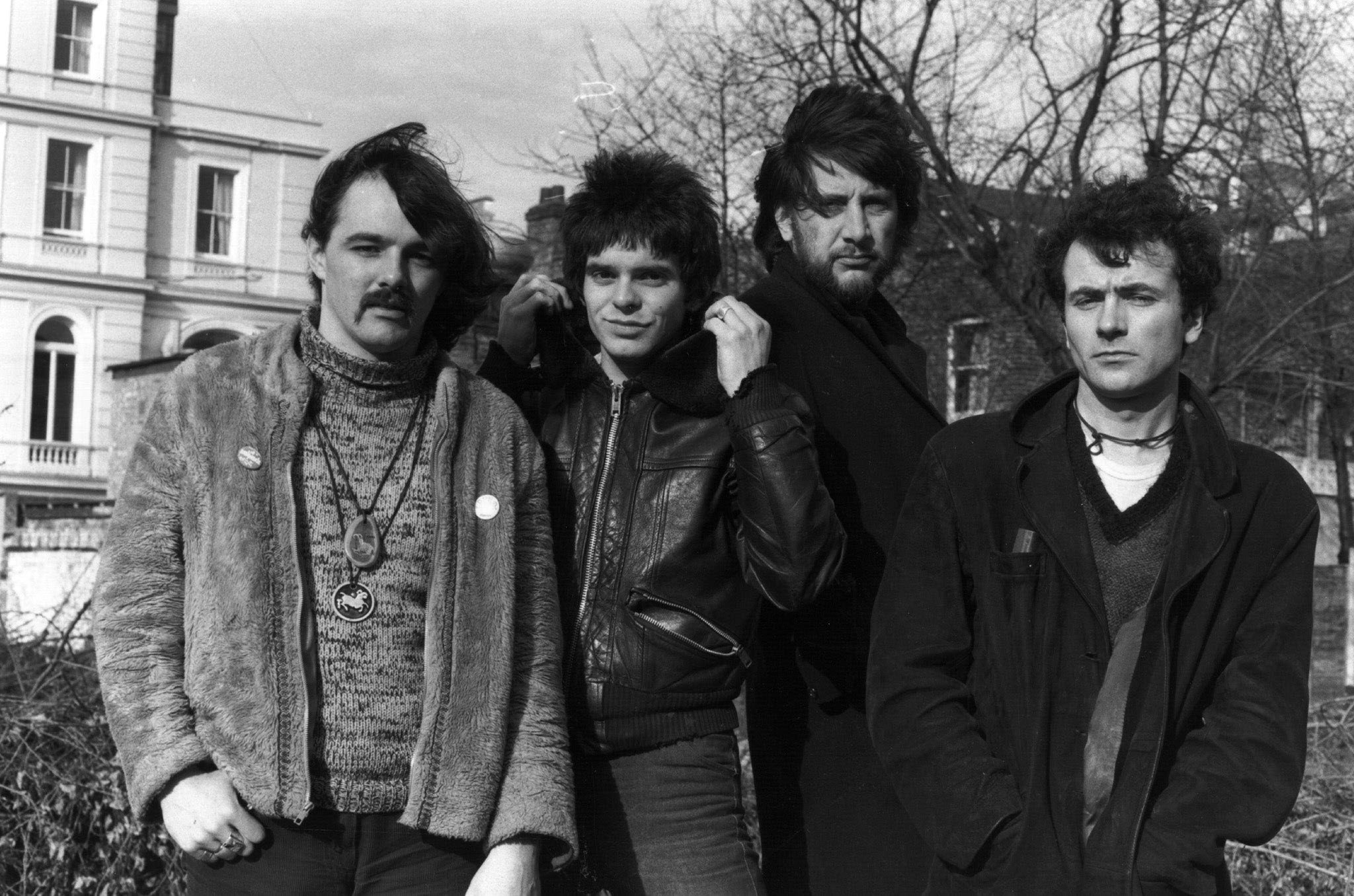
The Stranglers have cemented their legacy as one of the most innovative and enduring bands to emerge from the punk rock and new wave scenes of the 1970s. With a sound that blends punk’s raw energy, the sophistication of progressive rock, and a touch of gothic mystique, The Stranglers have captivated audiences across decades. Their music defies categorization, weaving together snarling basslines, haunting keyboards, and lyrics that oscillate between biting cynicism and poetic introspection.
In this article, we’ll take an electrifying journey through The Stranglers’ top 10 most popular songs of all time. From their early rebellious anthems to their later, more melodic masterpieces, these tracks showcase the band’s unparalleled ability to evolve while staying true to their distinctive sound. Whether you’re a lifelong fan or a newcomer eager to discover what makes The Stranglers so iconic, this countdown promises to be a thrilling experience.
Prepare to dive into the dark, alluring, and often provocative world of The Stranglers as we explore the unforgettable songs that have defined their career and set them apart as true pioneers of modern music. Let’s turn up the volume and get started!
1. Peaches (1977)
One of The Stranglers’ most notorious tracks, Peaches is a bass-driven, swaggering anthem that perfectly embodies the band’s irreverent punk attitude. Released in 1977 as part of their debut album, Rattus Norvegicus, the song became both a punk classic and a subject of controversy due to its cheeky, suggestive lyrics. Jean-Jacques Burnel’s deep, rolling bassline is the backbone of the track, giving it an unmistakable groove that sets it apart from many of its punk contemporaries.
Lyrically, Peaches paints a picture of a lazy, sun-soaked day at the beach, but with an underlying tone of sarcasm and mischief. Hugh Cornwell’s deadpan vocal delivery adds to the song’s sneering, rebellious nature, making it clear that The Stranglers weren’t afraid to push boundaries. Despite—or perhaps because of—its provocative content, the song became a huge hit, reaching the UK charts and solidifying the band’s reputation as fearless provocateurs.
Over the years, Peaches has remained one of The Stranglers’ most recognizable songs, often cited as a defining track of the late ’70s punk explosion. Its combination of funk-infused bass, raw lyrics, and attitude-laden vocals make it an essential piece of The Stranglers’ legacy.
2. Golden Brown (1981)
Golden Brown stands as one of The Stranglers’ most enigmatic and celebrated songs. Released in 1981 on the album La Folie, this hypnotic track marked a departure from the band’s punk roots, showcasing their ability to blend diverse influences into something uniquely captivating. The song’s signature harpsichord melody, played by Dave Greenfield, lends it an almost baroque quality, while Jean-Jacques Burnel’s warm bass tones provide a grounding contrast.
The lyrics of Golden Brown have been the subject of much debate, with interpretations ranging from a poetic tribute to heroin to an ode to a mysterious lover. Hugh Cornwell’s smooth, almost dreamlike vocal delivery adds to the song’s mystique, allowing listeners to find their own meaning within its words. Adding to its distinctiveness, the song’s unconventional time signatures—switching between 6/8 and 7/8—make it rhythmically complex yet effortlessly fluid.
Despite its unconventional structure, Golden Brown became one of The Stranglers’ biggest hits, earning them mainstream recognition and demonstrating their versatility as musicians. Decades later, it remains one of their most beloved tracks, proving that even a band known for their aggression could craft something truly beautiful.
3. No More Heroes (1977)
A powerful statement against blind hero worship, No More Heroes is one of The Stranglers’ most anthemic and politically charged songs. Released in 1977 as the title track of their second album, the song takes a cynical look at historical and cultural figures, questioning the idea of traditional heroes in a corrupt world.
Musically, No More Heroes is a relentless, hard-hitting track, driven by Dave Greenfield’s swirling keyboard lines and Jean-Jacques Burnel’s thundering bass. The song’s aggressive energy perfectly matches its disillusioned lyrics, which name-drop figures like Trotsky and Shakespeare while lamenting the lack of real heroes in modern society. Hugh Cornwell’s cutting vocals deliver the message with a sneer, reinforcing the band’s rebellious attitude.
With its urgent momentum and sharp social commentary, No More Heroes became one of The Stranglers’ defining tracks. Its rallying cry of a chorus has made it a staple in their live performances, continuing to resonate with audiences long after its initial release. The song remains a vital piece of the punk movement, embodying its spirit of skepticism and defiance.
4. Always the Sun (1986)
Released in 1986, Always the Sun marked a shift in The Stranglers’ sound, moving away from their punk aggression toward a more melodic, introspective style. Featured on the album Dreamtime, the song showcases a rich, atmospheric arrangement, with shimmering guitars and a steady, hypnotic rhythm that sets the tone for its reflective lyrics.
Lyrically, Always the Sun explores themes of uncertainty, struggle, and the search for meaning. The song poses rhetorical questions about life’s injustices and contradictions, with Hugh Cornwell delivering lines that feel both deeply personal and universally relatable. The chorus, with its soaring melody and hopeful refrain, contrasts the song’s underlying melancholy, making it both thought-provoking and uplifting.
Despite not being a massive chart hit upon release, Always the Sun has endured as one of The Stranglers’ most beloved tracks. Its haunting beauty and emotional depth set it apart from their earlier work, demonstrating the band’s ability to evolve while maintaining their signature edge. Over the years, it has become a staple of their live shows, resonating with fans for its timeless message and evocative sound.
5. Something Better Change (1977)
A call to arms wrapped in a ferocious punk anthem, Something Better Change is one of The Stranglers’ most urgent and politically charged songs. Released in 1977 on their debut album Rattus Norvegicus, this track encapsulates the raw energy and frustration of the era. With its pounding bassline, aggressive rhythm, and defiant lyrics, the song became a rallying cry for those seeking change.
Jean-Jacques Burnel’s bass takes center stage, delivering a relentless groove that drives the song forward. Hugh Cornwell’s sharp, almost spoken-word vocals add a sense of immediacy, while Dave Greenfield’s swirling keyboards provide an extra layer of intensity. The lyrics express a sense of impatience with the status quo, urging listeners to take action rather than remain complacent.
Upon release, Something Better Change quickly became a fan favorite, embodying the rebellious spirit of punk rock. It remains a staple in The Stranglers’ live performances, its message still resonating with audiences looking for an outlet for their frustrations. The song’s explosive energy and biting commentary make it one of the defining tracks of the band’s early years.
6. Walk On By (1978)
The Stranglers took Burt Bacharach and Hal David’s classic Walk On By and transformed it into something entirely their own. Released in 1978 as a standalone single, their version of the song is darker, more intense, and infused with a raw punk edge that sets it apart from the original.
What makes this cover so striking is the way it builds tension through its extended instrumental passages. Dave Greenfield’s keyboards are particularly mesmerizing, adding a swirling, psychedelic atmosphere, while Jean-Jacques Burnel’s bass provides a heavy, ominous groove. The song’s structure departs from the smooth elegance of Dionne Warwick’s version, instead stretching out into an explosive, nearly seven-minute-long epic.
While Walk On By could have been a risky choice for a punk band, The Stranglers’ version was met with acclaim, proving their ability to reimagine and elevate existing material. It remains one of the most innovative covers of all time, a perfect example of how the band could blend sophistication with their signature aggression.
7. Strange Little Girl (1982)
Originally written in the early ’70s before The Stranglers found fame, Strange Little Girl was rediscovered and officially released in 1982. The song carries a haunting, melancholic quality, with its gentle melodies and introspective lyrics painting the picture of a young woman facing an uncertain future.
The track’s production is noticeably more polished than the band’s earlier punk material, showcasing their ability to craft moody, evocative soundscapes. Dave Greenfield’s keyboards play a crucial role, providing a dreamy, almost cinematic atmosphere. Meanwhile, Hugh Cornwell’s subdued vocals add to the song’s sense of mystery and nostalgia.
Strange Little Girl became a surprise hit, reaching the UK charts and proving that The Stranglers were more than just a punk band—they were skilled storytellers capable of conveying deep emotion through their music. Its timeless appeal has made it one of their most enduring tracks, frequently revisited by fans and covered by other artists.
8. Duchess (1979)
A track that blends punk energy with a touch of pop sensibility, Duchess was released in 1979 as a single from The Raven. With its infectious melody and soaring chorus, the song stands out as one of The Stranglers’ most instantly recognizable tunes.
Lyrically, Duchess tells the story of a woman whose past and present seem to collide, evoking a sense of faded grandeur and lost status. The song’s themes of nostalgia and change are matched by its dynamic musical arrangement. Hugh Cornwell’s vocals deliver a mix of confidence and vulnerability, while Dave Greenfield’s keyboard flourishes add an air of theatricality.
Despite some initial controversy over its music video, Duchess became a fan favorite, showcasing the band’s ability to craft compelling, melodic rock without losing their signature bite. Over time, it has remained a staple of their live performances, its anthemic quality making it one of their most celebrated tracks.
9. Hanging Around (1977)
A staple of their early days, Hanging Around is one of the standout tracks from Rattus Norvegicus. Released in 1977, this song captures the raw energy and street-level storytelling that defined The Stranglers’ early sound.
From the opening keyboard riff to the driving bassline, Hanging Around pulsates with restless energy. The lyrics paint a vivid picture of urban life, filled with characters and moments that feel both surreal and hyperreal. Hugh Cornwell’s delivery is sharp and observant, giving the song an almost cinematic quality.
Musically, the track is a perfect example of how The Stranglers blended punk with elements of rock and new wave. The interplay between the instruments creates a tension that never lets up, making Hanging Around an electrifying listening experience. It remains a fan favorite, often cited as one of their most defining songs.
10. Skin Deep (1984)
By 1984, The Stranglers had fully embraced a more polished, sophisticated sound, and Skin Deep is one of the best examples of this evolution. Released on the album Aural Sculpture, the song is a sleek, haunting exploration of trust and deception.
The lyrics warn against judging people based on appearances, suggesting that what lies beneath the surface is often far more complex. The song’s brooding atmosphere is enhanced by Dave Greenfield’s shimmering synthesizers and Jean-Jacques Burnel’s melodic bassline. Unlike the raw aggression of their early work, Skin Deep is carefully constructed, balancing dark subject matter with an almost hypnotic sense of beauty.
Though different from their punk roots, Skin Deep was a commercial success, proving The Stranglers’ ability to adapt and evolve without losing their distinct identity. It remains one of their most well-loved songs, a reminder of their depth as musicians and songwriters.

Edward Tomlin is a frequent contributor to Singers Room. Since 2005, Singersroom has been the voice of R&B around the world. Connect with us via social media below.









