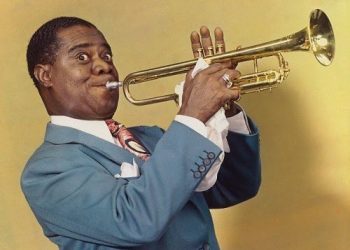
Jazz is more than just music—it’s a language of the soul, a celebration of freedom, creativity, and human expression. Born in the vibrant streets of New Orleans, jazz has blossomed into one of the most influential and enduring genres in music history. From sultry saxophone solos to mesmerizing piano improvisations, jazz has the power to transport listeners to a realm where emotions flow like melodies and every note tells a story.
But who are the maestros behind this enchanting art form? Who are the visionaries who carved their names into the annals of music history, redefining what it means to create, innovate, and inspire? In this article, we honor the Top 15 Best Jazz Artists of All Time—a dazzling lineup of trailblazers, virtuosos, and legends who have shaped the very essence of jazz.
From the groundbreaking genius of Louis Armstrong and Duke Ellington to the soulful brilliance of Miles Davis and John Coltrane, these artists didn’t just play music—they redefined it. Whether you’re a lifelong jazz aficionado or a curious newcomer, join us on this journey as we explore the lives, legacies, and unforgettable sounds of the greatest jazz musicians to ever grace the stage. Let the music begin!
1. Louis Armstrong
Louis Armstrong, lovingly known as “Satchmo” or “Pops,” wasn’t just a jazz musician—he was a revolution. Born in New Orleans, the heart of jazz, Armstrong transformed the genre with his unmatched trumpet skills, signature gravelly voice, and infectious charisma. His ability to improvise, both vocally and instrumentally, set him apart from his peers. Classics like What a Wonderful World, La Vie En Rose, and Hello, Dolly! remain timeless, resonating with audiences across generations. But Armstrong’s influence extended beyond his hit songs; his groundbreaking solos in West End Blues showcased a new level of technical brilliance and emotional depth in jazz. More than just a musician, Armstrong was a cultural ambassador, using his music to break down racial barriers and introduce jazz to the world. His charm, humor, and distinctive scat singing made him one of the most beloved figures in music history. Even today, his recordings exude a sense of joy and warmth that few can match. Armstrong didn’t just play jazz—he embodied it, shaping its future and inspiring countless artists in the process. His legacy is that of a true pioneer, a man who turned jazz into a universal language of emotion and expression.
2. Duke Ellington
Duke Ellington was more than a musician—he was a composer, bandleader, and visionary who redefined jazz as an art form. With a career spanning over 50 years, he led one of the most influential orchestras in history, crafting compositions that blended sophisticated harmonies, intricate melodies, and rich textures. Songs like Take the A Train and Mood Indigo are not just jazz standards; they are timeless masterpieces that showcase Ellington’s genius. Unlike many jazz musicians who focused on improvisation, Ellington approached jazz like a classical composer, carefully orchestrating every element of his music while still allowing room for spontaneity. His ability to tailor arrangements to fit the unique strengths of his musicians, like Johnny Hodges’ silky saxophone or Cootie Williams’ growling trumpet, made his orchestra one of the finest in history. Beyond his music, Ellington was a cultural icon who shattered racial barriers, performing at prestigious venues and proving that jazz was more than entertainment—it was high art. His influence can still be heard in modern jazz, film scores, and beyond. His motto, “Music is how I live, why I live, and how I will be remembered,” perfectly encapsulates his enduring legacy.
3. Miles Davis
Miles Davis was a relentless innovator, never content to stay in one musical style for too long. As a trumpeter, composer, and bandleader, he transformed jazz multiple times throughout his career. His cool, understated approach to playing contrasted with the fiery virtuosity of his contemporaries, yet it carried an emotional weight that was undeniable. Davis’ 1959 album Kind of Blue remains the best-selling jazz album of all time, defining the modal jazz movement with tracks like So What and Blue in Green. But Davis didn’t stop there—he spearheaded the jazz fusion era with Bitches Brew, incorporating electric instruments and rock influences. His ability to assemble and mentor some of jazz’s greatest musicians—such as John Coltrane, Herbie Hancock, and Wayne Shorter—further solidified his legacy. Davis wasn’t just a musician; he was a cultural icon who embodied cool, both in sound and style. His ability to evolve, whether through bebop, modal jazz, fusion, or funk, ensured that he always remained at the cutting edge of music. Even after his passing, his work continues to inspire musicians across genres, proving that true artistry is about constant reinvention.
4. John Coltrane
John Coltrane wasn’t just a saxophonist—he was a force of nature. His intense, deeply spiritual approach to music changed jazz forever. Coltrane’s early work with Miles Davis hinted at his brilliance, but it was his later solo albums that cemented his legacy. A Love Supreme, released in 1965, wasn’t just an album—it was a meditation, a prayer set to music that transcended jazz itself. His playing was both technical and emotional, capable of blistering speed yet profound beauty. Songs like Giant Steps showcased his groundbreaking approach to harmony, featuring lightning-fast chord changes that challenged even the best musicians. Coltrane’s relentless pursuit of musical and spiritual truth led him into avant-garde jazz, where he experimented with freer forms and more abstract sounds. His music often felt like a journey—sometimes chaotic, sometimes soothing, but always deeply personal. Coltrane’s impact stretched far beyond jazz; rock musicians, classical composers, and spiritual seekers alike have been inspired by his work. His passion for innovation and his belief in music as a higher calling make him one of the most revered musicians in history. Even decades after his passing, Coltrane’s music remains as powerful and transformative as ever.
5. Charlie Parker
Charlie Parker, affectionately known as “Bird,” was the architect of bebop, a fast, complex style of jazz that revolutionized the genre. Before Parker, jazz was largely dance music, but he transformed it into an intellectual art form, full of rapid chord changes, intricate melodies, and breathtaking improvisation. His compositions, like Ornithology and Ko-Ko, set the standard for modern jazz, pushing musicians to new technical heights. Parker’s playing was electrifying—his alto saxophone seemed to defy gravity, effortlessly weaving through impossibly difficult passages with speed and precision. Yet beneath the technical brilliance was an undeniable emotional depth. His music reflected his turbulent life, full of struggles and triumphs, genius and tragedy. Despite his short life, Parker’s impact on jazz was immeasurable. He influenced every saxophonist who came after him, and his innovations remain essential to jazz education today. Parker lived fast, played faster, and left behind a legacy that continues to inspire. His work was a reminder that jazz is about freedom—freedom of expression, freedom of movement, and freedom to break the rules. In many ways, Parker didn’t just change jazz—he set it free.
6. Billie Holiday
Billie Holiday wasn’t just a singer—she was a storyteller, a poet of pain and resilience. Her voice was unlike any other, fragile yet powerful, filled with a raw emotion that could move listeners to tears. Holiday’s ability to phrase a lyric, bending and stretching notes, made every song she sang uniquely her own. Tracks like Strange Fruit, a haunting protest against racism, showcased her courage as well as her artistry. Songs like God Bless the Child and Don’t Explain were deeply personal, reflecting the hardships and struggles she faced in her own life. Holiday lived with a rare intensity, and that passion bled into every note she sang. Her voice, slightly weary but endlessly expressive, made even the simplest melodies sound profound. She took pain and transformed it into beauty, creating music that still resonates deeply today. Despite facing racism, addiction, and personal struggles, Holiday’s artistry never wavered. She paved the way for future generations of vocalists, proving that singing isn’t just about hitting the right notes—it’s about telling a story, about making people feel something. Few artists have ever been able to capture emotion as purely as Billie Holiday did.
7. Ella Fitzgerald
Ella Fitzgerald, the “First Lady of Song,” had a voice so pure, so effortless, that it seemed to dance over melodies with boundless joy. Whether she was delivering a heartfelt ballad or scatting at lightning speed, Fitzgerald’s voice remained flawless. Her ability to improvise rivaled that of the greatest instrumentalists, and her recordings of the Great American Songbook set the standard for jazz vocalists. Tracks like Summertime and Dream a Little Dream of Me highlight her ability to blend technical perfection with emotional warmth. But Fitzgerald was more than just a virtuoso—she was a trailblazer. As a Black woman in the early 20th century music industry, she faced many obstacles, but her talent was undeniable. She became one of the most beloved and respected musicians of all time, winning 13 Grammy Awards and performing with legends like Duke Ellington and Louis Armstrong. Fitzgerald’s voice remains timeless; whether you’re listening to her today or decades ago, her music still feels fresh, alive, and full of magic. She wasn’t just the First Lady of Song—she was its queen, and her influence continues to shape jazz and popular music alike.
8. Thelonious Monk
Thelonious Monk was jazz’s mad genius, a pianist and composer who saw music in ways no one else did. His unique playing style—full of unexpected pauses, dissonant harmonies, and playful rhythms—made his music instantly recognizable. Tracks like Round Midnight and Straight, No Chaser showcase his ability to blend the unconventional with the deeply melodic. Monk’s compositions often sounded deceptively simple, but beneath their quirky surface were intricate harmonic structures that challenged even the most skilled musicians. He had a way of making the piano speak, injecting humor, soul, and personality into every note he played. But Monk wasn’t just about technical brilliance—he had an unmistakable presence. His eccentricity, from his signature hats to his habit of dancing around the piano mid-performance, only added to his mystique. Yet beneath the oddities was a deep, unwavering commitment to his art. Monk’s influence on jazz was profound; his compositions became standards, and his approach to rhythm and harmony changed the way jazz was played. Even today, his music remains fresh and exciting, a testament to his genius. Monk proved that jazz wasn’t just about playing the right notes—it was about finding your own voice, and he did so like no one else.
9. Sarah Vaughan
Sarah Vaughan, often called “Sassy” or “The Divine One,” possessed one of the richest, most expressive voices in jazz history. Her vocal range was astonishing, her tone velvety smooth, and her ability to phrase a lyric made every song feel like an intimate conversation. Vaughan’s voice could soar effortlessly from a low, sultry whisper to a dazzling high note, all while maintaining impeccable control. Songs like Misty and Lullaby of Birdland showcase her incredible technical skill, but beyond her vocal ability, it was her emotional depth that set her apart. Whether she was singing a tender ballad or an up-tempo jazz standard, she infused each performance with warmth and soul. Vaughan’s career spanned more than four decades, and she remained a vital force in jazz throughout. She was a fearless innovator, unafraid to experiment with phrasing and harmony, making her one of the most sophisticated vocalists of her time. Her ability to blend jazz, pop, and classical influences into her sound ensured that her music remains timeless. Few singers have ever matched Vaughan’s combination of technical mastery and emotional depth, and her influence continues to shape jazz vocalists to this day.
10. Count Basie
Count Basie was the king of swing, a bandleader and pianist whose music defined an era. With his signature light touch on the piano and a knack for creating infectious grooves, Basie turned his orchestra into one of the most legendary ensembles in jazz history. His music was all about feel—effortless, laid-back, yet bursting with energy. Hits like One O’Clock Jump and April in Paris remain jazz staples, embodying the excitement of the big band era. Basie’s genius wasn’t in flashy solos but in his ability to create space in the music, letting each note breathe. His arrangements were tight yet free-flowing, allowing his musicians to shine while keeping the rhythm section rock solid. The Count Basie Orchestra became a proving ground for some of the greatest jazz musicians, including Lester Young and Freddie Green. Even as swing music evolved, Basie adapted, ensuring that his sound remained fresh and relevant. His influence can be heard not only in jazz but in rhythm and blues, rock, and beyond. Count Basie wasn’t just a bandleader; he was a musical architect who built a legacy of joy, swing, and unforgettable rhythms.
11. Dizzy Gillespie
Dizzy Gillespie was a musical firecracker, a trumpet virtuoso whose technical brilliance and infectious energy helped define bebop. With his trademark bent trumpet bell and puffed-out cheeks, Gillespie was as visually iconic as he was musically groundbreaking. His compositions, like A Night in Tunisia and Salt Peanuts, were complex, fast-paced, and exhilarating. Gillespie didn’t just play jazz—he pushed its boundaries, incorporating Afro-Cuban rhythms into the genre and pioneering Latin jazz. His collaborations with Cuban percussionist Chano Pozo led to some of the most exciting jazz ever recorded. Beyond his technical prowess, Gillespie was a born entertainer, bringing humor and charisma to the stage. He had a deep understanding of music theory, but he never let intellect overshadow the sheer joy of playing. His influence can be heard in countless musicians, from jazz greats to funk and hip-hop artists who have sampled his work. Gillespie’s legacy is one of innovation, humor, and relentless creativity. He didn’t just change the way people played the trumpet—he changed the way they thought about jazz itself.
12. Chet Baker
Chet Baker was the definition of cool. With his smooth, lyrical trumpet playing and intimate, almost fragile singing voice, Baker embodied the laid-back sound of West Coast jazz. His version of My Funny Valentine remains one of the most hauntingly beautiful performances in jazz history. Baker’s style was understated—he never relied on flashy technique, instead letting the emotion of his music speak for itself. His playing had a natural, effortless quality, as if each note were floating on air. But behind his relaxed demeanor was an artist of incredible depth and sensitivity. His trumpet lines were as expressive as a human voice, full of subtle nuances and aching beauty. Baker’s personal life was often tumultuous, and his struggles with addiction took a toll on his career, but his music remained timeless. Whether playing a melancholic ballad or an up-tempo bop tune, Baker had an unmistakable touch that drew listeners in. His influence on jazz is undeniable, inspiring generations of musicians to embrace the power of simplicity and vulnerability. Chet Baker didn’t just play music—he lived it, breathed it, and, in many ways, became it.
13. Art Blakey
Art Blakey wasn’t just a drummer—he was a mentor, a leader, and a force of nature. As the driving force behind the Jazz Messengers, Blakey helped shape the sound of hard bop, combining blues, gospel, and swing into a high-energy, emotionally charged style. His drumming was explosive yet precise, with a signature press roll that could send shivers down your spine. Albums like Moanin’ showcase his ability to blend raw power with intricate rhythms, creating a sound that was both hard-hitting and deeply soulful. Blakey wasn’t just interested in playing—he was dedicated to nurturing young talent. Over the years, his band became a launching pad for future jazz legends, including Wayne Shorter, Lee Morgan, and Wynton Marsalis. His influence extended beyond jazz, inspiring drummers in rock, funk, and beyond. Blakey believed in music’s power to uplift and transform, and he poured his passion into every performance. Whether playing a thunderous solo or driving a band with his relentless groove, Blakey’s presence was always felt. His legacy lives on in the generations of musicians he mentored and in the electrifying energy of his recordings.
14. Sonny Rollins
Sonny Rollins is a saxophone giant, a musician whose improvisational genius has set the standard for generations. His playing is fearless, full of raw emotion and technical brilliance. Albums like Saxophone Colossus and tracks like St. Thomas capture his ability to take a simple melody and transform it into a dazzling, intricate masterpiece. Rollins’ solos are like conversations—dynamic, expressive, and endlessly creative. He has an uncanny ability to shape a tune, twisting and stretching it into something new every time he plays. His influence extends beyond jazz; rock and hip-hop musicians have drawn inspiration from his bold, adventurous style. Unlike many of his peers, Rollins constantly sought growth, even taking long sabbaticals from performing to refine his craft. His dedication to his instrument is legendary, and his live performances are a testament to his stamina and innovation. Rollins isn’t just a saxophonist—he’s a storyteller, using his horn to explore the depths of human experience. Even after decades in the industry, his music remains as fresh and exciting as ever, proving that true artistry knows no limits.
15. Herbie Hancock
Herbie Hancock is a musical chameleon, effortlessly blending jazz, funk, electronic music, and more. A classically trained pianist, Hancock first made waves with Miles Davis’ Second Great Quintet, where he helped redefine jazz harmony and rhythm. But Hancock wasn’t content to stay within the confines of traditional jazz. Albums like Head Hunters introduced the world to jazz-funk, while hits like Chameleon and Cantaloupe Island became anthems of groove. His ability to fuse complex harmonies with infectious rhythms made him one of the most influential musicians of his time. Hancock embraced technology, incorporating synthesizers and electronic elements long before they became mainstream. Yet, at his core, he remained a jazz musician, always improvising, always pushing forward. Whether playing an acoustic piano solo or crafting a futuristic fusion track, Hancock’s creativity knows no bounds. He has won multiple Grammy Awards and continues to perform and innovate. His career is a testament to the idea that great musicians never stop evolving. Hancock has never been afraid to take risks, and that fearless approach has made him one of the most exciting and enduring figures in music.

Edward Tomlin is a frequent contributor to Singers Room. Since 2005, Singersroom has been the voice of R&B around the world. Connect with us via social media below.