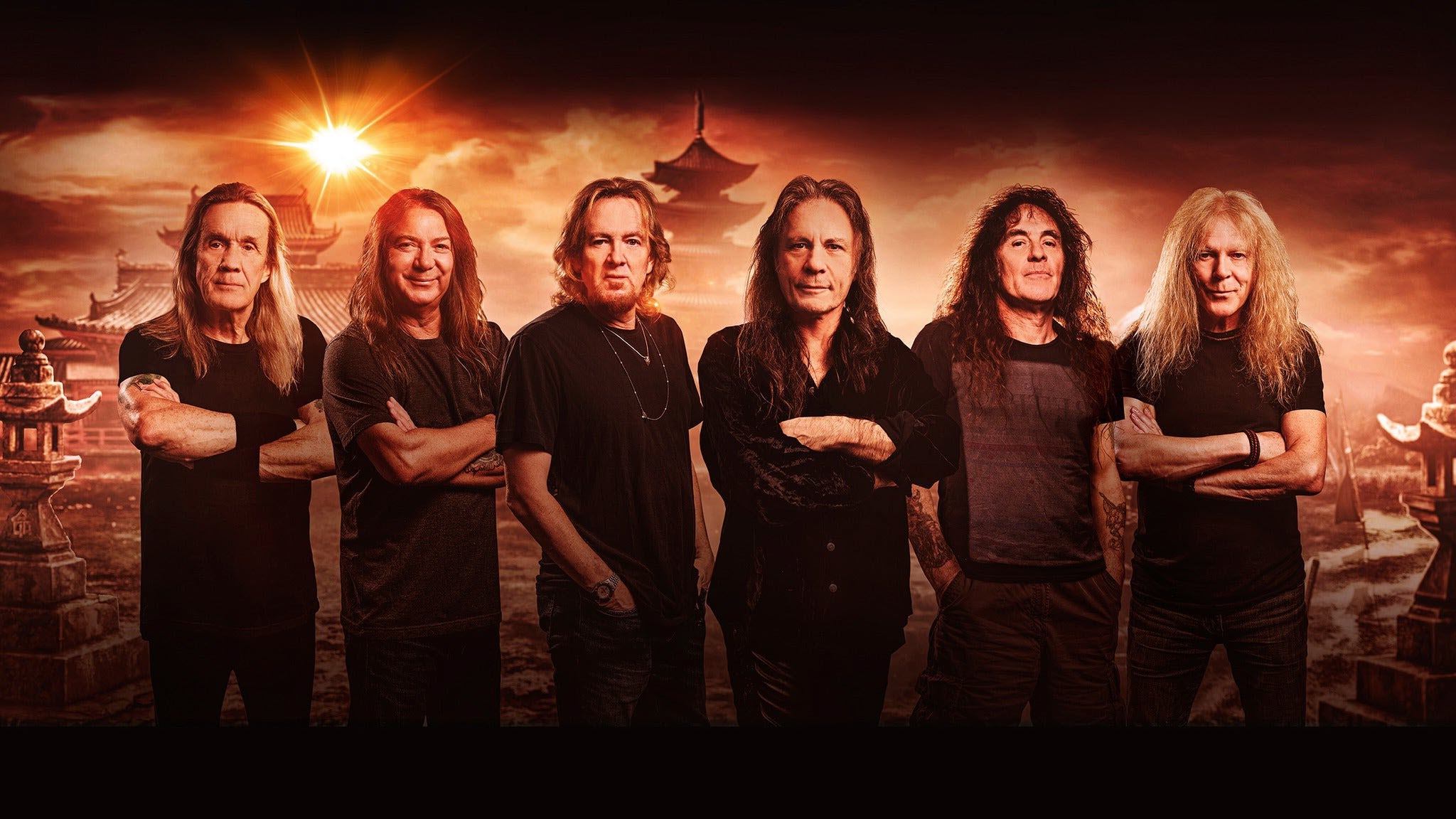
Few bands in the history of heavy metal have achieved the iconic status and enduring influence of Iron Maiden. From their thunderous riffs to their soaring vocals, this legendary British band has captivated audiences for over four decades, carving their place in rock history as one of the greatest of all time. Known for their electrifying live performances, epic storytelling, and the unforgettable mascot Eddie, Iron Maiden has become the very embodiment of heavy metal culture. Their music has transcended generations, uniting fans across the globe in a shared love for the power and passion of their sound.
In this article, we dive deep into the heart of Iron Maiden’s discography to explore the top 10 most popular songs of all time. These are the tracks that have stood the test of time, resonating with millions of fans and defining the very essence of the band. Whether you’re a die-hard fan who can sing along to every word or a newcomer eager to discover what makes Iron Maiden so legendary, this list promises to take you on an exhilarating journey through their most iconic anthems. So grab your leather jacket, crank up the volume, and get ready to headbang as we celebrate the greatest hits of Iron Maiden!
1. “The Trooper” (1983)
Few songs in heavy metal history are as instantly recognizable as “The Trooper.” Released in 1983 as part of Iron Maiden’s Piece of Mind album, this electrifying track captures the chaos and intensity of battle through galloping guitar riffs, pounding drums, and Bruce Dickinson’s soaring, battle-ready vocals. Inspired by the Crimean War’s famous Charge of the Light Brigade, the song paints a vivid picture of a soldier charging into almost certain death, fueled by duty and adrenaline.
Musically, “The Trooper” is a masterpiece of twin-guitar harmony, with Dave Murray and Adrian Smith delivering blistering solos that perfectly match the urgency of the lyrics. The relentless pace mirrors the frantic energy of a battlefield, making it one of the band’s most thrilling compositions. Dickinson’s passionate delivery, particularly in the chorus, adds a layer of desperation and heroism, making it impossible not to get swept up in the song’s momentum.
Live performances of “The Trooper” are legendary. Dickinson famously waves a massive Union Jack flag while dressed in military attire, further immersing audiences in the song’s war-torn setting. Decades after its release, “The Trooper” remains a staple of Iron Maiden’s setlists and a defining anthem of heavy metal, proving its enduring power and influence.
2. “Hallowed Be Thy Name” (1982)
“Hallowed Be Thy Name” is often considered Iron Maiden’s magnum opus, a song that exemplifies everything great about the band. Featured on their 1982 album The Number of the Beast, this seven-minute epic tells the harrowing story of a condemned man spending his final moments before execution, grappling with fate, faith, and the fear of the unknown.
From the haunting opening melody to the explosive climax, “Hallowed Be Thy Name” is a masterclass in musical storytelling. The slow, eerie introduction sets a somber mood, with Dickinson’s melancholic vocals perfectly conveying the protagonist’s anxiety. As the song progresses, the tempo shifts dramatically, with galloping riffs and intricate solos mirroring the internal turmoil and growing intensity of the story. Steve Harris’s signature basslines add an almost theatrical quality, making the track feel like a metal opera.
Beyond its gripping narrative, the song is an absolute powerhouse in live performances. Dickinson’s dramatic delivery and the band’s relentless energy make it a highlight of any concert, with fans chanting along to every word. “Hallowed Be Thy Name” has been covered by countless bands and remains one of the most beloved and respected tracks in heavy metal history.
3. “Run to the Hills” (1982)
“Run to the Hills” is one of Iron Maiden’s most recognizable and enduring songs, released in 1982 as part of The Number of the Beast album. Beyond its electrifying energy and sing-along chorus, the song serves as a powerful commentary on the tragic history of Native Americans and their struggle against European colonization.
Lyrically, the song tells the story from two perspectives: the invaders who describe their violent conquest and the indigenous people who lament the destruction of their land and way of life. This dual narrative adds a depth rarely found in heavy metal, making it as thought-provoking as it is exhilarating. Musically, it features one of the most iconic galloping basslines in rock history, courtesy of Steve Harris, while Dave Murray and Adrian Smith’s soaring guitar harmonies drive the song’s urgency.
The chorus is impossible to resist—when Dickinson belts out “Run to the hills! Run for your lives!” fans can’t help but sing along with full force. It’s no wonder this track has remained a staple of Iron Maiden’s live shows for decades. Whether it’s for its historical themes, high-energy instrumentation, or simply its unforgettable hook, “Run to the Hills” stands as a defining moment in the band’s legendary career.
4. “Fear of the Dark” (1992)
“Fear of the Dark,” the title track from Iron Maiden’s 1992 album, stands as one of the band’s most atmospheric and dramatic compositions. Unlike the fast-paced galloping rhythms of their earlier classics, this song builds tension slowly, creating an eerie and suspenseful mood before exploding into a powerful metal anthem.
The lyrics explore a universal and primal fear—being alone in the dark, where paranoia takes hold and the mind begins to imagine unseen threats lurking in the shadows. Bruce Dickinson’s vocal delivery is masterful, shifting from a hushed, almost whispered tone in the verses to a soaring, defiant cry in the chorus. This contrast enhances the song’s storytelling, making listeners feel as though they’re right alongside the protagonist, haunted by an unknown presence.
Musically, “Fear of the Dark” is a showcase of Iron Maiden’s ability to craft complex, emotionally charged pieces. The slow, brooding intro with its haunting melody gradually builds, giving way to thunderous riffs and a relentless rhythm section. The guitar work by Dave Murray and Janick Gers is particularly stunning, with intricate solos that amplify the song’s sense of urgency.
However, what truly makes “Fear of the Dark” legendary is its live performances. Fans chant the melody in unison, turning concerts into a powerful communal experience. Whether played in a massive stadium or a small venue, the song’s haunting atmosphere and explosive energy never fail to captivate audiences.
5. “Aces High” (1984)
A tribute to the brave fighter pilots of World War II, “Aces High” is one of Iron Maiden’s most adrenaline-fueled songs. Released in 1984 on the Powerslave album, the track captures the intensity of aerial combat with rapid-fire riffs, a relentless rhythm, and Bruce Dickinson’s soaring vocals that make listeners feel like they’re right in the cockpit of a Spitfire.
The song’s opening line, “There goes the siren that warns of the air raid,” immediately thrusts the audience into the heat of battle. From there, the song never lets up, driven by Steve Harris’s galloping bass and Nicko McBrain’s thunderous drumming. The twin guitar attack of Dave Murray and Adrian Smith mirrors the chaos of an aerial dogfight, with blistering solos and harmonized melodies soaring over the high-energy rhythm.
“Aces High” is also one of Iron Maiden’s most beloved live tracks, often accompanied by a dramatic intro featuring Winston Churchill’s famous speech: “We shall fight on the beaches…” before the band launches into the high-octane performance. The sheer energy of this song makes it a favorite among both longtime fans and newcomers, proving that even decades after its release, “Aces High” remains a metal masterpiece.
6. “The Number of the Beast” (1982)
Few songs in Iron Maiden’s discography have generated as much controversy and acclaim as “The Number of the Beast.” Released in 1982 as the title track of their landmark album, this song became a defining moment in heavy metal history. Combining a gripping horror-inspired narrative with some of the band’s most ferocious instrumentation, it helped cement Maiden’s place as one of the genre’s greatest acts.
The song opens with a chilling spoken-word passage, setting the stage for a nightmarish tale of a man tormented by dark visions. As soon as Bruce Dickinson’s vocals kick in, the intensity skyrockets. His operatic wails, combined with the song’s relentless riffing and explosive solos, create an atmosphere of chaos and unease. The shifting tempos—from eerie, slow builds to all-out metal fury—keep listeners on edge, making it one of the most dynamic tracks in the band’s catalog.
Despite early backlash from religious groups who misunderstood its themes, “The Number of the Beast” became a fan favorite and a staple of Iron Maiden’s live shows. It remains one of the most iconic and recognizable songs in metal history, its rebellious energy still thrilling audiences worldwide.
7. “2 Minutes to Midnight” (1984)
“2 Minutes to Midnight,” released on Iron Maiden’s 1984 Powerslave album, is a politically charged anthem that tackles the horrors of war and the looming threat of nuclear destruction. The title references the Doomsday Clock, which symbolizes humanity’s proximity to global catastrophe, making the song’s themes eerily relevant even today.
From the opening riff, the song bursts to life with a powerful energy that never wavers. Adrian Smith and Dave Murray’s guitar work is razor-sharp, delivering one of the most iconic riffs in the band’s history. Steve Harris’s bass lines drive the track forward, while Bruce Dickinson’s vocals cut through with a mix of anger and urgency. The lyrics paint a bleak picture of war, corruption, and the senseless loss of life, making it one of Maiden’s most thought-provoking songs.
“2 Minutes to Midnight” has remained a staple of the band’s live performances, with its rebellious chorus and explosive instrumentation making it a fan favorite. As a song that combines social commentary with hard-hitting metal, it showcases Iron Maiden’s ability to craft music that is both entertaining and meaningful.
8. “Phantom of the Opera” (1980)
“Phantom of the Opera,” from Iron Maiden’s 1980 self-titled debut album, is a perfect example of the band’s early ambition and musical complexity. This progressive-metal masterpiece, inspired by Gaston Leroux’s novel The Phantom of the Opera, showcases the band’s ability to craft intricate compositions filled with dramatic twists and turns.
From its lightning-fast opening riff to its shifting time signatures and extended instrumental passages, “Phantom of the Opera” feels like a mini-epic within itself. The song’s structure is unpredictable, keeping listeners engaged as it moves from frantic aggression to haunting melodies and back again. Paul Di’Anno’s raw and urgent vocal delivery adds to the sense of desperation and mystery.
Iron Maiden has continued to include “Phantom of the Opera” in their live performances, proving its lasting impact. Its combination of storytelling, technical prowess, and relentless energy makes it one of the most celebrated tracks from their early years, setting the stage for the band’s future success.
9. “Wasted Years” (1986)
Released in 1986 as the lead single from Somewhere in Time, “Wasted Years” stands out in Iron Maiden’s catalog as one of their most emotionally resonant and introspective tracks. Written by guitarist Adrian Smith, the song departs from the band’s usual themes of history, war, and fantasy, instead focusing on personal struggles and the passage of time.
From the very first note, “Wasted Years” grabs listeners with one of the most memorable guitar riffs in heavy metal history. The opening lick, played by Smith, is instantly recognizable and sets the tone for the song’s soaring, melodic energy. Unlike some of Maiden’s more complex, multi-part compositions, this track follows a more straightforward structure, allowing the emotional weight of the lyrics to take center stage.
Bruce Dickinson’s vocals shine here, carrying a bittersweet yet uplifting message about not dwelling on the past or taking life for granted. Lines like “So understand / Don’t waste your time always searching for those wasted years” encourage listeners to appreciate the present and learn from life’s experiences. Beneath the soaring melodies, Steve Harris’s bass lines add depth and drive, while Nicko McBrain’s drumming keeps the rhythm steady and forceful.
“Wasted Years” remains one of Iron Maiden’s most beloved songs, resonating deeply with fans who relate to its themes of nostalgia and self-reflection. It has become a staple of their live performances, with the crowd often singing along passionately. The song’s mix of heartfelt lyrics and powerful instrumentation makes it an enduring classic in Maiden’s legendary discography.
10. “Rime of the Ancient Mariner” (1984)
Iron Maiden’s Powerslave album, released in 1984, featured many legendary tracks, but none as ambitious as “Rime of the Ancient Mariner.” At nearly 13 and a half minutes long, this epic song is one of the longest and most cinematic compositions in heavy metal history. Inspired by Samuel Taylor Coleridge’s famous poem of the same name, it tells the tale of a doomed sailor who suffers the wrath of supernatural forces after killing an albatross.
The song begins with galloping guitar riffs and intense, urgent drumming, pulling listeners into the dramatic high-seas adventure. Bruce Dickinson delivers a gripping vocal performance, narrating the events with theatrical flair. As the song progresses, the instrumentation shifts dramatically—a sudden atmospheric break in the middle mimics the eerie silence of a becalmed sea, complete with haunting bass lines and whispered vocals. This section adds a sense of dread and isolation before the song explodes back into its fast-paced fury, mirroring the mariner’s eventual redemption.
Musically, “Rime of the Ancient Mariner” is a showcase of Iron Maiden’s technical brilliance. The interplay between Dave Murray and Adrian Smith’s guitars creates sweeping harmonies, while Steve Harris’s intricate bass work drives the song’s momentum. The ever-changing dynamics—from heavy, aggressive sections to quiet, eerie passages—demonstrate the band’s ability to tell stories through music.
Live performances of “Rime of the Ancient Mariner” are legendary, often accompanied by dramatic stage effects that enhance its theatrical quality. The song remains a fan favorite, proving that Iron Maiden’s willingness to push musical boundaries has led to some of the greatest epics in metal history.

Edward Tomlin is a frequent contributor to Singers Room. Since 2005, Singersroom has been the voice of R&B around the world. Connect with us via social media below.









