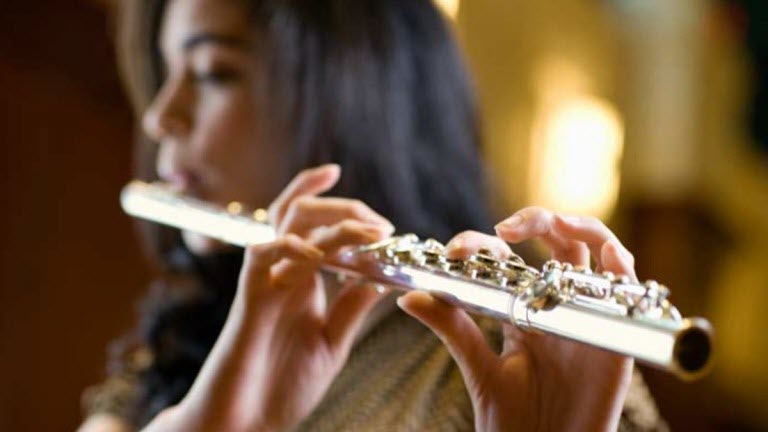
The flute, an instrument as ancient as civilization itself, has charmed listeners for centuries with its ethereal tones and expressive versatility. From classical symphonies to jazz improvisations and traditional folk tunes, the flute has transcended genres and boundaries, captivating audiences worldwide. But what makes a truly great flute player? Is it technical mastery, emotional depth, or the ability to transport us to another world with a single note? Perhaps it’s all of the above—and more.
In this article, we celebrate the crème de la crème of flute artistry: the top 15 best flute players of all time. These extraordinary musicians have not only mastered the instrument but have also redefined its potential, leaving an indelible mark on music history. From the timeless brilliance of classical virtuosos like Jean-Pierre Rampal and James Galway to the groundbreaking innovations of jazz legends like Hubert Laws, each flutist on this list has a unique story to tell and a legacy that resonates beyond their era.
Whether you’re a lifelong flute enthusiast or a curious newcomer, prepare to be inspired by the lives and sounds of these remarkable artists. Join us as we journey through the golden tones, breathtaking performances, and enduring genius of the world’s greatest flute players.
1. Jean-Pierre Rampal
Jean-Pierre Rampal is often hailed as the “Father of the Modern Flute,” a title he earned through his unparalleled musicianship and influence on the instrument’s prominence in the classical music world. Before Rampal, the flute was primarily seen as an orchestral or chamber instrument, rarely taking center stage in solo performances. However, with his astonishing technical mastery, expressive phrasing, and effortless virtuosity, Rampal brought the flute into the limelight as a solo instrument, proving that it could be just as captivating as the violin or piano.
Born in France in 1922, Rampal studied at the Paris Conservatoire and quickly rose to international fame. His warm and lyrical tone, combined with his vast repertoire, made him one of the most recorded classical musicians of all time. He championed Baroque music, rediscovering and popularizing forgotten flute compositions, while also commissioning and premiering contemporary works.
Beyond his technical brilliance, Rampal’s charisma and approachable stage presence made classical music more accessible to audiences worldwide. He collaborated with some of the greatest musicians of his time, including pianists, harpsichordists, and even jazz artists. His recordings remain a gold standard for flutists today, and his legacy as a pioneer of modern flute performance endures through generations of musicians.
2. James Galway
James Galway, affectionately known as “The Man with the Golden Flute,” is one of the most recognizable and influential flutists in history. With a career spanning over five decades, Galway has captivated audiences worldwide with his dazzling technique, warm tone, and charismatic stage presence. His versatility, performing everything from classical masterworks to folk tunes and even pop music, has earned him millions of devoted fans beyond the classical music world.
Born in Belfast, Northern Ireland, Galway began his musical journey at an early age, eventually studying at the Royal College of Music and the Paris Conservatoire. His big break came when he won the principal flute position in the Berlin Philharmonic under Herbert von Karajan. However, his true calling was as a soloist, and he left the orchestra to pursue an independent career that would take him to the world’s greatest concert halls.
Galway’s recordings, including his iconic interpretations of Mozart’s Flute Concertos and Annie’s Song, have sold millions of copies. His infectious enthusiasm for music and approachable personality make him a beloved figure in both classical and popular music circles. Whether performing Bach or an Irish folk tune, Galway’s golden flute continues to enchant listeners worldwide.
3. Julius Baker
Julius Baker was a towering figure in American flute playing, revered not only for his extraordinary talent as a performer but also for his immense influence as a teacher. Throughout his career, Baker held principal flute positions in prestigious orchestras, including the New York Philharmonic, the Chicago Symphony Orchestra, and the Pittsburgh Symphony Orchestra. His tone was unmistakable—rich, resonant, and full of depth—setting the standard for orchestral flute playing in the United States.
Born in Cleveland, Ohio, Baker studied at the Curtis Institute of Music, where he honed his skills under the guidance of legendary flutists. His impeccable technique and expressive phrasing earned him a reputation as one of the finest flutists of his generation. However, his greatest legacy may be his impact as an educator. He taught at some of the most prestigious music institutions, including the Juilliard School and the Curtis Institute, mentoring countless students who would go on to become leading flutists themselves.
Baker’s recordings, particularly of Mozart and Bach, remain essential listening for flutists. His influence on flute pedagogy and performance continues to shape the next generations of musicians, making him a cornerstone of American flute playing.
4. Emmanuel Pahud
Emmanuel Pahud is widely regarded as one of the finest flutists of the modern era. Known for his breathtaking technique, fluid expressiveness, and ability to infuse every note with emotion, Pahud has redefined what it means to be a classical flutist in the 21st century. His interpretations of Baroque, Romantic, and contemporary works showcase his incredible versatility and artistry.
Born in Switzerland in 1970, Pahud began playing the flute at the age of six and quickly showed prodigious talent. He studied at the Paris Conservatoire, winning numerous prestigious competitions before landing the coveted principal flute position in the Berlin Philharmonic at just 22 years old. His work with the orchestra has solidified his reputation as one of the greatest orchestral flutists of all time.
Pahud is also a celebrated soloist, with a discography that includes concertos by Mozart, Bach, and Jolivet, as well as contemporary works that push the flute’s expressive capabilities. His collaborations with renowned conductors and chamber musicians have further cemented his status as a leading figure in classical music. Pahud’s dedication to expanding the flute repertoire and his masterful performances continue to inspire flutists and audiences worldwide.
5. Georges Barrère
Georges Barrère was a revolutionary flutist whose influence extended far beyond his own time. Born in France in 1876, Barrère played a crucial role in shaping the modern flute sound, particularly in America. His deep, rich tone and remarkable technical command set a new standard for flutists worldwide.
A student of Paul Taffanel at the Paris Conservatoire, Barrère quickly distinguished himself as a musician of extraordinary ability. He was at the forefront of the transition from the wooden flute to the modern silver flute, helping to define the shimmering, brilliant sound that flutists strive for today. His most famous performance was the 1904 premiere of Claude Debussy’s Syrinx, a piece that has since become one of the most iconic works in the flute repertoire.
Barrère emigrated to the United States, where he became the principal flutist of the New York Symphony and a key figure in American flute education. His advocacy for contemporary music led to the commissioning of important new works, and his dedication to expanding the flute’s role in orchestras and solo settings continues to influence flutists today. His pioneering spirit and artistry left an indelible mark on the flute world.
6. Sir Peter Pears
Though Sir Peter Pears is primarily known for his work as a tenor, his contributions to the world of flute playing are significant and often overlooked. As a gifted flutist, Pears brought a unique lyrical quality to the instrument that is still admired today. His musical collaborations with composer Benjamin Britten, who was also his life partner, were pivotal in defining 20th-century British classical music.
Born in England in 1910, Pears initially studied the flute before pursuing a career as a vocalist. However, his background in flute playing deeply influenced his approach to vocal performance, particularly his attention to phrasing and breath control. His flutist background allowed him to treat his voice like an instrument, exploring nuance, phrasing, and breath as if they were aspects of his flute playing.
Pears often worked with Britten to premiere pieces that demanded an intimate understanding of both vocal and instrumental music. His playing was praised for its expressive phrasing and rich sound, and he was known to bring a deep sense of emotionality to his performances. While his vocal achievements are far more famous, his flute work and connection with the instrument have inspired many musicians, especially those seeking to bring a heightened sense of lyricism to their performances.
7. William Kincaid
William Kincaid is often referred to as the “Father of the American Flute School,” and for good reason. His contributions to American flute playing have shaped the entire direction of the instrument in the U.S., from its technique to its teaching. Kincaid’s work as the principal flutist of the Philadelphia Orchestra set a standard for orchestral playing that became a model for flutists across the country.
Born in 1895, Kincaid was a prodigious talent, quickly gaining attention for his impeccable tone and precision. His playing was characterized by a clarity that was both graceful and powerful. Kincaid’s influence extended far beyond the concert stage. As a teacher, he trained several generations of flutists, many of whom became influential in their own right. His meticulous teaching methods focused on developing strong fundamentals and encouraged his students to cultivate an expressive, resonant sound.
Kincaid’s legacy is felt in the numerous flutists who passed through his tutelage, including notable musicians like Julius Baker and Peter Lloyd. He also left behind a significant body of work, including his famous recordings of the flute repertoire, which continue to be an essential reference for students and professionals alike. Kincaid’s influence continues to resonate in the world of American flute playing.
8. Ian Anderson
Ian Anderson, the iconic frontman of the British rock band Jethro Tull, is credited with bringing the flute to the forefront of rock music, a genre traditionally dominated by electric guitars and drums. Known for his energetic stage presence and distinctive flute playing, Anderson single-handedly redefined the role of the flute in popular music, blending classical training with rock sensibilities in a way that was both innovative and groundbreaking.
Born in Scotland in 1947, Anderson was trained in classical flute but soon found himself drawn to the experimental possibilities of rock and folk music. His groundbreaking work with Jethro Tull began in the late 1960s, and it wasn’t long before the band’s distinctive sound, centered around Anderson’s flute, became their trademark. Hits like “Locomotive Breath” and “Aqualung” showcased his ability to combine the technical aspects of classical flute with the improvisational freedom of rock, creating a unique sound that has influenced countless musicians.
Anderson’s playing is characterized by his ability to produce a breathy, percussive tone, and his virtuosic solos on tracks like “Thick as a Brick” are legendary. While his music is often categorized as progressive rock, his ability to blur the lines between genres has earned him a dedicated following of fans who appreciate the fusion of classical musicianship with contemporary rock music.
9. Paul Taffanel
Paul Taffanel was one of the most influential figures in the history of the flute, renowned for his mastery of technique and his contributions to flute pedagogy. Born in France in 1844, Taffanel was a virtuoso flutist whose technical expertise, refined sound, and dedication to his instrument set him apart as one of the leading flute players of the 19th century. His legacy extends far beyond his impressive performances, however, as he was also an esteemed teacher and a pivotal figure in the development of modern flute playing.
As a teacher at the Paris Conservatoire, Taffanel set new standards for flute technique, shaping the future of French flute playing and influencing generations of musicians worldwide. His emphasis on articulation, breath control, and precision revolutionized the way flutists approached their instrument. Taffanel’s contributions to the flute repertoire are also noteworthy; he commissioned and premiered works from composers such as Paul Dukas, Henri Rabaud, and Jules Mouquet, further elevating the flute’s role in the orchestral and soloist repertoire.
Taffanel’s Méthode de Flûte remains an essential text for flutists today, and his work continues to inform flute pedagogy. His vision for the flute as an instrument capable of both technical brilliance and expressive depth has had a profound impact on the instrument’s evolution.
10. Mathieu Dufour
Mathieu Dufour is a modern virtuoso whose mastery of the flute has captivated audiences worldwide. As the principal flutist of the Chicago Symphony Orchestra, Dufour’s playing is marked by an exceptional technical skill combined with a strikingly beautiful tone. His ability to navigate both the classical and contemporary flute repertoires with ease has made him one of the most highly regarded flutists of his generation.
Born in Paris in 1976, Dufour studied at the Paris Conservatory, where he quickly earned recognition for his remarkable technique and musicality. After gaining experience as a soloist and chamber musician, he went on to join the Chicago Symphony Orchestra in 2003, where his contributions to the orchestra’s sound have been widely praised. Dufour’s performances are characterized by a rare combination of precision, warmth, and expressiveness. Whether performing a demanding concerto or delicate chamber music, his playing always displays an extraordinary level of artistry.
Dufour’s influence extends beyond his performances, as he is also a dedicated educator. His commitment to teaching and mentoring younger flutists has inspired countless students, making him not only a master performer but also a leading voice in flute pedagogy. Dufour’s technical brilliance and musical sensitivity have solidified his place among the great flutists of our time.
11. Marcel Moyse
Marcel Moyse, a French virtuoso, is widely regarded as one of the greatest flutists of the 20th century. His contributions to the flute world are immense, not just as a performer, but as a teacher and author. Born in 1889, Moyse began his studies at the Paris Conservatory and quickly gained recognition for his technical prowess and exceptional tone. His performances were characterized by lyrical expression and a deep sensitivity to the music.
Moyse’s impact on the flute world extends far beyond his own playing. As a teacher, he had an extraordinary influence, shaping the careers of many notable flutists, including Jean-Pierre Rampal. His approach to flute pedagogy was innovative for its time, emphasizing the importance of tone development, phrasing, and interpretation. His famous pedagogical work, Tone Development Through Interpretation, remains a vital resource for flutists seeking to refine their sound and expressivity.
Moyse’s performances were as emotionally resonant as they were technically impeccable, and he worked hard to elevate the flute as an instrument capable of conveying a wide range of emotions. He also championed contemporary works for the flute and was an advocate for expanding the flute’s repertoire. Today, Moyse’s legacy continues to inspire flutists and musicians of all kinds, solidifying his place as one of the most influential figures in the history of the instrument.
12. Greg Pattillo
Greg Pattillo is a revolutionary figure in the world of modern flute playing, known for his groundbreaking fusion of beatboxing and traditional flute techniques. A member of the trio Project Trio, Pattillo has pushed the boundaries of the instrument in ways that few before him could have imagined. Combining elements of jazz, hip-hop, and classical music, Pattillo has created a completely new sound for the flute, captivating audiences worldwide with his innovative performances.
Pattillo’s distinctive style involves using his voice to create percussive effects while simultaneously playing the flute, a technique that requires not only mastery of the instrument but also an impressive vocal control. This fusion of beatboxing and flute playing has earned him a reputation as a musical pioneer, blending genres that are typically seen as unrelated. Pattillo’s ability to seamlessly merge rhythm, melody, and sound in ways that had never been done before has transformed the way the flute is perceived in the context of contemporary music.
His performances are dynamic, energetic, and often full of improvisation, making each performance a unique experience. Pattillo’s work challenges conventional ideas of what the flute can do, and his influence on modern flute playing is immeasurable. Through his innovative spirit and willingness to experiment with new techniques, Pattillo has reshaped the landscape of flute music for the 21st century.
13. Severino Gazzelloni
Severino Gazzelloni, an Italian flute virtuoso, was known as “The Flute of Gold” due to his remarkable technical ability and expressive artistry. A pioneer of the modern flute world, Gazzelloni was an extraordinary performer who brought a new sense of drama and flair to the instrument. His career spanned several decades, during which he earned a reputation as one of the most adventurous and innovative flutists of the 20th century.
Born in 1925 in Italy, Gazzelloni studied at the Conservatorio Giuseppe Verdi in Milan and quickly established himself as a gifted player. He was particularly known for his bold approach to repertoire, often premiering works by contemporary composers. Gazzelloni’s interpretations were marked by their dramatic intensity and his ability to communicate deep emotional expression through his instrument. He was an advocate for contemporary music, and his collaborations with composers such as Luciano Berio, Luigi Nono, and Karlheinz Stockhausen helped push the boundaries of what the flute could express.
Gazzelloni’s technical brilliance was matched by his sense of showmanship, making him an unforgettable presence on stage. His performances were characterized by an intensity that held audiences rapt, and his ability to blend technical precision with emotional depth made him a revered figure in the flute world. Today, his legacy continues to inspire flutists, particularly those interested in exploring the more avant-garde and contemporary aspects of the instrument’s capabilities.
14. Robert Dick
Robert Dick is an avant-garde flutist whose innovations have fundamentally changed the way the flute is played and perceived. Known for his exploration of extended techniques, Dick has expanded the flute’s sonic range and opened new possibilities for contemporary music. His pioneering work with multiphonics (playing multiple notes at once) and circular breathing has inspired countless musicians to experiment with new ways of producing sound on the flute.
Born in 1946 in the United States, Dick began his career as a traditional flutist, but he quickly became fascinated with pushing the boundaries of the instrument. He is considered one of the leading figures in the world of new music for the flute, and his contributions have led to a transformation in how composers approach the flute. He has worked closely with several contemporary composers to create new works that exploit the flute’s extended techniques, and his performances are marked by a combination of technical skill and experimental flair.
Dick has written extensively about his techniques, and his influential book The Other Flute is a valuable resource for flutists seeking to explore unconventional sounds. As a composer and performer, he continues to challenge the limitations of the flute, and his legacy is one of innovation and constant reinvention. His work has influenced not only flutists but also musicians in other genres who seek to explore new ways of using sound.
15. Herbie Mann
Herbie Mann was a groundbreaking jazz flutist who played a key role in popularizing the flute in jazz and world music. His soulful sound, combined with his ability to seamlessly blend a variety of musical genres, made him one of the most influential flutists of the 20th century. Born in Brooklyn in 1930, Mann’s innovative style fused elements of jazz, funk, bossa nova, and world music, and he is credited with bringing the flute into the spotlight in genres where it had previously been underrepresented.
Mann’s musical career began in the 1950s, and he quickly became known for his ability to adapt to different musical styles while maintaining his distinctive voice on the flute. His collaborations with jazz legends like Charlie Parker and Miles Davis helped shape his approach to improvisation and performance. Over the years, Mann’s albums showcased his exploration of different musical cultures, such as his iconic Memphis Underground, which fused jazz with funk and soul. His ability to bring the flute into the realm of jazz fusion was groundbreaking, influencing generations of musicians who followed him.
Mann’s playing was characterized by its warm, expressive tone and its rhythmic vitality. He is remembered not just for his technical skill but for his ability to connect with audiences through the emotive power of his music. Mann’s contributions to jazz and world music solidified the flute as a prominent instrument in these genres, and his legacy continues to influence musicians around the world.

Edward Tomlin is a frequent contributor to Singers Room. Since 2005, Singersroom has been the voice of R&B around the world. Connect with us via social media below.