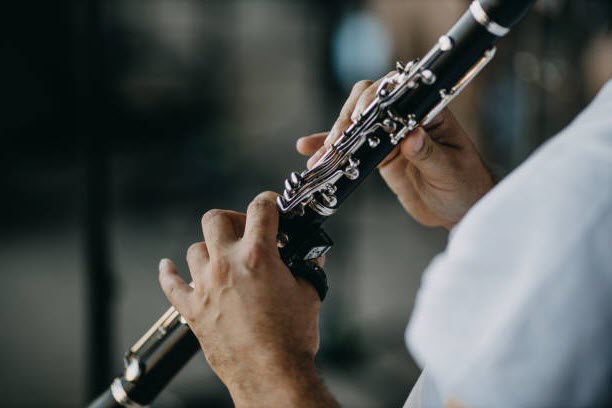
The clarinet, with its rich, soulful tones and incredible versatility, has enchanted audiences for centuries. From the haunting melodies of classical masterpieces to the electrifying improvisations of jazz solos, this woodwind instrument has earned its place in music history. But what truly elevates the clarinet’s magic are the virtuosos who bring it to life. In this article, we’re diving deep into the world of clarinet brilliance by celebrating the top 15 best clarinet players of all time.
These extraordinary musicians have not only mastered the technical complexities of the instrument but have also redefined its role in music, pushing boundaries and inspiring generations. Whether it’s the profound artistry of classical legends or the innovative flair of jazz pioneers, these clarinetists have left an indelible mark on the music world.
Prepare to be captivated as we explore the lives, careers, and unparalleled contributions of these clarinet maestros. Discover how they’ve shaped the way we hear and feel the clarinet’s voice—whether through heart-stirring symphonies, toe-tapping jazz standards, or groundbreaking modern compositions. So, grab your favorite seat, turn up the volume, and get ready to meet the masters who’ve transformed the clarinet into an instrument of endless possibilities!
1. Benny Goodman
Benny Goodman, widely known as the “King of Swing,” was a revolutionary figure in jazz and one of the most influential clarinetists of the 20th century. His virtuosic playing, marked by impeccable technique and a smooth yet energetic tone, captivated audiences and helped bring swing music into mainstream popularity. Goodman wasn’t just a brilliant musician—he was also a trailblazer for racial integration in music. At a time when segregation was the norm, he led one of the first racially integrated bands, featuring legends like Lionel Hampton and Teddy Wilson. His 1938 Carnegie Hall concert was a defining moment in jazz history, showcasing the genre’s growing legitimacy in the world of classical and orchestral music. Hits like Sing, Sing, Sing and Stompin’ at the Savoy cemented his place as a household name. Beyond swing, Goodman explored classical music, performing works by composers like Mozart and Copland with the same finesse that made him a jazz icon. His ability to bridge genres and push musical boundaries ensured that his impact would be felt long after the swing era faded.
2. Artie Shaw
Artie Shaw was more than just a jazz musician—he was a true artist, always striving for perfection in his craft. A gifted clarinetist and bandleader, Shaw had an unmatched ability to blend technical mastery with deep musical expression. His hit Begin the Beguine became one of the defining songs of the swing era, but unlike many of his peers, Shaw was not content with simply churning out popular tunes. He sought to elevate jazz with more sophisticated arrangements and compositions, often drawing inspiration from classical music. Despite his commercial success, Shaw was famously restless, disbanding his orchestras multiple times and eventually walking away from music entirely at the height of his career. His decision to retire left many wondering what more he could have accomplished, but his recorded legacy speaks for itself. Shaw’s fluid tone, flawless technique, and innovative approach to jazz ensure that he remains one of the most celebrated clarinetists of all time.
3. Sidney Bechet
Sidney Bechet was a jazz pioneer who brought an electrifying energy to every performance. As one of the first great soloists in jazz history, he helped define the genre’s expressive and improvisational nature. Bechet’s fiery clarinet playing, characterized by a powerful vibrato and passionate phrasing, set him apart from his contemporaries. He was also one of the first musicians to popularize the soprano saxophone, further expanding his musical range. Bechet’s compositions, such as Petite Fleur and Summertime, showcase his ability to blend technical brilliance with raw emotion. Born in New Orleans, he carried the spirit of the city’s vibrant musical traditions with him throughout his career, whether performing in the United States or Europe. His influence on early jazz cannot be overstated—he paved the way for generations of musicians who followed. Even today, his recordings remain some of the most exhilarating and heartfelt examples of jazz improvisation.
4. Sabine Meyer
Sabine Meyer is a clarinet virtuoso whose career has been defined by both musical excellence and groundbreaking achievements. A trailblazer in classical music, she was one of the first women to join the Berlin Philharmonic, a move that challenged long-standing traditions in the orchestral world. Despite facing resistance, Meyer’s extraordinary talent and expressive artistry won over audiences and critics alike. Her tone is rich and resonant, with a warmth that brings out the emotional depth of every piece she performs. As a soloist, she has worked with some of the world’s most prestigious orchestras, tackling everything from Mozart’s Clarinet Concerto to contemporary compositions. Meyer is also deeply committed to chamber music, collaborating with top-tier musicians to bring out the intimate beauty of the clarinet’s sound. Her recordings are widely regarded as some of the finest in classical clarinet repertoire, and her influence as both a performer and mentor continues to shape the next generation of clarinetists.
5. Martin Fröst
Martin Fröst is one of the most innovative and exciting clarinetists in the world today. Known for his theatrical performances and boundary-pushing interpretations, he has redefined what it means to be a classical musician. Fröst doesn’t just play music—he brings it to life, often incorporating movement and visual elements into his concerts. His performances of traditional repertoire, such as the Mozart and Brahms clarinet works, are breathtakingly fresh, while his exploration of contemporary music has helped expand the instrument’s possibilities. Fröst’s ability to seamlessly blend classical precision with a sense of spontaneity has earned him a reputation as a true musical visionary. Whether premiering new compositions or reimagining old ones, he continuously pushes the boundaries of what the clarinet can do. His dynamic stage presence and technical brilliance make him one of the most sought-after soloists of our time.
6. Sharon Kam
Sharon Kam is one of the most versatile and expressive clarinetists of our time. With a career spanning decades, she has established herself as a master of both classical and contemporary repertoire, captivating audiences with her rich tone, flawless technique, and deep musical insight. Born in Israel, Kam quickly rose to international prominence after winning the ARD International Music Competition at just 16 years old, an achievement that set the stage for her remarkable career.
Her performances of Mozart’s Clarinet Concerto are considered some of the finest interpretations of the piece, showcasing her ability to balance technical precision with effortless lyrical beauty. But Kam is not confined to classical traditions—her musical curiosity has led her to explore jazz, klezmer, and modern compositions, demonstrating an ability to transcend genres with ease.
A passionate chamber musician, Kam has collaborated with some of the world’s greatest orchestras and ensembles, bringing warmth and personality to every performance. Her recordings, which range from Brahms to Bernstein, have earned her widespread critical acclaim. With a natural stage presence and an ability to make the clarinet sing, Sharon Kam continues to inspire musicians and audiences alike, cementing her place among the greats.
7. Eddie Daniels
Eddie Daniels is a true pioneer, a clarinetist who has effortlessly bridged the worlds of jazz and classical music. His ability to switch between genres with breathtaking fluidity is what sets him apart as one of the most versatile and technically gifted musicians of his generation. Born in New York, Daniels first gained recognition as a jazz saxophonist before emerging as a leading voice on the clarinet.
Daniels’ playing is characterized by dazzling speed, impeccable articulation, and a tone that can be both rich and delicate. In jazz, his improvisations are fearless and inventive, while in classical settings, his interpretations exude clarity and expression. His recordings, such as Breakthrough and Clarinet Concerto, showcase his dual mastery of both styles. He has also collaborated with some of the biggest names in jazz, including Freddie Hubbard and Thad Jones, proving that the clarinet is as much a force in jazz as it is in classical music.
What makes Daniels truly remarkable is his ability to redefine the clarinet’s place in modern music. His groundbreaking work has inspired countless musicians to explore the instrument’s full potential, and his influence continues to shape both the jazz and classical worlds today.
8. Richard Stoltzman
Richard Stoltzman is a clarinetist like no other, known for his deeply expressive playing and his unique ability to make classical music feel intimate and personal. With a career spanning decades, Stoltzman has not only mastered the traditional clarinet repertoire but has also helped expand the instrument’s reach into new musical territories. His warm, lyrical tone and signature vibrato make his sound instantly recognizable, setting him apart as one of the most distinctive clarinetists in history.
Born in Nebraska, Stoltzman’s career took off when he became the first clarinetist to win the prestigious Avery Fisher Prize. From there, he collaborated with some of the world’s finest orchestras, chamber groups, and jazz artists, pushing the boundaries of what the clarinet could do. He is known for bringing a sense of spontaneity and passion to classical performances, making them feel fresh and alive.
Stoltzman’s extensive discography covers everything from Brahms and Mozart to jazz and contemporary compositions. His ability to blend genres with such ease has made him a true innovator. Whether performing in a grand concert hall or an intimate jazz club, Stoltzman’s playing always carries an emotional depth that leaves a lasting impression on audiences worldwide.
9. David Shifrin
https://www.youtube.com/watch?v=dqreEdDibiw&pp=ygUOIERhdmlkIFNoaWZyaW4%3D
David Shifrin is one of the most respected clarinetists of our time, renowned for his artistry, musical intelligence, and dedication to chamber music. As a soloist, orchestral player, and educator, Shifrin has devoted his life to championing the clarinet and expanding its repertoire. His warm, expressive sound and impeccable phrasing have made him a favorite among audiences and fellow musicians alike.
One of Shifrin’s greatest contributions to the clarinet world has been his leadership in chamber music. As the artistic director of the Chamber Music Society of Lincoln Center, he has worked tirelessly to bring clarinet repertoire to a wider audience, commissioning new works and collaborating with some of the finest musicians in the world. His performances of Mozart’s Clarinet Quintet and Brahms’ Clarinet Sonatas are widely regarded as definitive interpretations.
In addition to his classical achievements, Shifrin has a deep love for contemporary music, frequently premiering new compositions and pushing the clarinet into uncharted territories. His recordings and live performances reflect a lifetime of dedication to the craft, making him one of the most influential clarinetists of his generation. His legacy is one of passion, precision, and an unwavering commitment to musical excellence.
10. Giora Feidman
Giora Feidman is a clarinetist whose music transcends boundaries, touching the hearts of audiences around the world. Best known for his work in klezmer music, Feidman has played a pivotal role in reviving and popularizing this deeply expressive Jewish folk tradition. His playing is soulful, filled with raw emotion, and capable of evoking both joy and deep nostalgia in equal measure.
Born in Argentina to a family of klezmer musicians, Feidman’s musical journey took him from traditional klezmer bands to becoming a soloist in the Israel Philharmonic Orchestra. However, his true calling lay in the deeply personal and expressive nature of klezmer music, which he has dedicated his life to preserving and evolving. His performances are more than just concerts—they are spiritual experiences, blending elements of klezmer, classical, and jazz to create something truly unique.
Feidman’s ability to tell stories through his clarinet has made him a beloved figure worldwide. Whether performing in a synagogue, concert hall, or film score (as heard in Schindler’s List), his music speaks directly to the soul. Through his passion and artistry, Feidman has ensured that klezmer music continues to thrive in the modern world.
11. Harold Wright
Harold Wright was a clarinetist of rare refinement and elegance, widely regarded as one of the greatest orchestral clarinetists of the 20th century. As the principal clarinetist of the Boston Symphony Orchestra for nearly two decades, his playing set the gold standard for orchestral musicians. His tone was warm, velvety, and unmistakably expressive, with an ability to shape phrases in a way that made every note feel meaningful.
Born in Pennsylvania, Wright’s career flourished under the mentorship of great musicians, and he quickly became known for his remarkable control and lyrical playing. His interpretations of Brahms and Mozart are still held in high esteem, showcasing his unmatched ability to bring out the depth and emotion in each piece.
Beyond his orchestral work, Wright was a dedicated chamber musician and an influential teacher, helping to shape the next generation of clarinetists. His recordings continue to inspire musicians, capturing the nuances of his refined artistry. Wright’s ability to blend technical brilliance with deep musical expression left an indelible mark on the clarinet world. Even years after his passing, his name remains synonymous with excellence in clarinet performance, and his legacy lives on through his students and recordings.
12. Karl Leister
Karl Leister is a legend in the world of classical clarinet. As the longtime principal clarinetist of the Berlin Philharmonic, he became one of the most respected orchestral musicians of his generation. His rich, warm tone and impeccable technique made him an integral part of the Berlin Philharmonic’s signature sound during his tenure under Herbert von Karajan.
Born in Germany, Leister’s musical journey began with his father, who was also a clarinetist. His natural talent quickly set him apart, and by the age of 19, he was already performing with one of the world’s greatest orchestras. His interpretations of works by Mozart, Brahms, and Weber remain essential listening for any clarinetist. His recording of the Brahms Clarinet Quintet, in particular, is regarded as one of the finest ever made.
In addition to his orchestral work, Leister has been a passionate advocate for chamber music and solo repertoire, performing with world-class ensembles and expanding the clarinet’s role in classical music. His teaching has also influenced generations of musicians. With a career that has spanned decades, Leister continues to inspire clarinetists worldwide with his exceptional artistry and deep musical understanding.
13. Pete Fountain
Pete Fountain was the embodiment of New Orleans jazz, bringing joy and swing to audiences around the world with his infectious clarinet playing. His smooth, fluid tone and effortless phrasing made him one of the most recognizable jazz clarinetists of all time. Whether leading his own band or collaborating with jazz greats, Fountain’s music exuded warmth, playfulness, and unmistakable charm.
Born in New Orleans, the heart of jazz, Fountain was deeply influenced by the Dixieland style and its improvisational spirit. He became a regular performer on television, appearing on The Lawrence Welk Show before establishing himself as a solo artist. His hit recordings, including Basin Street Blues and A Closer Walk with Thee, captured the soul of New Orleans jazz.
Fountain’s legacy extends beyond his recordings and performances—he was a true ambassador for jazz. He played for presidents, entertained millions, and even had a famous annual Mardi Gras parade in his honor. His ability to blend technical mastery with a relaxed, free-flowing style made his playing instantly recognizable. Though he passed away in 2016, Pete Fountain’s music continues to bring joy to jazz lovers and inspire new generations of clarinetists.
14. Reginald Kell
Reginald Kell was a groundbreaking figure in classical clarinet playing, known for introducing a warm vibrato to the instrument—a technique traditionally associated with string players. This innovation brought an expressive depth to his sound that was both unique and influential. His recordings of Mozart, Brahms, and Weber remain essential listening for clarinetists seeking to understand the art of phrasing and tone control.
Born in England, Kell rose to prominence as a principal clarinetist in some of Britain’s top orchestras before launching a successful solo career. He was widely admired for his lyrical approach to music, which emphasized expressive phrasing over pure technical showmanship. His ability to make the clarinet “sing” like a human voice was a defining feature of his playing.
In addition to his performance career, Kell was a dedicated teacher, influencing countless clarinetists who would go on to shape the instrument’s future. One of his most famous students was Benny Goodman, the legendary jazz clarinetist who admired Kell’s smooth and expressive tone. Reginald Kell’s contributions to clarinet playing, particularly his innovative approach to vibrato and phrasing, have left a lasting impact on the world of classical music.
15. Anton Stadler
Anton Stadler was a clarinetist whose name is forever linked to Wolfgang Amadeus Mozart. A close friend and collaborator of the composer, Stadler was the inspiration behind some of the most cherished clarinet works in history, including Mozart’s Clarinet Concerto and Clarinet Quintet. His artistry and technical innovations helped elevate the clarinet to a prominent solo instrument in classical music.
Born in Austria in the mid-18th century, Stadler was an exceptional musician, renowned for his smooth legato phrasing and expressive playing. He was also one of the earliest advocates of the basset clarinet, an extended-range instrument that allowed for deeper, richer tones. Mozart was so captivated by Stadler’s sound that he composed several works specifically tailored to his playing style, which continue to be central pieces in the clarinet repertoire today.
Despite facing financial struggles later in life, Stadler’s contributions to clarinet music remain invaluable. His partnership with Mozart not only expanded the clarinet’s expressive possibilities but also cemented its place in orchestral and solo music. Every time a clarinetist performs Mozart’s Clarinet Concerto, they pay tribute to the man whose artistry first brought it to life—Anton Stadler.

Edward Tomlin is a frequent contributor to Singers Room. Since 2005, Singersroom has been the voice of R&B around the world. Connect with us via social media below.