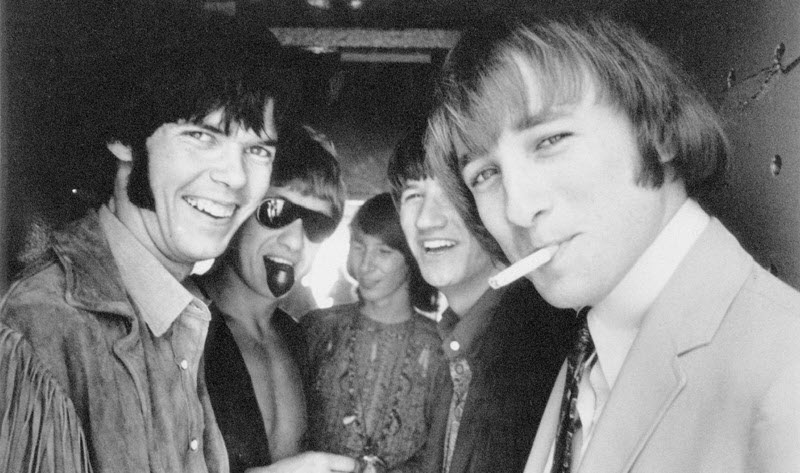
Few bands in the history of music have left as profound and enduring a mark as Buffalo Springfield. Rising to prominence in the late 1960s, this trailblazing group, led by the iconic talents of Stephen Stills, Neil Young, and Richie Furay, captured the spirit of an era defined by social change, counterculture movements, and a yearning for authenticity. Their unique fusion of folk, rock, and country, combined with poignant lyrics and masterful instrumentation, resonated deeply with fans then—and continues to inspire new generations of listeners today.
In just a few short years, Buffalo Springfield produced a catalog of songs that have become timeless masterpieces. From politically charged anthems to heartfelt ballads, their music encapsulates the raw emotions of love, rebellion, and reflection. Each track is a window into the band’s brilliance, showcasing their ability to craft melodies and lyrics that feel both personal and universal.
In this article, we’ll take a look at the top 10 most popular Buffalo Springfield songs of all time. Whether you’re a lifelong fan or a newcomer eager to explore their legacy, these tracks are sure to rekindle your appreciation for one of the most influential bands in rock history. Let the journey begin!
1. For What It’s Worth (1966)
Buffalo Springfield’s “For What It’s Worth” is not just a song—it’s a defining anthem of the 1960s counterculture. Written by Stephen Stills, the song was inspired by the Sunset Strip curfew riots in Los Angeles, where young people protested against oppressive policies aimed at shutting down their gathering spaces. Though the song doesn’t directly reference the Vietnam War, civil rights, or other specific events, its open-ended lyrics resonated deeply with the era’s growing social unrest.
The haunting, minimalist guitar riff immediately sets a foreboding tone, while the steady drumbeat creates a slow-burning tension. Stills’ lyrics—beginning with the iconic line, “There’s something happening here, but what it is ain’t exactly clear”—reflect a sense of confusion and urgency that defined the political climate of the time. The song’s warning about paranoia and escalating conflicts made it a staple at protests and rallies, further solidifying its status as one of the most recognizable protest songs in rock history.
Decades later, “For What It’s Worth” remains just as relevant, often resurfacing in movies, television shows, and social movements. Its message about paying attention to societal shifts continues to strike a chord, proving that Buffalo Springfield captured something timeless with this legendary track.
2. Mr. Soul (1967)
Written by Neil Young, “Mr. Soul” is a gritty, introspective track that delves into the darker side of fame and personal identity. Released on Buffalo Springfield Again, the song was born from Young’s own experiences with the pressures of the music industry. After suffering from an epileptic seizure while performing, Young began to question his place in the spotlight, and these anxieties fuel the song’s brooding energy.
Musically, “Mr. Soul” is one of Buffalo Springfield’s heaviest tracks, featuring a distorted, bluesy guitar riff reminiscent of The Rolling Stones’ “(I Can’t Get No) Satisfaction.” The lyrics paint a cryptic picture of a musician struggling with the expectations placed upon him, wrestling with both admiration and alienation. Lines like “She said you’re strange, but don’t change, and I let her” highlight the tension between maintaining authenticity and succumbing to the demands of fame.
Young’s biting delivery and the song’s raw instrumentation make “Mr. Soul” a standout in the band’s catalog. It not only showcases Young’s signature songwriting style but also foreshadows the themes of introspection and rebellion that would define his solo career.
3. Bluebird (1967)
Stephen Stills’ “Bluebird” is a stunning fusion of folk, rock, and blues, capturing the adventurous spirit of Buffalo Springfield. Featured on Buffalo Springfield Again, the song is notable for its intricate guitar work, shifting tempos, and poetic lyrics. It’s a perfect example of the band’s ability to blend acoustic sensibilities with electric intensity, creating a track that feels both intimate and expansive.
Lyrically, “Bluebird” evokes imagery of longing and escape, wrapped in metaphors that suggest freedom and transformation. The song’s structure is unconventional, transitioning from a bright, energetic beginning into a more meditative, acoustic outro. This shift mirrors the emotional journey conveyed in the lyrics, making “Bluebird” feel almost like two songs in one.
Stills and Young’s guitar interplay is one of the song’s highlights, featuring rapid picking patterns and intricate solos that showcase their technical prowess. The extended jam section, especially in live performances, became a hallmark of the band’s sound and hinted at the jam-band aesthetic that would later be embraced by groups like Crosby, Stills, Nash & Young. “Bluebird” remains a fan favorite, celebrated for its musicianship and dynamic energy.
4. Expecting to Fly (1967)
“Expecting to Fly” stands out as one of the most hauntingly beautiful songs in Buffalo Springfield’s catalog. Written and performed almost entirely by Neil Young, this orchestral ballad is a stark departure from the band’s usual folk-rock sound. Released on Buffalo Springfield Again, the song features lush string arrangements and dreamy, melancholic production that add an ethereal quality to its introspective lyrics.
The song reflects themes of love and loss, with Young’s fragile, emotive vocals conveying a deep sense of longing. The line “There you stood on the edge of your feather, expecting to fly” paints a picture of someone on the verge of change, facing an uncertain future. The sweeping orchestration enhances the song’s cinematic feel, making it one of the most emotionally resonant tracks in the band’s discography.
Produced with the help of Jack Nitzsche, “Expecting to Fly” foreshadowed Young’s later experiments with orchestral arrangements in his solo career. Though it doesn’t feature the full band, its inclusion on the album adds a layer of depth and variety to Buffalo Springfield Again, further cementing Young’s reputation as a visionary songwriter.
5. Rock and Roll Woman (1967)
“Rock and Roll Woman” is a vibrant, harmony-rich track that perfectly encapsulates Buffalo Springfield’s signature folk-rock sound. Written by Stephen Stills, the song was reportedly inspired by Grace Slick of Jefferson Airplane, serving as both an ode to powerful female musicians and a reflection of the free-spirited energy of the late 1960s. It was released on Buffalo Springfield Again and remains one of the band’s most polished and accessible songs.
The song opens with shimmering guitar work and a laid-back groove, soon layered with Stills’ smooth vocals. What makes “Rock and Roll Woman” particularly captivating is its blend of folk, rock, and even hints of jazz, enhanced by tight vocal harmonies that were partially shaped by David Crosby, who later worked with Stills in Crosby, Stills & Nash. The track builds to a soaring chorus, capturing the liberating spirit of rock and roll itself.
Lyrically, the song exudes admiration and celebration, with an almost dreamlike quality. The words suggest a muse-like figure who embodies the rebellious and intoxicating essence of rock music. Whether it was inspired by a real person or a symbolic representation of the era’s changing cultural landscape, “Rock and Roll Woman” remains a testament to Buffalo Springfield’s ability to merge lyrical poetry with musical brilliance.
6. Nowadays Clancy Can’t Even Sing (1966)
“Nowadays Clancy Can’t Even Sing” is one of Buffalo Springfield’s most intriguing songs, showcasing Neil Young’s early penchant for abstract, introspective songwriting. Released as the band’s debut single in 1966, the song was sung by Richie Furay, as Young at the time lacked confidence in his own vocal abilities. Despite this, the song’s unique narrative and jazzy arrangements made it stand out among folk-rock hits of the era.
The lyrics tell a fragmented, almost surreal story, filled with cryptic imagery and social commentary. Lines like “Who’s putting sponge in the bells I once rung?” hint at themes of disillusionment, isolation, and lost potential. The repeated mention of “Clancy” suggests a figure who once had promise but has since faded into obscurity, a metaphor that could apply to both personal struggles and broader cultural shifts.
Musically, the song strays from traditional rock structures, featuring unexpected tempo changes and rich instrumentation. The use of jazz-inflected chords and Furay’s heartfelt vocal delivery give it an unusual but compelling energy. Though it didn’t achieve major commercial success at the time, “Nowadays Clancy Can’t Even Sing” has since gained appreciation for its depth and complexity, marking it as an early indication of Young’s evolving songwriting style.
7. A Child’s Claim to Fame (1967)
Richie Furay’s “A Child’s Claim to Fame” brings a refreshing country influence to Buffalo Springfield Again, standing out as one of the band’s most folk-inspired tracks. Its rootsy acoustic sound, combined with a heartfelt vocal performance, gives the song a warm, organic feel that contrasts with some of the band’s more rock-oriented material.
The lyrics reflect themes of disappointment and moving on, possibly alluding to tensions within the band itself. Furay wrote the song during a period of frustration with Neil Young, who was known for his unpredictable behavior and frequent departures from the group. Lines like “Isn’t it strange that I feel this way, this time of day?” suggest feelings of disillusionment, yet there is also a tone of acceptance and resilience.
One of the song’s most striking features is its dobro guitar accompaniment, which adds a rich, bluegrass-inspired texture. This country-rock fusion would later become a hallmark of Furay’s work with Poco, a band he formed after Buffalo Springfield disbanded. “A Child’s Claim to Fame” is a prime example of the band’s versatility, seamlessly blending folk, rock, and country influences into a deeply personal and melodic piece.
8. Broken Arrow (1967)
Neil Young’s “Broken Arrow” is one of Buffalo Springfield’s most ambitious and experimental tracks, pushing the boundaries of conventional song structure. Released on Buffalo Springfield Again, the song is a multi-part suite that incorporates a variety of musical styles, sound effects, and interwoven themes. It’s a deeply introspective and almost cinematic piece, further showcasing Young’s inclination toward unconventional songwriting.
The song begins with a live performance snippet of “Mr. Soul” before transitioning into its first delicate, dreamlike passage. Young’s lyrics paint an abstract yet emotionally rich picture, touching on themes of fame, loss, and existential contemplation. The title “Broken Arrow” could symbolize many things—personal struggles, disillusionment with the music industry, or a longing for something unattainable.
Musically, the song shifts between orchestral flourishes, quiet folk passages, and bursts of rock instrumentation. This collage-like approach makes “Broken Arrow” one of the most innovative tracks in Buffalo Springfield’s catalog, hinting at the experimental direction Young would later explore in his solo career. Though it may not have been a mainstream hit, the song’s ambition and depth have solidified its place as a cult favorite among Young’s most devoted listeners.
9. I Am a Child (1968)
“I Am a Child” is a tender, introspective song written by Neil Young and featured on Last Time Around, Buffalo Springfield’s final album. The track is notable for its simplicity and sincerity, standing in contrast to some of the band’s more elaborate compositions. With its acoustic instrumentation and reflective lyrics, the song exudes a sense of innocence and nostalgia.
The lyrics explore themes of youth, identity, and self-discovery, with Young adopting the perspective of a child speaking to an authority figure. Lines like “You are a man, you understand, you pick me up and you lay me down again” suggest both admiration and a hint of vulnerability, reflecting a complex relationship between generations.
Musically, the song is built around a gentle acoustic melody, with harmonica flourishes adding a rustic, folk-inspired touch. Young’s voice carries an earnestness that makes the song feel deeply personal, as if he is revisiting his own childhood memories. Though “I Am a Child” is one of the quieter moments on Last Time Around, its emotional depth and universal themes have made it one of Young’s most enduring compositions.
10. On the Way Home (1968)
“On the Way Home” is a fitting farewell to Buffalo Springfield, serving as an uplifting and bittersweet moment on their final album, Last Time Around. Written by Neil Young but sung by Richie Furay, the song is a blend of folk and rock elements, featuring lush harmonies and an optimistic melody that contrasts with some of the band’s more melancholic material.
Lyrically, the song reflects on change and transition, themes that were especially relevant as the band was on the verge of breaking up. Lines like “When the dream came, I held my breath with my eyes closed” capture a sense of anticipation and uncertainty, making the song resonate with listeners experiencing their own turning points in life.
The arrangement features bright, ringing guitars and a rich vocal blend, reminiscent of the sound that would later define Crosby, Stills, Nash & Young. “On the Way Home” serves as both a nostalgic look back and a hopeful gaze forward, encapsulating the end of one chapter and the beginning of another. It remains one of Buffalo Springfield’s most beloved songs, cherished for its warmth and heartfelt sentiment.

Edward Tomlin is a frequent contributor to Singers Room. Since 2005, Singersroom has been the voice of R&B around the world. Connect with us via social media below.









