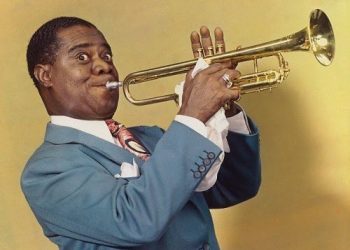
The trumpet is more than just an instrument—it’s a powerful voice that has defined genres, moved audiences, and shaped the very essence of music history. From the soulful melodies of jazz to the soaring heights of classical music, the trumpet has been wielded by some of the most extraordinary talents the world has ever known. In this article, we take a thrilling journey through time to celebrate the top 15 best trumpet players of all time—musicians who didn’t just play the trumpet but transformed it into an extension of their soul.
These legendary artists pushed the boundaries of sound, pioneering new styles and captivating the world with their sheer brilliance. Whether it’s Louis Armstrong’s groundbreaking jazz improvisations, Dizzy Gillespie’s bebop fireworks, or Miles Davis’s genre-defying innovation, each player brought something unique to the stage. Their instruments became storytellers, narrating tales of triumph, heartbreak, and unbridled passion.
Prepare to be inspired as we dive into the lives and legacies of these virtuosos. Each name on this list is a testament to the power of music to transcend time, culture, and emotion. So, grab your favorite playlist and let’s celebrate the masters of the trumpet—their music is waiting to take your breath away!
1. Louis Armstrong
Louis Armstrong, affectionately known as “Satchmo,” is one of the most influential figures in jazz history. His warm, gravelly voice, dazzling trumpet technique, and joyful stage presence made him a household name. Armstrong’s groundbreaking improvisational style redefined jazz, transforming the trumpet into a lead instrument and paving the way for future generations of musicians. Songs like What a Wonderful World, West End Blues, and La Vie En Rose showcase his ability to blend technical mastery with deep emotional expression. His iconic recordings with the Hot Five and Hot Seven set the standard for jazz soloing, while his charismatic personality helped popularize jazz worldwide. Beyond his musical genius, Armstrong was a cultural ambassador, using his artistry to break racial barriers during a turbulent time in American history. His smile, infectious energy, and signature scat singing brought joy to millions, proving that music could transcend differences and unite people. Even decades after his passing, Armstrong’s legacy endures, inspiring musicians across genres. Whether through his masterful trumpet playing, heartfelt singing, or larger-than-life persona, Louis Armstrong remains a symbol of pure musical joy and timeless innovation.
2. Miles Davis
Miles Davis was a musical innovator whose restless creativity reshaped jazz multiple times throughout his career. Unlike many artists who found a signature sound and stuck with it, Davis continuously evolved, pioneering cool jazz, modal jazz, and jazz fusion. His 1959 masterpiece, Kind of Blue, remains one of the best-selling and most revered jazz albums of all time, introducing a more open, modal approach to improvisation. Later, albums like Bitches Brew and In a Silent Way saw him experimenting with electric instruments, pushing jazz into bold, uncharted territory. Davis’s trumpet style was uniquely understated, favoring space, subtlety, and emotion over flashy technical displays. His ability to surround himself with groundbreaking musicians—from John Coltrane and Bill Evans to Herbie Hancock and Wayne Shorter—helped shape the sound of jazz for generations. His signature cool demeanor, dark sunglasses, and ever-changing musical vision made him an enigmatic and influential figure in both jazz and popular culture. Even after his passing, his impact remains profound, as artists from jazz, rock, and hip-hop continue to draw inspiration from his groundbreaking work. Miles Davis wasn’t just a musician—he was a visionary who refused to stand still.
3. Dizzy Gillespie
Dizzy Gillespie was more than just a phenomenal trumpet player—he was a pioneer, a composer, and a showman whose contributions to jazz are immeasurable. With his trademark bent trumpet, puffed cheeks, and electrifying stage presence, Gillespie helped shape the sound of bebop, a complex and virtuosic style that revolutionized jazz in the 1940s. His compositions, such as A Night in Tunisia and Manteca, combined intricate harmonies with explosive rhythms, pushing jazz into new territory. Gillespie was also instrumental in introducing Afro-Cuban jazz to the world, collaborating with percussionist Chano Pozo to infuse Latin influences into traditional jazz structures. His fast, intricate improvisations showcased an incredible command of the trumpet, demonstrating both technical brilliance and a deep sense of swing. Beyond his musical genius, Gillespie was known for his humor and charismatic personality, making him a beloved figure both on and off stage. He was also a mentor to many younger musicians, always eager to pass down his knowledge and passion for jazz. His influence can be felt in every corner of modern jazz, and his adventurous spirit continues to inspire musicians worldwide. Dizzy Gillespie was not just a legend—he was a force of nature.
4. Clifford Brown
Clifford Brown’s career was tragically short, but his impact on jazz was nothing less than extraordinary. Known for his warm, pure tone and flawless technique, Brown brought a sense of sophistication and lyricism to the hard bop era. His work with drummer Max Roach produced some of the most celebrated recordings in jazz, including classics like Joy Spring and Daahoud. Unlike many of his contemporaries, Brown avoided the pitfalls of drug addiction that plagued the jazz scene, becoming a role model for musicians who valued discipline and excellence. His improvisational style was fluid and expressive, seamlessly blending bebop’s complexity with a deep sense of melody. Albums like Study in Brown showcase his ability to craft solos that are both technically impressive and emotionally resonant. Brown’s career was cut short in 1956 when he died in a car accident at just 25 years old, leaving behind a legacy of brilliance that still influences trumpeters today. His recordings remain essential listening for jazz enthusiasts, proving that even a brief career can leave an everlasting mark. Clifford Brown’s music continues to shine, a testament to his genius and the beauty of his playing.
5. Wynton Marsalis
Wynton Marsalis is a modern jazz virtuoso who has dedicated his life to preserving and expanding the traditions of jazz. As a trumpeter, composer, and educator, Marsalis has achieved a level of excellence few can match. His technical mastery allows him to move effortlessly between jazz and classical music, making history as the first musician to win Grammy Awards in both genres in the same year. With albums like Black Codes (From the Underground) and Blood on the Fields, Marsalis has proven himself to be not only a remarkable instrumentalist but also a powerful storyteller through music. As the leader of Jazz at Lincoln Center, he has worked tirelessly to promote jazz education and celebrate its rich history. His playing is defined by its clarity, power, and deep connection to the roots of jazz, drawing inspiration from legends like Louis Armstrong and Duke Ellington while pushing the music forward. Whether performing with a full orchestra or leading a small ensemble, Marsalis brings passion and intelligence to every note. His commitment to jazz as an art form has made him one of its most important ambassadors, ensuring that the music continues to thrive for generations to come.
6. Freddie Hubbard
Freddie Hubbard was a powerhouse in the world of jazz trumpet, known for his explosive sound, technical mastery, and ability to bridge the gap between hard bop, post-bop, and fusion. His fiery improvisations, rich tone, and dazzling speed made him one of the most influential trumpeters of the 1960s and beyond. Albums like Hub-Tones and Red Clay showcase his remarkable ability to blend intricate harmonies with raw energy, producing music that is both sophisticated and deeply expressive. Hubbard played with jazz greats like Art Blakey, Herbie Hancock, and Wayne Shorter, always bringing his distinct, commanding presence to every collaboration. His trumpet lines were fluid yet aggressive, often leaping into the upper registers with a sense of urgency and excitement. Unlike some of his predecessors, who leaned into either delicate lyricism or sheer power, Hubbard managed to do both effortlessly. He was also a key player in the fusion era, contributing to records that expanded jazz’s reach into funk and R&B. Despite struggles later in his career due to lip injuries, his influence remains undeniable. His recordings continue to inspire generations of musicians, proving that his legacy is as bold and enduring as his signature sound.
7. Chet Baker
Chet Baker was the epitome of cool jazz, captivating audiences with his smooth, lyrical trumpet playing and soft, haunting vocals. Unlike the fiery virtuosos of his time, Baker’s style was understated and deeply emotional, allowing his music to convey a sense of intimacy that few could match. His interpretations of jazz standards, particularly My Funny Valentine, remain some of the most poignant recordings in jazz history. Emerging in the 1950s as a key figure in the West Coast jazz scene, Baker’s sound was defined by its breathy, delicate tone and natural, effortless phrasing. His approach to trumpet playing was melodic rather than technical, emphasizing feeling over complexity. Beyond his instrumental work, his singing added another layer to his artistry, making him one of the rare jazz musicians equally respected as a vocalist and instrumentalist. However, his personal life was marked by struggles with addiction, which often overshadowed his immense talent. Despite his troubled past, Baker’s music continues to enchant listeners with its dreamlike quality. His recordings, filled with a quiet intensity, prove that sometimes the most powerful music is not the loudest, but the most honest.
8. Arturo Sandoval
Arturo Sandoval is a trumpet virtuoso known for his blistering speed, soaring high notes, and infectious energy. Born in Cuba, Sandoval was heavily influenced by both jazz and Latin music, creating a sound that is fiery, rhythmic, and technically breathtaking. A protégé of Dizzy Gillespie, he carried on his mentor’s passion for Afro-Cuban jazz while carving out his own identity as a musician. His performances showcase an astonishing command of the trumpet, seamlessly transitioning between rapid-fire runs and beautifully expressive melodies. Tracks like A Mis Abuelos and Flight to Freedom highlight his ability to fuse traditional Cuban rhythms with modern jazz improvisation, creating a sound that is both thrilling and deeply rooted in his heritage. In addition to jazz, Sandoval is an accomplished classical musician, performing trumpet concertos with orchestras around the world. His defection from Cuba to the United States in the 1990s allowed him to fully explore his musical potential, and he quickly became one of the most respected trumpet players of his generation. Whether performing a fiery Latin jazz piece or a delicate ballad, Sandoval brings passion and precision to everything he plays, making him one of the most electrifying trumpeters in history.
9. Maynard Ferguson
Maynard Ferguson was a trumpet virtuoso renowned for his phenomenal range, electrifying performances, and groundbreaking approach to big band jazz. Known for his ability to effortlessly soar into the stratosphere of the trumpet’s upper register, Ferguson’s high-note playing became his signature. His big band arrangements were bold and exciting, blending jazz with rock and funk influences that made his music accessible to a wide audience. One of his most famous recordings, Gonna Fly Now, the theme from Rocky, cemented his place in popular culture and showcased his remarkable power and precision. Throughout his career, Ferguson was more than just a performer—he was a mentor to younger musicians, always pushing the boundaries of jazz while preserving its big band tradition. His albums, including Chameleon and Carnival, exemplify his innovative spirit and fearless approach to composition. Ferguson’s live performances were legendary, filled with energy, showmanship, and jaw-dropping musical feats. Even as he aged, his enthusiasm for music never waned, and he continued to tour and inspire new generations of trumpeters. His legacy lives on in jazz education and performance, proving that his contributions to the instrument were as towering as his soaring trumpet notes.
10. Lee Morgan
Lee Morgan was a hard bop sensation whose soulful, bluesy trumpet playing made him one of the defining jazz musicians of the 1960s. With a playing style that blended fiery intensity with rich, melodic phrasing, Morgan created some of the most infectious grooves in jazz history. His landmark album, The Sidewinder, remains a staple of the genre, featuring a title track that crossed over into mainstream popularity. Morgan’s ability to weave complex, expressive solos while maintaining an undeniable sense of swing set him apart from his contemporaries. He first gained recognition as a young prodigy playing with Art Blakey’s Jazz Messengers, where his fiery solos became a defining part of the group’s sound. Beyond The Sidewinder, his albums like Search for the New Land and Cornbread showcased his evolving artistry, as he pushed beyond hard bop into more exploratory sounds. Tragically, Morgan’s life was cut short at the age of 33, but his influence on jazz remains immense. His unique ability to balance technical brilliance with raw emotional depth ensures that his recordings continue to inspire musicians and jazz lovers alike.
11. Roy Eldridge
Roy Eldridge, affectionately known as “Little Jazz,” was a pioneering trumpet player who bridged the gap between swing and bebop. His aggressive, virtuosic playing style set the stage for future jazz greats, pushing the trumpet into new realms of expression. Eldridge’s solos were bold and fiery, often incorporating rapid-fire runs and striking melodic leaps that showcased his technical prowess. He gained widespread recognition as a member of Gene Krupa’s Orchestra, where his high-energy playing thrilled audiences and inspired fellow musicians. One of his most famous recordings, Rockin’ Chair, exemplifies his ability to blend soulful lyricism with dazzling improvisation. Eldridge was one of the first Black musicians to break racial barriers by performing in white-led big bands, paving the way for greater integration in the jazz world. His influence extended to bebop players like Dizzy Gillespie, who credited Eldridge as a major inspiration. Even as jazz evolved, Eldridge remained a powerful force, adapting his style while maintaining his fiery spirit. His contributions to jazz trumpet are undeniable, and his legacy lives on in the dynamic, high-energy playing of the generations that followed.
12. Fats Navarro
Fats Navarro was a bebop trailblazer whose smooth, effortless phrasing and impeccable technique set him apart as one of the most brilliant trumpeters of his era. His tone was rich and warm, yet his playing carried an intensity that made his solos stand out in any ensemble. Navarro was a key figure in the 1940s bebop movement, working alongside legends like Charlie Parker, Bud Powell, and Tadd Dameron. His recordings, including Nostalgia and Fat Girl, showcase his remarkable ability to blend intricate melodic ideas with dazzling speed and agility. Though his career was tragically short—he passed away at just 26 due to tuberculosis—Navarro’s impact on jazz was profound. His playing influenced generations of musicians, particularly Clifford Brown, who would carry his bebop legacy into the next decade. Unlike many of his contemporaries who leaned into aggressive, brassy tones, Navarro’s playing was marked by a smooth, almost vocal-like quality that made his improvisations feel effortless. His contributions to bebop helped shape the direction of modern jazz, and despite his brief time in the spotlight, his recordings remain essential listening for jazz enthusiasts.
13. Doc Severinsen
Doc Severinsen is best known as the flamboyant, virtuosic bandleader of The Tonight Show Starring Johnny Carson, but his influence extends far beyond television. A master of the trumpet, Severinsen’s technical brilliance, dazzling upper-register playing, and vibrant personality made him one of the most beloved musicians in jazz and pop culture. His career began in big bands during the swing era, but his versatility allowed him to thrive in multiple musical styles, from jazz to classical to pop. Severinsen’s live performances were renowned for their energy and showmanship, with his flashy outfits matching his electrifying playing. His solo albums, including Doc Severinsen and The Tonight Show Band, feature a mix of big band swing, bebop, and contemporary jazz, showcasing his extraordinary musicianship. Beyond his television fame, he remained an active performer and educator, inspiring countless young musicians to pick up the trumpet. Even well into his 90s, Severinsen continued to perform with the same passion and flair that defined his career. His legacy is one of joy, showmanship, and technical brilliance, proving that music—and life—should be played with style and enthusiasm.
14. Harry James
Harry James was one of the most celebrated trumpeters of the swing era, known for his smooth, golden tone and impeccable technique. His ability to blend jazz virtuosity with mainstream appeal made him a household name in the 1930s and 1940s. As a bandleader, James led one of the most successful big bands of the time, featuring hits like You Made Me Love You and I Had the Craziest Dream. His lyrical playing style, characterized by warm phrasing and expressive vibrato, made his solos instantly recognizable. James was also an exceptional improviser, seamlessly shifting between bold, brassy showmanship and delicate, romantic melodies. Before forming his own band, he gained national attention as a member of Benny Goodman’s orchestra, where his powerful playing stood out even among jazz giants. Beyond swing, James embraced evolving styles, adapting his sound to fit contemporary jazz and pop trends. His deep understanding of both technical precision and emotional expression allowed him to maintain a lasting presence in music. Even after the big band era faded, his influence persisted, as his recordings continued to inspire trumpet players across generations. With a career spanning more than five decades, Harry James remains a defining figure in jazz history.
15. Bix Beiderbecke
Bix Beiderbecke was a groundbreaking cornet and trumpet player whose lyrical, introspective style set him apart from his more extroverted contemporaries. A key figure in the 1920s jazz scene, Beiderbecke’s unique sound blended classical influences with jazz improvisation, resulting in a distinctively warm, flowing tone. Unlike the bold, brassy style of Louis Armstrong, Beiderbecke’s approach was more understated, relying on smooth, melodic phrasing that evoked deep emotion. His recordings, including Singin’ the Blues and In a Mist, showcase his ability to craft beautifully structured solos that feel both spontaneous and meticulously composed. Beiderbecke’s career was tragically short, as he struggled with alcoholism and passed away at just 28 years old. Despite his brief time in the spotlight, his influence on jazz was profound, inspiring musicians from Hoagy Carmichael to later cool jazz trumpeters like Chet Baker. His introspective, almost poetic approach to the trumpet helped pave the way for a more nuanced style of jazz improvisation. Beiderbecke’s legacy lives on in the delicate, expressive solos that define many of jazz’s most emotive moments, proving that subtlety and sensitivity can be just as powerful as virtuosity.

Edward Tomlin is a frequent contributor to Singers Room. Since 2005, Singersroom has been the voice of R&B around the world. Connect with us via social media below.