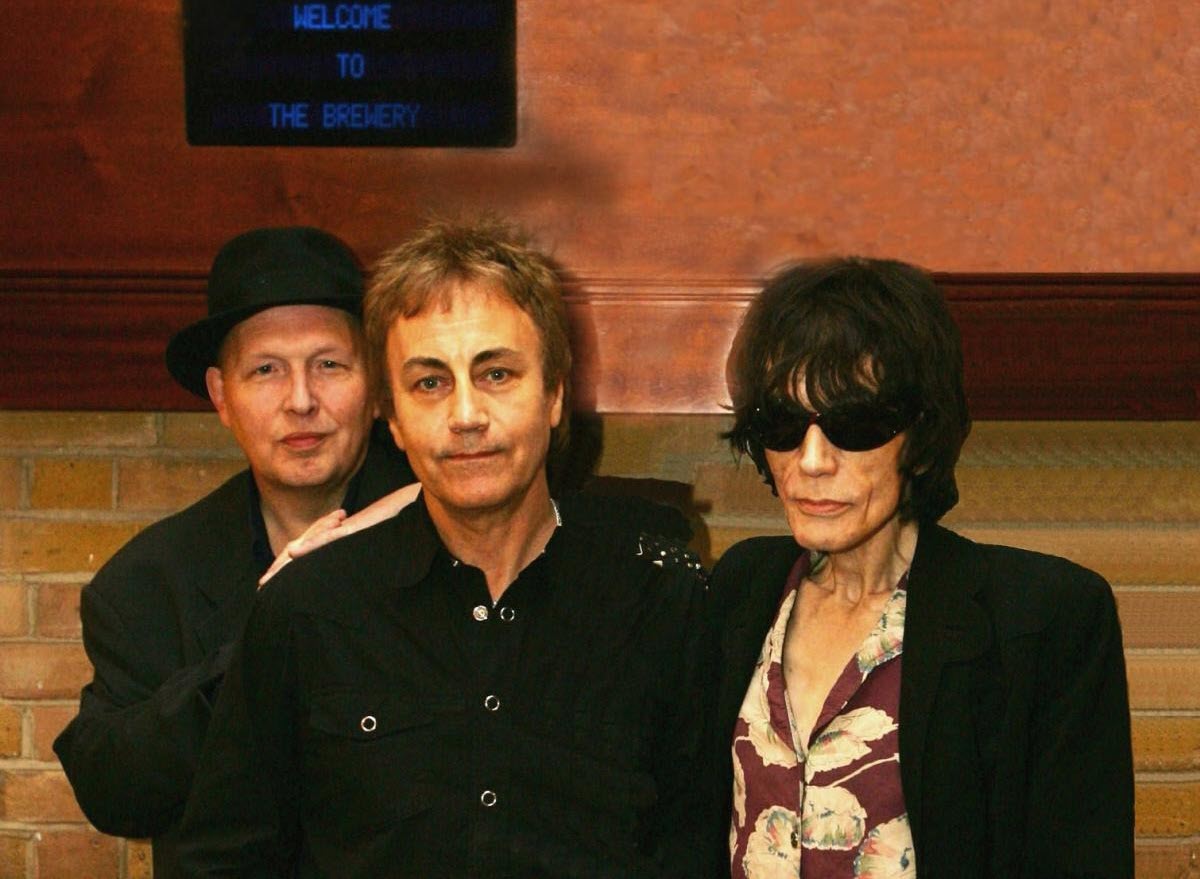
If there’s one band that perfectly encapsulates the raw energy, emotional depth, and rebellious spirit of late-70s post-punk, it’s The Only Ones. Known for their enigmatic frontman, Peter Perrett, and their seamless fusion of punk rock, power pop, and new wave, The Only Ones created a sound that continues to resonate with fans and music lovers decades later. While their discography may be modest in size, it’s packed with unforgettable songs that have earned them a devoted cult following. Their music is a heady mix of poetic lyricism, infectious melodies, and a sense of longing that feels timeless.
In this article, we’re taking a deep dive into the Top 10 Most Popular The Only Ones Songs of All Time. From their breakthrough hit “Another Girl, Another Planet” to lesser-known gems that deserve their moment in the spotlight, we’ll explore the tracks that have defined their legacy. Whether you’re an old-school fan reliving the glory days or a newcomer curious to uncover what makes this band so special, this list promises to take you on an exhilarating journey through The Only Ones’ iconic catalog. So, crank up the volume and get ready to rediscover the magic of one of post-punk’s most beloved bands!
1. Another Girl, Another Planet (1978)
Arguably The Only Ones’ defining song, Another Girl, Another Planet is a post-punk masterpiece that has only grown in stature since its release in 1978. Featured on their self-titled debut album, the track blends jangly guitars, a propulsive rhythm, and Peter Perrett’s wistful, almost detached vocals to create something truly timeless. The song’s themes of love, addiction, and escapism resonate deeply, making it one of the most emotionally charged tracks of its era.
From the opening notes, the song grips the listener with one of rock’s most iconic guitar intros—often cited as one of the greatest riffs ever recorded. John Perry’s soaring lead work adds an ethereal quality, contrasting beautifully with Perrett’s melancholic delivery. The lyrics can be interpreted in multiple ways—some hear a love song, while others recognize allusions to substance abuse and self-destruction. This duality only adds to the song’s mystique.
Though Another Girl, Another Planet wasn’t a major hit at the time, it has since been embraced as a cult classic. It remains a favorite among musicians, often covered and praised for its perfect blend of energy and emotion. A song about yearning, euphoria, and loss, it captures the magic of The Only Ones in just under four minutes.
2. The Beast (1979)
A darker and more brooding offering from The Only Ones, The Beast showcases the band’s ability to craft unsettling yet deeply compelling rock music. Released in 1979 on Even Serpents Shine, this track is a descent into the shadowy corners of the human psyche, guided by Peter Perrett’s haunted, almost whispered vocals.
The song’s atmosphere is built on a foundation of tense, moody guitar work, with John Perry and Perrett weaving an intricate, eerie melody. The bassline pulses beneath it all, adding a sense of urgency, while the drums keep a steady, foreboding beat. Unlike some of the band’s more immediate, radio-friendly tracks, The Beast takes its time, pulling the listener into its eerie, hypnotic world.
Lyrically, Perrett paints a picture of a lurking menace—whether it’s an external force or an internal struggle is left ambiguous. The song’s cryptic nature only adds to its mystique, making it one of the most intriguing tracks in The Only Ones’ catalog. A slow burn compared to their more energetic numbers, The Beast stands as proof of their depth and ability to create music that lingers long after the last note fades.
3. Out There in the Night (1979)
Out There in the Night is a prime example of The Only Ones’ ability to craft a song that is both exhilarating and unsettling. Released on their 1979 album Even Serpents Shine, the track combines a driving rock beat with an undercurrent of eerie tension, capturing the excitement and unpredictability of life after dark.
The song’s energy is immediate, driven by sharp, jangly guitars and an insistent rhythm that pushes it forward. Peter Perrett’s vocals, delivered in his signature laid-back yet emotionally charged style, add to the song’s intrigue. His lyrics evoke a sense of restlessness, with themes of danger, longing, and the unknown lurking beneath the surface.
Despite its upbeat tempo, there’s an undeniable melancholy woven into the track. It’s a song about searching—whether for meaning, connection, or simply a thrill—and the uncertainty that comes with stepping into the night. Out There in the Night is one of those tracks that begs to be played loud, capturing both the excitement and unease of a world that never sleeps.
4. Lovers of Today (1977)
The Only Ones made their debut in 1977 with Lovers of Today, a song that perfectly encapsulates their unique blend of raw emotion and poetic melancholy. Released as their first single, this track immediately set them apart from the punk explosion of the time, proving that their sound was more nuanced, more introspective, and deeply personal.
From the moment Peter Perrett’s fragile, yearning voice enters, there’s an undeniable vulnerability to the song. The lyrics feel almost like a confession—Perrett’s words speak of disillusionment with love and life, but also of an unshakable desire to feel something real. The band’s restrained instrumentation only enhances the song’s intimacy. The guitar work is delicate yet effective, weaving subtle melodies that complement Perrett’s aching delivery.
Unlike the aggressive, fast-paced anthems that defined punk in the late ’70s, Lovers of Today moves at a slower, more reflective pace. This contrast only makes it more powerful, standing as a testament to the band’s ability to create music that feels deeply personal yet universally relatable. For many fans, this is the song where The Only Ones’ magic truly began—a melancholic, beautiful piece that lingers in the heart long after it ends.
5. Why Don’t You Kill Yourself? (1978)
With a title as provocative as Why Don’t You Kill Yourself?, The Only Ones made it clear they weren’t interested in playing it safe. Released on their 1978 debut album, this track is as biting as it is infectious, blending a sharp-edged cynicism with one of the band’s most instantly memorable melodies.
Beneath its confrontational title lies a song filled with dark humor, social critique, and an unmistakable sense of defiance. Peter Perrett’s lyrics, delivered with his usual detached cool, take aim at the expectations and pressures imposed by society. It’s not an encouragement toward self-destruction but rather a scathing observation of the absurdity of modern life.
Musically, the song is an uptempo burst of energy, with bright, chugging guitars and a bouncy rhythm that contrast sharply with its bleak subject matter. This juxtaposition is part of what makes the track so compelling—it’s catchy enough to sing along to, yet its meaning cuts deep. Why Don’t You Kill Yourself? is classic Only Ones: subversive, thought-provoking, and effortlessly cool.
6. Miles From Nowhere (1979)
A haunting and introspective piece, Miles From Nowhere stands as one of The Only Ones’ most emotionally resonant tracks. Released in 1979 on Even Serpents Shine, the song is a slow-burning meditation on isolation, longing, and the passage of time.
The instrumentation is sparse yet atmospheric, with gentle guitar work and a steady, understated rhythm section that allows Peter Perrett’s voice to take center stage. His delivery is particularly poignant here—soft, weary, and filled with a deep sense of yearning. The lyrics paint a picture of someone lost, both physically and emotionally, drifting through life without a clear destination. It’s a theme that Perrett would return to often in his songwriting, but Miles From Nowhere captures it in one of its purest forms.
There’s a hypnotic quality to the track, as if it’s pulling the listener deeper into its melancholic world with each passing second. While The Only Ones were capable of delivering high-energy rock songs, Miles From Nowhere proves their mastery of the slow, emotionally weighty ballad. It’s a song that lingers long after it ends, leaving behind a sense of quiet reflection.
7. You’ve Got to Pay (1978)
If there’s one thing The Only Ones did well, it was crafting sharp, infectious songs with a message, and You’ve Got to Pay is a prime example. Released on their 1978 debut album, the track is a high-energy rocker with a biting edge, showcasing the band’s ability to mix punk attitude with classic songwriting chops.
The song bursts to life with driving guitars and an urgent rhythm, setting the stage for Peter Perrett’s distinctive vocals. His delivery is full of cool detachment, yet there’s an undeniable intensity beneath the surface. The lyrics speak of consequences, of debts that must eventually be settled—whether in love, life, or society as a whole. There’s a feeling of inevitability in Perrett’s words, making the song feel both personal and universal.
Musically, You’ve Got to Pay is one of the band’s more direct, riff-driven tracks. It moves with a sense of momentum that makes it impossible to ignore, powered by tight musicianship and an irresistibly catchy chorus. It’s a song that demands attention, both for its lyrical sharpness and its undeniable energy.
8. Someone Who Cares (1979)
A strikingly vulnerable moment in The Only Ones’ catalog, Someone Who Cares is a song that showcases the band’s softer, more introspective side. Released on their 1979 album Even Serpents Shine, the track trades the band’s usual energy and swagger for something more subdued and heartfelt.
Peter Perrett’s vocals are particularly delicate here, carrying a quiet sadness that makes the song feel deeply personal. His lyrics speak of loneliness, longing, and the desperate search for connection. Unlike many of the band’s more cynical tracks, Someone Who Cares feels almost like a plea—an honest admission of emotional exhaustion and the need for understanding.
The instrumentation is subtle yet effective, with gentle guitar work and a slow, measured tempo that allows every word to resonate. There’s an aching beauty to the melody, and as the song unfolds, it builds just enough to create a sense of release without ever losing its intimacy.
While The Only Ones are often remembered for their more energetic and rebellious songs, Someone Who Cares proves that they were just as capable of crafting deeply emotional, soul-searching music. It’s one of their most underrated gems—a song that lingers in the heart long after it ends.
9. No Peace for the Wicked (1978)
If there’s one song that encapsulates The Only Ones’ rebellious spirit, it’s No Peace for the Wicked. Released on their 1978 debut album, the track is a fiery statement of defiance, fueled by frustration and disillusionment.
From the very first chords, the song bursts to life with an urgent energy. The guitars are sharp and driving, the rhythm section relentless, and Peter Perrett’s vocals filled with a sneering intensity. The lyrics paint a picture of a world where peace is hard to come by, where injustice and struggle seem inescapable. It’s a theme that resonated deeply with the punk and post-punk movements of the time, but The Only Ones approach it with their own unique flair.
What makes No Peace for the Wicked stand out is its perfect balance between raw energy and thoughtful songwriting. The melody is undeniably catchy, and the song’s structure allows for moments of both chaos and control. It’s a track that feels like both an anthem and a warning—a reminder that in a flawed world, peace is often elusive.
Decades later, No Peace for the Wicked still feels just as relevant, standing as one of The Only Ones’ most powerful and enduring songs.
10. The Big Sleep (1979)
A haunting closer to Even Serpents Shine, The Big Sleep is a song that lingers in the listener’s mind long after it ends. Released in 1979, this track is one of The Only Ones’ most melancholic and introspective pieces, dealing with themes of loss, detachment, and the inevitability of change.
From the first notes, there’s a dreamlike quality to the song. The guitar work is atmospheric and restrained, creating an almost hypnotic effect. Peter Perrett’s voice, weary yet captivating, drifts over the music like a ghost, delivering lyrics that feel both deeply personal and universally relatable. The song’s title itself is a reference to death or an eternal rest, adding to its haunting nature.
What makes The Big Sleep so powerful is its ability to create a mood—there’s a sense of finality to it, as if the song is closing a chapter not just for the album, but for something greater. The arrangement remains understated throughout, allowing the emotion in Perrett’s voice to take center stage. It’s a song that doesn’t need to shout to be heard; its quiet sadness speaks volumes.
For fans of The Only Ones, The Big Sleep stands as one of their most moving and unforgettable tracks—a song that captures the beauty in melancholy and the poetry in letting go.

Edward Tomlin is a frequent contributor to Singers Room. Since 2005, Singersroom has been the voice of R&B around the world. Connect with us via social media below.









