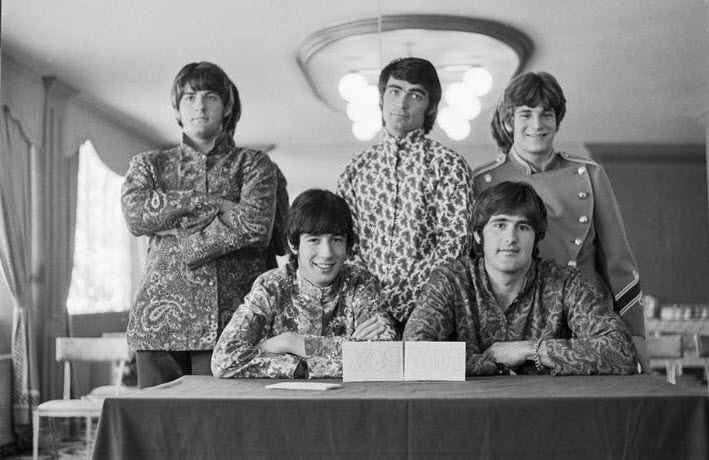
The Box Tops, a groundbreaking band from the late 1960s, defined an era with their soulful blend of rock and pop. Hailing from Memphis, Tennessee, their music resonated with listeners around the globe, earning them a place in the hearts of fans for generations. With Alex Chilton’s rich, emotive voice leading the charge, The Box Tops delivered songs that were not just hits but cultural milestones. Their tracks captured the spirit of youthful longing, love, and rebellion, wrapped in melodies that remain unforgettable to this day.
From chart-topping classics like The Letter to hidden gems that showcase the band’s versatility, The Box Tops left an indelible mark on the music world. Their blend of soulful grooves, heartfelt lyrics, and infectious hooks made them a pivotal force during the golden age of rock and roll. Whether you’re a longtime fan or discovering their magic for the first time, their music has a way of pulling you in and refusing to let go.
In this article, we’ll take a nostalgic journey through the top 10 most popular Box Tops songs of all time. Get ready to rediscover the hits that helped define a generation—and perhaps fall in love with them all over again!
1. The Letter (1967)
The Letter is undoubtedly The Box Tops’ signature hit and one of the defining tracks of the 1960s. Released in 1967, the song became an instant sensation, soaring to No. 1 on the Billboard Hot 100 and securing its place in rock history. What makes this track so remarkable is its brevity—clocking in at just under two minutes—yet it packs an emotional punch that few songs of its era could match.
At the heart of The Letter is Alex Chilton’s raw, soulful voice. Amazingly, he was only 16 years old at the time, yet his husky, mature vocals gave the song a world-weary depth that resonated with audiences. The lyrics tell a story of longing and urgency, as the protagonist receives a letter from his lover and is desperate to get back to her. The famous opening line, “Give me a ticket for an aeroplane,” immediately pulls the listener into this emotional journey.
Musically, the song’s tight arrangement, punchy rhythm, and driving organ lines create an infectious energy that made it unforgettable. The Letter was The Box Tops’ biggest hit, and its enduring appeal is evident in the numerous covers by artists like Joe Cocker and Leon Russell. Even decades later, it remains a classic of the blue-eyed soul and pop-rock genres.
2. Cry Like a Baby (1968)
Following the massive success of The Letter, The Box Tops proved they weren’t just a one-hit wonder with Cry Like a Baby in 1968. This song became another major hit, reaching No. 2 on the Billboard Hot 100, and further cementing the band’s reputation for delivering emotionally charged, soulful pop music.
Unlike the brisk, urgent pacing of The Letter, Cry Like a Baby unfolds at a more deliberate, groove-driven tempo. The track’s standout feature is its hypnotic electric sitar riff, which gives it a distinctive psychedelic edge while still maintaining its deep soul roots. Alex Chilton’s voice is once again the focal point, delivering a passionate performance filled with regret and heartache. The lyrics paint the picture of a man who once felt invincible in love but now finds himself broken and vulnerable, reduced to tears after losing someone special.
The song’s arrangement blends brass, organ, and rhythm guitar seamlessly, creating a rich soundscape that elevates its emotional weight. Cry Like a Baby was one of The Box Tops’ last big chart successes, but its infectious melody and heartfelt lyrics have ensured its place as a timeless favorite among soul-pop fans.
3. Soul Deep (1969)
Released in 1969, Soul Deep brought an irresistible, feel-good energy to The Box Tops’ catalog. The song blends pop, R&B, and blue-eyed soul influences into a lively, danceable tune that stands out among the band’s best work. Though it didn’t reach the same commercial heights as their earlier hits, Soul Deep still cracked the Top 20 on the Billboard Hot 100 and remains a fan favorite.
One of the song’s defining features is its jubilant brass section, which adds an extra layer of warmth and vibrancy. The lyrics speak of an overwhelming, all-consuming love, with Chilton singing, “Darlin’, I don’t know much, I know I love you so much.” His voice, filled with sincerity and passion, perfectly conveys the euphoria of being deeply in love.
The track’s upbeat tempo and catchy chorus make it an instant mood booster, and its rich instrumentation highlights The Box Tops’ ability to craft songs that make listeners both feel and move. Over the years, Soul Deep has been covered by various artists, further proving its lasting appeal. It remains a testament to The Box Tops’ ability to deliver emotionally charged, infectious music that stands the test of time.
4. Neon Rainbow (1967)
Released in 1967, Neon Rainbow is one of The Box Tops’ most poetic and visually evocative songs. Unlike their grittier, more urgent hits, this track takes a more atmospheric and dreamy approach, painting a vivid portrait of life in the city under the glow of neon lights.
The song opens with gentle guitar chords and a laid-back groove, setting the tone for its introspective lyrics. Chilton’s voice carries a wistful, almost longing quality as he sings about the contrast between the beauty and loneliness of urban life. Lines like “The city lights, the pretty lights, they can warm the coldest nights” capture the duality of excitement and isolation that many experience in big cities.
Musically, Neon Rainbow is rich with layered harmonies and lush instrumentation, including sweeping organ melodies that enhance its dreamy quality. While it wasn’t as commercially successful as The Letter, the song became a cult favorite among fans of 1960s pop and soul. It remains one of The Box Tops’ most artistic and emotionally resonant tracks, showcasing their depth beyond the typical love song formula.
5. I Met Her in Church (1968)
I Met Her in Church is a soulful, gospel-influenced track that highlights The Box Tops’ ability to fuse pop with deeper, more spiritual undertones. Released in 1968, the song stands out for its rich, layered harmonies and powerful instrumentation, creating a sound that is both uplifting and deeply emotive.
The lyrics tell a simple but touching story of love found in an unexpected place—within the walls of a church. Chilton’s passionate delivery makes the emotions feel genuine, as if he’s reliving the moment himself. The gospel-style backing vocals add a sense of grandeur, giving the track a stirring, almost hymn-like quality.
Instrumentally, the song is driven by a steady rhythm section, vibrant organ melodies, and bursts of brass that add to its joyful energy. While not as widely recognized as some of the band’s bigger hits, I Met Her in Church remains a hidden gem, showcasing their versatility and depth as artists. It’s a track that blends spirituality with romance, making it a unique entry in The Box Tops’ discography and a favorite among those who appreciate soulful storytelling.
6. Choo Choo Train (1968)
Released in 1968, Choo Choo Train is one of The Box Tops’ most playful and energetic tracks. With its lively rhythm, infectious chorus, and rolling beat, the song captures the excitement of a journey, both literal and metaphorical. The band infuses the track with a sense of motion, making it feel as if the listener is right there on the train, heading toward something exciting and unknown.
Alex Chilton’s vocals are full of enthusiasm and urgency, adding a sense of adventure to the lyrics. The song tells the story of someone eager to reunite with a loved one, using the imagery of a train as a symbol of anticipation and longing. The driving beat and catchy melody make Choo Choo Train an instant sing-along anthem, one that’s hard to resist tapping your foot to.
Musically, the song leans into a fun mix of pop and rock elements, with a bouncy bassline and bright instrumental flourishes. While it may not have been as massive as The Letter or Cry Like a Baby, it remains one of The Box Tops’ most spirited recordings. Decades later, Choo Choo Train still brings a sense of joy and nostalgia, reminding listeners of a time when music could be both simple and deeply infectious.
7. Sweet Cream Ladies, Forward March (1968)
One of the more unusual and intriguing songs in The Box Tops’ catalog, Sweet Cream Ladies, Forward March was released in 1968 and immediately stood out for its satirical lyrics and marching rhythm. The song’s title and lyrics appear to be a playful yet pointed commentary on societal norms and gender roles, making it a unique entry in the band’s repertoire.
The track is built around a steady, almost parade-like beat, giving it a whimsical yet driving energy. Chilton’s smooth but expressive vocals carry the song’s tongue-in-cheek message, while the bright brass section and layered harmonies add to its theatrical feel. Unlike some of their more straightforward love songs, Sweet Cream Ladies, Forward March takes a more narrative approach, telling a story that invites listeners to interpret its meaning in different ways.
Though it didn’t achieve the same level of commercial success as some of the band’s biggest hits, the song has gained recognition for its clever wordplay and distinctive sound. It remains a testament to The Box Tops’ willingness to push creative boundaries and experiment with different styles and themes in their music.
8. Turn on a Dream (1969)
Released in 1969, Turn on a Dream is a beautifully arranged ballad that showcases the softer, more romantic side of The Box Tops. The song creates a dreamlike atmosphere, with lush instrumentation and sweeping melodies that transport listeners to a world of longing and devotion.
Chilton’s vocals are at their most tender here, conveying a sense of deep emotion and sincerity. The lyrics describe a love that feels almost surreal, as if it exists outside of time and reality. Lines like “Turn on a dream and love will come true” evoke a sense of hopeful escapism, making the song feel like a lullaby for the lovelorn.
Musically, the song features gentle guitar work, a warm orchestral backdrop, and delicate harmonies that add to its ethereal quality. While it may not be as immediately recognizable as some of the band’s upbeat hits, Turn on a Dream remains one of their most poignant and underrated tracks. It’s a testament to The Box Tops’ ability to balance raw, soulful energy with heartfelt sentimentality, proving that their musical range extended far beyond their most famous singles.
9. Fields of Clover (1967)
Fields of Clover is a hidden gem from The Box Tops’ 1967 debut album, offering a softer and more reflective contrast to their more well-known hits. With its gentle melody, poetic lyrics, and warm instrumentation, the song captures a sense of nostalgia and longing that makes it a standout for fans who appreciate the band’s more introspective side.
The lyrics paint a vivid picture of love and nature, using the imagery of a peaceful field as a metaphor for simpler, happier times. Chilton’s vocals carry a wistful tone, adding depth to the song’s themes of yearning and remembrance. His delivery feels personal, as if he’s reminiscing about a love that remains just out of reach.
Musically, Fields of Clover leans into folk influences, with its soft acoustic guitar and subtle orchestral flourishes. The track’s slower tempo and delicate arrangement allow the lyrics to take center stage, making it one of the band’s most poetic offerings. Though it never reached the commercial heights of their biggest singles, Fields of Clover remains a fan favorite, cherished for its heartfelt storytelling and evocative atmosphere.
10. Trains and Boats and Planes (1967)
Originally written by Burt Bacharach and Hal David, Trains and Boats and Planes is a classic song about the pain of long-distance love, and The Box Tops’ 1967 rendition adds a raw, soulful touch to this timeless theme. While the song had already been recorded by other artists, The Box Tops infused it with their signature blend of blue-eyed soul and pop-rock, making it one of the more emotionally charged versions of the track.
Chilton’s vocals shine in this rendition, capturing the ache of separation and longing with remarkable sincerity. His delivery is rich with emotion, making the listener feel the weight of the distance between lovers. The song’s lyrics describe various modes of travel—trains, boats, and planes—as symbols of both connection and separation, emphasizing how love can be challenged by physical space.
Musically, the track retains a simple yet poignant arrangement, with gentle instrumentation that allows the lyrics to remain the focal point. The song’s melancholic melody and heartfelt delivery make it a fitting closer for this list, encapsulating The Box Tops’ ability to convey deep emotion through their music. Even decades later, Trains and Boats and Planes continues to resonate with anyone who has ever felt the pain of being far away from someone they love.

Edward Tomlin is a frequent contributor to Singers Room. Since 2005, Singersroom has been the voice of R&B around the world. Connect with us via social media below.









