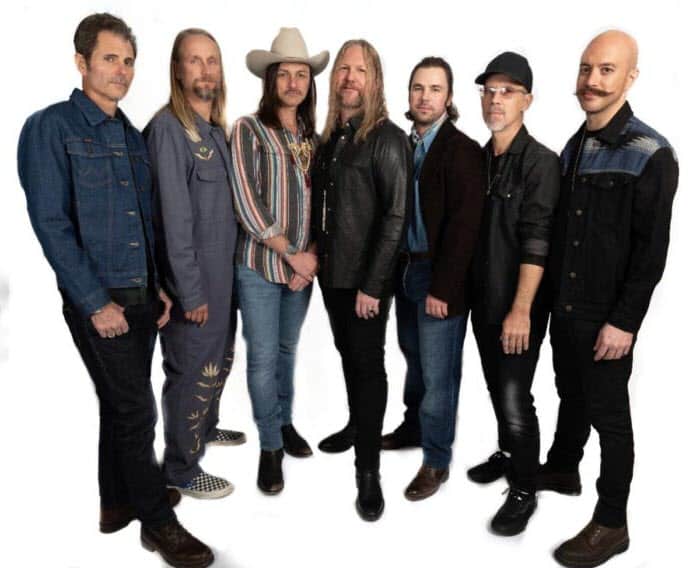
When you think of Southern rock, one name stands tall among the legends—The Allman Brothers Band. Fusing blues, jazz, and rock into a soulful sound that became their hallmark, this iconic band has left an indelible mark on the world of music. From their blistering guitar solos to their impassioned lyrics, The Allman Brothers Band captured the spirit of a generation, creating a legacy that continues to resonate with fans old and new. With a career spanning over four decades, they became synonymous with musical innovation, live jam sessions, and heartfelt storytelling.
In this article, we take a deep dive into the top 10 most popular songs that define The Allman Brothers Band. These tracks represent the essence of their artistry, from the hauntingly beautiful melodies to the electrifying, foot-stomping energy of their live performances. Whether you’re a long-time fan or new to their sound, these songs encapsulate why The Allman Brothers Band is celebrated as a cornerstone of American music. So grab your headphones, crank up the volume, and get ready to revisit the harmonized guitar riffs, soulful vocals, and timeless lyrics that made this legendary band unforgettable. Let the music take you on a journey you’ll never forget!
1. “Whipping Post” (1969)
Released in 1969, “Whipping Post” became the Allman Brothers Band’s signature anthem, embodying the raw emotion that would come to define their sound. The track opens with a haunting bassline that sets the tone for what is to come—a musical journey through heartbreak, pain, and the agony of betrayal. With Gregg Allman’s impassioned vocals at the forefront, the song delves into the emotional depths of a troubled relationship, where the narrator reflects on the cruel toll of being mistreated. The anguish in Gregg’s voice pulls the listener in, making it clear that this song is not just another tune—it’s a cathartic release.
What really sets “Whipping Post” apart, though, is the band’s ability to turn it into a live performance masterpiece. Known for its extended jams, the song allowed the Allman Brothers to showcase their virtuosity. The intricate instrumental sections feature dueling guitars, masterful drumming, and dynamic bass lines that shift the track’s energy and direction, keeping audiences riveted. These live renditions could stretch for upwards of 20 minutes, as the band took every opportunity to explore new musical landscapes and push their improvisational limits. It was in these moments that the band truly came alive, making each performance of “Whipping Post” a unique experience for both the musicians and the fans.
“Whipping Post” remains a defining track of Southern rock, capturing its essential qualities: raw emotion, powerful musicianship, and a sense of rebellion against life’s injustices. Its influence is still felt today, making it not just a fan favorite but also a crucial piece of rock history.
2. “Midnight Rider” (1970)
“Midnight Rider,” released in 1970 as part of the Idlewild South album, is a track that effortlessly blends soul, country, and Southern rock to create a timeless classic. The song tells the story of a relentless wanderer—a person determined to keep moving forward despite the hardships and trials of life. Gregg Allman’s raspy, yet soulful voice adds an extra layer of grit to the narrative, turning what could have been a simple song about travel into a poignant anthem for the weary and resilient.
The song’s atmosphere is set by its laid-back groove and steady rhythm, immediately drawing listeners into its reflective mood. The smooth, almost hypnotic feel of the song is enhanced by the gentle strumming of the acoustic guitar, giving it a sound that feels both nostalgic and timeless. Allman’s vocal delivery is passionate, yet tinged with vulnerability, capturing the internal struggle of the protagonist as they traverse the unknown, always searching for something more but never fully able to escape their past.
“Midnight Rider” speaks to the universal themes of struggle and perseverance. The lyrics, with lines like “I’ve got one more silver dollar,” evoke the image of someone who has been beaten down by life but continues to push forward, refusing to give up. The melody, simple yet profound, mirrors this journey of perseverance, with its understated beauty offering solace in its quiet strength.
For fans of the Allman Brothers Band, “Midnight Rider” is more than just a song—it’s a testament to the power of resilience, both in life and in music. The track’s introspective lyrics, combined with its effortlessly cool vibe, make it one of the band’s most beloved songs, continuing to resonate with listeners long after its release.
3. “Ramblin’ Man” (1973)
Released in 1973 on the Brothers and Sisters album, “Ramblin’ Man” is one of the Allman Brothers Band’s most enduring songs. Written and sung by guitarist Dickey Betts, the track stands apart from much of the band’s catalog with its upbeat tempo and strong country influences. It was a departure from the band’s earlier blues-rock style, blending the sounds of Southern rock with elements of traditional country and honky-tonk. The result is a high-energy anthem celebrating the wandering spirit of the American South.
The song’s infectious melody and catchy chorus make it immediately recognizable, with Betts’ vocals delivering the narrative of a man who cannot settle down, forever roaming and searching for something that always seems just out of reach. The upbeat nature of the song contrasts with its bittersweet message, offering a glimpse into the life of a “ramblin’ man” who, despite his carefree nature, is burdened by a deep sense of loss and longing.
What truly makes “Ramblin’ Man” stand the test of time is its universal theme: the search for freedom and the inevitable loneliness that often accompanies it. While the lyrics may speak of the joys and freedom of roaming, there’s an underlying sense of melancholy in Betts’ delivery, suggesting that freedom is not always as fulfilling as it seems. Musically, the song features a standout guitar riff, with Betts’ nimble playing driving the song forward, while the entire band contributes to its lively and full-bodied sound.
“Ramblin’ Man” became the Allman Brothers Band’s highest-charting single, and it’s easy to understand why. Its catchy, feel-good vibe, combined with its deeper existential themes, makes it one of their most accessible and memorable songs. It’s a perfect example of the band’s ability to blend Southern rock with other genres, all while staying true to their roots.
4. “Jessica” (1973)
“Jessica,” the instrumental masterpiece that debuted on the 1973 album Brothers and Sisters, is a shining example of the Allman Brothers Band’s musical dexterity and their ability to create something both complex and deeply moving without a single word. Written by guitarist Dickey Betts, the song is an upbeat, joyous celebration of life, love, and music, driven by a flowing melody that weaves its way through various musical landscapes.
The song’s beauty lies in its simplicity and intricate arrangements. It opens with a lively guitar riff that sets the pace for the rest of the track. The interplay between Betts’ lead guitar and the rest of the band, particularly the rhythm section and second guitar, creates a rich, layered sound that feels as though it’s constantly in motion. The melodies shift, twist, and evolve, creating a sense of momentum that is both exhilarating and soothing. The upbeat tempo and rhythmic drive evoke a sense of freedom, while the harmonies provide an almost meditative quality, making it impossible to sit still while listening.
“Jessica” is a testament to the Allman Brothers Band’s improvisational skill and their ability to communicate deep emotion through instrumental music. The song has become synonymous with joy and celebration, often played at parties, events, and celebrations because of its uplifting energy. It’s a song that resonates with anyone who appreciates the beauty of music as a universal language. The track’s Grammy win only cemented its place as one of the band’s most iconic pieces, proving that sometimes words aren’t necessary to convey the most powerful emotions.
As one of the Allman Brothers Band’s most beloved instrumentals, “Jessica” continues to inspire generations of musicians and listeners alike. It captures the essence of Southern rock while pushing the boundaries of what the genre can achieve, making it a timeless classic in the band’s catalog.
5. “Melissa” (1972)
“Melissa,” a soulful ballad penned by Gregg Allman long before the formation of the Allman Brothers Band, found its place on their 1972 album Eat a Peach. The song is a tender, emotional expression of love and longing, featuring an acoustic guitar arrangement that beautifully complements Allman’s heartfelt, soulful vocals. It’s a song that exudes vulnerability and sincerity, capturing the complexity of romantic relationships in a way that feels both personal and universal.
The track opens with a soft, gentle guitar strum that sets the stage for Allman’s distinctive voice to take center stage. His delivery is full of longing, and every note is saturated with emotion. The song’s lyrics, with lines like “Melissa, you’re the lady who’s waiting for me,” paint a picture of unrequited love, devotion, and yearning. The simplicity of the arrangement, which allows the emotional weight of the song to shine through, makes “Melissa” a powerful ballad that resonates deeply with listeners.
What makes “Melissa” particularly special is its sense of intimacy. The song feels like a conversation between the singer and the person they are singing to, making it feel personal and relatable. While the song’s lyrical content speaks to a specific love, its themes of longing and devotion are universal. The subtle yet powerful instrumentation, combined with Allman’s soulful delivery, creates a mood that’s perfect for reflection and quiet contemplation.
“Melissa” has since become one of the Allman Brothers Band’s most cherished songs. Its quiet beauty, emotional depth, and sincere portrayal of love make it a standout track on Eat a Peach and an enduring classic in the band’s catalog. It’s a song that, even decades after its release, continues to resonate with fans old and new.
6. “In Memory of Elizabeth Reed” (1970)
First released in 1970 on the Idlewild South album, “In Memory of Elizabeth Reed” is a mesmerizing instrumental that stands as a testament to the Allman Brothers Band’s ability to fuse rock with jazz and blues influences. Written by guitarist Dickey Betts, the song was inspired by a woman he admired, and its intricate musical structures pay homage to her spirit and the complexities of human emotion. What makes this track stand out is its remarkable ability to convey deep emotion and narrative without the need for a single word of lyrics. The song is a sonic journey, one that evolves and shifts throughout its length, capturing the band’s improvisational mastery.
The track begins with a bluesy guitar riff, setting the stage for what will become a dynamic and multifaceted composition. The guitar interplay between Betts and Duane Allman is a highlight, with each player weaving complex lines that complement each other, creating a rich, textured sound. The rhythm section, with its driving bass and subtle drumming, provides a solid foundation, allowing the guitars to explore and soar. The song goes through several distinct sections, each with its own mood and feel—sometimes laid-back and introspective, other times energetic and fiery—keeping the listener engaged from start to finish.
One of the song’s key features is its ability to shift seamlessly between different musical genres, incorporating elements of jazz improvisation, blues licks, and rock energy. The track’s changing dynamics—from quiet, reflective moments to soaring guitar solos—highlight the band’s virtuosity and their ability to create a compelling narrative through instrumental music. It’s a true representation of the band’s genre-defying sound, merging technical precision with an emotional, free-flowing spirit.
“In Memory of Elizabeth Reed” remains a cornerstone of the Allman Brothers Band’s legacy. The track’s intricate arrangements and masterful musicianship have ensured its place in rock history, and it continues to be a fan favorite. The song’s unique blend of jazz-inspired improvisation and rock energy solidified the Allman Brothers as one of the most innovative bands of their time.
7. “Blue Sky” (1972)
Released on the Eat a Peach album in 1972, “Blue Sky” is a radiant celebration of life, love, and the sheer joy of being alive. Written by guitarist Dickey Betts, the song was inspired by his wife and serves as a love letter to her. With its sunny, optimistic tone and uplifting melodies, “Blue Sky” is one of the Allman Brothers Band’s most beloved songs. The track features intricate guitar harmonies between Betts and Duane Allman, whose performances combine to create one of the most memorable musical moments in Southern rock.
The song opens with a gentle, almost serene guitar intro, setting the mood for what is a feel-good anthem that never fails to bring a smile to the listener’s face. Betts’ melodic guitar work, which is both intricate and accessible, guides the song through its upbeat tempo and infectious rhythms. The dual guitar harmonies between Betts and Duane Allman are nothing short of magical, with each guitarist playing off the other, creating a dynamic, layered sound that feels expansive and joyful. The song’s guitar-driven instrumental sections are complemented by Gregg Allman’s smooth, soulful vocals, which add a touch of warmth and intimacy to the track.
The lyrics of “Blue Sky” convey a sense of carefree happiness, with lines like “I’m so glad you’re mine,” reflecting the joy and gratitude Betts felt for his partner. The combination of the song’s upbeat, bright melodies and the heartfelt lyrics makes it an enduring classic, capturing the essence of Southern rock in its purest form.
“Blue Sky” is a song that continues to resonate with fans, thanks to its message of optimism and its stunning guitar work. It’s a perfect example of the Allman Brothers Band’s ability to create music that’s not only technically impressive but also emotionally impactful. The track remains a high point of their catalog and is a staple of their live performances, where it always elicits a positive, celebratory response from the audience.
8. “One Way Out” (1972)
Recorded live in 1972, “One Way Out” is a high-energy blues-rock anthem that encapsulates the Allman Brothers Band’s ability to blend electrifying musicianship with gritty, raw emotion. The track is a cover of a song originally written by blues legend Sonny Boy Williamson II, but the Allman Brothers’ rendition adds their signature touch, turning it into an all-out jam session filled with slide guitar brilliance and a hard-driving rhythm section. The energy and chemistry between the band members are palpable, creating an exhilarating experience for listeners.
The song opens with a fast-paced guitar riff that sets the tone for the high-octane performance that follows. Gregg Allman’s fiery vocal delivery complements the song’s raw energy, with his voice cutting through the instrumentation like a hot knife through butter. The track’s lyrical content tells the story of a man who finds himself cornered, with no way out of his current situation, adding a sense of urgency to the song. This feeling of being trapped is amplified by the band’s intense, relentless musical style, with the guitars and rhythm section driving the song forward at full throttle.
What makes “One Way Out” such a thrilling track is its improvisational nature. During live performances, the band would stretch the song out into extended jams, allowing each member to showcase their virtuosity. The interplay between Duane Allman’s slide guitar and Dickey Betts’ lead lines is especially noteworthy, with the two guitarists trading licks in a way that sounds like a musical conversation. These live performances could last up to 10 minutes or more, with the band exploring new musical directions each time.
“One Way Out” remains a quintessential live performance staple for the Allman Brothers Band. Its fiery energy, dynamic musicianship, and relentless rhythm make it a track that still ignites crowds, demonstrating the band’s incredible ability to connect with audiences through their electrifying live performances.
9. “Statesboro Blues” (1971)
“Statesboro Blues” is a standout track on the Allman Brothers Band’s 1971 live album At Fillmore East, and it helped solidify the band’s reputation as pioneers of blues-rock. The song is a cover of Blind Willie McTell’s classic blues track, but the Allman Brothers’ version brings their unique Southern rock sensibilities to the fore, transforming it into a fiery, electrifying anthem. The band’s rendition is powered by Duane Allman’s legendary slide guitar work, which adds a distinctively soulful and gritty flavor to the song, making it one of their most memorable performances.
The song begins with a driving, relentless rhythm that immediately grabs the listener’s attention. Duane Allman’s slide guitar is front and center, adding a raw, emotive quality to the track. Gregg Allman’s vocals, soulful and full of conviction, further elevate the song, capturing the pain and longing embedded in the lyrics. The track’s lyrics tell the story of a man struggling with heartbreak and regret, and the Allman Brothers’ rendition brings this emotional depth to life, amplified by their dynamic performance.
The real highlight of “Statesboro Blues” is the band’s ability to take a traditional blues song and inject it with their own unique sound. The interplay between Duane Allman’s slide guitar and Dickey Betts’ lead guitar is nothing short of mesmerizing, creating a powerful, electrifying dynamic that propels the song forward. The rhythm section, too, plays an integral role, with the bass and drums providing a steady foundation that allows the guitars to soar.
“Statesboro Blues” is a perfect example of the Allman Brothers Band’s ability to breathe new life into a classic song while staying true to their roots. Their rendition of this blues standard remains one of the most iconic tracks in their catalog, and its enduring popularity is a testament to the band’s ability to capture the heart and soul of the blues while making it their own.
10. “Ain’t Wastin’ Time No More” (1972)
“Ain’t Wastin’ Time No More” opens the Eat a Peach album with a sense of urgency and determination that perfectly captures the mood following the tragic death of the band’s founding guitarist, Duane Allman. Written by Gregg Allman, the song is a reflection on grief, resilience, and the determination to move forward despite the overwhelming sense of loss. The track’s driving rhythm and upbeat tempo offer a sense of hope and perseverance, making it a powerful tribute to Duane’s legacy.
The song begins with an energetic piano riff, quickly joined by the rest of the band as the rhythm section lays down a solid groove. Gregg Allman’s soulful vocals, filled with both sorrow and strength, convey the emotional weight of the song. The lyrics reflect a mindset of not wasting time in the face of hardship, urging the listener to keep moving forward and embrace life despite its challenges.
The song’s instrumental sections are just as compelling as its lyrical content. The Allman Brothers Band’s signature twin guitars, played by Duane’s brother Gregg and Dickey Betts, create a powerful, harmonious sound that adds layers of emotion to the song. The rhythm section, too, plays a vital role, providing the necessary drive to keep the song’s momentum going. The combination of soulful vocals, heartfelt lyrics, and dynamic instrumentation makes “Ain’t Wastin’ Time No More” a standout track in the band’s catalog.
As the opening track on Eat a Peach, “Ain’t Wastin’ Time No More” sets the tone for the album, capturing the band’s ability to turn personal tragedy into a triumphant expression of resilience and hope. It remains one of the Allman Brothers Band’s most powerful songs, continuing to resonate with fans for its message of perseverance and the enduring spirit of the band.

Edward Tomlin is a frequent contributor to Singers Room. Since 2005, Singersroom has been the voice of R&B around the world. Connect with us via social media below.









