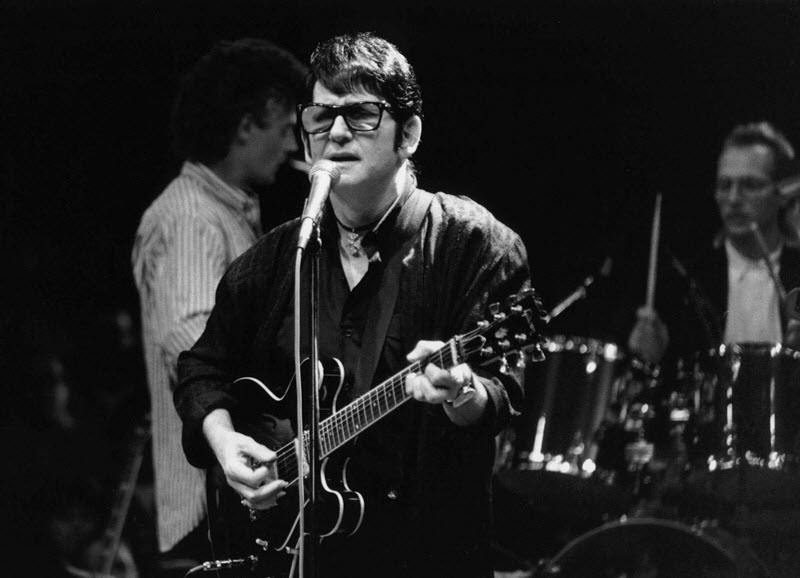
Roy Orbison, the legendary “Caruso of Rock,” left an indelible mark on the music world with his soaring vocals, heartfelt lyrics, and haunting melodies. Known for his unparalleled ability to convey raw emotion, Orbison’s music transcended genres and touched the hearts of millions around the globe. From heart-wrenching ballads to electrifying rock anthems, his songs captured the full spectrum of human emotion—love, heartbreak, longing, and triumph.
With a career spanning decades, Orbison’s voice became synonymous with passion and vulnerability, earning him a revered place in the pantheon of music legends. His unique style, characterized by his operatic voice and dramatic storytelling, continues to inspire generations of artists and fans alike. Whether you’re a lifelong fan or just discovering his music, his songs have the power to transport you to another time and place, where every note tells a story.
In this article, we celebrate the top 10 most popular Roy Orbison songs of all time. From the iconic “Oh, Pretty Woman” to the wistful “Crying,” these masterpieces showcase the magic of Orbison’s artistry. Get ready to dive into the unforgettable melodies and lyrics that made Roy Orbison one of the greatest voices in music history.
1. Oh, Pretty Woman (1964)
“Oh, Pretty Woman” is undoubtedly one of Roy Orbison’s most iconic songs, a track that transcended generations with its electrifying energy and unforgettable melody. Released in 1964, the song immediately captivated listeners with its driving beat, infectious guitar riff, and Orbison’s powerful vocals. Co-written with Bill Dees, the lyrics tell the story of a man mesmerized by a stunning woman walking by, hoping that she might notice him in return.
What makes “Oh, Pretty Woman” stand out is its perfect blend of rock and roll swagger and heartfelt emotion. From the bold, instantly recognizable opening riff to Orbison’s impassioned vocal delivery, the song is brimming with confidence and charm. The call-and-response structure, paired with playful yet sincere lyrics, creates a sense of anticipation that keeps listeners engaged from start to finish.
Upon its release, “Oh, Pretty Woman” became a global sensation, topping the charts in multiple countries and earning a place among the greatest rock songs of all time. Its cultural impact has endured for decades, with the song appearing in countless films, commercials, and even inspiring the title of the hit 1990 movie Pretty Woman. Orbison’s magnetic performance, coupled with the song’s irresistible rhythm, ensures that “Oh, Pretty Woman” remains a timeless classic that still thrills audiences today.
2. Crying (1961)
Few songs capture the raw agony of heartbreak as powerfully as “Crying.” Released in 1961, this emotional ballad is one of Roy Orbison’s most beloved and enduring tracks. The song is a masterclass in storytelling through music, with Orbison’s soaring vocals conveying the overwhelming pain of lost love.
The song begins softly, almost like a quiet confession, as the narrator recalls an encounter with a former lover. At first, he convinces himself that he has moved on, but as the song progresses, the truth is revealed—he is still deeply heartbroken. The build-up to the chorus is gradual yet gripping, culminating in an emotional outpouring that leaves listeners mesmerized. Orbison’s ability to control his voice with such precision, moving seamlessly from delicate whispers to full-bodied cries of despair, is what makes the song so unforgettable.
“Crying” became a major hit, reaching the top of the charts and solidifying Orbison’s reputation as one of the most expressive vocalists of his time. Over the years, it has been covered by numerous artists, including a notable duet with k.d. lang, but Orbison’s original version remains unmatched in its emotional depth. It’s a song that resonates with anyone who has ever felt the sting of lost love, making it a timeless classic.
3. Only the Lonely (Know the Way I Feel) (1960)
“Only the Lonely” was the song that launched Roy Orbison into superstardom, marking a turning point in his career when he fully embraced his signature dramatic style. Released in 1960, the song introduced audiences to Orbison’s unique vocal delivery, which combined operatic intensity with heartfelt vulnerability.
The song’s lyrics speak to the universal feeling of loneliness, making it instantly relatable. Orbison’s vocals, filled with longing and melancholy, convey the pain of isolation in a way few artists could match. The production, featuring lush orchestration and a slow, steady beat, enhances the song’s emotional weight. Unlike many rock and roll songs of the era that focused on upbeat, danceable rhythms, “Only the Lonely” stood out for its depth and cinematic quality.
Upon its release, the song became a major hit, reaching the top of the charts and solidifying Orbison’s status as a leading voice in music. It paved the way for his future ballads, setting the standard for the dramatic, orchestral sound that would define much of his career. Decades later, “Only the Lonely” remains a cornerstone of Orbison’s catalog, a song that perfectly encapsulates the sorrow and beauty of longing.
4. In Dreams (1963)
“In Dreams” is one of Roy Orbison’s most mesmerizing and poetic songs, a ballad that transports listeners into a world of longing and heartache. Released in 1963, the song tells the story of a love that only exists in dreams, where happiness is fleeting and reality is heartbreakingly cruel. The lyrics paint a vivid picture of a dreamscape where the narrator finds solace in the arms of a lost love—only to wake up and realize it was never real.
What makes “In Dreams” so unique is its unconventional structure. Unlike traditional verse-chorus-bridge formats, the song unfolds like a journey, building gradually as Orbison’s vocals climb higher with each line. The orchestration is lush and cinematic, creating an ethereal quality that enhances the song’s dreamlike theme. The emotional crescendo near the end, where Orbison’s voice soars to its peak, is nothing short of breathtaking.
Though it was already a beloved song upon release, “In Dreams” found renewed fame in the 1980s when director David Lynch used it prominently in his film Blue Velvet. The haunting presence of the song in the film introduced it to a new generation, proving its timeless appeal. “In Dreams” remains one of Orbison’s most iconic and hauntingly beautiful works, capturing the delicate line between love, fantasy, and sorrow.
5. Blue Bayou (1963)
“Blue Bayou” is a song of longing and nostalgia, a wistful ballad that speaks to the deep yearning for a simpler, happier past. Released in 1963, the song showcases Roy Orbison’s ability to evoke powerful emotions through both lyrics and melody. With its gentle rhythm and dreamy atmosphere, “Blue Bayou” transports listeners to a place of peace and serenity—an imagined paradise where worries fade away.
The song’s lyrics tell the story of someone longing to return to a home they left behind, dreaming of the familiar sights and sounds of the bayou. The melancholic yet hopeful tone makes it a song that resonates with anyone who has ever felt homesick or nostalgic for a time gone by. Orbison’s vocal performance is deeply emotive, bringing warmth and sincerity to every line. The delicate instrumentation, featuring a soothing guitar and subtle harmonies, perfectly complements the song’s reflective nature.
Though Orbison’s version remains a classic, “Blue Bayou” gained even more recognition when Linda Ronstadt covered it in 1977, turning it into a massive hit. Both versions showcase the song’s timeless appeal, proving that its message of longing and love for home is universal.
6. Running Scared (1961)
“Running Scared” is one of Roy Orbison’s most dramatic and tension-filled songs, a track that keeps listeners on edge from the very first note. Released in 1961, the song tells the story of a man who lives in fear that his lover will leave him for someone else. Unlike many of Orbison’s other ballads, “Running Scared” features an unusual structure—it continuously builds in intensity without ever repeating a chorus, leading to a climactic, explosive ending.
The song starts off softly, with a quiet and nervous energy that mirrors the narrator’s anxious state of mind. As the verses progress, the instrumentation grows in volume and urgency, mirroring the tension in the lyrics. The final moments of the song deliver a breathtaking payoff, as Orbison’s vocals soar to an operatic high, culminating in a triumphant resolution when the woman chooses to stay.
This unique storytelling approach, combined with Orbison’s ability to convey deep emotion through his voice, made “Running Scared” a standout hit. The song reached number one on the charts, proving that Orbison’s willingness to break traditional song structures paid off. It remains one of his most gripping and beautifully crafted pieces, a testament to his artistry and vocal prowess.
7. You Got It (1989)
“You Got It” was Roy Orbison’s triumphant return to the top of the charts, a song that captured the magic of his classic sound while embracing a modern feel. Released in 1989, the track was co-written with Jeff Lynne and Tom Petty, two members of the supergroup Traveling Wilburys, of which Orbison was also a part. Tragically, Orbison passed away before he could fully enjoy the song’s success, but “You Got It” remains one of his most beloved and uplifting tracks.
Unlike some of Orbison’s darker, more melancholic songs, “You Got It” is filled with warmth and optimism. The lyrics celebrate unconditional love and devotion, with the narrator promising to give his heart completely. The melody is catchy and inviting, blending elements of classic rock and roll with 1980s pop production. Orbison’s voice, though slightly aged, is as powerful and emotive as ever, proving that his talent never faded with time.
Upon its release, “You Got It” became an instant hit, reaching the top ten in multiple countries. It introduced a new generation to Orbison’s music and solidified his legacy as one of the greatest voices in rock history. Even today, “You Got It” serves as a reminder of Orbison’s enduring talent and ability to touch hearts with his music.
8. It’s Over (1964)
“It’s Over” is one of Roy Orbison’s most emotionally powerful songs, a ballad that captures the devastation of a love that has come to an end. Released in 1964, the song tells the story of a man coming to terms with the finality of a breakup, as he realizes that nothing can bring his lost love back. The lyrics are filled with imagery of loneliness and sorrow, painting a vivid picture of heartbreak.
What makes “It’s Over” truly remarkable is its dramatic structure. Orbison builds the song with a slow, haunting melody, gradually increasing the intensity until it reaches a soaring climax. His voice, full of raw emotion, perfectly conveys the pain of loss, with every note carrying the weight of despair. The orchestral arrangement adds to the song’s grand, cinematic feel, making it one of his most unforgettable performances.
“It’s Over” became a massive hit, reaching number one in the UK and solidifying Orbison’s reputation as a master of dramatic ballads. The song remains a defining piece of his catalog, influencing countless artists and proving that no one could express heartbreak quite like Roy Orbison. Even decades later, “It’s Over” continues to resonate with listeners who have experienced the sorrow of love lost.
9. Dream Baby (How Long Must I Dream) (1962)
“Dream Baby (How Long Must I Dream)” is a refreshing departure from Roy Orbison’s more melancholic ballads, offering an upbeat, playful take on romantic longing. Released in 1962, the song quickly became a hit, thanks to its infectious melody and Orbison’s charismatic vocal performance. Unlike his usual dramatic love songs, “Dream Baby” feels lighthearted and full of hope, capturing the excitement of yearning for someone special.
The song’s rhythm is energetic and bouncy, driven by a classic rock and roll beat that makes it instantly catchy. The lyrics express the narrator’s eager anticipation for the day his love will be returned, portraying a dreamer’s optimism rather than heartbreak. Orbison’s smooth, effortless delivery adds to the song’s charm, making it an enjoyable and uplifting listen.
“Dream Baby” became one of Orbison’s most popular songs, earning him widespread radio play and recognition. Over the years, the song has been covered by various artists, including country legend Glen Campbell. Its enduring appeal lies in its simple yet effective storytelling, proving that Orbison could masterfully balance both heartbreak and joy in his music.
10. Love Hurts (1961)
“Love Hurts” is a song that perfectly captures the bittersweet nature of love—beautiful yet painful, uplifting yet heartbreaking. Originally recorded by the Everly Brothers, Roy Orbison’s 1961 rendition transformed it into an unforgettable ballad. With his signature soaring vocals and emotionally charged delivery, Orbison turned “Love Hurts” into a song that resonates deeply with anyone who has ever felt the sting of love’s disappointments.
The song’s lyrics are simple yet profound, describing the paradox of love: the same force that brings happiness can also bring immense pain. Orbison’s performance is raw and vulnerable, making listeners feel every ounce of sorrow in his voice. The arrangement is understated, allowing his vocals to take center stage, while the melody gently flows with a melancholic beauty.
Although Orbison’s version was not originally a major hit, “Love Hurts” gained popularity over time and has been covered by numerous artists, including Nazareth and Gram Parsons. However, few versions capture the emotional depth and sincerity of Orbison’s take. His rendition remains one of the most poignant and heartbreaking interpretations of the song, solidifying its place as a timeless classic in the realm of love and loss.

Edward Tomlin is a frequent contributor to Singers Room. Since 2005, Singersroom has been the voice of R&B around the world. Connect with us via social media below.









