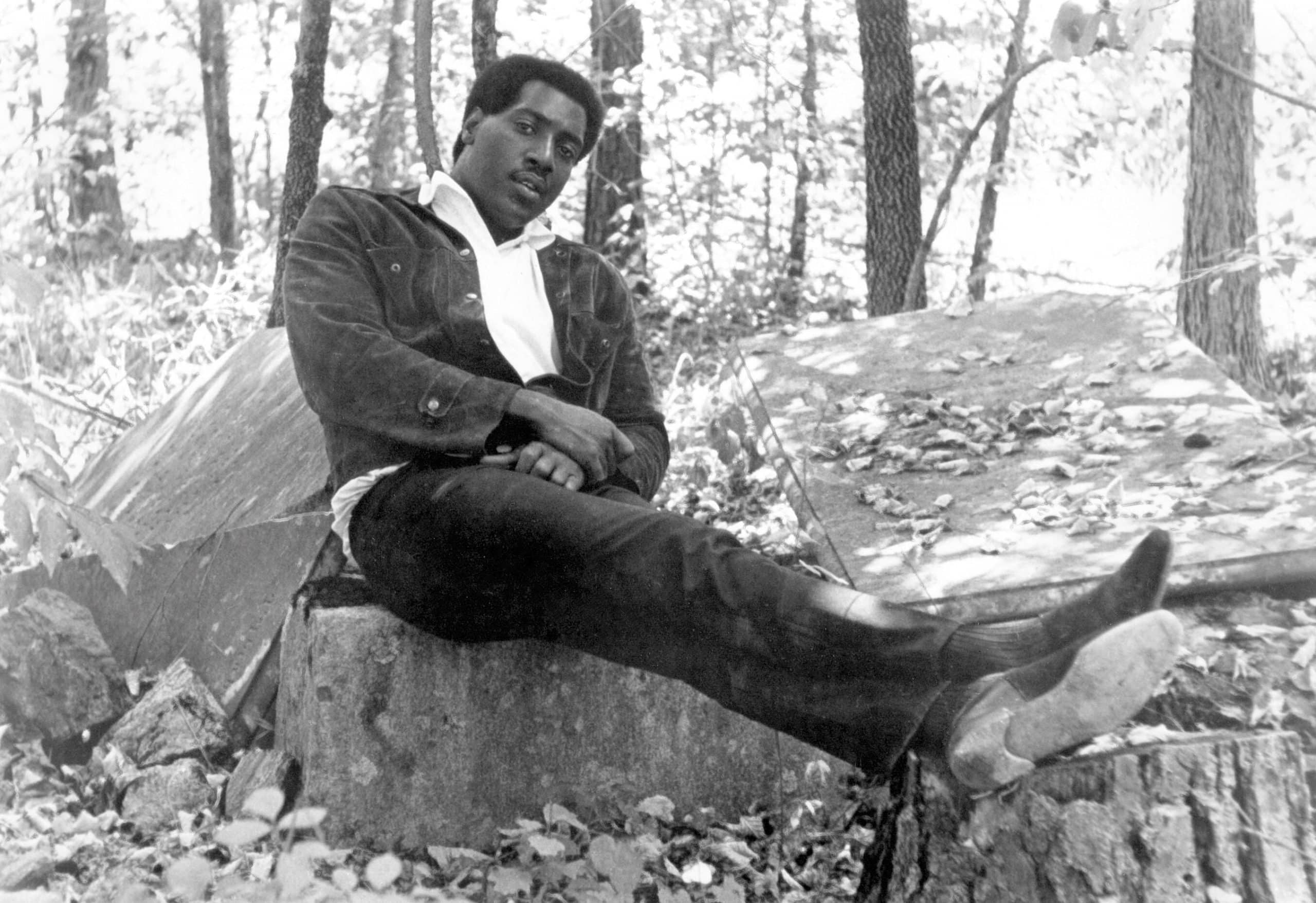
Otis Redding, often hailed as the “King of Soul,” left an indelible mark on the world of music with his powerful voice, timeless lyrics, and electrifying performances. Though his life was tragically cut short at just 26, Redding’s influence continues to resonate across generations, cementing his place among the greatest artists of all time. From heartfelt ballads to energetic anthems, his music captures the raw emotions of love, heartbreak, and hope like no other.
In this article, we dive into the top 10 most popular Otis Redding songs that have stood the test of time, shaping the very fabric of soul and R&B. These tracks are more than just hits—they’re windows into Redding’s genius, his ability to connect with listeners on a deeply personal level, and his unmatched artistry. Whether you’re a lifelong fan or a newcomer to his music, this countdown promises to take you on an emotional journey through some of the most iconic moments in music history. So, sit back, turn up the volume, and let the soulful voice of Otis Redding remind you why he remains a legend in the hearts of millions.
1. “(Sittin’ On) The Dock of the Bay” (1968)
Otis Redding’s “(Sittin’ On) The Dock of the Bay” is not just his most famous song—it’s one of the most iconic soul tracks of all time. Released posthumously in 1968, the song marked a departure from Redding’s usual style, blending his signature soul with a laid-back, almost folk-like melody. The lyrics paint a picture of a man lost in thought, watching the tide roll away, reflecting on life’s uncertainties. Unlike the passionate energy found in many of his other songs, this track embraces a quiet, introspective sadness, making it all the more powerful.
One of the song’s defining elements is its minimalist arrangement. The gentle acoustic guitar, subtle horns, and soft percussion create a dreamlike atmosphere, complemented by the sound of seagulls and waves in the background. The famous whistling outro, which Redding improvised in the studio, adds to the song’s wistful quality, making it one of the most memorable endings in music history.
Tragically, Redding passed away in a plane crash just days after recording this song, leaving it as a final masterpiece that would go on to define his legacy. “(Sittin’ On) The Dock of the Bay” became a timeless anthem of longing and solitude, proving that even in stillness, Otis Redding’s voice could move the soul.
2. “Try a Little Tenderness” (1966)
“Try a Little Tenderness” is one of the most emotionally charged performances in Otis Redding’s career. Originally written as a ballad in the 1930s, Redding transformed it into a passionate soul masterpiece in 1966, giving the song a new life that would forever be associated with his name. The track starts off slow and delicate, with Redding’s voice filled with gentle reassurance, urging men to treat their women with care and affection.
However, as the song progresses, it builds in intensity, culminating in an explosive, almost frantic climax. Redding’s vocal delivery shifts from tender to fiery, as if he’s pleading from the depths of his soul. The instrumental arrangement follows suit, with the horns and rhythm section gradually escalating, mirroring his growing urgency. By the time the song reaches its peak, Redding is practically shouting with emotion, turning the track into an electrifying experience.
This song perfectly showcases Redding’s ability to blend vulnerability with raw power. His dynamic vocal delivery, paired with the Stax house band’s masterful instrumentation, makes “Try a Little Tenderness” one of the most compelling performances in soul history. The song remains a testament to his unmatched ability to pour his heart into every note.
3. “I’ve Been Loving You Too Long” (1965)
“I’ve Been Loving You Too Long” is a slow-burning, deeply emotional ballad that stands as one of Otis Redding’s most moving recordings. Released in 1965, the song tells the story of a man clinging to a love that is slipping away, his voice filled with desperation and longing. The lyrics are simple but profoundly effective, expressing the pain of loving someone who may no longer feel the same.
The song’s pacing plays a crucial role in its impact. It begins with a quiet, almost whispered intensity, as if Redding is trying to hold onto every moment before love fades away. His voice rises and falls with emotion, each note carrying the weight of heartache. The instrumentation is minimal but deeply affecting, with soft piano chords and a gentle rhythm section allowing Redding’s vocals to take center stage.
As the song progresses, Redding’s voice grows more impassioned, building to a powerful climax before fading back into the quiet sorrow of the opening lines. The push and pull of emotion make “I’ve Been Loving You Too Long” one of his most unforgettable songs. It’s a track that perfectly encapsulates the depth of feeling that only Redding could convey.
4. “These Arms of Mine” (1962)
“This Arms of Mine” is the song that introduced the world to Otis Redding’s unmistakable voice. Released in 1962 as his debut single, the track is a slow, aching ballad filled with raw emotion. Unlike the energetic, horn-driven soul songs that would later define his career, this one is stripped down and intimate, allowing Redding’s pleading vocals to take center stage.
The lyrics are simple yet deeply effective, capturing the longing of a man who desperately wants to hold the woman he loves. “These arms of mine, they are lonely, lonely and feeling blue,” he sings, his voice dripping with sorrow. The arrangement is sparse, with a steady drumbeat, soft organ, and gentle guitar providing a subtle backdrop for his performance.
Redding recorded this song during an impromptu audition at Stax Records, and it was his passionate delivery that convinced the label’s producers to give him a chance. That gamble paid off—”These Arms of Mine” became a hit and marked the beginning of his journey to becoming one of the greatest soul singers of all time. Even decades later, the song remains a testament to the power of simplicity in music, proving that sometimes, all you need is a voice and a feeling to create something timeless.
5. “Respect” (1965)
Before Aretha Franklin turned “Respect” into a feminist anthem, Otis Redding wrote and recorded the original version in 1965. His take on the song is a fiery, commanding plea for recognition in a relationship, delivered with his signature grit and passion. While Franklin’s version shifted the narrative to female empowerment, Redding’s original tells the story of a hardworking man who simply wants some appreciation when he comes home.
The song is driven by a lively rhythm section and punchy horn stabs that add to its urgency. Redding’s voice is full of power, as he belts out lines like “What you want, honey, you got it / And what you need, baby, you got it.” There’s a sense of frustration but also determination in his delivery, making it clear that he’s not just asking for respect—he’s demanding it.
Though Aretha Franklin’s rendition became the definitive version, Redding’s original remains a classic in its own right. His raw energy and commanding presence turn “Respect” into a soulful powerhouse, showcasing his ability to infuse every song with undeniable emotion. It’s a track that captures the essence of his vocal strength and the fiery spirit of 1960s soul.
6. “Pain in My Heart” (1964)
“Pain in My Heart” is a classic soul ballad that showcases Otis Redding’s ability to convey deep, aching sorrow through his voice. Released in 1964, the song tells the story of a man suffering from heartbreak, his emotions laid bare for the listener to feel. From the very first line, Redding’s vocals are filled with longing and despair, making it one of his most heartfelt performances.
Musically, the track follows the traditional slow-burning R&B formula, with a simple but effective arrangement. The soft piano, light drumming, and gentle guitar work create an intimate atmosphere, allowing Redding’s voice to shine. His delivery is a mix of restraint and passion—he never overpowers the song, but the weight of his emotion is undeniable.
The song became one of Redding’s early hits and solidified his place as a rising star in the soul world. Over the years, “Pain in My Heart” has been covered by numerous artists, but none capture the raw sincerity of Redding’s version. His ability to make listeners truly feel his pain is what sets him apart and cements this song as a timeless classic in his catalog.
7. “Mr. Pitiful” (1965)
“Mr. Pitiful” is one of Otis Redding’s most playful yet deeply soulful tracks. Released in 1965, the song came about after a radio DJ jokingly nicknamed Redding “Mr. Pitiful” because of his ability to sing such heart-wrenching ballads. Rather than take offense, Redding embraced the moniker and turned it into a lively, horn-driven hit that remains one of his most memorable songs.
Unlike the slow-burning love songs he was known for, “Mr. Pitiful” is an uptempo, feel-good tune that exudes confidence and charm. The Stax house band, Booker T. & the M.G.’s, lays down a tight groove, with the horn section adding punchy accents that give the track its infectious energy. Redding’s voice, as always, is the star of the show—his rough-edged delivery adds a playful contrast to the song’s otherwise melancholic theme.
Lyrically, the song humorously leans into Redding’s reputation for emotional ballads, with him proclaiming, “They call me Mr. Pitiful, this everybody knows,” as if reveling in the sorrow he sings about. Yet, there’s nothing pitiful about the performance—his energy and enthusiasm make it clear he’s having fun. The irony of the song’s title, combined with the sheer joy of its execution, makes it a standout in Redding’s catalog, proving that even when singing about heartbreak, he could still make people dance.
8. “Hard to Handle” (1968)
“Hard to Handle” is one of Otis Redding’s funkiest and most swagger-filled songs, released posthumously in 1968. It’s a high-energy track that blends soul and rock, showcasing Redding’s ability to adapt his style to a more upbeat, danceable groove. Though he never got to see its success, the song became one of his most enduring hits, later covered by The Black Crowes, who turned it into a rock staple.
The song’s opening is immediately attention-grabbing, with a driving bassline and a funky horn section setting the tone for what’s to come. Redding’s vocals are brimming with confidence as he delivers lines like, “Pretty little thing, let me light your candle,” making it clear that this is a song of pure, unfiltered bravado. Unlike his more tender ballads, “Hard to Handle” is all about attitude and groove, with Redding playing the role of a smooth-talking charmer.
Despite its posthumous release, “Hard to Handle” remains a testament to Redding’s versatility as a performer. He wasn’t just a master of emotional ballads—he could also bring an irresistible, high-energy spirit to his music. The song’s influence has stretched far beyond soul, proving that Redding’s impact on music knows no bounds.
9. “That’s How Strong My Love Is” (1965)
If there’s one song that perfectly captures the depth of Otis Redding’s passion, it’s “That’s How Strong My Love Is.” Released in 1965, this deeply romantic ballad is a testament to love’s power, with Redding pouring every ounce of his soul into its delivery. Originally recorded by O.V. Wright, Redding’s version took the song to new heights, turning it into one of his most beloved love songs.
The song’s lyrics read like poetry, describing the lengths to which the narrator would go to express his devotion. “I’ll be the weeping willow drowning in my tears, and you can go swimming when you’re here,” Redding croons, his voice dripping with sincerity. The arrangement is beautifully understated, with a delicate organ, gentle guitar, and soft percussion allowing his vocals to take center stage.
“That’s How Strong My Love Is” showcases one of Redding’s greatest gifts—his ability to make every word feel deeply personal. Whether he’s singing about heartbreak or devotion, he brings a raw honesty that few artists can match. This song remains one of the finest examples of his ability to capture love’s most profound emotions in just a few minutes of music.
10. “Love Man” (1969)
“Love Man” is one of Otis Redding’s most upbeat and infectious songs, released posthumously in 1969. A stark contrast to his more sorrowful ballads, this track is a celebration of confidence and charm, painting a picture of Redding as an unstoppable force of love and energy. With its lively horns, groovy bassline, and playful lyrics, “Love Man” is pure feel-good soul.
From the moment the beat kicks in, Redding takes on the role of a charismatic ladies’ man, proudly declaring, “I’m a love man!” His delivery is filled with swagger and joy, making it clear that he’s having the time of his life in the recording booth. The song’s rhythm section, provided by the legendary Stax musicians, keeps things tight and danceable, ensuring that this track gets people moving.
Despite being released after his tragic passing, “Love Man” stands as a reminder of Redding’s ability to lift spirits through music. His voice, as powerful as ever, radiates warmth and confidence, making this song an enduring favorite. It’s impossible to listen to “Love Man” without feeling a surge of joy, proving once again why Otis Redding remains one of soul music’s greatest voices.

Edward Tomlin is a frequent contributor to Singers Room. Since 2005, Singersroom has been the voice of R&B around the world. Connect with us via social media below.









